What Are The Benefits of PVC Trim?
Last Updated: April 12, 2011
Polyvinyl-Chloride (PVC) is the third most widely produced plastic. It is the same material that is found in plumbing pipes and used for wire insulation. It is a solid, reliable and composite material that is becoming more popular for a wide range of uses.
Why should you consider using PVC?
PVC is most commonly used for its durability. Because it does not decay and can not be damaged by insects, it is used to replace rotted boards or wood that will most likely begin to rot in the near future.
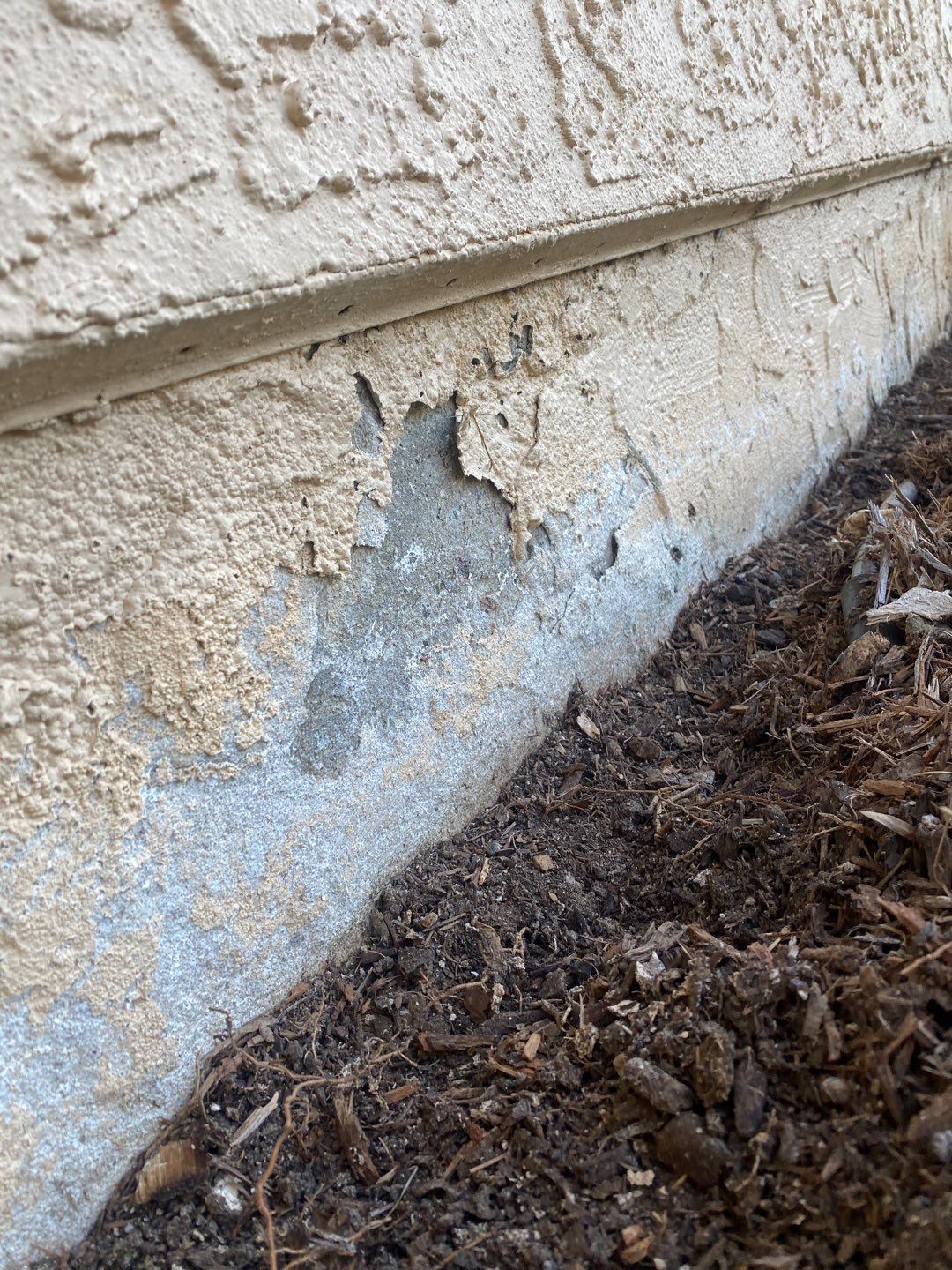
This is especially helpful around the exterior “hot spots” where moisture tends to show up again and again: lower trim boards, window trim, fascia, and any place where sprinklers, runoff, or repeated exposure has caused wood to soften over time.
Replacing all of the house trim with PVC will prevent all future chances of dry rot or decay, and will require little or no maintenance besides an occasional paint-job. Replacing the trim of a house is becoming a popular course of action for homeowners in Southern California.
Since paint adheres comparably better to PVC than to wood, using PVC can visibly improve the quality of your home. Another positive element of PVC is that it does not expand and contract as much as wood, which is why it is more durable.
That reduced movement matters. When wood expands and contracts, it can stress paint and caulk joints, creating cracks that allow moisture in. PVC’s stability can help reduce those stress points, which can lead to fewer split seams and fewer repaint cycles in the long run.
Although Azek (a brand name for PVC trim) is more expensive than wood, the low maintenance is often worth the cost.
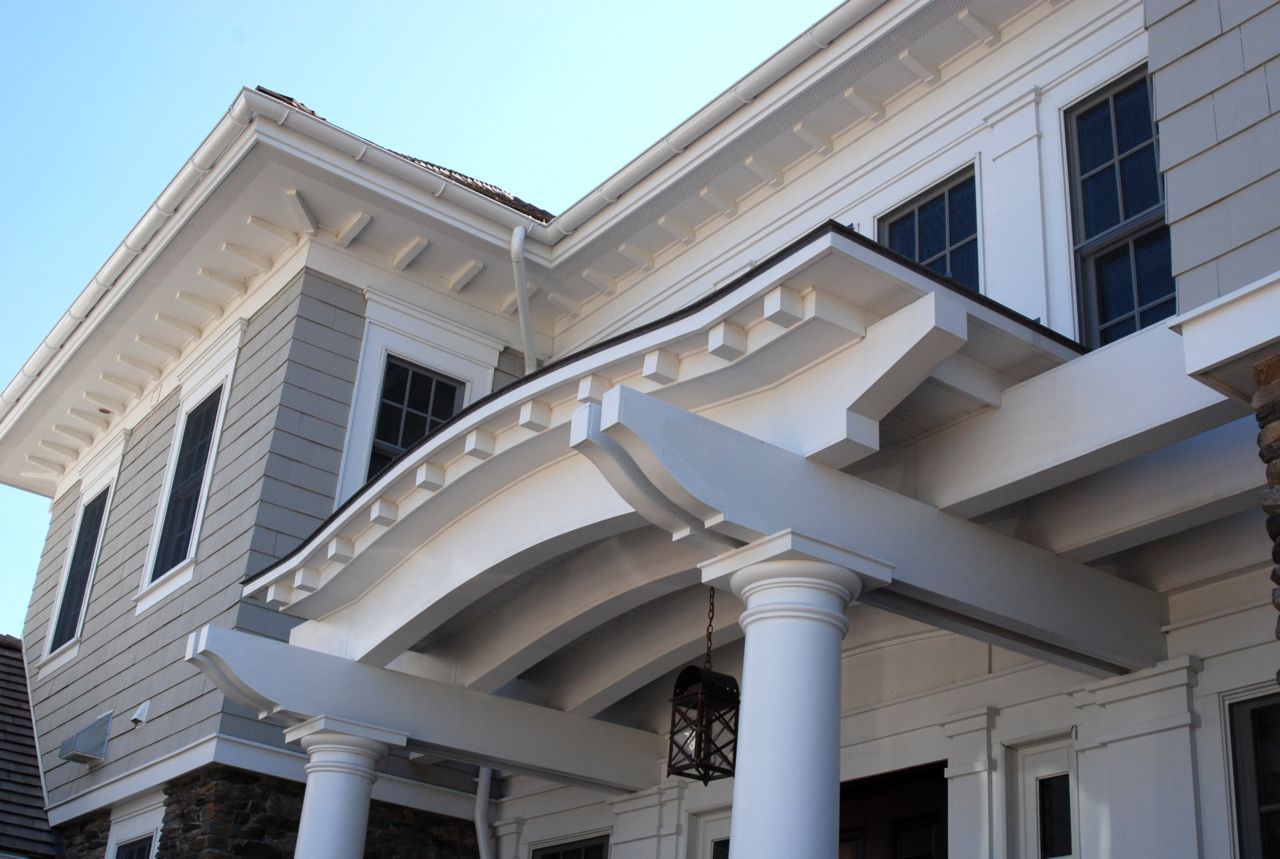
PVC comes in white, so it typically has to be painted to match any existing trim; it also comes in the same shapes and sizes as wood, so it is nearly indistinguishable from any nearby trim that has not been replaced.
It is sometimes optional to not paint the PVC trim, but it tends to more easily show dirt if it does not have a good coat of paint.
One more practical note: painting PVC trim often gives you a more consistent look across the home, especially if you’re mixing old and new materials. It also helps with long-term appearance since exposed white PVC can show scuffs and grime more quickly in high-contact areas.
A Caution About Sun and Paint Color
A caution for PVC is the material can misshape when placed in direct sunlight. To avoid this distortion, just use vinyl-safe paint colors.
This is an important detail in Southern California. Darker colors absorb more heat, and heat is what can create problems. Using products rated for vinyl/PVC and sticking with appropriate colors helps keep the trim stable and looking clean.
What Are the Downsides of PVC Trim?
The cost of PVC and the labor for installation are the two downsides of PVC. Although the benefits do prove to out-weigh the cost, it is ultimately your decision whether or not you think the product is worth cost.
PVC is often most “worth it” when you’ve had repeat rot issues or you’re already doing major exterior repairs and want a longer-term fix instead of replacing wood that may fail again.
PVC Trim Replacement and Painting in San Diego
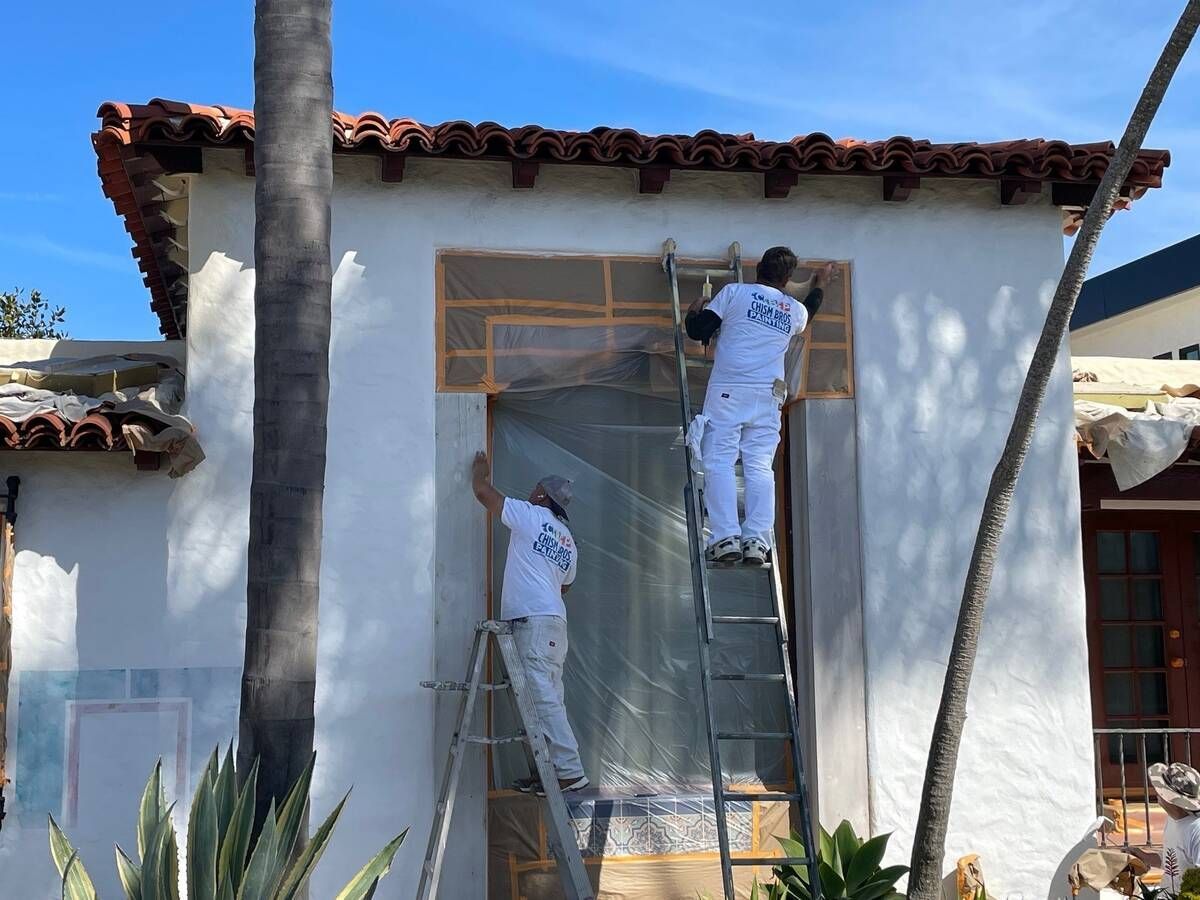
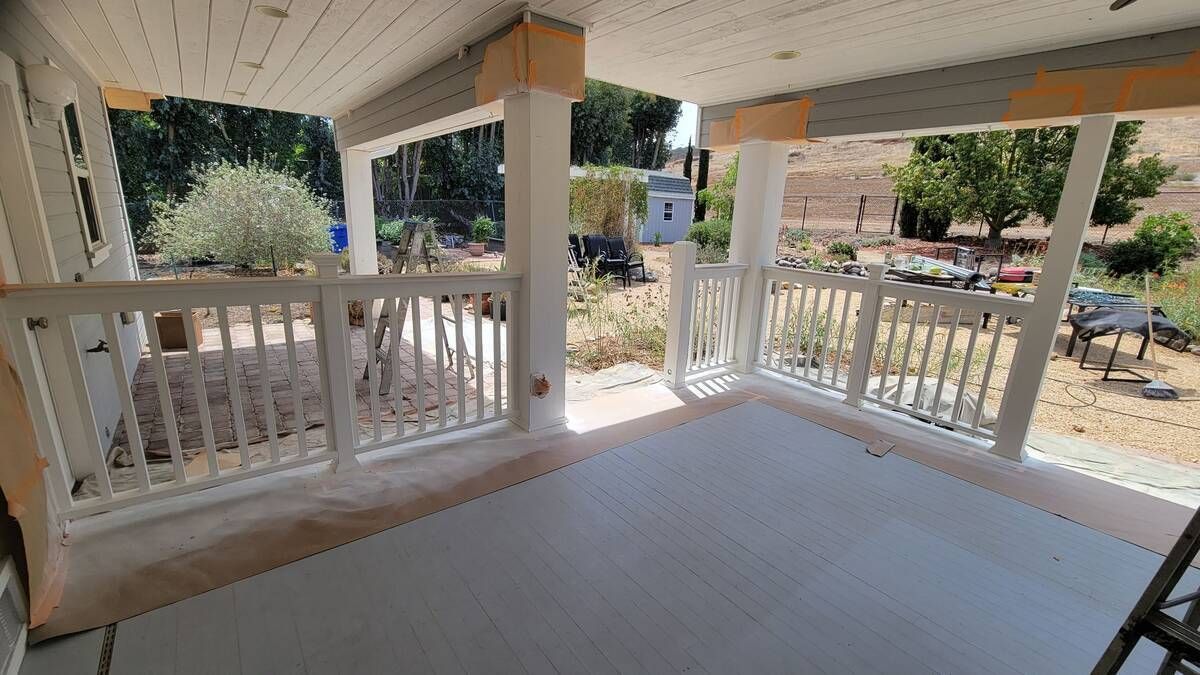
Chism Brothers Painting is located in San Diego, CA and can provide our painting customers with a quote to replace and repaint your trim work with PVC. We service San Diego and the coastal, central regions.
If you’re considering PVC trim for your home and want help weighing the options, reach out to Chism Brothers Painting and we’ll walk you through what makes the most sense for your trim, your budget, and your long-term maintenance goals.

Tell us about your project
Tell Us About Your Project
Contact us today to schedule a visit from one of our estimators! We’ll come to your home and provide a detailed estimate.
(858) 454-3850