Best Time of Year to Repaint Your Del Mar Home
Last Updated: May 8, 2026
The best time of year to repaint a Del Mar home is usually spring or fall, when temperatures are mild, moisture is more manageable, and exterior surfaces are more likely to dry and cure properly.
Del Mar’s coastal climate gives homeowners more flexibility than colder or wetter regions, but timing still matters. Marine layer, salt air, moisture, wind, and direct sun can all affect how well paint bonds and holds up over time.
The right timing also depends on the condition of the home. If the exterior is only faded but still protected, you may be able to plan around your preferred season. If you are seeing peeling paint, exposed wood, cracked caulk, chalking, or bubbling, waiting too long can lead to more prep and repair work later.
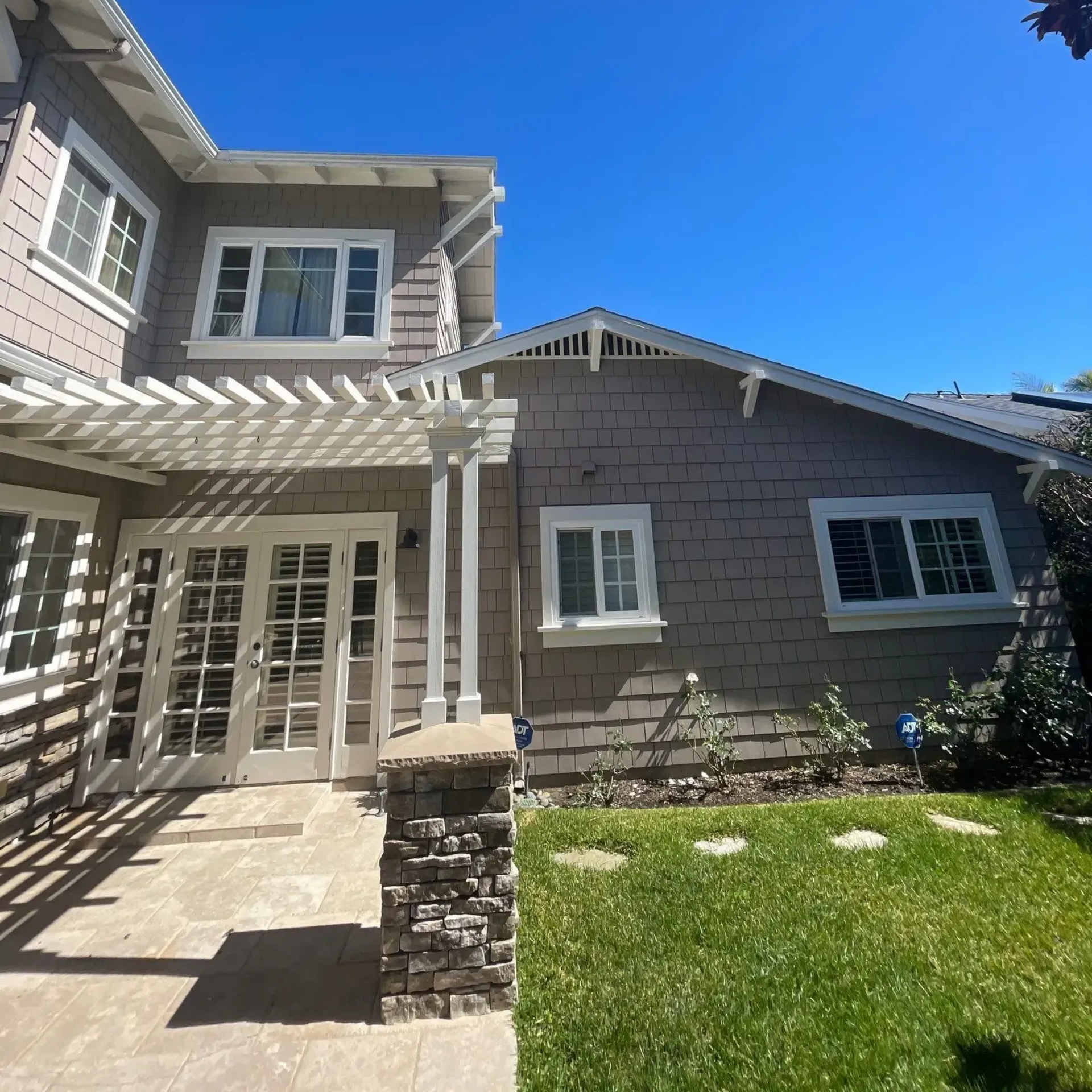
Why Timing Matters When Repainting a Del Mar Home
Exterior paint needs the right conditions to perform well. The surfaces should be clean, dry, and properly prepared before paint is applied. If the surface is damp, chalky, dirty, or exposed to harsh sun at the wrong time, the paint may not bond or cure the way it should.
For Del Mar homes, this matters because coastal moisture and marine layer can leave surfaces damp, while strong sun can cause paint to dry too quickly on exposed areas. Wind, salt air, and changing temperatures can also affect scheduling and prep. Even in a mild coastal climate, repainting should be planned around real surface conditions, not just the calendar.
The Best Seasons to Repaint a Del Mar Home
Spring and fall are usually the most reliable seasons for repainting in Del Mar, but summer and winter may still work when conditions are right.
Spring
Spring is often a strong time to repaint because temperatures are usually mild and homeowners can address wear from winter moisture before stronger summer sun sets in. It can be a good season to repaint faded stucco, worn trim, cracked caulk, or small areas of peeling before those issues become more noticeable.
Spring can also be a popular season for exterior painting, so it helps to schedule an estimate early if you want the project completed before summer.
Fall
Fall is also a good time to repaint because temperatures are often moderate and the strongest summer sun has passed. It can be a smart window for refreshing the exterior before cooler, damper winter weather arrives.
This season may be especially helpful for homes already showing early signs of peeling, chalking, fading, or failing caulk. Taking care of those issues before winter moisture can help prevent a simple repaint from becoming a more repair-heavy project.
Summer
Summer repainting can work in Del Mar, but sun exposure and surface temperature need to be managed carefully. Paint may dry too quickly on hot or exposed walls, which can affect the finish if the crew does not plan around shade and timing.
A professional crew may work on different sides of the home at different times of day to avoid painting directly into intense sun. With the right planning, summer can still be a workable season for many Del Mar homes.
Winter
Winter is not automatically off-limits, but rain, damp mornings, marine layer, and shorter drying windows can make scheduling less predictable. Exterior surfaces need to be dry, and the forecast should allow enough time for prep, paint application, and drying.
Winter repainting may still be possible when the forecast is clear and the surfaces are dry, but homeowners should expect more flexibility around timing.
Weather Conditions That Matter Most
The best repainting window depends more on the actual conditions than the name of the season. A good painting day usually means the exterior is dry, the forecast is clear, and the temperature is mild enough for paint to cure properly.
The best conditions usually include:
- Dry exterior surfaces
- Mild temperatures
- Low chance of rain
- Limited morning or overnight moisture
- Manageable wind
- Enough drying time between coats
- No extreme direct sun on freshly painted areas
These conditions are especially important in Del Mar because moisture, marine layer, salt air, and sun exposure can all affect prep and application. A professional crew should monitor the surfaces and weather throughout the project instead of relying only on the season.
Why Del Mar Homes May Need More Planning Before Repainting
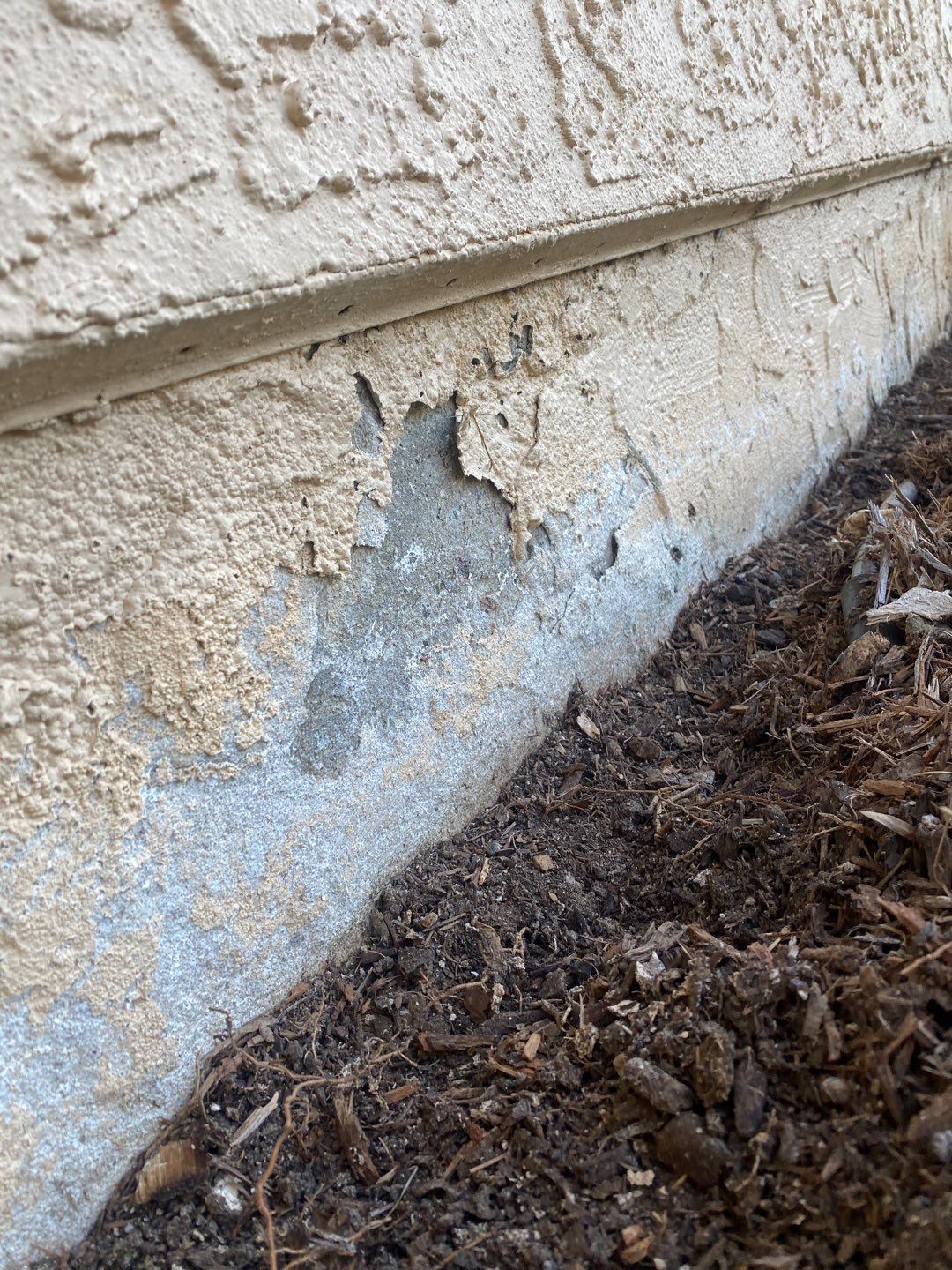
Del Mar homes may need more prep before repainting begins. Salt residue, chalking, stucco cracks, failing caulk, peeling paint, or worn wood trim may need to be addressed first. If these issues are ignored, the new paint may not last as long as expected.
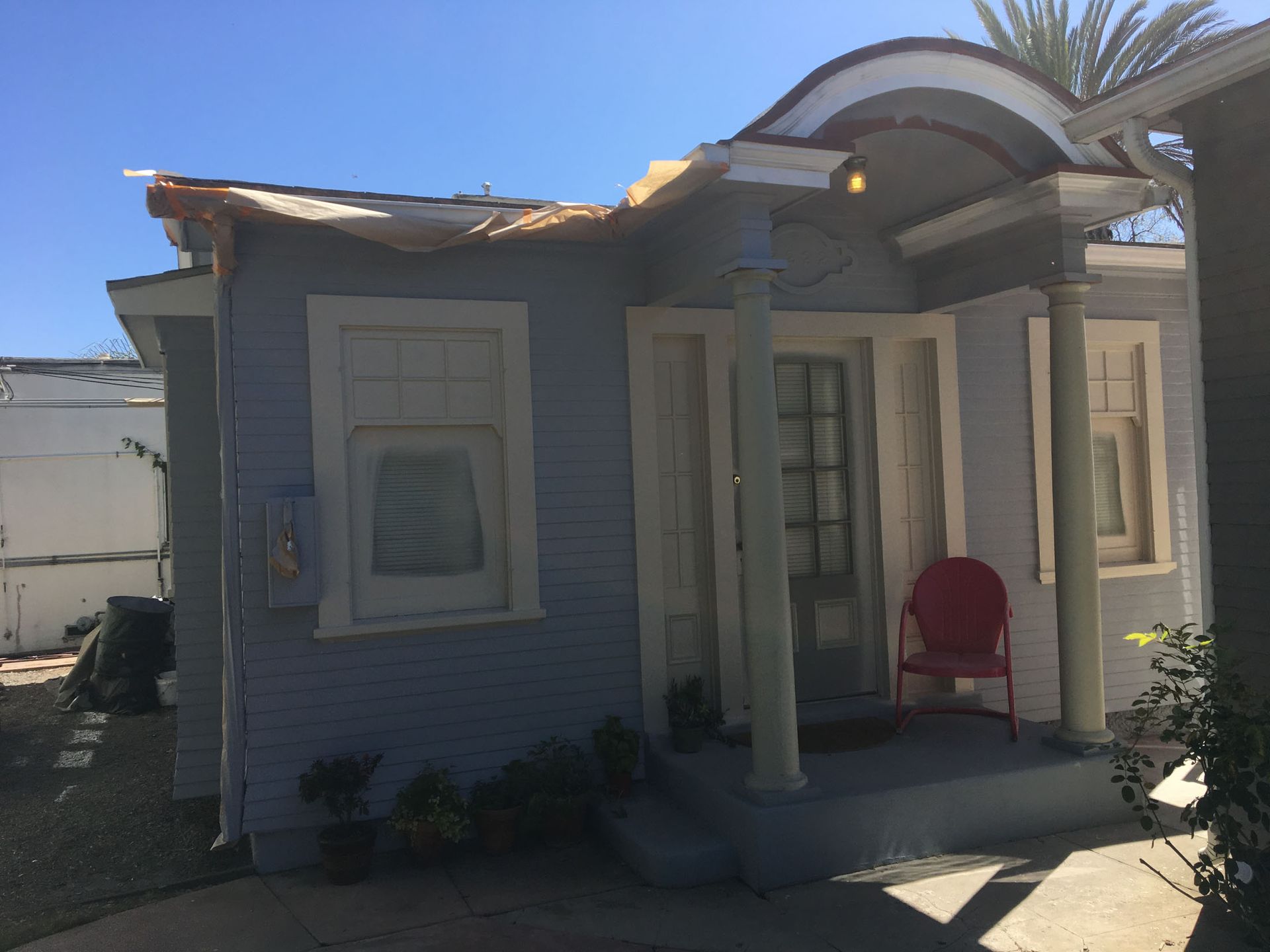
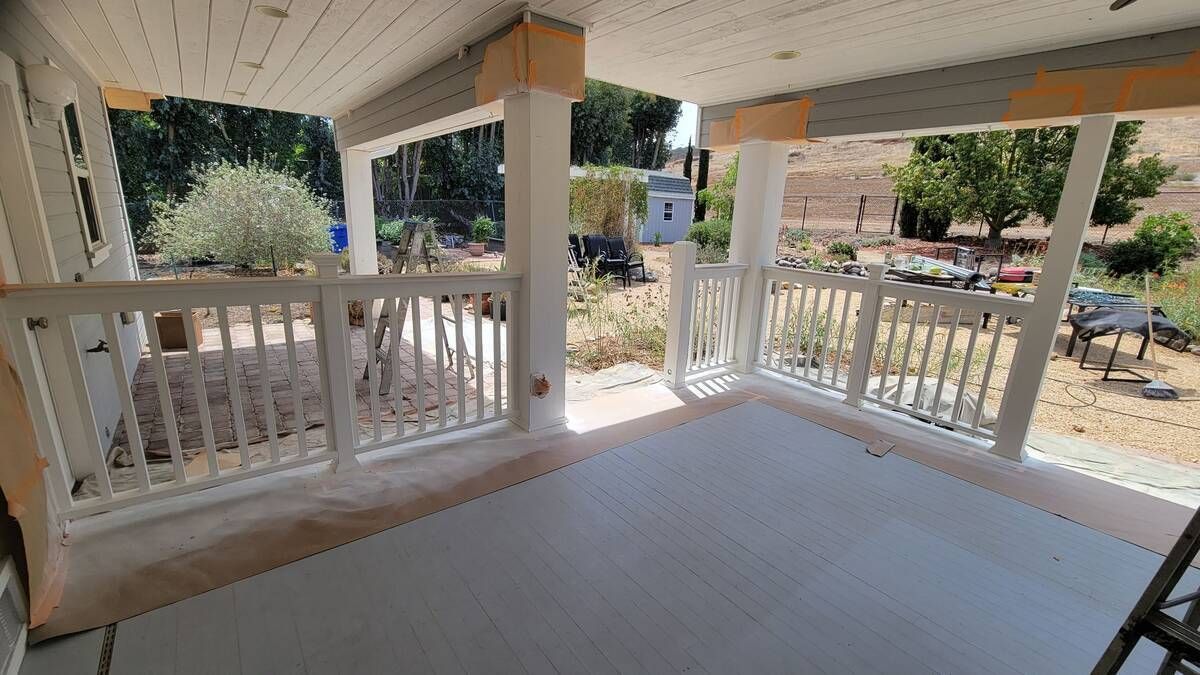
Many homes also have decks, patios, balconies, railings, outdoor living areas, mature landscaping, and ocean-facing elevations that require careful protection and planning. The best season is only part of the decision. The project timeline also depends on the home’s condition, access, and full scope of work.
Should You Wait for the Perfect Season?
You do not always need to wait months for spring or fall if your paint is already failing. If the paint is only faded but still intact, waiting for a preferred season may be fine.
If the home has peeling paint, exposed wood, cracked caulk, chalky stucco, bubbling paint, or moisture concerns, delaying too long can lead to more repair work. In that case, the best time to repaint may be the next workable weather window. The goal is to paint when conditions are suitable and before exterior wear becomes more expensive to fix.
How to Plan Ahead for an Exterior Repaint
Homeowners should schedule an estimate before the season they want the project completed. This gives enough time to evaluate the exterior, choose colors, plan repairs, and work around weather or access concerns.
Planning ahead is especially helpful if the home has:
- Stucco cracks or chalking
- Wood trim, fascia, or railings
- Peeling or bubbling paint
- Multiple colors
- Balconies, decks, or outdoor living areas
- Landscaping close to the home
- Ocean-facing walls
- Difficult access areas
These details can affect both timing and project length. Getting them reviewed early helps create a more realistic schedule and gives homeowners a clearer picture of what needs to happen before repainting begins.
Schedule Your Del Mar Exterior Repaint
If your Del Mar home is showing fading, peeling, chalking, exposed wood, cracked caulk, or worn trim, it may be time to schedule an exterior painting estimate. A professional evaluation can help determine whether the project should happen soon or whether it can wait for a preferred seasonal window.
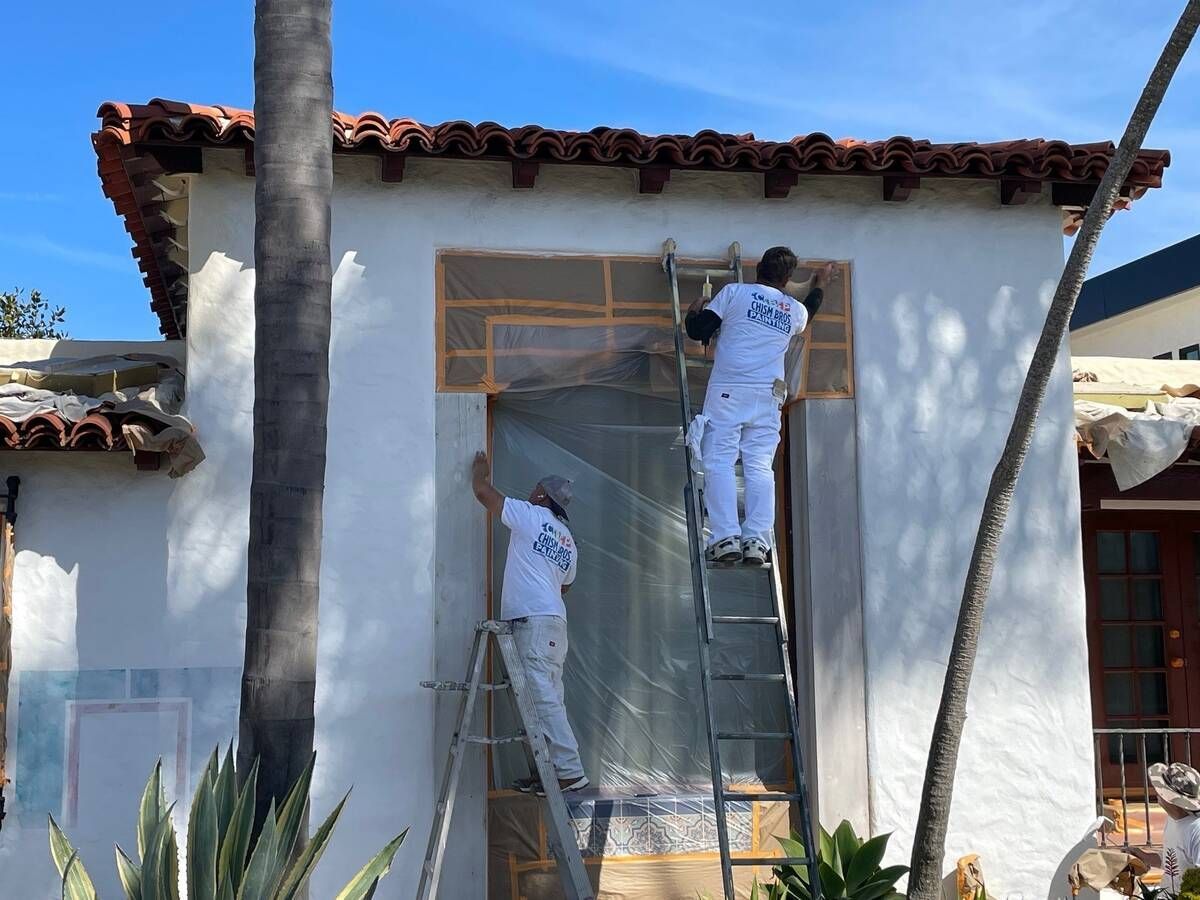
Chism Brothers Painting can evaluate your home’s condition, prep needs, coastal exposure, timing, access, and exterior details before recommending the right painting window. Scheduling an estimate early can help you plan around the best conditions and protect your home before small issues become larger repairs.
Tell us about your project
Tell Us About Your Project
Contact us today to schedule a visit from one of our estimators! We’ll come to your home and provide a detailed estimate.
(858) 454-3850