How Salt Air and Sun Wear Down Paint on Del Mar Homes
Last Updated: May 8, 2026
Salt air and sun can wear down your Del Mar home’s paint by causing fading, chalking, peeling, cracking, bubbling, failing caulk, and exposed wood or trim that no longer has strong protection.
Coastal homes often age differently than inland homes. Even when the exterior still looks fine from the street, salt air, marine layer, wind, and strong sun can slowly break down the paint system. This matters because exterior paint does more than improve curb appeal. It helps protect stucco, wood trim, doors, fascia, railings, shutters, and other exterior details from coastal wear.
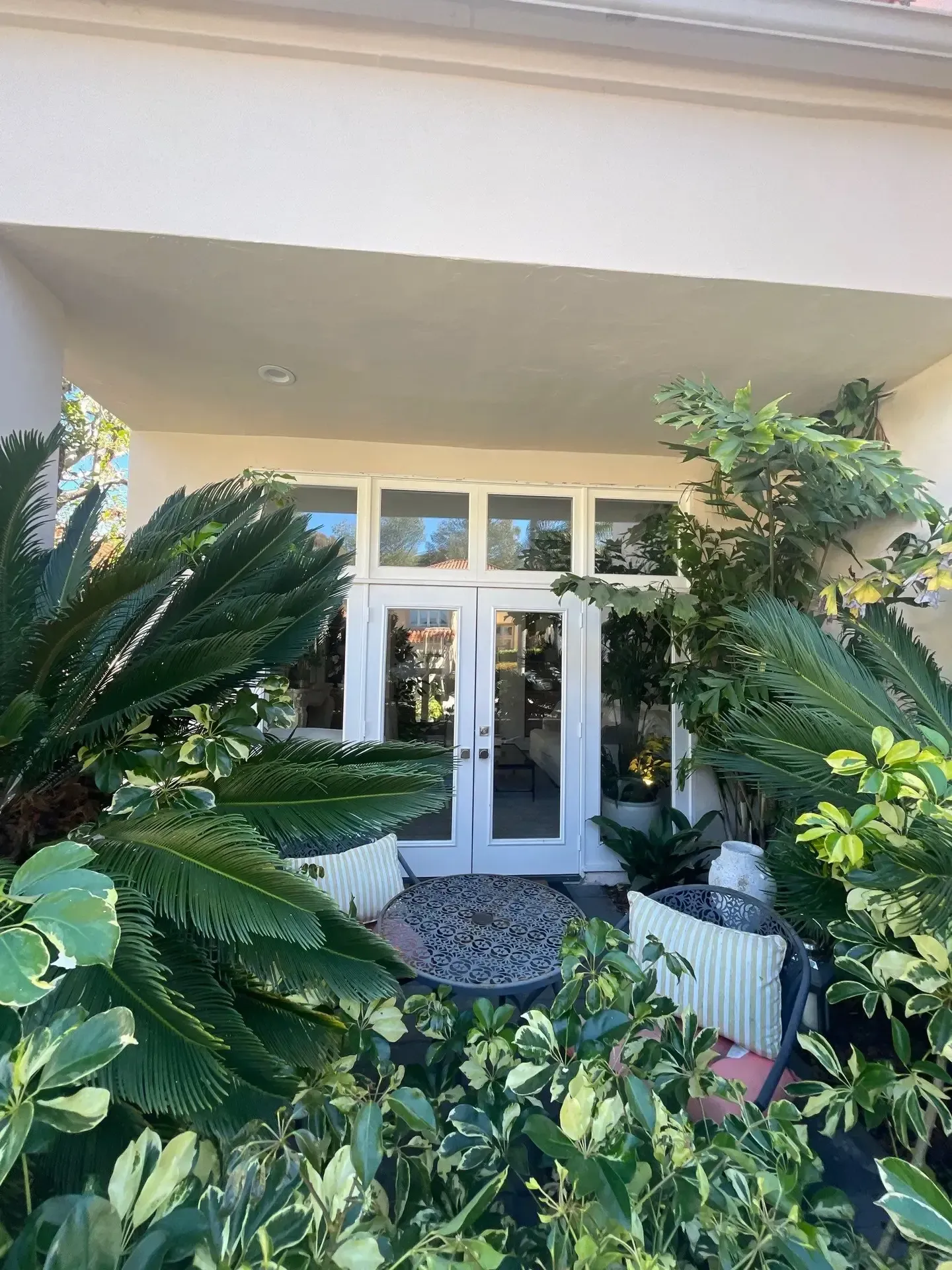
Why Del Mar Homes Face More Exterior Paint Wear
Homes near the coast deal with a steady mix of sun, salt air, moisture, and wind. Over time, those conditions can weaken the paint film, dull the color, dry out trim, and make small cracks or exposed areas worse.
A home closer to the beach, bluff, or open coastal exposure may show wear sooner than a home farther inland or more protected by shade. That does not mean paint failure happens overnight. Coastal exposure usually shows up gradually through fading, chalking, peeling, worn caulk, and tired-looking exterior details.
Common Signs Salt Air and Sun Are Wearing Down Your Paint
Paint wear often starts in small areas before it becomes obvious across the whole home. Homeowners should look closely at sun-facing walls, trim, doors, railings, fascia, and areas exposed to moisture or wind.
Faded Paint
Fading is one of the most common signs of sun exposure. Paint colors may look dull, uneven, or washed out, especially on south- and west-facing walls, garage doors, trim, and darker colors.
Fading can start as a cosmetic issue, but it may also mean the coating is aging and losing some of its protective strength. If several areas look washed out, it may be time to start planning for repainting.
Chalky Paint
Chalking happens when paint breaks down and leaves a powdery residue on the surface. You may notice this if you run a hand across stucco, siding, or painted trim and see dust on your fingers.
Chalky surfaces need to be cleaned and prepared before repainting. New paint may not bond properly to a powdery surface if the chalking is not handled first.
Peeling Paint
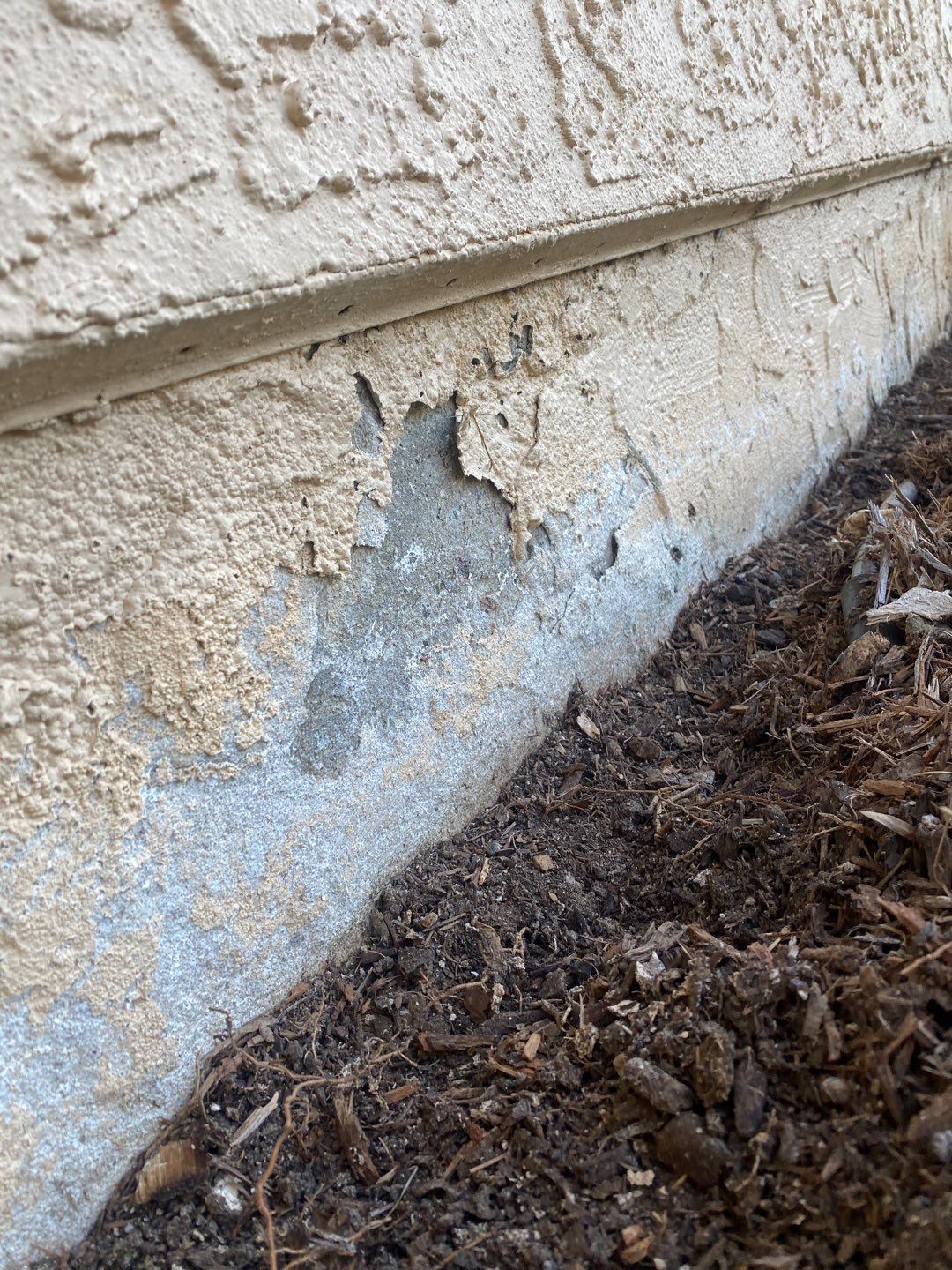
Peeling or flaking paint means the coating is no longer bonded well to the surface. Near the coast, moisture and salt air can make peeling worse once the surface underneath is exposed.
Peeling paint should not simply be painted over. Loose paint needs to be removed, the edges need to be addressed, and the surface needs proper prep before new paint is applied.
Cracking Paint
Sun and age can cause paint to become brittle, leading to small cracks or surface splits. These cracks may appear around trim, fascia, doors, and older painted surfaces.
Cracks can allow moisture to reach the surface underneath. If ignored, this can lead to more prep, caulking, priming, or repair work before the home can be repainted.
Bubbling Paint
Bubbling or blistering can happen when moisture, heat, or poor adhesion causes paint to lift from the surface. Coastal moisture can make this more likely, especially if surfaces were not dry or clean during the previous paint job.
Bubbling should be checked before repainting. The cause needs to be understood so the new coating has a better chance of lasting.
Failing Caulk
Cracked or separated caulk can allow moisture into joints and gaps around the home. This often shows up around windows, doors, trim, fascia, and transitions between different materials.
Failing caulk is common when the exterior paint system is aging. It should be repaired as part of proper prep before repainting.
Exposed Wood or Worn Trim
Exposed wood, dry trim, bare spots, and worn finishes need attention before coastal moisture and salt air cause deeper damage. This may show up on fascia, railings, shutters, doors, beams, gates, or other exterior accents.
For Del Mar homes with wood details, outdoor living areas, and exterior features facing coastal exposure, these areas should be addressed early.
Where to Look First Around Your Home
Coastal wear is not always evenly spread across the whole exterior. Some parts of the home may age faster based on sun, wind, shade, moisture, and distance from the ocean.
Common areas to check include:
- South- and west-facing walls
- Window trim and sills
- Fascia, eaves, and soffits
- Garage doors and entry doors
- Railings, gates, shutters, and wood accents
- Balconies, decks, and patio areas
- Stucco cracks or patched areas
- Surfaces near irrigation or dense landscaping
- Ocean-facing elevations
These areas often show wear first because they receive more direct sun, moisture, salt air, or everyday exposure. Checking them once or twice a year can help you catch small issues before they spread.
When Coastal Paint Wear Becomes More Than Cosmetic
Fading alone may not mean your home needs immediate repainting. If the color has softened but the coating is still smooth, bonded, and protective, you may have some time before a full repaint is needed.
The concern grows when fading shows up with chalking, peeling, exposed wood, cracked caulk, or bubbling. Those signs usually mean the paint system is doing more than aging cosmetically. It may no longer be protecting the surface underneath as well as it should.
Small maintenance areas may be enough if the rest of the exterior is still in good shape. But if several sides of the home are showing wear, a full repaint may be the better long-term option.
Why Waiting Too Long Can Lead to More Repair Work
Coastal exposure can make small paint problems worse over time. Once paint peels, cracks, or wears away, salt air and moisture can affect the surface underneath. That can turn a straightforward repaint into a project that needs more scraping, sanding, priming, caulking, stucco repair, or wood repair.
For Del Mar homes, waiting too long can also make exterior details more expensive to restore. Trim, doors, fascia, railings, shutters, and wood accents are easier to protect when the paint system is still mostly intact. Catching paint wear early can help reduce repair needs and keep the home looking well-maintained.
Get a Coastal Exterior Paint Evaluation for Your Del Mar Home
If you are seeing fading, chalking, peeling, cracked caulk, exposed wood, or worn trim, it may be time to have your exterior evaluated. A professional can help determine whether your home needs maintenance painting, targeted repairs, or a full repaint.
Chism Brothers Painting can review your home’s coastal exposure, surface condition, prep needs, repairs, access, and exterior details before recommending the right next step. Scheduling an
exterior painting estimate can help you protect your Del Mar home before salt air and sun exposure lead to larger repair needs.

Tell us about your project
Tell Us About Your Project
Contact us today to schedule a visit from one of our estimators! We’ll come to your home and provide a detailed estimate.
(858) 454-3850