Repairing a Deck or Balcony in Point Loma? Should Painting Come Before or After?
Last Updated: October 26, 2026
Deck and balcony repairs should generally happen before final painting, especially when the work involves structural components, railings, waterproofing, or exterior walls that could be disturbed during repairs.
Replacing worn deck boards or repairing a balcony may seem separate from house painting, but these projects often affect nearby stucco, siding, doors, trim, and railings. Painting too soon can mean paying to repair and repaint freshly finished surfaces. For Point Loma homeowners, coordinating the work is particularly worthwhile where outdoor living spaces experience coastal weather and years of routine maintenance.
Why Deck and Balcony Repairs Usually Come First
Repair work may require removing boards, opening sections of siding or stucco, replacing railings, or correcting connections to the house. Workers may also need to carry materials across patios and work close to doors and painted trim.
If those surfaces were recently painted, even careful installation can create scratches, holes, damaged caulk, and new patches. Completing disruptive work first gives painters a stable surface and helps avoid repeating the same preparation and painting.

Signs That Exterior Wood May Still Be Worth Saving
Sound wood with faded color, minor cracks, or a worn finish can often be restored through preparation and recoating. Replacement simply because a feature looks aged may be unnecessary.
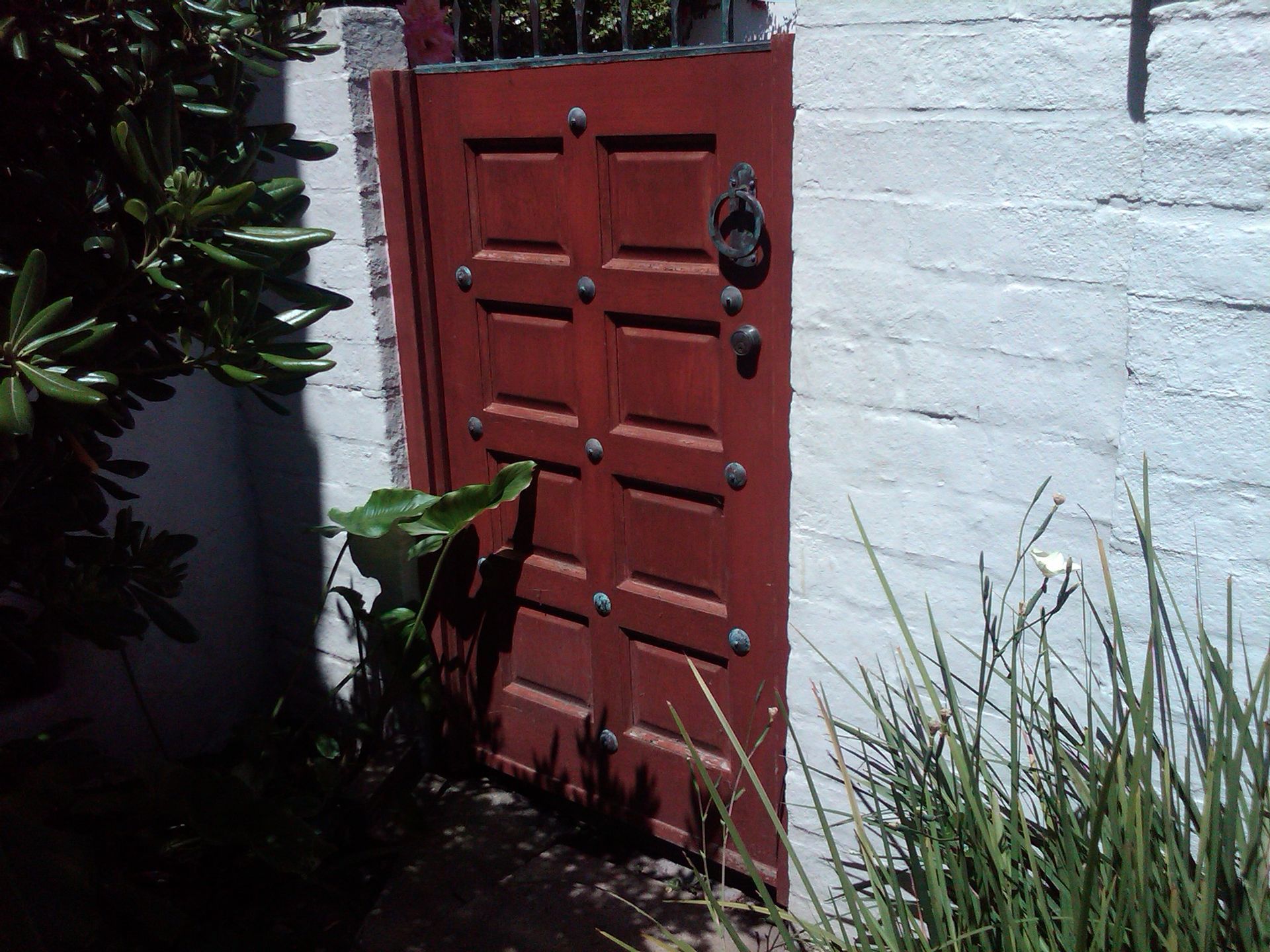
Original entry doors, porch details, and railings may also be worth preserving. Matching older profiles isn't always simple, and restoration can retain their character.
When Wood Damage Calls for More Than a New Finish
Soft or Rotted Wood
Soft, crumbling, or decayed wood may not reliably hold paint or fasteners. Localized damage may be repairable, but extensive rot often calls for replacement. Correct the moisture source, too.
Deep Splits and Loose Connections
Deep splits, warping, and loose connections may affect function and safety, especially on decks, stairs, posts, and railings. A qualified professional should evaluate questionable structural or fall-protection components before cosmetic work.
When Refinishing Makes More Sense
Refinishing suits sound wood when you want its natural grain to remain visible. It may involve cleaning, removing worn stain, sanding, and applying a compatible protective finish.
This can work well for entry doors, porch details, or stained decking. However, stripping opaque paint can be labor-intensive, and the exposed wood may look uneven. Discuss the likely result before committing to a transparent finish.
When Repainting Is the Practical Choice
Repainting makes sense for sound, previously painted wood, particularly when a consistent appearance is desired across trim, railings, and entry surrounds.
Preparation may include scraping, sanding, minor repairs, and priming exposed wood. Paint provides an opaque finish but cannot strengthen decay or resolve moisture problems. Recoating sound paint is often simpler than stripping it for stain.
When Repair or Replacement Is Worth the Cost
Replacement doesn't have to mean rebuilding everything. Damaged entry trim or individual deck boards may be replaceable while surrounding sound materials remain.
Unstable railings, compromised stairs, weakened posts, and widespread rot may require extensive repairs. Compare preparation and repair costs against replacement, but never let a cheaper cosmetic treatment override safety.
Porches, Decks, and Entryways Need Different Attention
Porches and railings have columns, handrails, and joints that can trap moisture. Inspect connections and hidden decay.
Decks and stairs face traffic, sun, and standing water. Check boards and supports before choosing a coating.
Entry doors and trim may have worn edges, damaged thresholds, or failing joints. Sound original doors can be worth refinishing, while deteriorated framing needs repair.
Coastal Exposure Changes the Maintenance Conversation
Coronado's salt residue, humidity, sunlight, and wind-driven moisture affect exposed finishes. A sheltered entry may age differently than an open deck.
Clean contamination, address moisture, and allow wood to dry before recoating. Transparent finishes may need more frequent upkeep than some opaque systems. Choose based on wood species, existing coating, exposure, and desired appearance.
Previous Coatings Can Limit Your Options
Determine whether the wood is painted, stained, sealed, or unfinished. New products can fail over loose or incompatible coatings.
Converting painted wood to a natural stain may require extensive stripping, while sound paint may be easier to recoat. Coating history helps establish realistic options.
Preserve Original Woodwork When Practical
Some Coronado homes have distinctive columns, doors, and trim worth retaining. Generic replacements may change their character.
For designated historic properties, Coronado's preservation requirements may affect exterior alterations. Also, projects disturbing paint in homes built before 1978 can be subject to EPA lead-safe renovation requirements. Confirm any applicable requirements before sanding or removing older coatings.
What Should Happen Before Refinishing or Repainting?
- Inspect the wood: Check for softness, rot, splitting, warping, and loose connections.
- Review the existing finish: Identify peeling paint, worn stain, and coating buildup.
- Find moisture problems: Look for runoff, failed joints, irrigation exposure, or trapped water.
- Choose necessary repairs: Decide which sections can be preserved and which require replacement.
- Complete repairs first: Address damaged boards, trim, joints, and structural concerns.
- Prepare the surface: Clean, remove failing coatings, sand as appropriate, and allow drying.
- Select a compatible finish: Match the primer, paint, stain, or sealer to the wood and exposure.
- Apply the finish: Coat only when the wood is sound, dry, and properly prepared.
The exact preparation varies. Structural damage and significant moisture problems should be resolved by qualified professionals before finishing begins.
Is Refinishing Older Wood Worth It?
Refinishing or repainting makes sense when wood remains sound and preparation costs are reasonable. Replacement becomes more practical when deterioration is widespread, safety is affected, or repeated repairs are uneconomical.
Compare the initial price, expected appearance, and future maintenance. Preserving sound original wood may offer better value, while recoating seriously damaged material can merely postpone repairs.
Restore or Repaint Your Coronado Exterior Woodwork
Chism Brothers Painting can help Coronado homeowners assess coating condition, preparation needs, and whether sound porch, deck, or entry wood is suitable for refinishing or exterior painting. Necessary structural or carpentry repairs should come first.
Explore our Coronado painting services or request a free painting estimate to discuss a practical approach for your woodwork.




Tell us about your project
Tell Us About Your Project
Contact us today to schedule a visit from one of our estimators! We’ll come to your home and provide a detailed estimate.
(858) 454-3850