Cracks Around Windows and Doors? What Carmel Valley Homeowners Should Fix Before Repainting
Last Updated: October 23, 2026
Before repainting cracks around exterior windows and doors, homeowners should determine whether the problem involves aging caulk, surface-level cracking, damaged stucco, or gaps that may allow moisture to enter.
Cracks around windows and doors are common places to notice exterior wear. Some are relatively simple maintenance issues, while others may indicate that sealants, surrounding materials, or previous repairs are failing. Covering these areas with fresh paint without addressing the cause can result in the same cracks appearing again.
For Carmel Valley homeowners, this is particularly relevant in properties that have undergone window replacements, exterior renovations, or previous repainting projects. Understanding what is cracking and why can help determine whether routine painting preparation is enough or additional repairs are needed.
Why Cracks Often Develop Around Windows and Doors
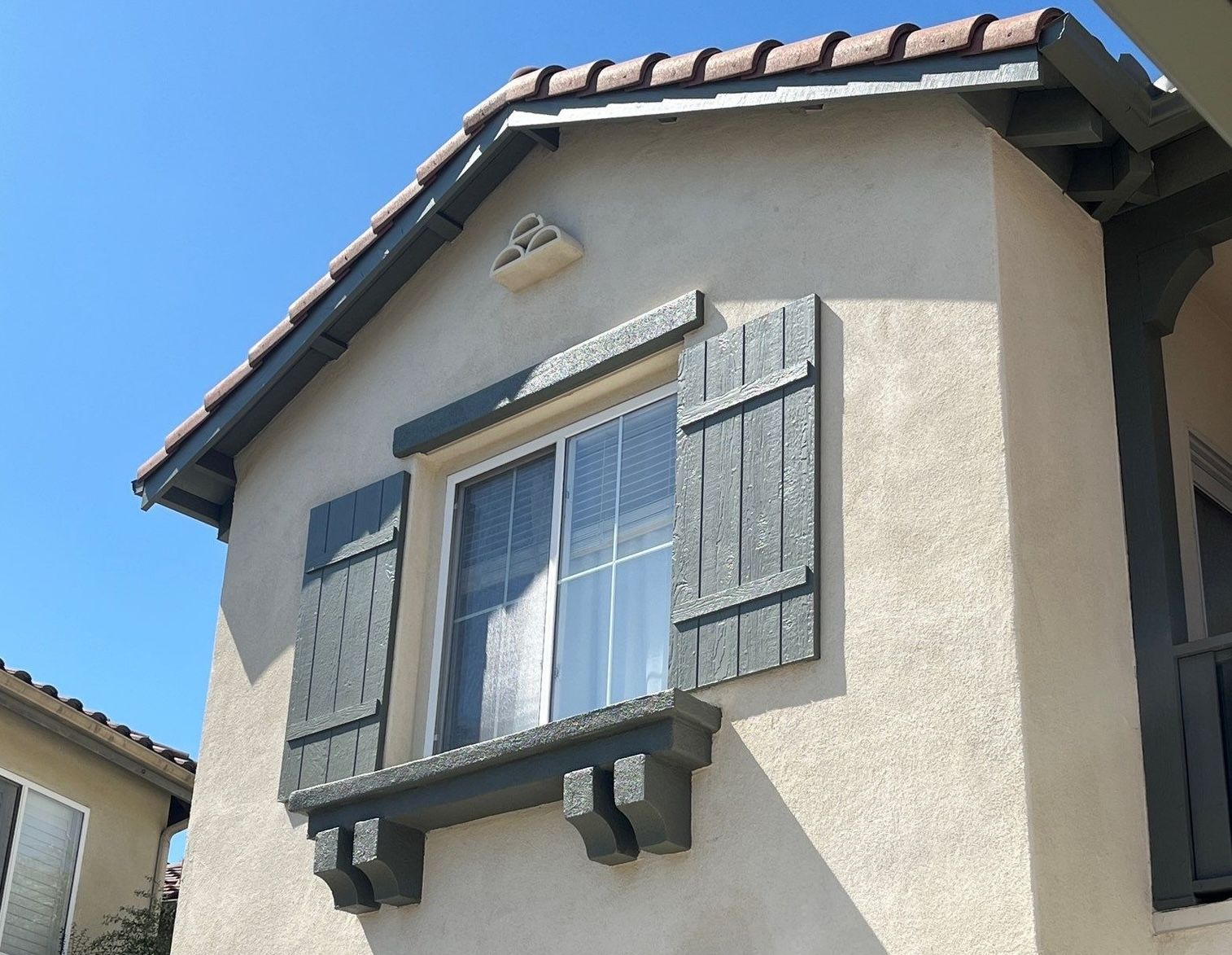
Windows and doors create transitions between different building materials. Frames, stucco, wood trim, caulking, and surrounding exterior surfaces may expand and contract differently as temperatures change.
Over time, sealants can lose flexibility, older repairs may separate, and small cracks can develop along these transitions. Normal building movement and years of weather exposure can also contribute to deterioration.
Not every crack indicates serious damage. Its location, appearance, and history are often more useful than its size alone when determining whether routine preparation or further investigation is needed.
Is It Cracked Caulk or Cracked Stucco?
One of the first things homeowners should identify is whether the crack is in the caulking around the opening or in the surrounding wall material. These problems may look similar from a distance but require different preparation.
Cracked or Separated Caulking
Failed caulk typically appears along the joint where a window or door frame meets the stucco or trim. It may look split, shrunken, brittle, or separated from one side of the joint.
Depending on the condition and joint design, deteriorated sealant may need to be removed and replaced with an appropriate product before painting. Simply brushing paint over the gap will not restore the sealant's flexibility or adhesion.
Cracks in the Surrounding Stucco
Stucco cracks occur in the wall material itself rather than just the flexible joint. Small surface cracks may be manageable during normal exterior painting preparation, while wider, spreading, or recurring cracks may need additional attention.
The distinction matters because caulking and stucco repairs are not interchangeable. The correct repair depends on the material, the location of the crack, and whether the surrounding surface is stable.
When Small Cracks May Be Routine Maintenance
Some cracking develops gradually as exterior materials age. Small, stable surface cracks or deteriorated paintable caulk may be addressed through ordinary painting preparation when the surrounding materials are sound.
For example, an isolated crack along an older caulk joint may only require removing the failed material, preparing the joint, and applying suitable replacement sealant. Minor surface cracking may also be repairable without extensive work.
However, routine maintenance still requires proper preparation. Painting directly over split caulk, loose coatings, or open cracks is unlikely to produce a lasting result.
Warning Signs That More Than Paint May Be Needed
Certain conditions deserve closer inspection because they may indicate material deterioration, moisture exposure, or movement beyond normal surface wear.
Widening gaps, cracks extending diagonally from window corners, loose trim, soft wood, recurring stains, and bubbling paint can all suggest that further evaluation is needed. Cracks that repeatedly reopen after repairs are another reason to investigate.
Homeowners should also pay attention if windows or doors become difficult to open or close, particularly when the problem appears alongside new or changing cracks.
These symptoms do not automatically indicate structural damage. However, persistent or worsening conditions may require evaluation by a qualified window, waterproofing, or building professional before repainting.
Failed Sealants Can Allow Moisture Into Vulnerable Areas
Exterior sealants help protect designated joints around windows and doors from water intrusion. When they crack, shrink, or separate, moisture may reach vulnerable areas behind the surrounding paint or trim.
Over time, this can contribute to staining, peeling paint, deteriorated wood, or repeated coating failure. Applying fresh paint over a compromised joint does not correct the underlying problem.
It's also important to understand that not every visible opening should be sealed. Window drainage paths, weep holes, and manufacturer-designed openings must remain functional.
Proper sealing means protecting the correct joints using suitable materials, not filling every gap around a window or door.
Previous Window and Door Replacements May Leave Problem Areas
Established Carmel Valley homes may have undergone window or door replacement since they were originally built. These improvements can leave behind patched stucco, replacement trim, older caulk lines, uneven textures, or transitions between different materials.
When surrounding repairs are not properly prepared or sealed, cracks may develop around the opening. Paint may also fail where new materials meet older surfaces.
This is especially worth checking around replacement windows, sliding patio doors, and entry doors. Homeowners should inspect the surrounding repairs before assuming the cracking is simply an aging paint problem.
Check for Moisture Damage Around Frames and Trim
Cracks become more concerning when accompanied by evidence of moisture exposure. Water may enter through deteriorated seals, poorly detailed exterior transitions, or other problems around the building envelope.
Homeowners should look for staining below windows, peeling paint near trim, swollen or softened wood, and areas that remain damp or repeatedly deteriorate. Sprinkler overspray and roof runoff can also contribute to moisture problems around exterior openings.
If moisture is actively affecting the area, the source should be identified and corrected before painting. A new coating may improve the appearance temporarily, but it cannot replace proper waterproofing or damaged-material repairs.
Why Cracks Sometimes Return After Repainting
If cracks repeatedly appear in the same location, the original cause may not have been adequately addressed.
For example, a previous repaint may have covered deteriorated caulk, or a rigid patching material may have been used in a joint that needs flexibility. Cracks may also return when surrounding stucco, trim, or older repairs remain unstable.
Even high-quality paint cannot prevent ongoing separation between materials. When cracking returns, homeowners should reconsider the repair method rather than simply applying another coat.
What Should Be Repaired Before Exterior Painting?
Before scheduling exterior painting, homeowners can use this checklist to identify areas that may need attention:
- Inspect the cracking: Determine whether it involves caulking, stucco, wood trim, or another material.
- Check for moisture: Look for staining, soft materials, and recurring paint failure.
- Evaluate previous repairs: Identify loose patches, uneven stucco, or deteriorated sealants.
- Address underlying problems: Correct water intrusion, damaged materials, or significant movement before painting.
- Repair affected surfaces: Replace failed sealant and repair stucco or trim using methods appropriate for the material.
- Prepare for paint: Clean, remove loose coatings, sand, and prime repaired surfaces as needed.
- Repaint: Apply the appropriate exterior coating once repairs are complete and surfaces are ready.
The exact scope depends on the condition of each opening. Some homes may only need routine preparation, while others require specialized repairs before painting can proceed.
Will Repairs Around Windows and Doors Require More Painting?
Repairing a crack does not automatically mean the entire house needs repainting. Small caulk repairs or isolated stucco patches may only need localized touch-ups when the surrounding paint remains in good condition.
However, larger repairs can be difficult to blend into an older exterior finish. Differences in stucco texture, faded paint, and changes in sheen may cause fresh paint to stand out.
If several windows or doors require repairs, repainting the surrounding wall section or elevation may create a more consistent appearance than numerous individual touch-ups.
The appropriate scope depends on the size and visibility of the repairs, the age of the existing paint, and the homeowner's expectations for the finished result.
Inspect Other Windows and Doors Before Scheduling a Repaint
When one window or door has deteriorated caulking or surrounding cracks, it's worth checking other openings before painting begins.
Windows installed around the same time may have experienced similar weather exposure, and older trim or sealant may show comparable wear elsewhere. However, that does not mean every opening will need the same repair.
A full exterior walkaround helps identify concerns before the painting crew begins preparation. It can also prevent homeowners from discovering additional repair needs after the project is already underway.
Fix Cracks Before Repainting Your Carmel Valley Home
Cracks around windows and doors should be evaluated before fresh exterior paint is applied. Chism Brothers Painting can help identify preparation needs involving stucco, trim, caulking, previous repairs, and aging coatings while determining which areas may require additional attention before repainting.
As an experienced Carmel Valley painting company, Chism Brothers Painting can help you plan the appropriate preparation and painting scope for your home. Request a free painting estimate to address visible problem areas and refresh your exterior with a properly prepared finish.

Tell us about your project
Tell Us About Your Project
Contact us today to schedule a visit from one of our estimators! We’ll come to your home and provide a detailed estimate.
(858) 454-3850