Should You Paint Your El Cajon Home All at Once or in Phases?
Last Updated: July 30, 2026
Painting your El Cajon home all at once may make sense if several areas need attention, but phased painting can work well when budget, timing, disruption, or exterior condition makes it better to prioritize the most urgent areas first.
There is no single right answer for every home. Some homeowners want to refresh the entire property at one time, while others prefer to spread the work out by room, exterior side, or project type.
El Cajon homes can deal with strong sun exposure, aging stucco, worn trim, interior wear, and exterior areas that age at different rates. Deciding between a full painting project and a phased plan usually comes down to what needs protection now, what can wait, and how much disruption the household can manage.
Why Homeowners Consider Painting in Phases
Painting in phases can help homeowners manage cost, timing, and disruption. Not every part of the home may need attention at the same time, especially if some rooms or exterior areas are still in good condition.
Homeowners may phase a painting project because of budget planning, work schedules, family routines, interior disruption, exterior repairs, weather timing, or rooms that are used more often than others. Phasing can also make sense when one side of the exterior is failing sooner than the rest of the home.
A phased plan can be a smart approach when it is intentional. It becomes a problem when homeowners keep delaying areas that are already peeling, exposing wood, or allowing moisture into gaps that should be sealed.
When Painting the Whole Home at Once Makes Sense
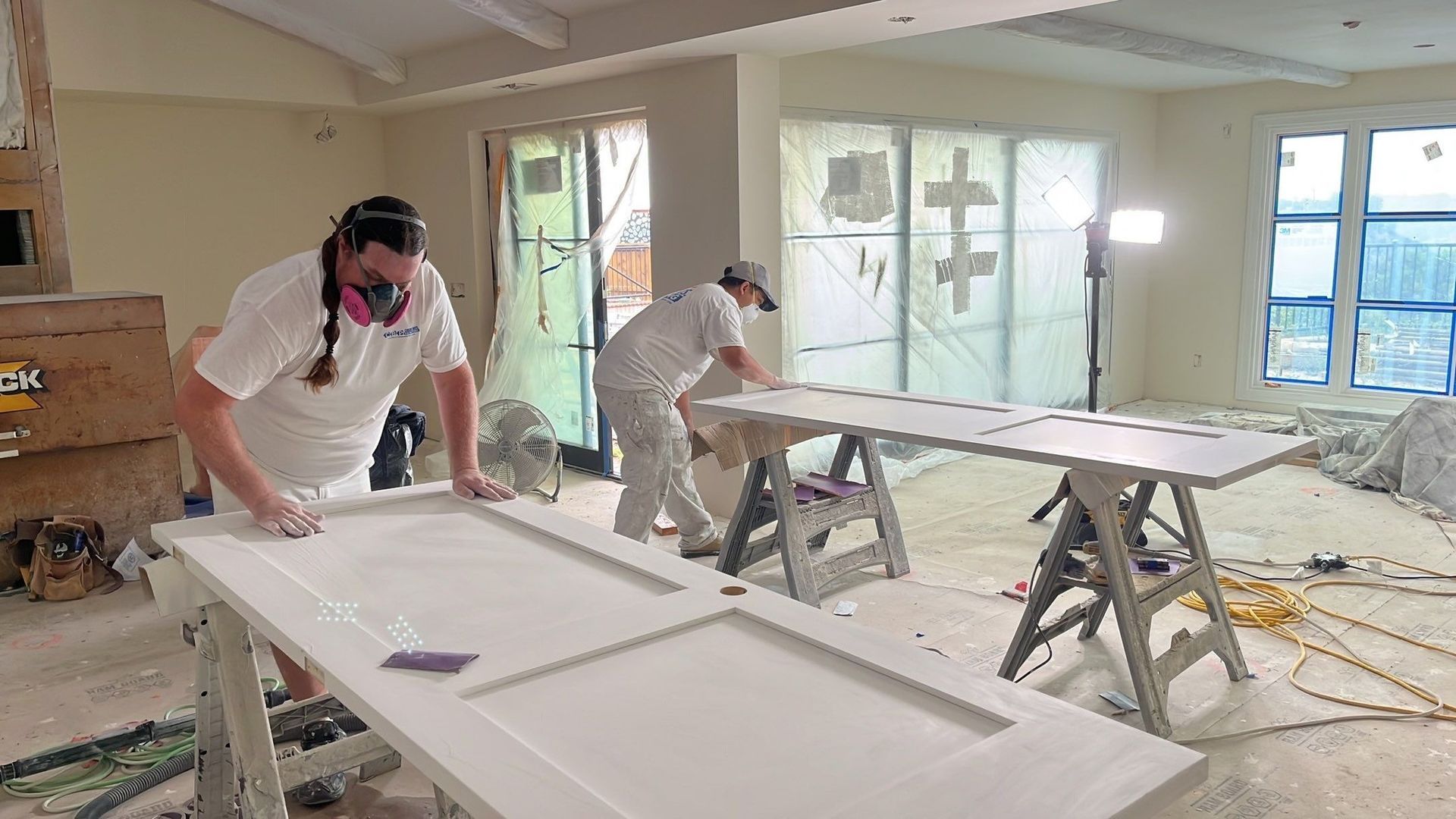
Painting everything at once can be a good choice when multiple areas need attention, the homeowner wants a consistent finish, or the project is part of a larger home update.
This approach may make sense if the exterior paint is fading, chalking, or peeling in several areas. It may also be the better option if interior walls and trim are worn throughout the home, the home is being prepared for sale, or the homeowner wants consistent colors and finishes from room to room.
Painting all at once can reduce repeated scheduling, setup, masking, and cleanup. It can also help the home feel more cohesive when the project is complete. Instead of returning for several smaller projects, the crew can plan the full scope and complete the work in a more coordinated way.
When Phased Painting May Be the Better Option
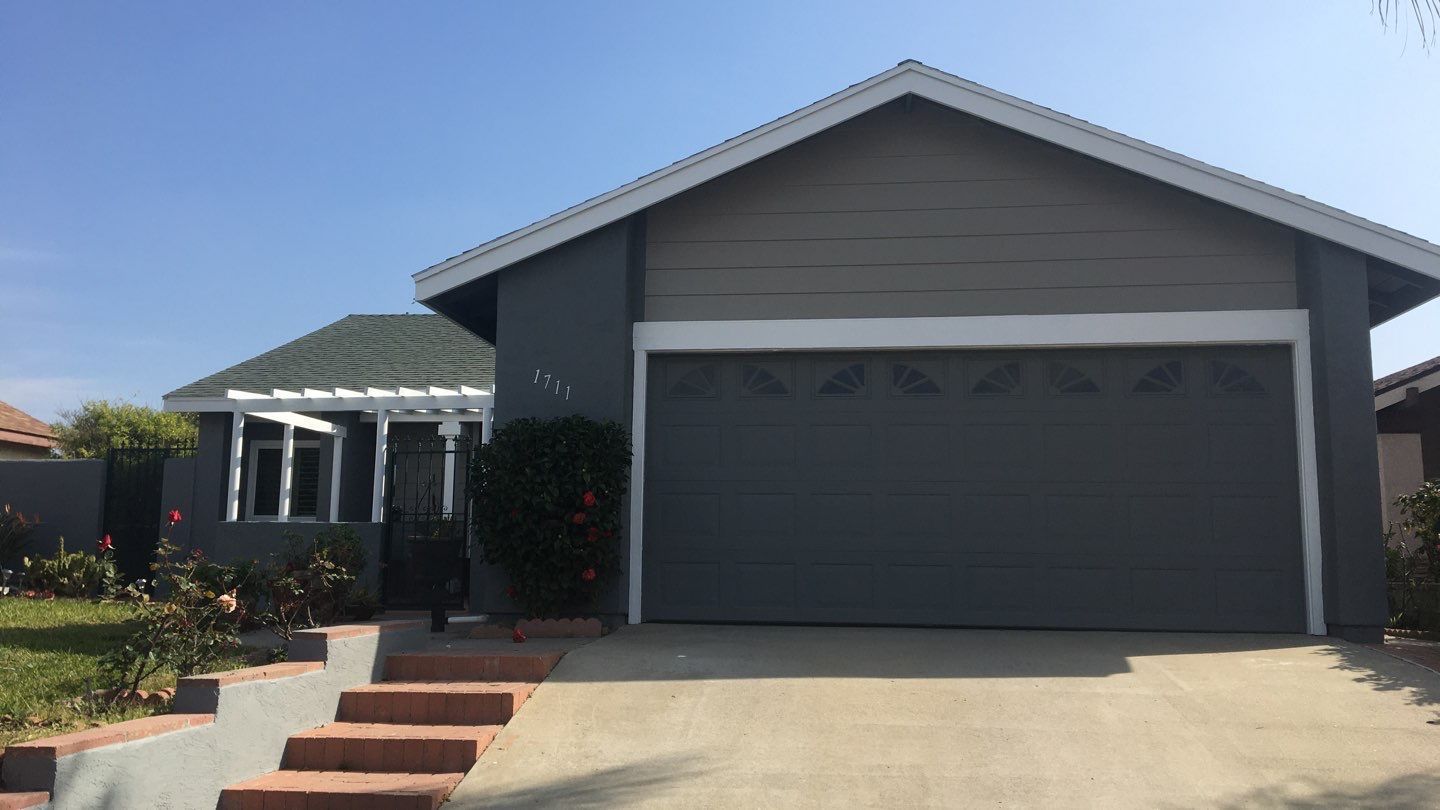
Phased painting can make sense when some areas need attention sooner than others. For example, the exterior may be failing while the interior still looks good, or high-use interior rooms may need repainting before bedrooms or less visible spaces.
This approach may be a better fit if the budget needs to be spread out, the homeowner wants to limit disruption, or only certain rooms are worn or outdated. Phasing can also work well when one side of the exterior is aging faster from sun exposure or when repairs need to happen before some areas can be painted.
It can also be helpful when the homeowner is planning other projects first, such as flooring, cabinetry, stucco work, trim repair, fascia replacement, or landscaping changes. The main point is that phased painting works best when the most urgent areas are handled first.
Start With the Areas in the Worst Condition
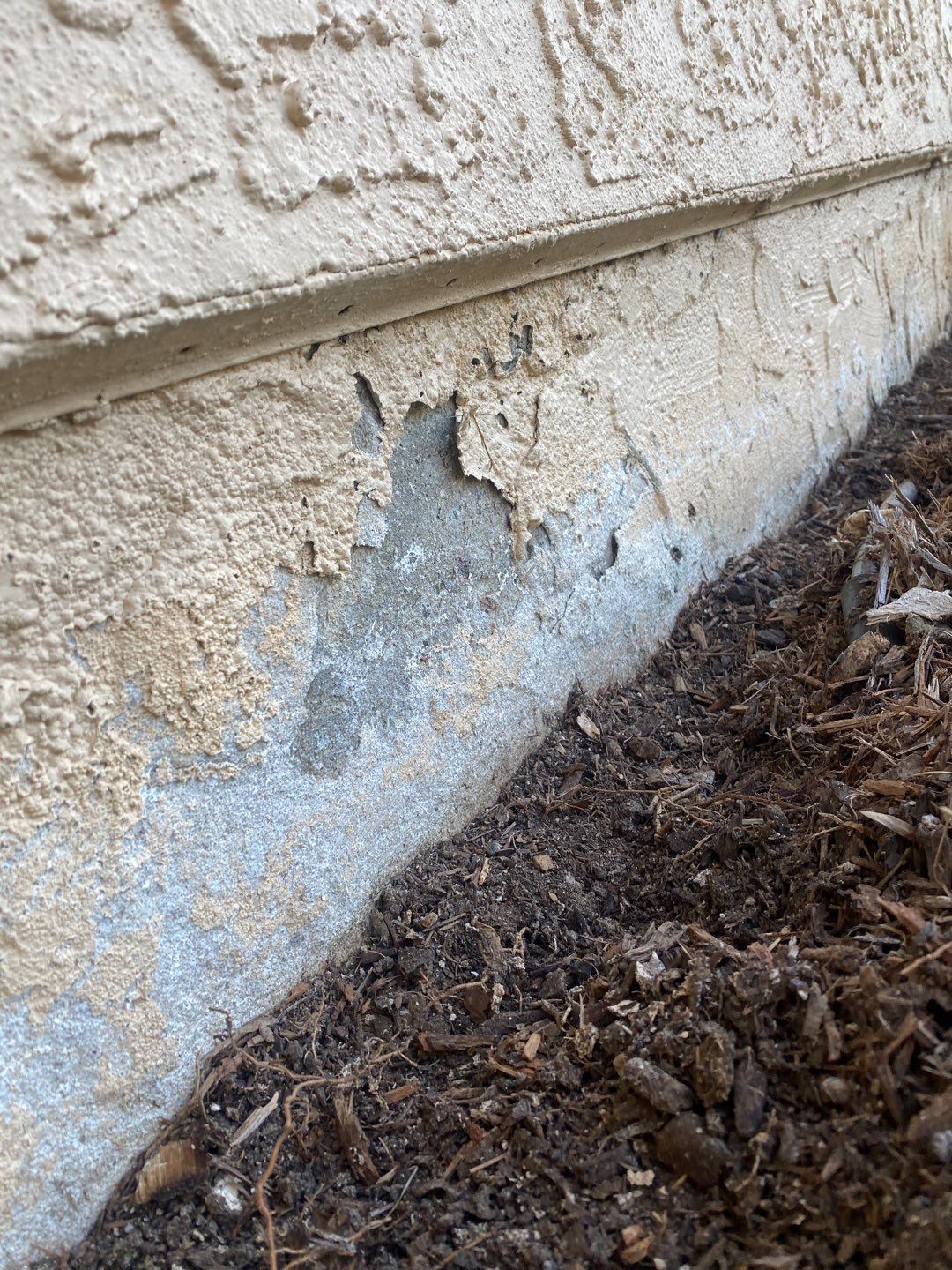
Condition should usually drive the decision more than convenience. If paint is failing, peeling, exposing wood, or allowing moisture into gaps, those areas should move to the top of the list.
For exterior projects, homeowners should prioritize:
- Peeling or bubbling paint
- Exposed wood
- Failing caulk
- Damaged trim or fascia
- Stucco cracks or patchy areas
- Heavy fading or chalking
- Areas hit by sprinklers or trapped by landscaping
For interior projects, homeowners should prioritize scuffed main living areas, kitchens and bathrooms, damaged drywall, patched walls, trim and doors with visible wear, rooms with bold or outdated colors, and areas that will be photographed before selling.
The goal is to address the areas that affect protection, daily use, and first impressions first. Cosmetic updates can often wait, but surfaces that are actively wearing down should not be ignored for too long.
Consider Budget Without Delaying Needed Maintenance
Budget is one of the biggest reasons homeowners consider phasing a painting project. That is reasonable. Painting can be a significant investment, and not every homeowner wants or needs to complete the entire home at once.
However, a phased plan should not ignore areas that are already failing. Waiting too long on damaged exterior surfaces can make the project more expensive later. Peeling paint, exposed wood, cracked caulk, and stucco damage can lead to more scraping, priming, repair, and prep work if left alone.
The takeaway is simple: phase the project if needed, but do not postpone the areas that are actively deteriorating. A smaller project completed at the right time can sometimes prevent a larger repair-heavy project later.
Think About Interior Painting Disruption
Interior painting can affect daily routines. Furniture may need to be moved, rooms may be temporarily unavailable, and homeowners may need to plan around work-from-home schedules, pets, children, or guests.
Phasing interior painting by room or zone can make the project easier to live through. For example, homeowners may start with main living areas, then bedrooms, then bathrooms, doors, or trim.
Painting everything at once may be more efficient, but phased painting can be less disruptive if the household needs to stay fully functional during the project. This is especially helpful when the home is occupied and the homeowner wants to avoid having several rooms under work at the same time.
Think About Timing for Exterior Painting
Exterior painting depends on weather, surface condition, repairs, and access. El Cajon’s warm, sunny climate can offer many workable painting windows, but strong sun and hot surface temperatures still need to be managed.
Some exterior areas may age faster than others. South- and west-facing walls, fascia, front doors, garage doors, and trim may need attention before shaded areas. If only one side of the home is showing heavy wear, a phased plan may make sense.
However, if there is widespread peeling, chalking, failing caulk, exposed wood, or stucco damage across several areas, a more complete repaint may be the better long-term option. Exterior phasing should protect the home, not simply delay necessary maintenance.
Coordinate Painting With Other Home Projects
Painting should be coordinated with other repairs or improvements. If homeowners are planning flooring, drywall work, cabinetry, stucco repair, fascia replacement, landscaping changes, or irrigation adjustments, those projects may need to happen before painting.
A simple rule is that repairs and messy work usually come before final paint. This helps prevent freshly painted surfaces from being scratched, patched, cut into, or covered with dust.
Phasing can be useful when several projects are happening over time. A homeowner may complete exterior repairs first, paint the most exposed exterior areas next, then handle interior rooms later. The right order depends on what work will affect the finished paint.
How to Build a Smart Phased Painting Plan
A phased painting plan should still feel intentional. If colors, finishes, and timing are not planned together, the home can end up looking patchy or unfinished.
A practical phased plan often looks like this:
- Identify areas where paint is failing or surfaces are exposed.
- Separate urgent repairs from cosmetic updates.
- Prioritize exterior protection before purely visual updates.
- Group rooms or exterior areas to reduce repeated setup.
- Coordinate painting with repairs, flooring, cabinets, landscaping, or irrigation changes.
- Choose colors with the full home in mind, even if the work happens in stages.
- Create a realistic timeline for the remaining phases.
Even when the work happens over time, the final result should still feel planned. The goal is to protect the home, control disruption, and avoid a patchwork approach that creates more work later.
Talk With an El Cajon Painting Company Before Deciding
Homeowners do not need to decide the full order alone. A professional painter can help identify which areas need immediate attention, which areas can wait, and how to group the work efficiently.
Speaking with an experienced El Cajon painting company can help you understand whether a full repaint or phased plan makes more sense based on your home’s condition, repairs, access, sun exposure, and project timing.
Chism Brothers Painting can help evaluate interior and exterior paint condition before recommending a practical plan that fits the home instead of assuming everything needs to be painted at once.
Plan Your El Cajon Painting Project With Chism Brothers Painting
If you are unsure whether to paint everything at once or in phases, Chism Brothers Painting can help review your home’s condition and prioritize the work. This may include exterior painting, interior painting, trim work, fascia repairs, stucco prep, or specific rooms that need attention first.
Reach out today for a
free, no-obligation estimate. Chism Brothers can give you honest guidance on what should be painted now, what can wait, and how to plan the project in a way that fits your budget, timing, and household needs.
Tell us about your project
Tell Us About Your Project
Contact us today to schedule a visit from one of our estimators! We’ll come to your home and provide a detailed estimate.
(858) 454-3850