Mildew, Moisture, or Failing Paint? What Encinitas Homeowners Should Look For
Last Updated: August 20, 2026
Discoloration or growth on shaded exterior surfaces may only need cleaning, but bubbling, peeling, recurring stains, soft wood, cracked stucco, or failed caulk may point to moisture damage or paint failure that should be repaired before repainting.
Exterior staining does not always mean the home needs to be repainted right away. Some marks are surface-level dirt, mildew, or residue. Others are clues that moisture is getting behind the paint, the existing coating is failing, or the surface underneath needs repair.
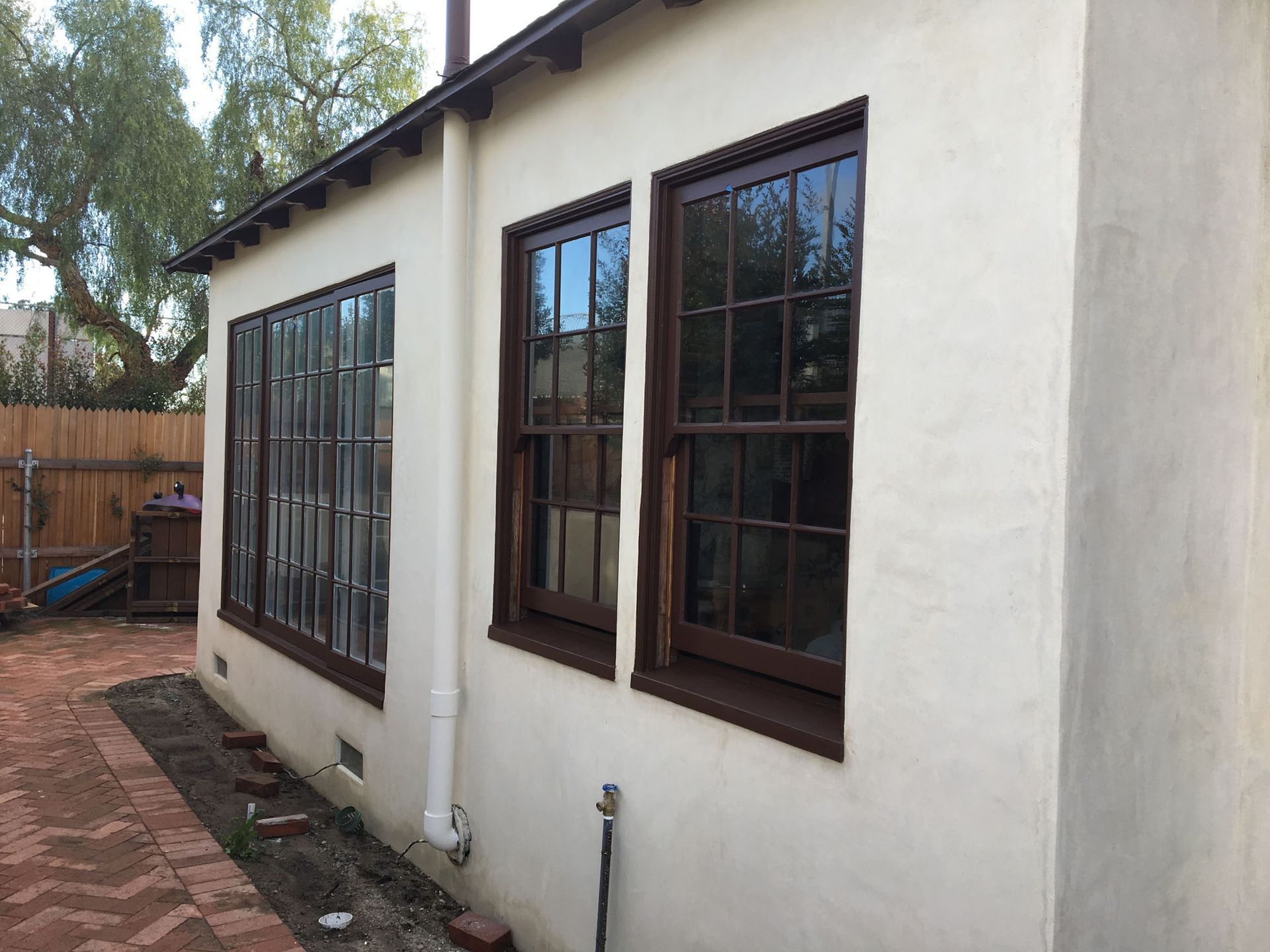
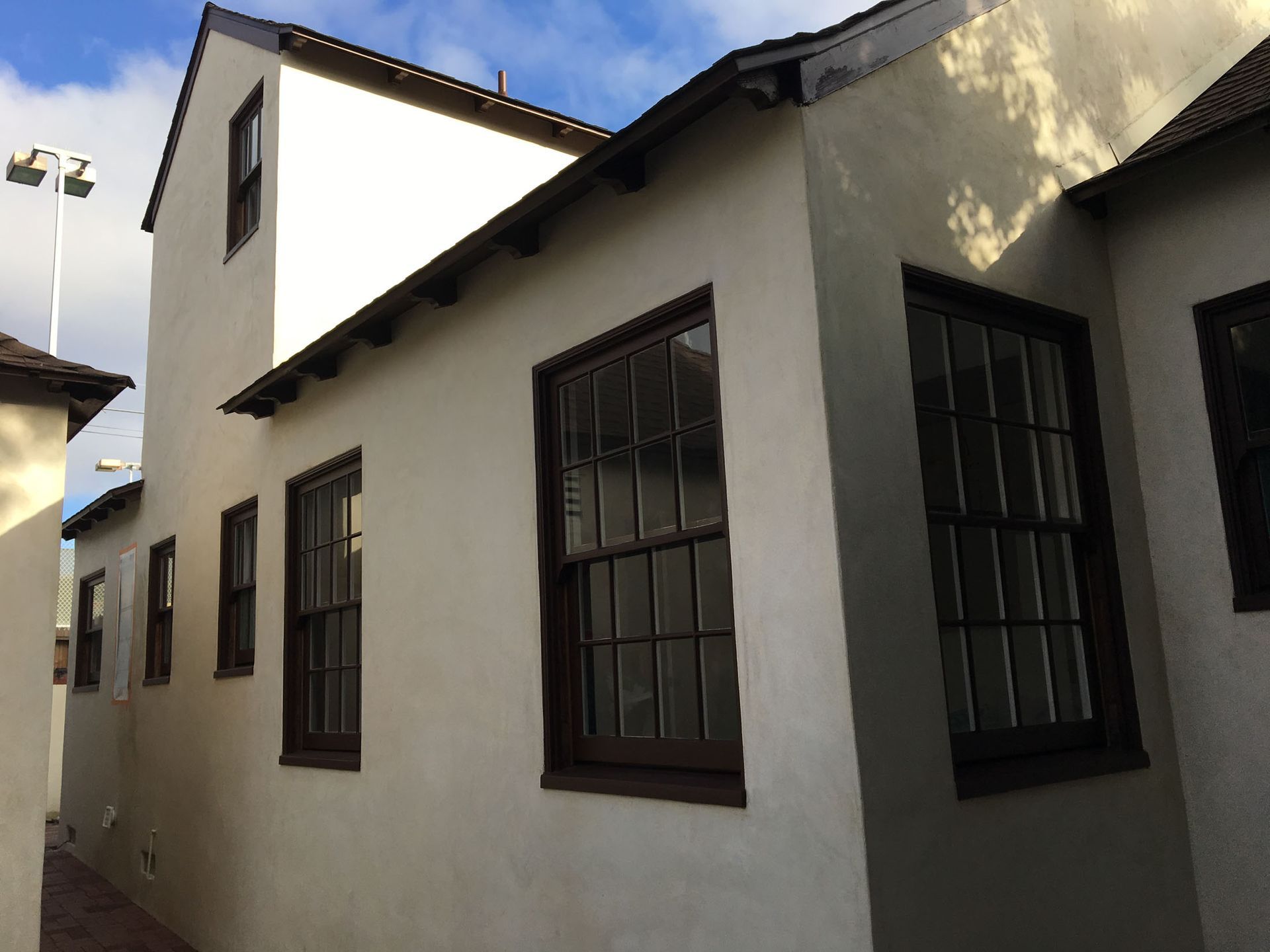
Encinitas homes can be affected by coastal moisture, marine layer, shade, mature landscaping, and irrigation. These conditions often show up first on sides of the home that do not dry as quickly, especially around stucco, trim, windows, doors, and shaded exterior walls.
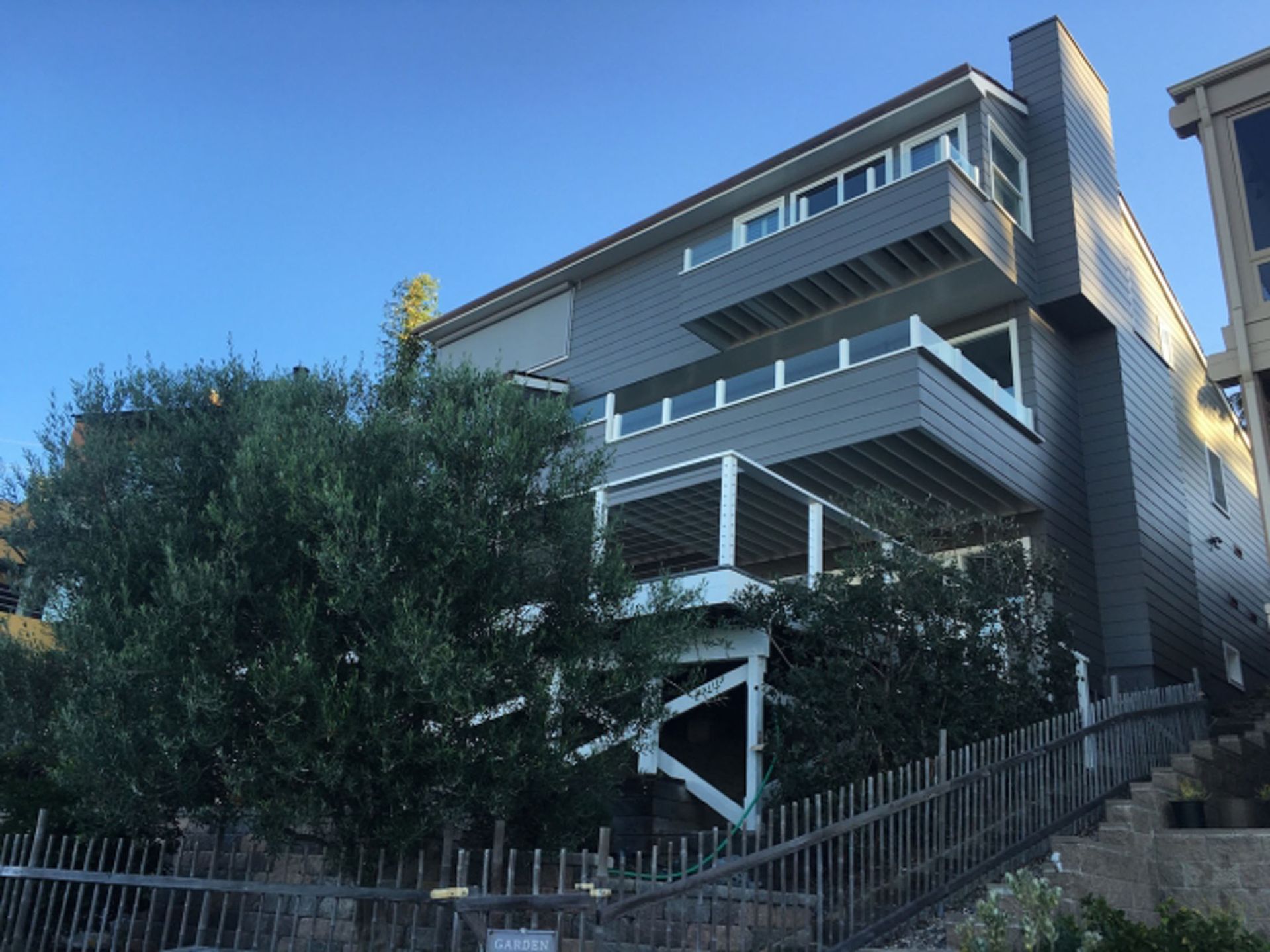
Why Shaded Exterior Surfaces Often Show Problems First
Shaded areas may stay damp longer after marine layer, rain, irrigation, or morning moisture. When a surface does not dry quickly, staining, mildew, peeling, or paint wear can become more noticeable.
Common shaded problem areas include:
- North-facing walls
- Walls behind hedges or vines
- Lower stucco areas near sprinklers
- Window and door trim
- Eaves and soffits
- Side yards with limited airflow
- Areas under balconies, patios, or overhangs
- Exterior surfaces near dense landscaping
Shade itself is not usually the problem. The issue is often shade combined with moisture, limited airflow, failing caulk, surface residue, or aging paint. That combination can make one area of the home look worse than the rest, even if the full exterior does not need repainting yet.
When It May Just Be Dirt, Mildew, or Surface Growth
Some discoloration is surface-level and may not require repainting. Dirt, mildew, algae-like growth, or residue can collect on shaded stucco, trim, siding, walls, and painted surfaces, especially where moisture lingers.
The issue may be surface-level if you notice:
- Dark or greenish discoloration on the paint surface
- Staining that wipes or washes off
- Growth mostly in shaded or damp areas
- Paint that still feels bonded and intact
- No bubbling, peeling, cracking, or soft wood nearby
Cleaning may be the right first step if the paint underneath is still sound. However, homeowners should be careful with aggressive washing or harsh chemicals. The wrong approach can damage paint, force water into gaps, or scar stucco and trim that only needed gentle cleaning.
When Staining May Point to a Moisture Problem
Moisture problems often show up as recurring stains, darker areas, bubbling paint, peeling near joints, or damage around windows, doors, lower walls, and trim. These signs may mean water is getting behind the paint or staying against the surface too long.
Possible moisture sources include:
- Sprinklers hitting the home
- Dense plants trapping moisture
- Failed caulk around windows or doors
- Cracks in stucco
- Leaky gutters or roofline issues
- Poor drainage near the home
- Damp surfaces that do not dry between exposure cycles
Repainting will not solve a moisture issue if the cause is still active. The surface may look better briefly, but the staining, peeling, or bubbling can return if water continues getting behind the paint or sitting against the same area.
When the Paint Itself May Be Failing
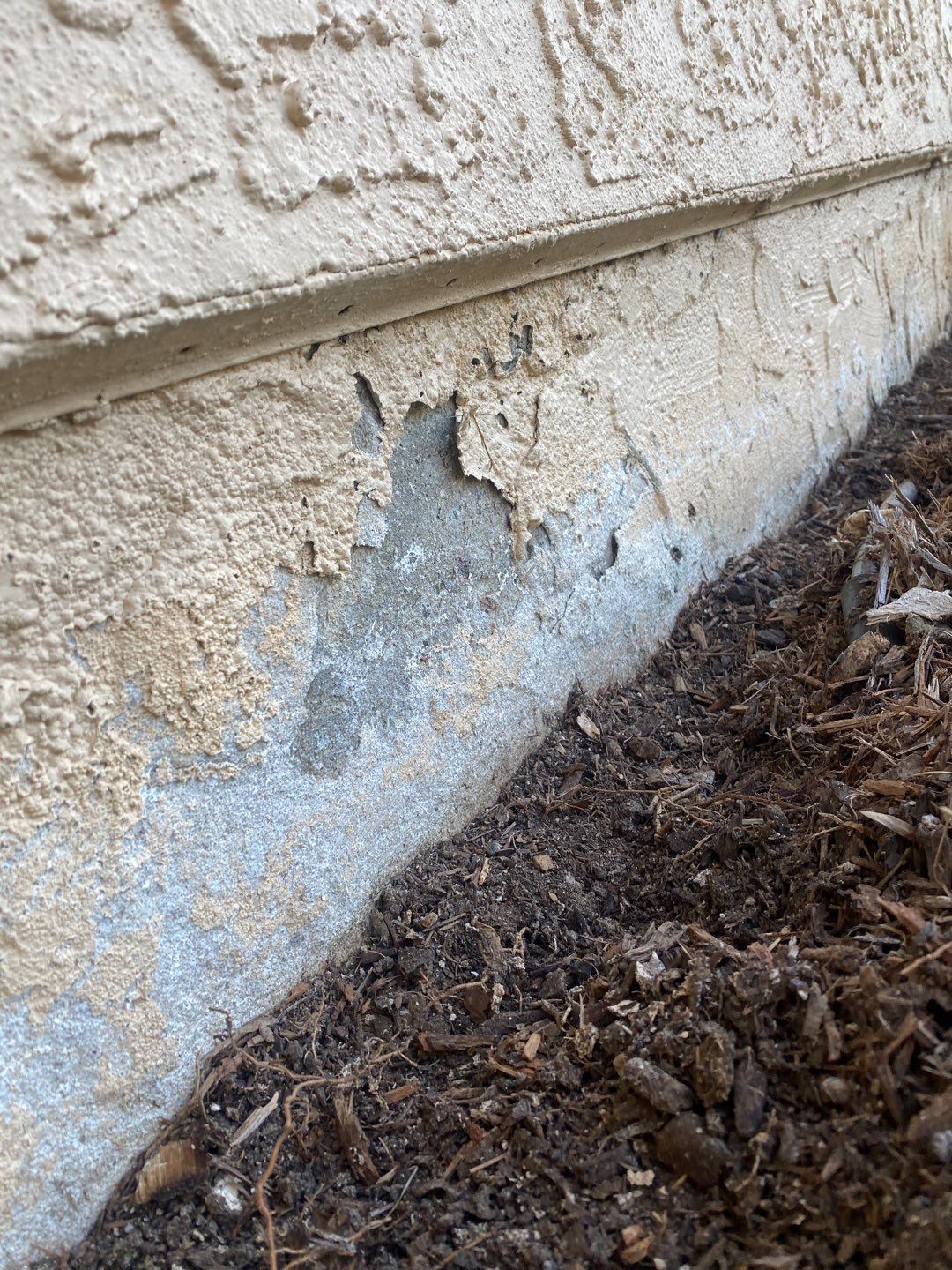
Failing paint means the coating is no longer bonded, protective, or stable. This may happen because of age, poor surface prep, previous paint layers, moisture, sun exposure, or incompatible coatings.
Common signs of failing paint include:
- Peeling or flaking
- Bubbling or blistering
- Cracking or checking
- Paint lifting from older layers
- Chalking or powdery residue
- Bare wood or exposed substrate
- Repeated failure in the same area
Failing paint usually needs more than cleaning. Loose paint must be removed, the surface must be prepared, and bare or repaired areas may need primer before repainting. If the paint is peeling because of moisture or damaged material underneath, those issues should be corrected first.
Look at the Pattern, Not Just the Stain
The pattern of the problem can help homeowners understand what may be happening. One small shaded stain is different from widespread peeling across several exterior surfaces.
Common patterns include:
- Stains only in shaded areas: This may be mildew, dirt, or limited airflow.
- Stains near sprinklers: This may be irrigation overspray or mineral deposits.
- Peeling around windows or doors: This may point to failed caulk or moisture intrusion.
- Bubbling on lower walls: This may indicate trapped moisture or repeated wetting.
- Powdery residue on sunny walls: This may be chalking from paint aging.
- Recurring discoloration after cleaning: This may mean the moisture source has not been corrected.
Location and pattern matter as much as appearance. If the problem keeps returning in the same spot, the cause may be more than surface dirt.
Check the Surface Underneath Before Deciding to Repaint
The next step depends on the condition of the surface underneath the stain or failing paint. New paint needs a clean, dry, stable base.
Homeowners should look for:
- Paint that is still bonded versus paint that is lifting
- Stucco that is solid versus cracked or crumbling
- Wood trim that is firm versus soft or swollen
- Caulk that is sealed versus cracked or separated
- Stains that wash away versus stains that keep returning
- Damp areas that dry normally versus areas that stay wet
If the surface is sound, cleaning and maintenance may be enough for now. If the surface is damaged, peeling, soft, cracked, or damp, repair and prep should happen before repainting.
Cleaning May Be the Right First Step
If the issue appears to be mildew, dirt, or surface residue, cleaning may be the first step before deciding whether repainting is needed. A clean surface makes it easier to see the true condition of the paint underneath.
After cleaning, homeowners can better judge whether the paint is still intact or whether there are deeper problems such as peeling, bubbling, cracked caulk, stucco damage, or exposed wood. In some cases, a stained wall may look much better once the buildup is removed.
Cleaning should still be done carefully. Painted stucco, wood trim, and older coatings can be damaged by too much pressure or harsh products. If you are unsure whether the surface can handle cleaning, it may be worth asking a professional before pressure washing or scrubbing aggressively.
When Repairs Should Come Before Repainting
Repairs should happen first when the problem involves damaged material or an active moisture source. Painting over damage may make the home look better briefly, but the same problem can return.
Repairs or corrections may be needed if:
- Caulk has failed around windows, doors, or trim
- Stucco is cracked or deteriorating
- Wood trim is soft, swollen, or rotted
- Sprinklers are repeatedly hitting the wall
- Landscaping is pressed against the home
- Stains return soon after cleaning
- Paint is bubbling, peeling, or lifting
Repainting should happen after the cause has been corrected and the surface has been properly cleaned, dried, repaired, and primed where needed. That gives the new finish a better surface to bond to and reduces the chance of the same issue returning.
How Encinitas Conditions Can Affect Exterior Maintenance
Encinitas homes can experience different exterior wear depending on proximity to the coast, shade, landscaping, sun exposure, and airflow. Homes closer to coastal areas may see more moisture-related staining or residue, while more sun-exposed areas may show fading, chalking, or dry cracking.
Homeowners should not assume every side of the house needs the same solution. One side may need cleaning and improved airflow, while another may need repainting because of sun exposure and coating wear. A shaded wall behind landscaping may have surface growth, while a bright wall facing afternoon sun may show chalking or fading instead.
This is why exterior maintenance should be based on the home’s actual condition. Looking at each side separately helps homeowners avoid repainting too soon in one area while missing a repair issue in another.
What to Do Before Calling It a Paint Problem
A simple process can help homeowners avoid jumping straight to repainting when the issue may be cleaning or moisture-related.
Before deciding, follow these steps:
- Identify where the staining, growth, bubbling, or peeling is happening.
- Check whether the area is shaded, damp, near irrigation, or blocked by plants.
- Look for failed caulk, cracks, soft wood, or exposed surfaces nearby.
- Clean a small area safely to see whether the discoloration is surface-level.
- Watch whether the staining returns quickly.
- Have peeling, bubbling, or damaged areas evaluated before repainting.
- Correct moisture or surface issues before applying new paint.
This process helps separate surface-level staining from paint failure or moisture damage. It also helps homeowners ask better questions when requesting an estimate.
Talk With an Encinitas Painting Company Before Repainting
Homeowners should consider a professional evaluation if they are seeing recurring stains, bubbling, peeling, mildew-like growth, soft trim, cracked stucco, failed caulk, or paint that keeps failing in the same shaded area.
Speaking with an experienced Encinitas painting company can help you understand whether the issue is surface mildew, trapped moisture, failing paint, damaged wood, stucco deterioration, or preparation-related paint failure.
Chism Brothers Painting can inspect the affected surfaces and explain whether cleaning, repair, moisture correction, prep, or repainting should come next.
Get Exterior Stains and Paint Problems Evaluated Before Repainting
If you are unsure whether exterior discoloration is mildew, moisture, or failing paint, Chism Brothers Painting can inspect the affected surfaces and explain what should happen next. They can review shaded areas, stucco, trim, caulking, moisture clues, paint adhesion, and prep needs so the home is cleaned, repaired, or repainted in the right order.
Reach out today for a free, no-obligation estimate. Chism Brothers can give you honest guidance on whether repainting is needed now, whether cleaning or repair should happen first, and how to avoid covering up a problem that may return later.
Tell us about your project
Tell Us About Your Project
Contact us today to schedule a visit from one of our estimators! We’ll come to your home and provide a detailed estimate.
(858) 454-3850