Exterior Paint Damage in Chula Vista: What Needs Repair Before Repainting?
Last Updated: July 30, 2026
Exterior paint damage may be cosmetic if it is limited to fading, light chalking, or minor wear. However, peeling paint, stucco cracks, failing caulk, exposed wood, soft trim, or moisture stains should usually be repaired before repainting.
Not every paint issue means something serious is wrong with your home. Some wear is expected over time, especially on sun-facing walls, trim, doors, garage areas, and other exposed surfaces. Paint naturally ages as it deals with sunlight, moisture, dust, and everyday exterior conditions.
The bigger concern is painting over damage that should have been fixed first. If the surface underneath is cracked, loose, soft, wet, or failing, new paint may not bond well. For Chula Vista homeowners, where stucco exteriors and sun exposure are common, it helps to know what can usually be handled with prep and repainting and what should be repaired before paint is applied.
Why Painting Over Exterior Damage Can Cause Problems
Paint can refresh a home and help protect exterior surfaces, but it is not a repair product for every issue. If the surface underneath is damaged, the new paint may only hide the problem for a short time.
Painting over unresolved damage can cause peeling paint to return, cracks to show through again, moisture to get behind the coating, or the finished surface to look uneven. It can also lead to more prep and repair work later if the problem continues to spread.
The best
exterior painting projects start with a clear look at what needs cleaning, what needs prep, and what needs actual repair before paint goes on.
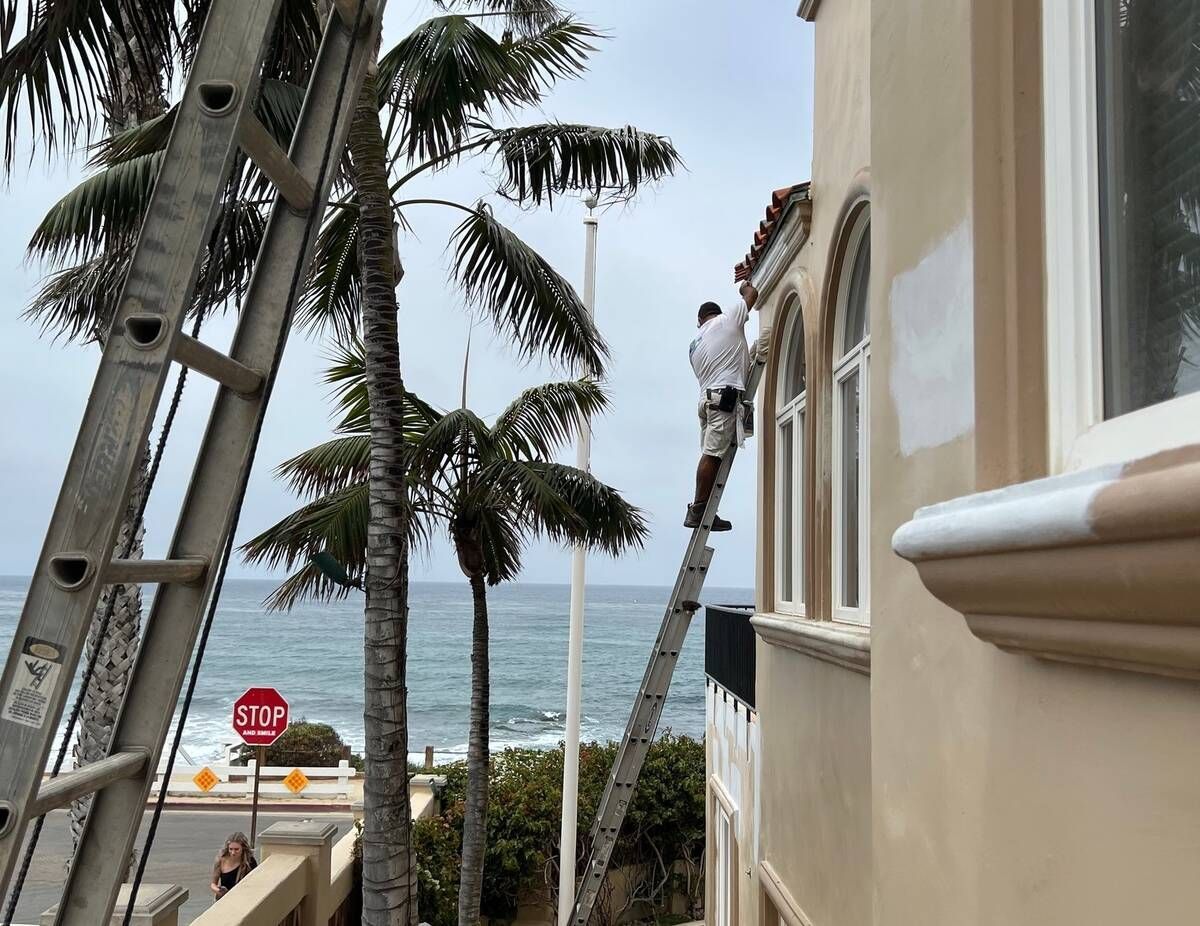
Exterior Paint Wear That May Be Mostly Cosmetic
Some exterior wear is normal and may not mean the home needs major repairs. These issues should still be checked, but they can often be handled through proper prep and repainting.
Fading or Uneven Color
Fading is common as paint ages, especially on areas with strong sun exposure. It can make the home look older or less cared for, but it does not always mean the surface underneath is damaged.
Fading is often a sign that repainting should be planned, especially if the color looks uneven across different sides of the home. Sun-facing walls, trim, doors, and garage areas may fade faster than shaded areas.
Light Chalking
Chalking happens when paint breaks down and leaves a powdery residue on the surface. Light chalking can be part of normal paint aging, especially on stucco or older coatings.
Even when chalking is not a major repair issue, it still needs to be cleaned before repainting. New paint may not bond well if the powdery residue is left on the surface.
Minor Scuffs or Surface Wear
Small scuffs, marks, or worn areas around doors, gates, railings, and high-use areas may be cosmetic if the surface underneath is still sound.
These areas may only need cleaning, sanding, spot priming, or touch-up painting if the rest of the exterior is in good condition. The key is making sure the surface is still solid and protected.
Exterior Paint Problems That Need Repair First
Some signs should not be treated as “just paint.” These problems may point to damaged materials, moisture entry, or surface failure that should be corrected before repainting.
Peeling, Bubbling, or Flaking Paint
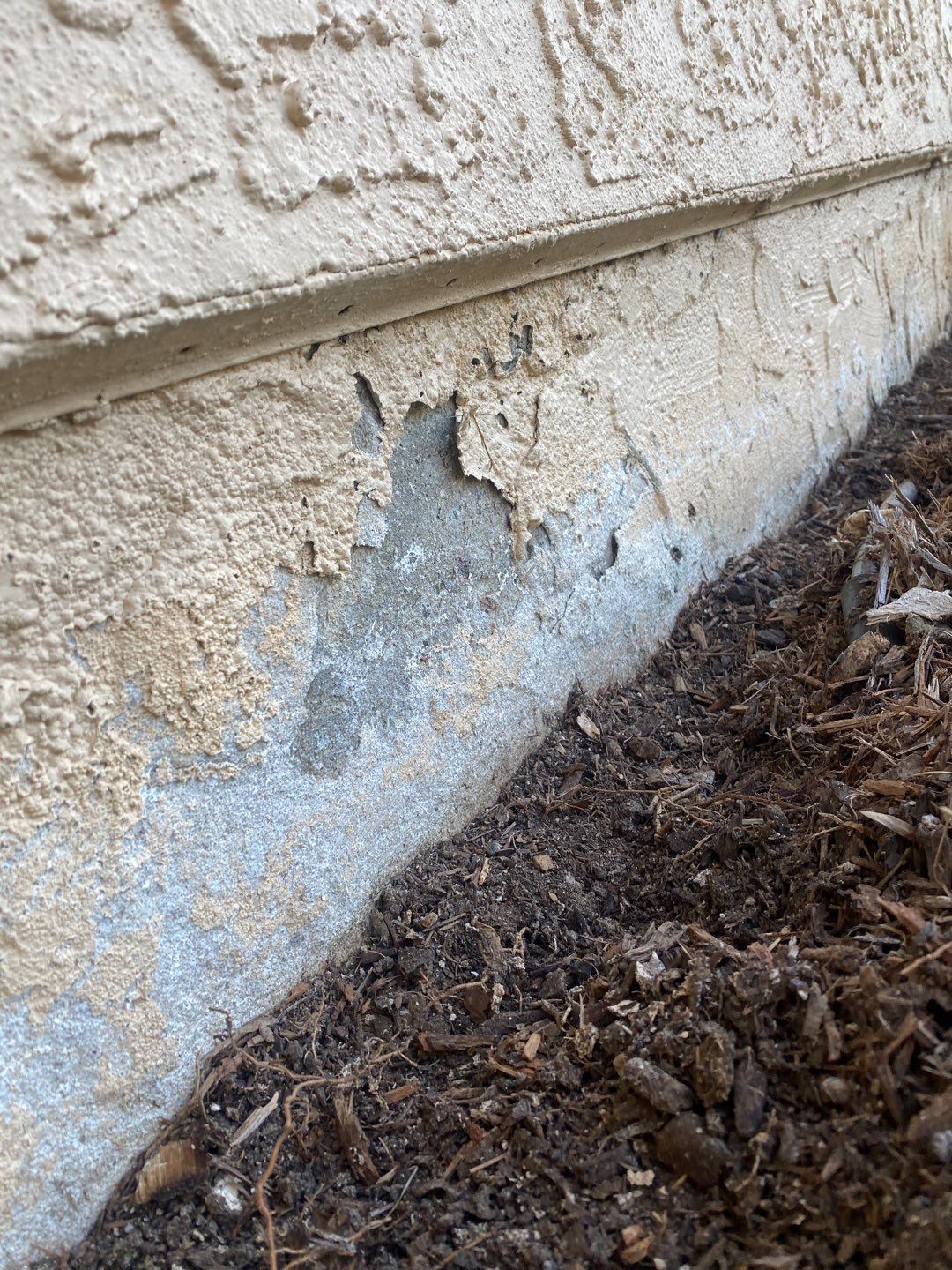
Peeling, bubbling, or flaking paint means the coating is no longer bonded to the surface. This can happen because of age, poor prep, moisture, heat, or previous coating failure.
Loose paint should be removed and the surface should be properly prepared before new paint is applied. If bubbling is caused by moisture, the source should be checked before repainting so the same problem does not come back.
Stucco Cracks or Damaged Patches
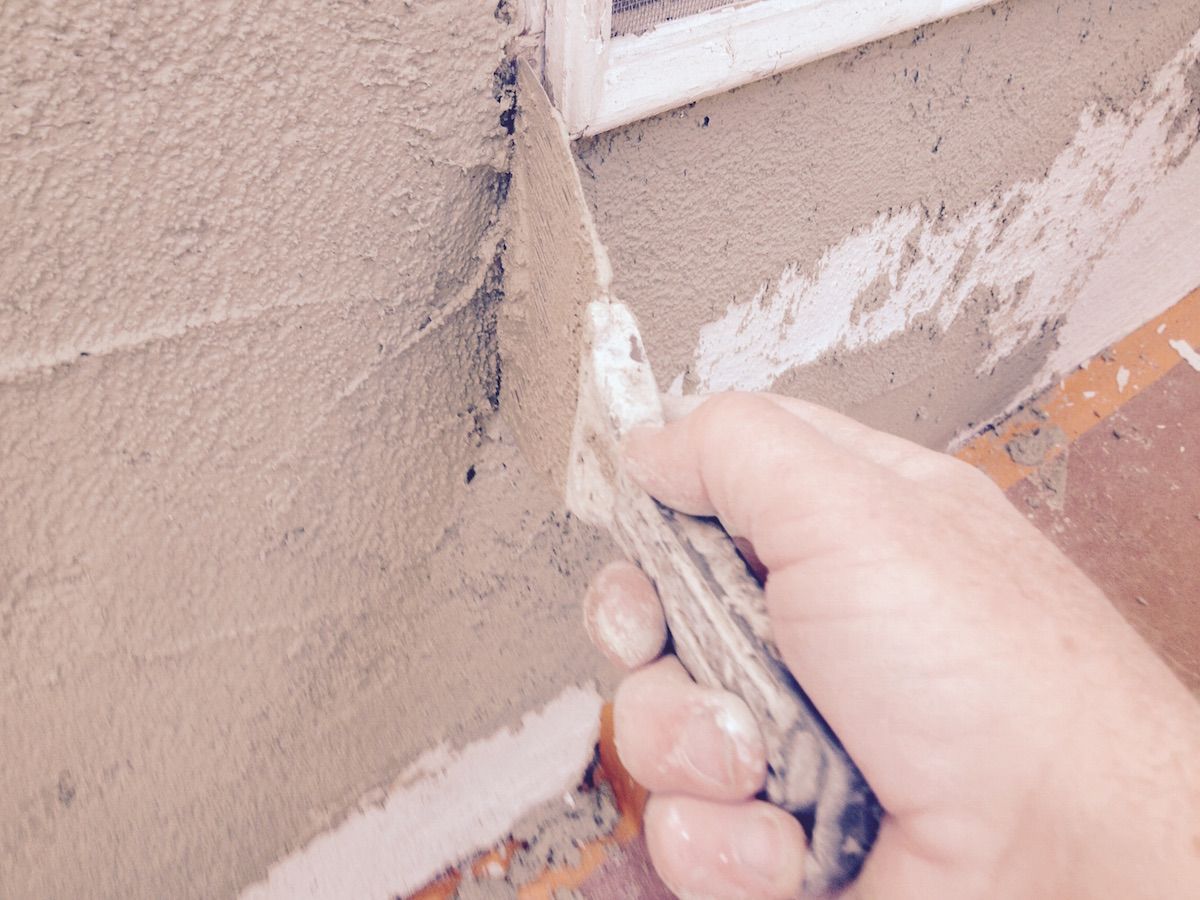
Stucco cracks should be reviewed before painting. Small hairline cracks may need prep or patching, while larger cracks or damaged areas may require more involved repair.
Paint can improve the appearance of stucco, but it should not be used to cover unresolved cracks or loose areas. If the stucco is damaged, the repair should happen first so the finish looks more even and holds up better.
Failing Caulk Around Windows, Doors, and Trim
Cracked, missing, or separated caulk can leave gaps where moisture can enter. This is common around windows, doors, trim, fascia, and transitions between materials.
Failing caulk should be removed and replaced as part of prep. Painting over cracked caulk does not properly reseal the joint.
Exposed Wood or Bare Spots
Exposed wood is more than a cosmetic issue because the protective coating is gone. Once wood is exposed, it can absorb moisture, dry out, crack, or deteriorate.
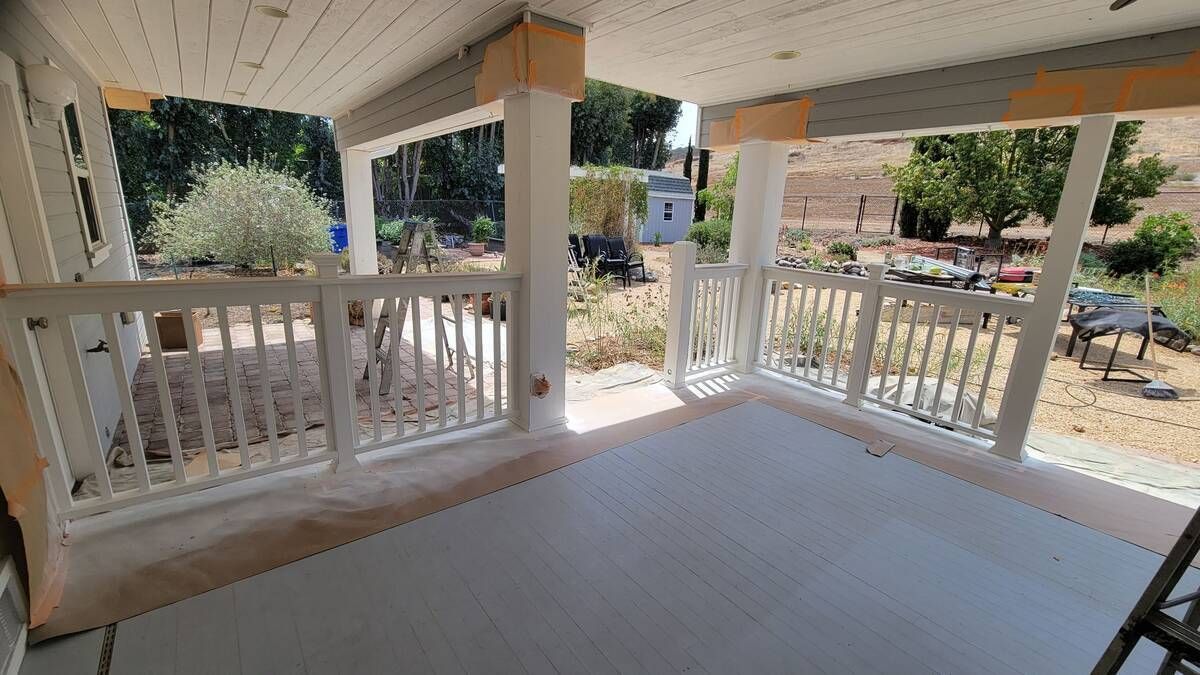
Common areas to check include fascia, trim, eaves, doors, window frames, porch details, and railings. These areas should be repaired, sanded, primed, or sealed before repainting.
Soft, Rotted, or Damaged Wood
Soft or rotted wood must be repaired or replaced before painting. Paint may cover the surface temporarily, but it will not restore the strength or condition of damaged wood.
If trim, fascia, or other wood details are soft to the touch, crumbling, or visibly deteriorated, they need repair before paint.
Moisture Stains or Recurring Problem Areas
Stains, bubbling, or peeling that keep coming back in the same area may point to an underlying issue. This could involve moisture, irrigation hitting the wall, poor drainage, leaks, or previous prep problems.
The source should be checked before repainting so the same damage does not return after the new paint is applied.
Areas Chula Vista Homeowners Should Check Before Repainting
Exterior paint and surface problems often show up first in the areas that get the most sun, moisture, movement, or daily use.
Common areas to check include:
- South- and west-facing walls
- Stucco cracks or patched areas
- Window trim and sills
- Fascia, eaves, and soffits
- Doors, gates, and garage areas
- Areas near sprinklers or irrigation
- Wood trim, railings, and porch details
- Caulk lines around windows and doors
- Surfaces close to landscaping or soil
These areas tend to age faster and should be reviewed before deciding whether the home simply needs repainting or needs repairs first.
Can Small Repairs Be Handled During Exterior Painting?
Many minor repairs can be handled as part of a painting project, but the scope should be clear before work begins. Small caulking gaps, minor stucco cracks, light sanding, spot priming, and small surface flaws may be part of normal prep.
Larger stucco repair, wood replacement, moisture damage, or structural issues may need to be addressed separately before painting. Homeowners should ask what is included in the painting estimate and what would be considered additional repair work.
A good estimate should explain which issues are cosmetic, which are included in prep, and which need repair before painting.
Why Repairing First Helps Exterior Paint Last Longer
Paint performs best when applied to clean, dry, stable surfaces. When repairs are done first, the new finish has a better chance to bond well, look smooth, and hold up over time.
Repairing first can improve paint adhesion, reduce early peeling or cracking, create a cleaner finished appearance, protect wood and stucco, and prevent the same issues from coming back quickly.
Repair work may add cost upfront, but it can help homeowners avoid repainting or paying for additional repairs sooner than expected.
When to Talk With a Chula Vista Painting Company
Homeowners should consider getting a professional evaluation when they see peeling paint, exposed wood, soft trim, stucco cracks, failing caulk, bubbling, or recurring damage. These issues can be hard to judge from the ground, especially on multi-story homes or detailed exteriors.
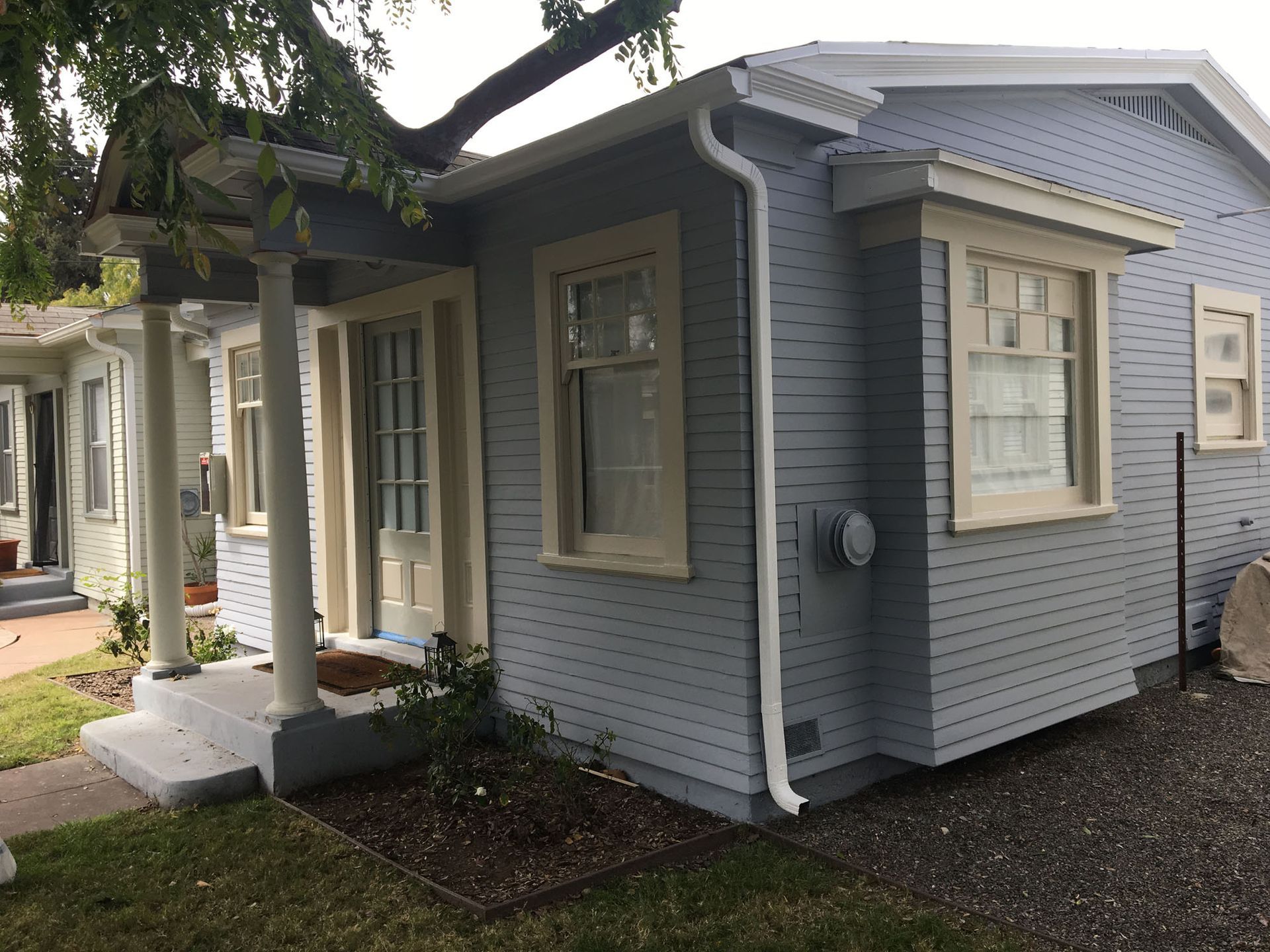
Speaking with an experienced Chula Vista painting company can help you understand whether the exterior needs repainting, maintenance painting, or repair work before the finish coats are applied. The goal is to understand what the home actually needs before covering it with new paint.
Plan Your Chula Vista Exterior Painting Project With Chism Brothers Painting
If you are unsure whether your exterior paint damage is cosmetic or repair-related, Chism Brothers Painting can inspect the home’s surfaces, caulking, stucco, trim, and paint condition before recommending the right next step.
Reach out today for a
free, no-obligation estimate. Chism Brothers can give you honest guidance on whether repainting makes sense now, what should be repaired first, and how to avoid painting over problems that may return later.
Tell us about your project
Tell Us About Your Project
Contact us today to schedule a visit from one of our estimators! We’ll come to your home and provide a detailed estimate.
(858) 454-3850