Updating Your Rancho Peñasquitos Garage? When Should Painting Happen?
Last Updated: October 7, 2026
Garage painting should usually happen after messy repair, electrical, drywall, and prep work is complete, but before final storage systems, cabinetry, shelving, and wall-mounted features are installed.
Garage updates often involve more than a quick coat of paint. Homeowners may be adding storage, cabinets, shelving, lighting, outlets, workbenches, floor coatings, or ceiling improvements. The order of those projects can affect how clean the finished garage looks and how much rework is needed.
Many Rancho Peñasquitos homes rely on garages for parking, storage, hobbies, tools, sports gear, and household overflow. That is why interior painting should be planned as part of the full garage update instead of treated as a final afterthought.
Why the Painting Schedule Matters in a Garage Update
Garages are working spaces. Walls and ceilings may have scuffs, stains, old holes, exposed drywall, patchwork, cobwebs, dust, utility penetrations, and marks from years of storage or daily use.
If painting happens too early, later work may scratch or damage the finish. Electrical changes, drywall repairs, storage installation, and floor preparation can all leave marks on newly painted surfaces. If painting happens too late, painters may have to work around cabinets, shelves, racks, equipment, and floor coatings that would have been easier to avoid.
Garage painting should be scheduled after the messy work but before final fixed storage and finish details are installed.
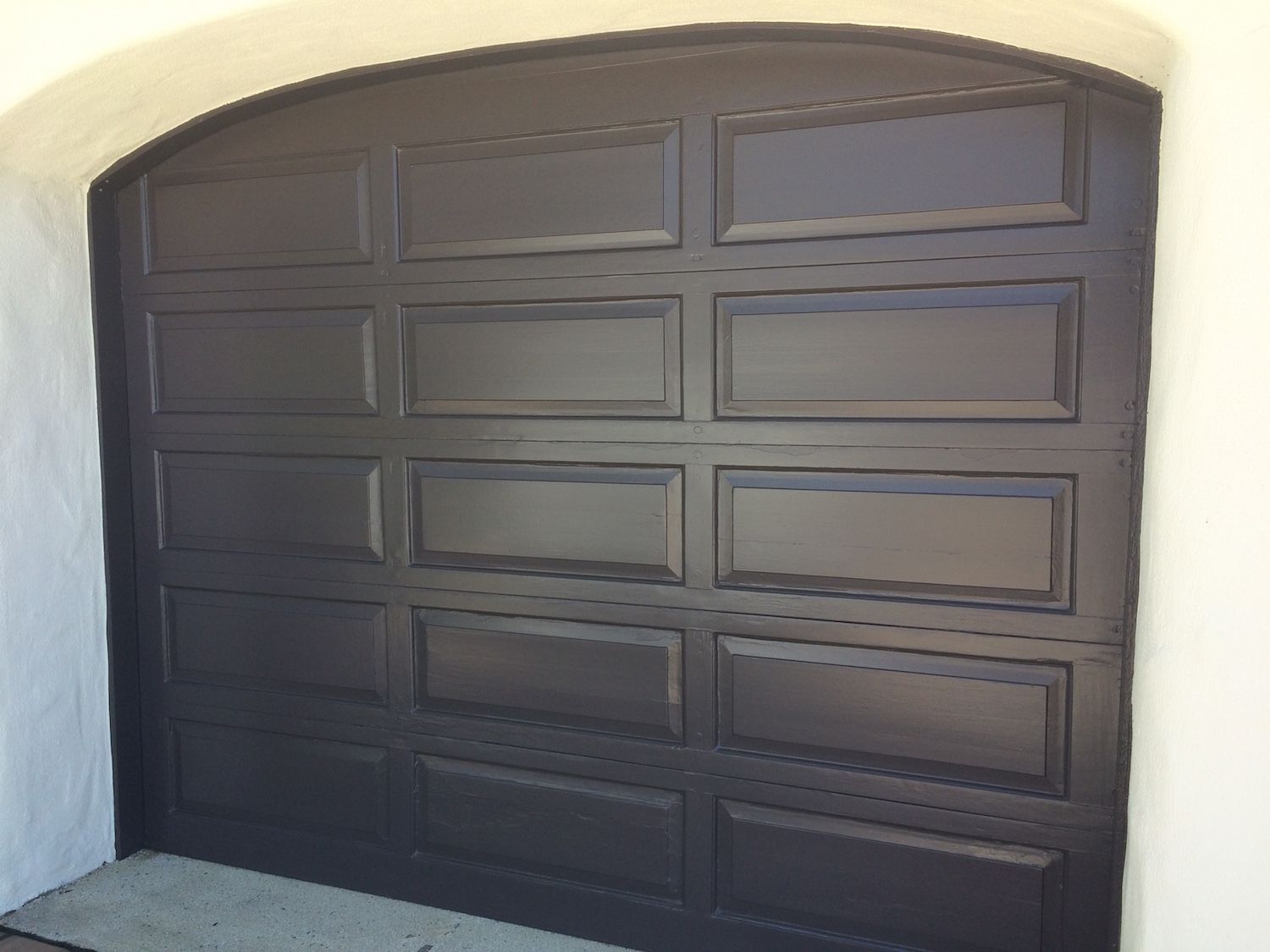
Start With the Full Garage Plan
Homeowners should first decide what the garage update actually includes. A simple repaint has a different sequence than a full garage refresh with cabinets, shelving, lighting, storage racks, drywall repair, and floor coatings.
Common upgrades may include overhead storage, wall-mounted shelving, tool systems, garage cabinets, new outlets, EV charging, lighting, drywall patching, ceiling repairs, baseboards, door trim, and epoxy or other floor coatings.
Before scheduling painting, homeowners should know which improvements are definitely happening and which ones may affect the walls, ceiling, or floor. This helps the painting scope fit the project instead of interrupting it.
Electrical and Lighting Work Should Usually Come First
Electrical work should generally happen before painting because it may involve cutting into drywall, adding outlets, moving switches, installing lighting, adding circuits, or mounting fixtures.
This can apply to EV chargers, workbench outlets, garage door opener power, ceiling lights, security lighting, wall-mounted systems, or additional outlets for tools and appliances. Once that work is finished, drywall patches and paint can make the space feel complete.
It is usually better not to finish-paint garage walls or ceilings before work that may cut, patch, or mark those surfaces. Electrical and lighting decisions should be part of the early planning.
Drywall Repairs and Wall Prep Come Before Paint
Garages often need more prep than homeowners expect. Old shelving holes, dents, taped seams, unfinished drywall, stains, cracked corners, water marks, and rough patchwork should be addressed before painting.
Prep may include cleaning, patching, sanding, caulking, priming, stain blocking, and repairing damaged areas. If the garage has unfinished drywall or heavily worn surfaces, the painter may recommend a more involved prep plan before finish paint goes on.
Paint will improve the garage, but it will not hide every surface problem unless the walls and ceiling are prepared properly. A cleaner finished space starts with sound prep.
Paint Before Installing Permanent Storage Systems
Wall-mounted storage systems, cabinetry, slatwall, pegboard, shelving, bike racks, tool panels, and overhead racks can make painting much harder once they are installed.
Painting first allows the walls and ceiling to be finished cleanly behind those systems. It also avoids visible old paint lines, rough touch-ups, missed areas, and awkward cutting around brackets, rails, cabinets, and racks.
If storage will be permanently mounted to the wall or ceiling, paint the surfaces first whenever possible. It is much easier to install storage over a finished wall than to paint around storage later.
Garage Cabinets Should Be Coordinated With Wall Painting
Garage cabinets can affect painting in two ways. If cabinets are being installed, the surrounding walls should usually be repaired and painted first. If existing cabinets are being painted or refinished, that should be treated as its own scope.
Homeowners should decide whether cabinets are staying, being replaced, moved, or added before wall painting begins. If old cabinets are removed, the wall behind them may need patching, cleaning, priming, or a full repaint.
If the project includes built-in or painted cabinetry, cabinet painting and refinishing should be coordinated with the wall and ceiling work. Cabinet decisions should be made before final wall painting so the finished garage does not need immediate rework.
Shelving and Wall-Mounted Systems Should Wait Until After Paint
Shelving is one of the most common causes of avoidable repainting in garages. If shelves are installed first, painters have to work around them. If shelves are removed later, the wall may show old outlines, holes, anchors, or unfinished areas.
The same applies to hooks, tool racks, sports equipment racks, hose holders, ladder brackets, and storage rails. These items should usually be installed after wall painting is complete and the paint has had time to dry properly.
The cleaner sequence is simple: paint the wall before loading it with permanent storage. That gives the garage a more finished look and prevents the need to touch up around every bracket and anchor.
Ceiling Painting Should Happen Before Overhead Storage
Garage ceilings are easy to forget until overhead racks, lights, garage door equipment, or ceiling-mounted storage systems are installed. Once those items are in place, ceiling painting becomes more complicated.
If the ceiling is stained, patched, unfinished, dusty, or a different color than the walls, painting it before overhead storage is installed can make the garage feel much cleaner. It can also reduce the need to mask around brackets, rails, and mounted systems later.
If the ceiling is part of the update, handle it before overhead storage makes access harder. This is especially helpful when the garage ceiling has old drywall patches, exposed seams, or years of dust and discoloration.
Floor Coatings Should Be Sequenced Carefully
Floor coatings, such as epoxy or other garage floor systems, should be coordinated with painting because both projects require protection, clean conditions, and access.
A common sequence is to complete wall and ceiling repairs, paint the ceiling and walls, then install the floor coating after dusty overhead work is finished. This keeps sanding dust, drywall debris, and paint prep from affecting a newly coated floor.
If floor coating happens first, the new floor will need careful protection during wall and ceiling painting. The main goal is to avoid doing dusty drywall or ceiling work over a finished garage floor whenever possible.
Trim, Doors, and Baseboards May Need Their Own Timing
Garage trim, pedestrian doors, interior access doors, garage entry trim, baseboards, and casing may need painting as part of the update. These areas often get scuffed from tools, bikes, trash bins, storage bins, and daily traffic.
Trim and doors are often best handled after walls are repaired and painted, or coordinated near the end of the painting scope. If flooring or baseboards are being changed, that should be factored into the order.
Doors and trim should not be ignored if the goal is a cleaner, more finished garage. Fresh walls can make worn trim or dingy doors stand out more than expected.
Decide Whether the Garage Needs a Full Repaint or Targeted Areas
Not every garage update requires painting every surface. Some homeowners may only need wall touch-ups after storage changes. Others may benefit from a full repaint of walls, ceilings, doors, and trim.
A full repaint makes sense when the garage has widespread scuffs, stains, patched drywall, old holes, inconsistent colors, or new storage being installed. Targeted painting may be enough if the garage is already in good condition and only a few areas are changing.
The paint scope should match the condition of the garage and the size of the update. A larger storage or floor project is often a good time to refresh more of the space at once.
A Practical Order for Garage Painting and Updates
The exact order may vary, but the goal is to finish messy wall and ceiling work before installing permanent storage or final floor finishes.
- Decide what the garage update includes.
- Remove old shelving, cabinets, hooks, racks, or storage systems as needed.
- Complete electrical, lighting, EV charger, or outlet work.
- Repair drywall, holes, seams, stains, cracks, and ceiling issues.
- Clean, sand, prime, and prepare walls and ceilings.
- Paint the ceiling, walls, doors, and trim as needed.
- Install cabinets, shelving, slatwall, racks, and storage systems.
- Complete floor coating after dusty overhead work is finished, or protect the floor carefully if it is already installed.
This order helps homeowners avoid painting too soon, installing storage too early, or damaging newly finished surfaces during later improvements.
What to Clarify Before Scheduling the Work
Before scheduling, homeowners should clarify whether electrical work, storage installation, cabinet changes, shelving, drywall repair, ceiling painting, trim painting, or floor coating will be part of the garage update.
They should also discuss whether the garage will be emptied, how much wall access painters will have, and whether newly installed storage or floors will need protection. If the garage is still being used for parking, tools, or household storage, the plan should include how items will be moved before painting begins.
The estimate should help the homeowner understand whether the painting project is a simple refresh or part of a larger garage improvement plan.
Talk With a Rancho Peñasquitos Painting Company Before Starting
A professional painter can help homeowners plan the right sequence when a garage update includes several improvements. This is especially helpful when walls and ceilings need repair, electrical work is planned, cabinets or shelving are being installed, or a floor coating is part of the project.
Speaking with an experienced Rancho Peñasquitos painting company can help homeowners evaluate garage walls, ceilings, trim, doors, drywall repairs, primer needs, surface prep, and project sequencing before storage systems, cabinets, shelving, or floor coatings are completed.
A clear painting plan can make the garage feel more finished while preventing avoidable damage and rework.
Plan Your Rancho Peñasquitos Garage Painting Project With Chism Brothers Painting
If you are updating a Rancho Peñasquitos garage, Chism Brothers Painting can help determine when painting should happen and what surfaces need attention before other upgrades are installed. They can review wall and ceiling condition, drywall repairs, trim, doors, storage plans, cabinetry, shelving, electrical work, and floor coating timing so the garage update happens in a logical order.
Reach out today for a free, no-obligation estimate. Chism Brothers can help you plan garage painting around repairs, storage, cabinets, shelving, and other improvements so the finished space looks cleaner and does not require avoidable rework.

Tell us about your project
Tell Us About Your Project
Contact us today to schedule a visit from one of our estimators! We’ll come to your home and provide a detailed estimate.
(858) 454-3850