Should You DIY Your San Marcos Painting Project or Hire a Professional?
Last Updated: August 20, 2026
Small, low-risk painting projects may be realistic to DIY, but larger exterior projects, high areas, stucco repairs, heavy prep, damaged surfaces, and whole-home repaints are usually better handled by a professional.
It makes sense that many homeowners consider painting themselves to save money. For a small bedroom, closet, laundry room, or simple touch-up, DIY painting may be reasonable if you have the time, patience, and basic tools. But not every painting project is just rolling color onto a wall.
San Marcos homes may have stucco exteriors, sun-exposed walls, HOA color requirements, two-story areas, trim details, and exterior surfaces that need careful prep before painting. The goal is not to say DIY is always a bad idea. It is to help homeowners understand which projects are manageable and which ones can become more expensive if something goes wrong.
Start With the Size and Risk of the Painting Project
The best DIY decision starts with the project’s size, difficulty, and consequences if something goes wrong. A small interior wall is very different from a full exterior repaint, cabinet painting project, or second-story trim work.
Before deciding, homeowners should think about:
- How large the area is
- Whether ladders or roofline access are needed
- Whether the surface is damaged
- How much prep is required
- Whether the finish needs to match existing paint
- Whether the project affects curb appeal or resale value
- Whether HOA approval or color rules apply
DIY is usually more realistic when the work is small, accessible, and mostly cosmetic. Professional painting becomes more practical when the project affects protection, safety, curb appeal, or the long-term condition of the home.
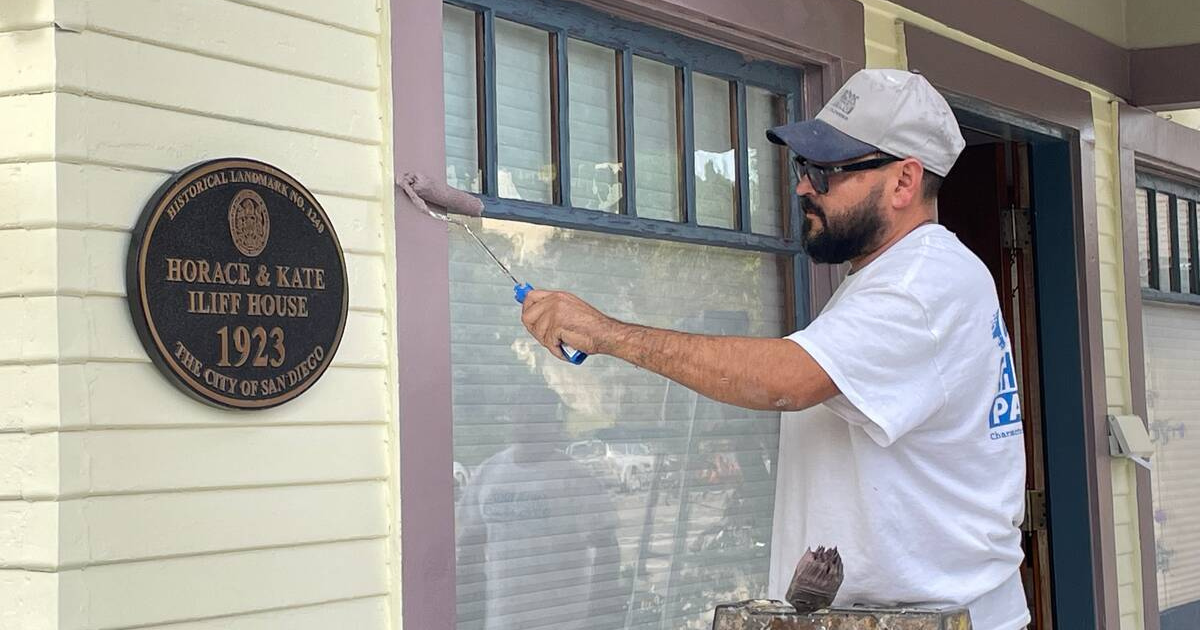
Painting Projects That May Be Reasonable to DIY
Some painting projects are manageable for homeowners who have time, patience, and basic tools. These are usually smaller jobs where the surface is in good condition and the risk of damage is low.
DIY may be reasonable for projects such as:
- Painting a small bedroom or office
- Touching up minor scuffs with matching paint
- Painting a closet or laundry room
- Refreshing a simple accent wall
- Painting a small bathroom if moisture issues are not present
- Repainting simple, easy-to-reach interior trim
Even DIY-friendly projects still need proper prep. Cleaning the surface, patching small holes, sanding rough spots, taping carefully, using primer when needed, and allowing proper dry time all affect the final result.
When Interior Painting Is Better Left to a Professional
Interior painting becomes more challenging when the project involves large open areas, high ceilings, stairwells, detailed trim, cabinet painting, heavy wall damage, or major color changes that require multiple coats.
Highly visible spaces can also be less forgiving. Entryways, main living rooms, kitchens, stairwells, and open-concept areas often get more natural light, which can make uneven cut lines, lap marks, poor drywall patching, and mismatched sheen more noticeable.
DIY may save money upfront, but professional help can be worth it when the finish needs to look clean across large or highly visible areas. This is especially true if the project involves drywall repair, trim detail, or multiple rooms that need a consistent look.
Exterior Painting Is Usually More Complicated Than It Looks
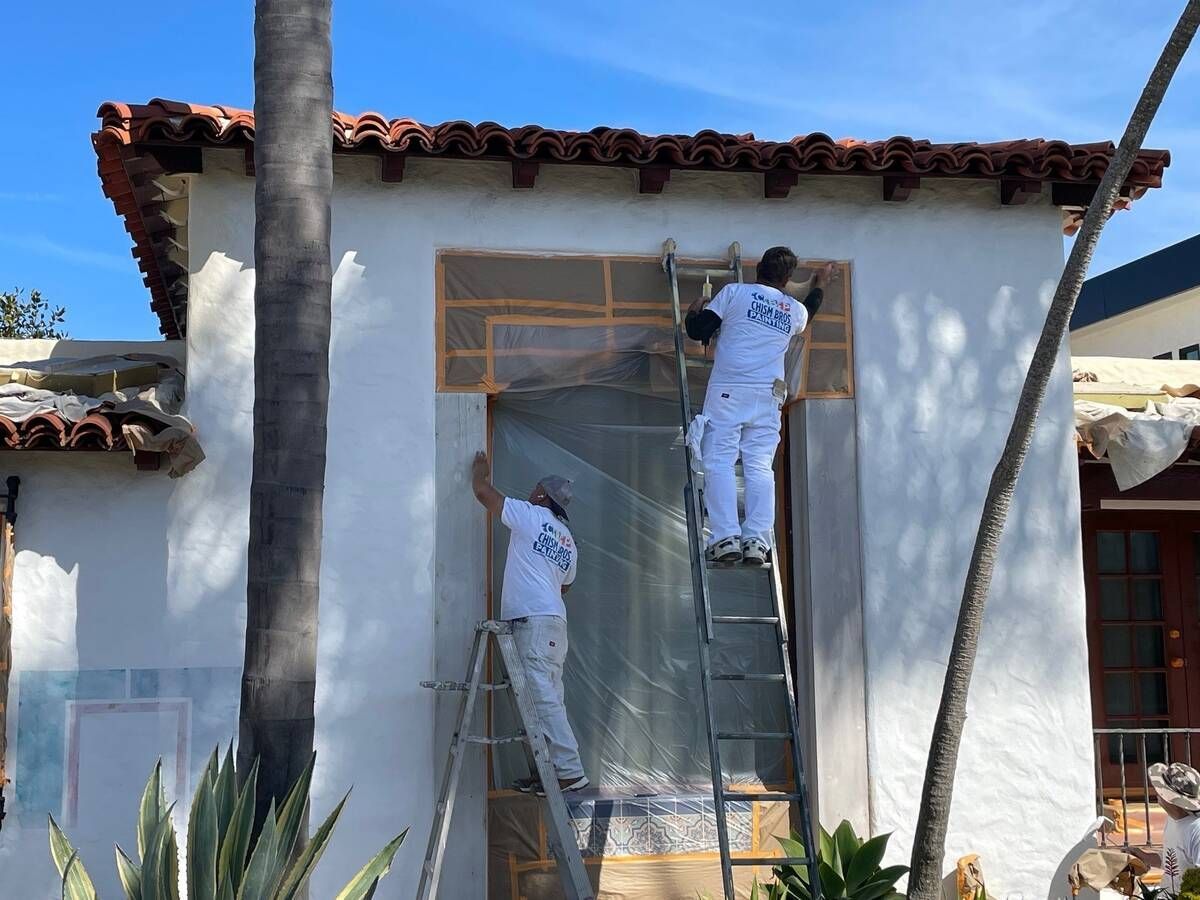
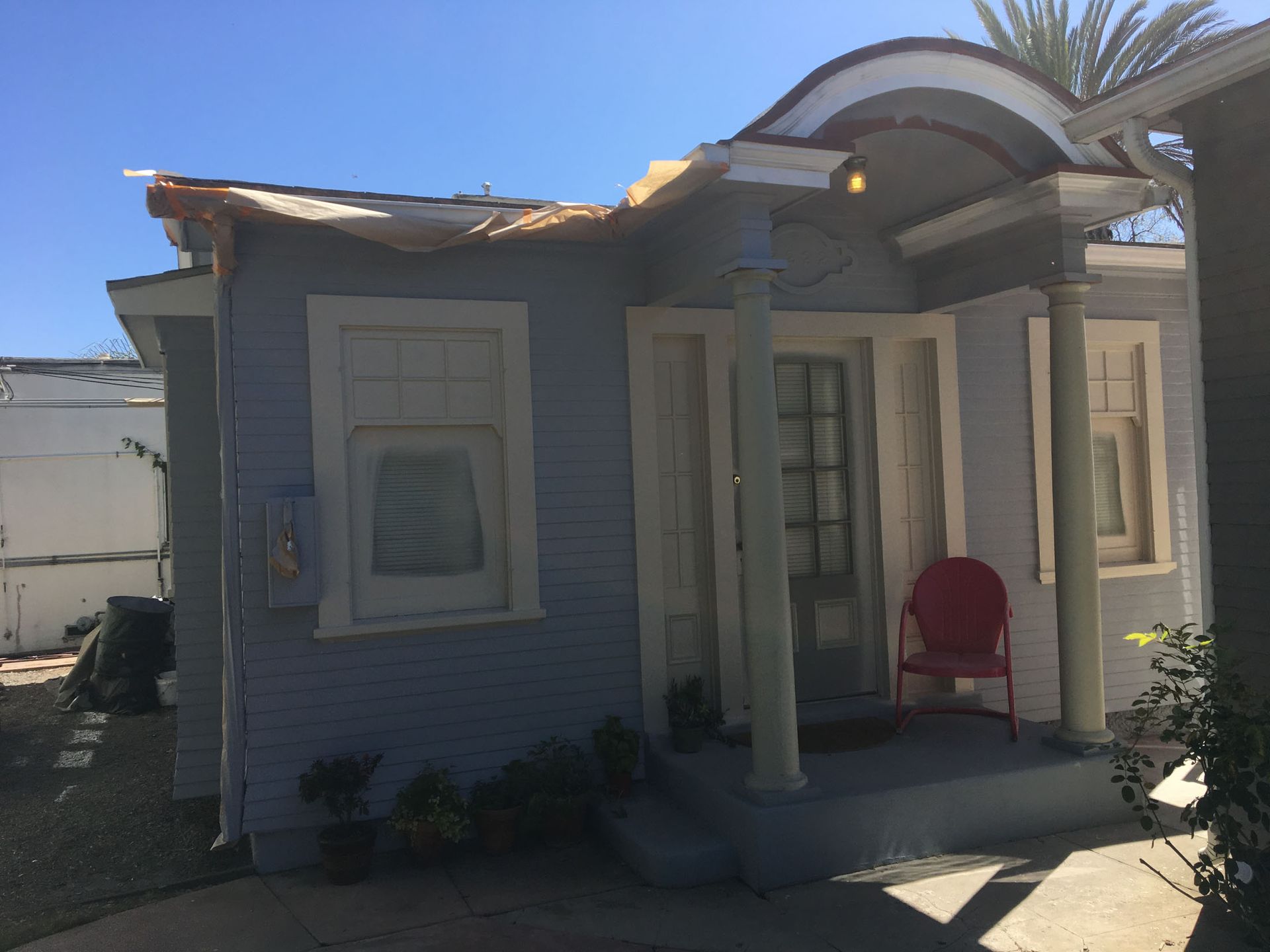
Exterior painting involves much more than applying paint. The home needs to be cleaned, inspected, scraped, sanded, caulked, repaired, primed where needed, masked, and painted under the right conditions.
For San Marcos homes, exterior painting may involve stucco, wood trim, fascia, garage doors, shutters, gates, railings, and surfaces exposed to strong sun. These materials may not all need the same prep or product approach.
Exterior paint also plays a protective role. If prep is skipped or damaged surfaces are painted over, the finish may fail sooner. A project that looked like a simple repaint can become more involved once peeling paint, cracked stucco, failed caulk, or exposed wood is discovered.
Height and Access Are Major DIY Warning Signs
Anything involving second-story areas, rooflines, steep slopes, stairwells, tall fascia, or hard-to-reach exterior walls should make homeowners pause. Ladders, uneven ground, roof edges, and awkward access increase both safety risks and the chance of poor results.
Access is not only about reaching the surface. Homeowners also need room to clean, scrape, sand, mask, paint, and clean up properly. A surface that is difficult to reach is usually difficult to prep well, too.
If the project requires uncomfortable ladder work, roofline access, or working above areas where balance is difficult, hiring a professional is usually the safer and more practical option.
Stucco Repairs and Surface Damage Should Be Evaluated First
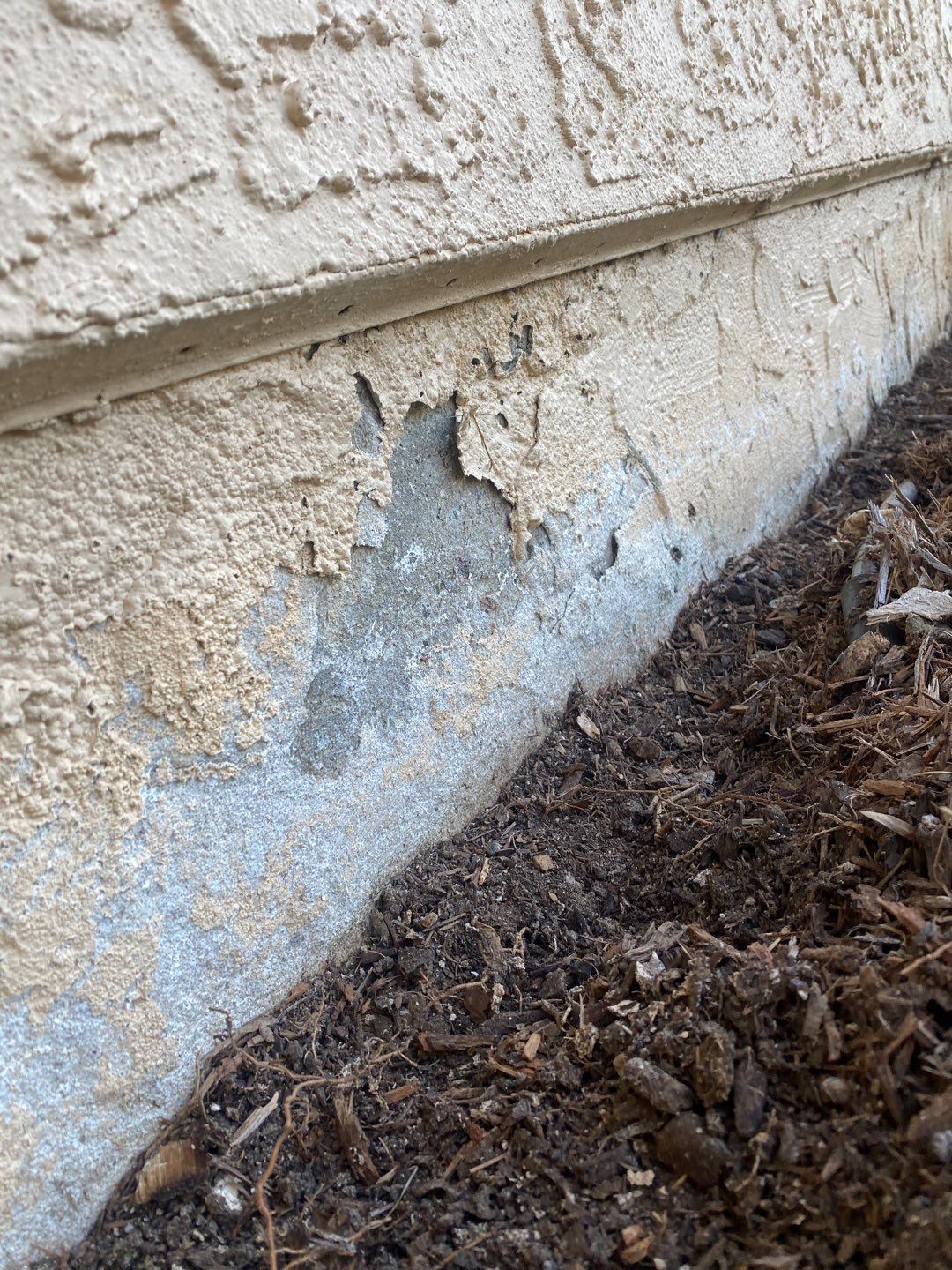
Many San Marcos homes have stucco exteriors, and stucco issues should not simply be painted over. Cracks, chalking, stains, patchy texture, or damaged areas may need prep or repair before painting.
The same is true for damaged wood trim, soft fascia, peeling paint, exposed wood, failed caulk, or recurring problem areas. These issues can affect how well new paint bonds and how long it lasts.
If the surface is not sound, DIY painting may only cover the problem temporarily. Before repainting, homeowners should understand whether they are dealing with normal paint wear, cosmetic damage, or a repair issue that needs to be fixed first.
Prep Work Is Where Many DIY Painting Projects Go Wrong
Prep work is often the difference between a clean, durable paint job and one that looks rough or fails early. Homeowners may underestimate how much time prep takes compared with painting.
Prep may include:
- Washing or cleaning the surface
- Scraping loose paint
- Sanding rough areas
- Filling holes or cracks
- Repairing damaged trim or stucco
- Replacing failed caulk
- Priming bare or repaired surfaces
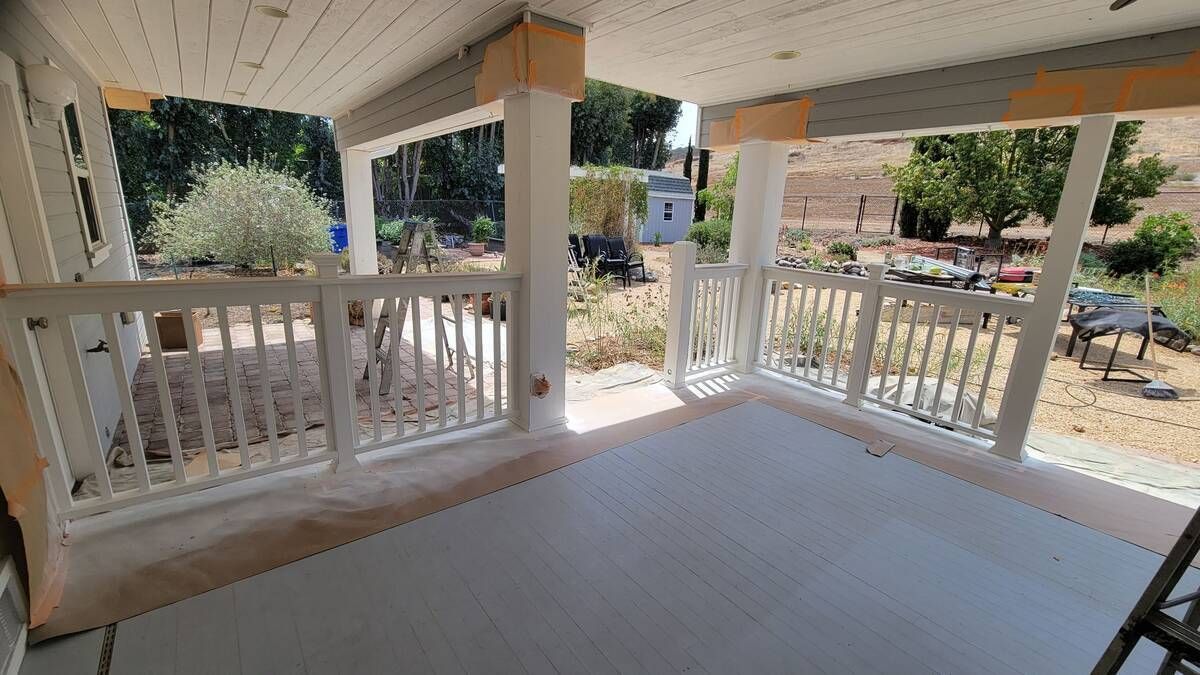
- Masking windows, doors, floors, landscaping, and fixtures
If the prep feels bigger than the painting itself, that is often a sign the project may be better handled professionally. Paint can only perform as well as the surface underneath it.
When Project Size Makes Hiring a Pro More Practical
Large projects can become overwhelming even if each step seems simple. A full exterior repaint, multi-room interior repaint, cabinet painting project, or whole-home update takes time, tools, planning, and consistent workmanship.
Homeowners should think about how long the project will realistically take, not just how long they hope it will take. A project that stretches across multiple weekends can leave rooms unusable, exterior areas unfinished, or surfaces exposed longer than they should be.
DIY may be fine for smaller projects, but larger painting jobs often benefit from a crew, schedule, and process. A professional team can usually move through prep, masking, repairs, painting, and cleanup more efficiently than a homeowner working around evenings and weekends.
How Budget Should Factor Into the Decision
DIY can reduce labor cost, but it still has expenses. Paint, primer, brushes, rollers, trays, tape, drop cloths, patching materials, sanding supplies, ladders, sprayers, safety gear, and cleanup materials can add up.
Mistakes can also create added cost. Poor prep, the wrong products, visible roller marks, paint on surfaces that should have been protected, or early peeling can require professional correction later.
The true cost of DIY includes time, tools, risk, and possible rework. If the project is small and low-risk, DIY may still make sense. If the project is large, highly visible, repair-heavy, or difficult to access, hiring a professional may be the better long-term value.
Questions to Ask Before Deciding
A simple decision checklist can help homeowners decide whether a project is realistic to handle themselves or worth estimating professionally.
Ask yourself:
- Is the surface in good condition?
- Can I safely reach every area?
- Do I know what prep is required?
- Will mistakes be highly visible?
- Does the project involve stucco, wood repair, or failed caulk?
- Do I need HOA color approval?
- Do I have the right tools and time?
- Would fixing a mistake cost more than hiring a pro now?
If several answers raise concerns, it is worth getting a professional estimate before starting. An estimate can help clarify whether the project is simple, repair-heavy, or more involved than it first appears.
Talk With a San Marcos Painting Company Before Deciding
Homeowners should consider hiring a professional for exterior painting, two-story areas, stairwells, large interior spaces, cabinet painting, extensive prep, stucco repairs, wood damage, or projects where the finish needs to look especially clean.
Speaking with an experienced San Marcos painting company can help you understand the project scope, surface condition, prep needs, access challenges, color goals, and whether the work is a good fit for professional painting.
Chism Brothers Painting can help evaluate whether your project is a simple repaint, a repair-first project, or a larger painting job that would benefit from a professional crew.
Plan Your San Marcos Painting Project With Chism Brothers Painting
If you are unsure whether to DIY or hire a professional, Chism Brothers Painting can help assess the project and explain what prep, repairs, access, and finish work may be involved. They can help determine whether the project is manageable on your own or whether professional painting would better protect the home and produce a cleaner result.
Reach out today for a
free, no-obligation estimate. Chism Brothers can give you honest guidance on what the project may require, what should be repaired first, and whether hiring a professional makes sense for your San Marcos home.
Tell us about your project
Tell Us About Your Project
Contact us today to schedule a visit from one of our estimators! We’ll come to your home and provide a detailed estimate.
(858) 454-3850