Repainting a Home in a San Marcos HOA? What Should You Check Before Work Begins?
Last Updated: August 20, 2026
Before repainting a home in a San Marcos HOA, homeowners should check approved color palettes, architectural guidelines, finish rules, approval forms, contractor documentation, project scope, and any timeline requirements before work begins.
Repainting an HOA home is not always as simple as choosing a color and scheduling a painter. Many HOA communities have rules about exterior body colors, trim colors, sheen, finishes, accent colors, front doors, garage doors, shutters, and other visible exterior changes.
Many San Marcos homes are part of planned communities or neighborhoods with architectural standards. Checking the HOA process early can help homeowners avoid delays, last-minute color changes, compliance issues, or having to redo work because approval was not handled before the project started.
Why HOA Approval Should Come Before Painting
HOA approval should usually happen before paint is purchased or work is scheduled. If the color, finish, or scope does not meet the community guidelines, the homeowner may need to resubmit, delay the project, or change the plan.
Checking first can help homeowners avoid:
- Choosing a color the HOA will not approve
- Scheduling painters before approval is complete
- Paying for materials that need to be changed
- Painting trim, doors, or accents incorrectly
- Receiving violation notices after work is done
- Having to repaint areas that do not meet guidelines
HOA rules are not the same in every San Marcos community. A color that is allowed in one neighborhood may not be allowed in another, and even repainting the same color may require documentation. Homeowners should confirm their own association’s requirements before assuming a color or project scope is acceptable.
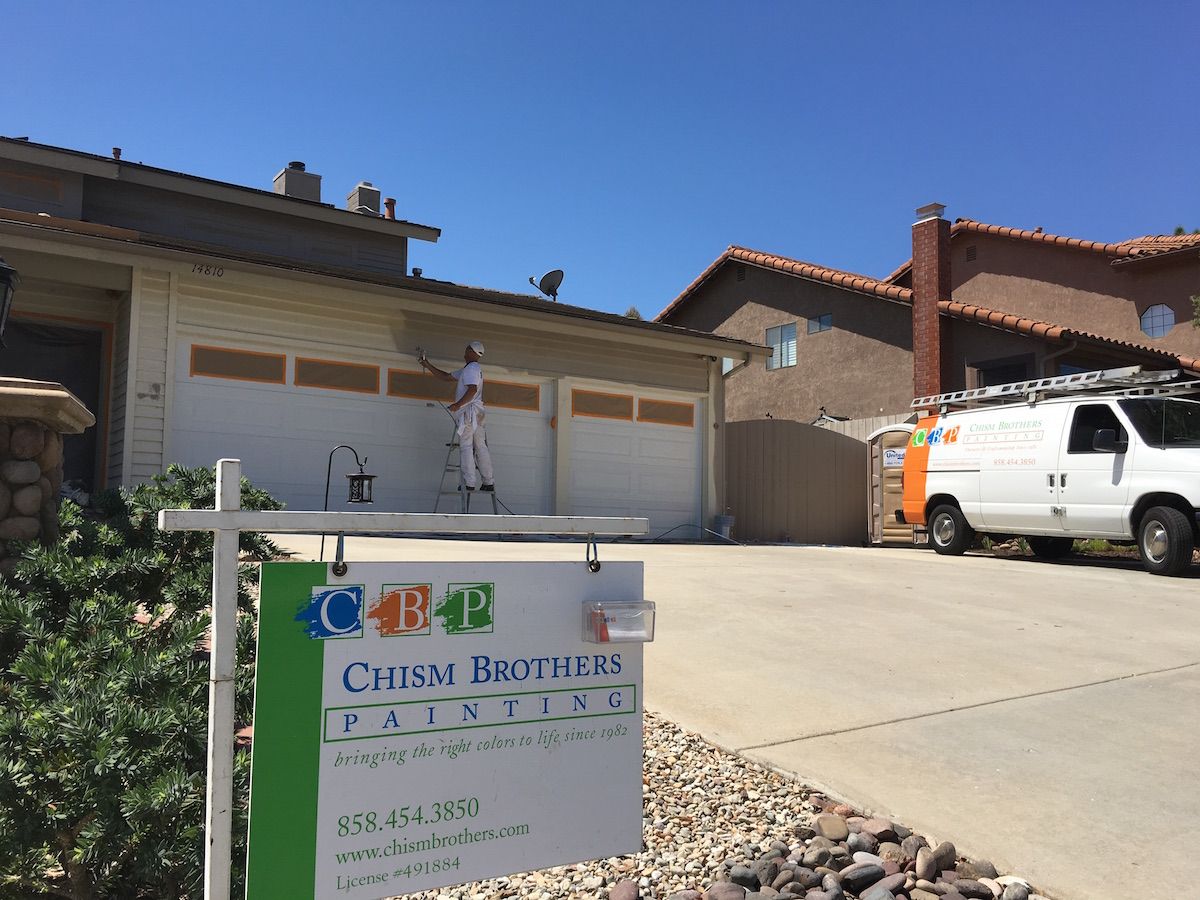
Start With the HOA Architectural Guidelines
The architectural guidelines or design standards are usually the first place homeowners should look. These documents may explain what exterior changes need approval, which colors are allowed, what materials or finishes are acceptable, and how the application process works.
Homeowners should look for rules about:
- Body color
- Trim color
- Accent color
- Front doors
- Garage doors
- Shutters
- Fascia and exterior trim
- Wrought iron, gates, or railings
- Stucco, siding, or wood surfaces
- Sheen or finish requirements
If the guidelines are unclear, homeowners should contact the HOA, architectural committee, or property manager before moving forward. It is better to ask early than to find out after scheduling that the color, sheen, or scope needs to be changed.
Confirm Approved Paint Colors and Finishes
Many HOAs have approved color palettes or pre-selected color schemes. Some may allow homeowners to choose from a list, while others may require approval for any exterior color change.
Before deciding on a color plan, homeowners should confirm whether they are allowed to:
- Use the existing color again
- Change the body color
- Change trim or accent colors
- Paint the front door a different color
- Use darker or bolder colors
- Use a different sheen or finish
- Choose colors outside the community palette
Even if a homeowner wants to repaint the same color, some communities may still require approval. The safest approach is to check the requirements before assuming maintenance painting is automatically allowed.
Make Sure the Full Painting Scope Is Clear
HOA approval may depend on exactly what is being painted. A homeowner may think of the project as “exterior painting,” but the HOA may want details about each visible area.
The project scope may include:
- Main exterior walls
- Trim and fascia
- Garage doors
- Front doors
- Shutters
- Gates and railings
- Patio covers or pergolas
- Balcony areas
- Stucco or wood repairs
- Visible exterior accents
A clear scope helps prevent confusion. If the HOA approves the body and trim colors but the front door, garage door, or shutters were not included, that can create problems later. Every visible exterior color should be part of the plan before work begins.
Check Whether Repairs Need Separate Approval
Exterior painting often includes prep and minor repairs, but some repairs may count as visible exterior changes. Stucco patching, trim replacement, fascia repair, siding work, door replacement, or changes to exterior details may need to be disclosed or approved.
Homeowners should ask whether repairs need to match existing materials, textures, colors, or profiles. This is especially important when replacing trim, fascia, shutters, gates, or other visible details.
The main point is simple: if a repair changes how the home looks from the outside, it may need to be included in the HOA request. Including those details early can help prevent questions once the project is already underway.
Gather Contractor Documentation Early
Some HOAs may ask for contractor documentation before work begins. This can include proof of license, insurance, workers’ compensation coverage, project dates, work hours, or contact information.
Homeowners may need to provide:
- Contractor name and contact information
- License information
- Proof of insurance
- Project description
- Expected start and completion dates
- Paint product information
- Color names, color codes, or physical samples
Gathering this information early can keep the approval process from stalling once the homeowner is ready to schedule the project. It also helps the painter understand what information may be needed before the project can move forward.
Ask About Work Hours, Access, and Neighbor Notices
Some HOA communities have rules about when exterior work can happen. This may include permitted work hours, parking restrictions, dumpster or equipment rules, common area access, gate access, or neighbor notification requirements.
These details matter because exterior painting may involve washing, scraping, sanding, masking, ladders, drop cloths, and access around the home. If the HOA has restrictions, those should be known before the project is scheduled.
Clarifying these details early can prevent avoidable disruptions or delays once work begins. It can also help the painting crew plan parking, setup, access, and communication around community requirements.
Do Not Forget Doors, Garage Doors, and Accent Areas
Accent areas are often where HOA issues happen because homeowners may focus on the main body color and forget smaller details. Front doors, garage doors, shutters, trim, fascia, gates, and railings may have separate color or finish rules.
These areas are highly visible from the street, so they are often included in HOA standards. If the homeowner wants a new door color, sharper trim contrast, or updated garage door color, that should be approved before painting.
A complete color plan should include every visible exterior surface. That makes it easier for the HOA to review the request and helps the final project match what was approved.
What If the HOA Denies Your Color Choice?
A denied color choice does not always mean the project is over. The homeowner may need to choose from an approved palette, submit a revised color scheme, provide better samples, or clarify how the color will look on the home.
The most important thing is to avoid scheduling the work until final color approval is confirmed in writing. Starting too early can create unnecessary stress if the HOA requests a different color or finish.
A painter can often help organize color names, product details, and samples, but the homeowner is usually responsible for HOA approval unless the HOA process says otherwise. When in doubt, homeowners should confirm responsibilities before the project begins.
How a Painter Can Help Before Submission
A professional painter can help homeowners think through the project scope before they submit HOA paperwork. They can identify what surfaces need painting, what repairs may be included, what product information may be needed, and whether the project should include trim, doors, garage doors, or other details.
Speaking with an experienced San Marcos painting company can help you prepare a clearer exterior painting scope before submitting to the HOA.
Chism Brothers Painting can help San Marcos homeowners review the home’s paint condition, color goals, surface repairs, and information that may be useful for the approval process. The HOA still controls the approval, but a clear painting scope can make the submission easier to understand.
Plan Your San Marcos HOA Painting Project With Chism Brothers Painting
If you are planning to repaint a home in a San Marcos HOA community, Chism Brothers Painting can help evaluate the exterior, clarify the painting scope, and provide details that may be useful for the HOA submission. Once approval is in place, they can help complete the project with proper prep, clean workmanship, and attention to the approved colors and finishes.
Reach out today for a
free, no-obligation estimate. Chism Brothers can help you understand what should be checked before work begins, what details may need HOA approval, and how to plan your exterior painting project in the right order.



Tell us about your project
Tell Us About Your Project
Contact us today to schedule a visit from one of our estimators! We’ll come to your home and provide a detailed estimate.
(858) 454-3850