Bathroom Ceiling Paint Peeling? What University City Homeowners Should Check Before Repainting
Last Updated: October 6, 2026
Peeling bathroom ceiling paint may be caused by an aging finish, but University City homeowners should also check ventilation, condensation, moisture, surface prep, primer, and previous coatings before repainting.
Bathroom ceiling paint works harder than paint in many other rooms. Steam, daily showers, warm air, poor airflow, and repeated condensation can cause the finish to bubble, peel, crack, or separate from the surface. A quick repaint may make the ceiling look better temporarily, but the same issue can return if the cause is still there.
Many homes, condos, and townhomes in University City have bathrooms that have been updated over time. Older ceiling coatings, fan setups, or past paint jobs may not perform well unless the surface is properly prepared before interior painting begins.
Peeling Paint Is Usually a Symptom, Not the Whole Problem
Peeling or bubbling paint usually means something is interfering with adhesion. The cause may be age, poor prep, moisture exposure, incompatible coatings, or a surface that was painted before it was fully ready.
If the ceiling is damp, glossy, dirty, poorly primed, or repeatedly exposed to condensation, fresh paint may look better for a while but fail again. This is why bathroom ceilings need to be evaluated before repainting.
The goal is not simply to cover the peeling area. The ceiling needs to be made paintable again so the new finish has a clean, dry, stable surface to bond to.
Exterior Responsibilities Can Be Very Different
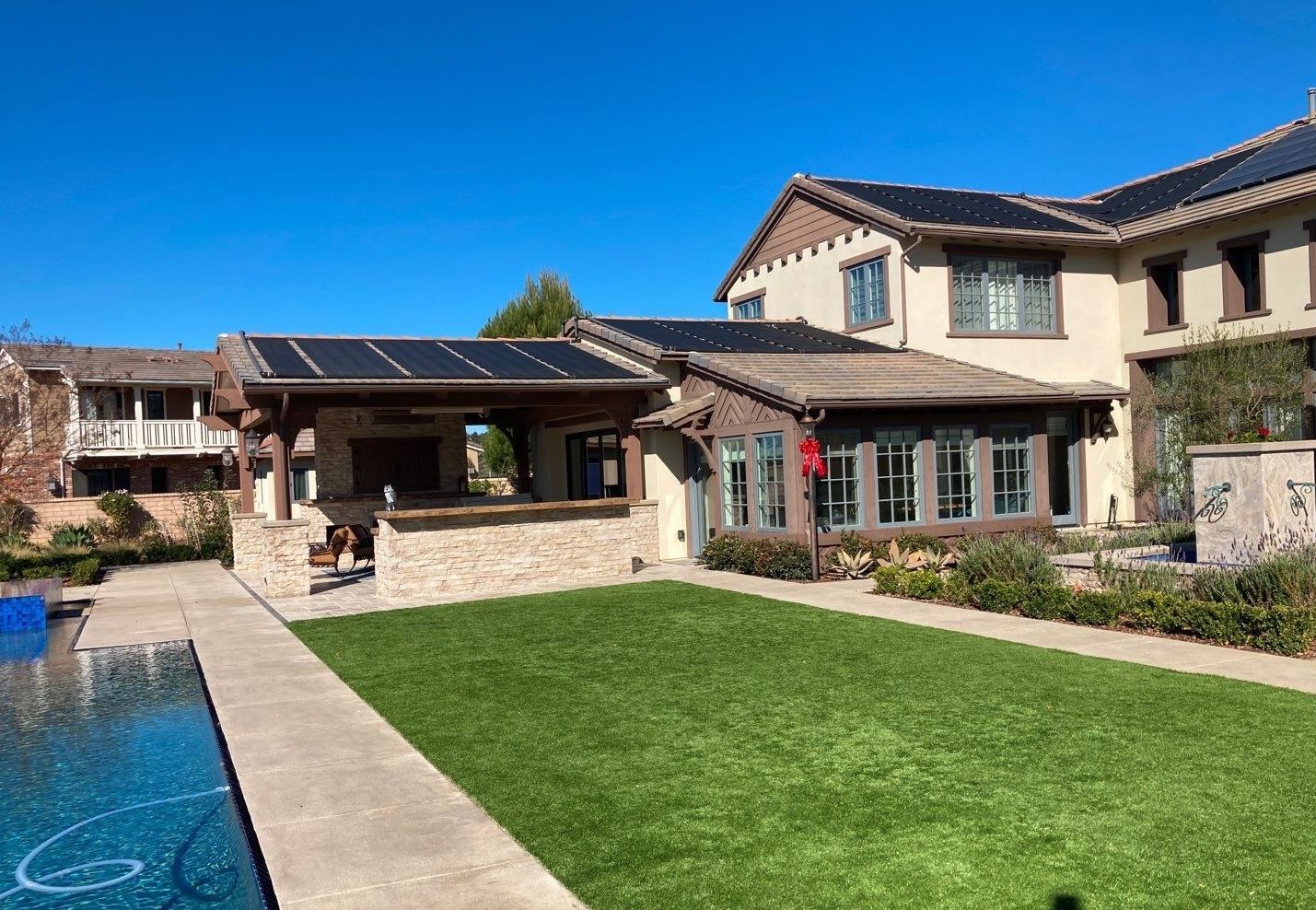
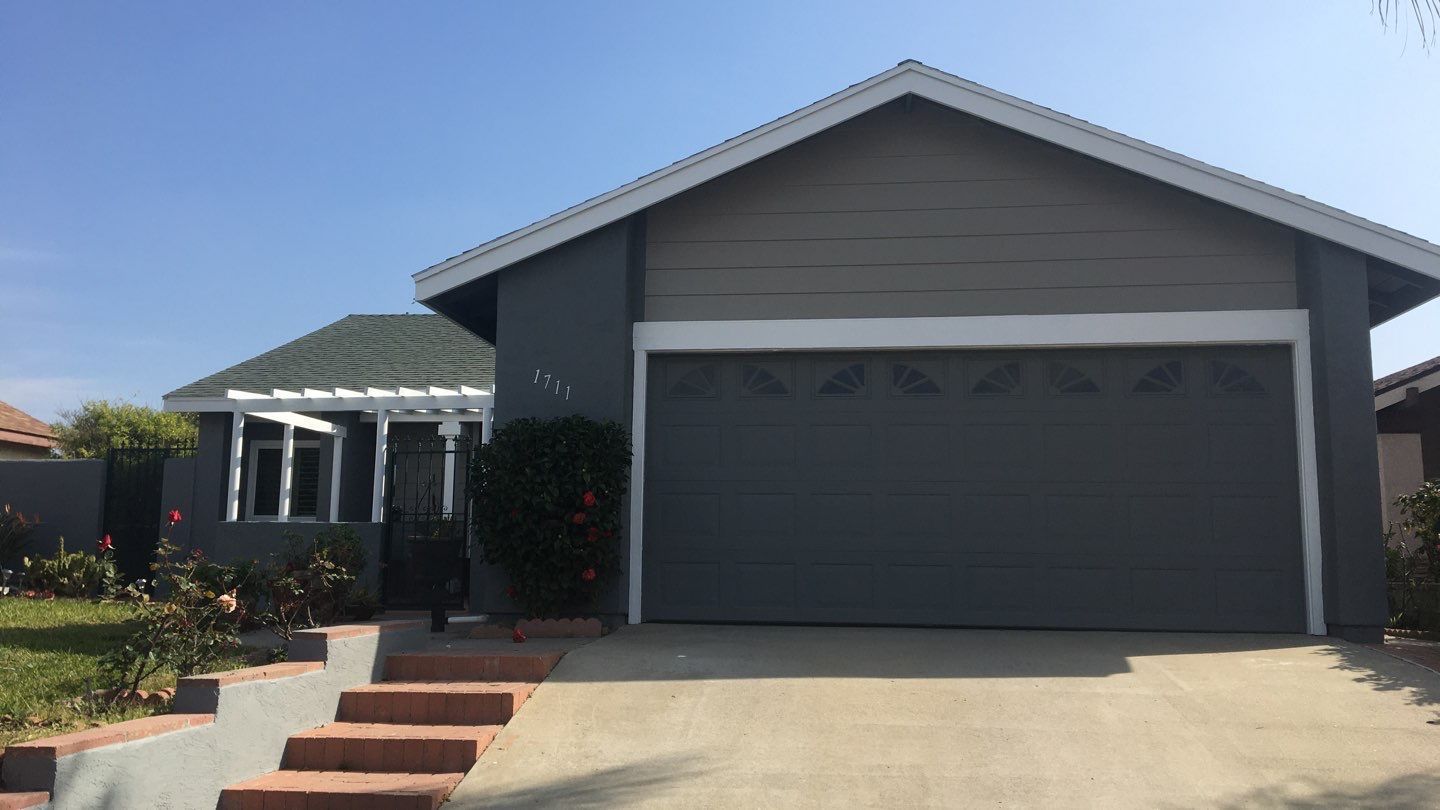
Exterior painting is usually where the biggest differences appear. A single-family homeowner may be responsible for the full exterior, including walls, trim, doors, fascia, garage doors, fences, gates, and patio structures.
In a townhome or condo, the HOA may maintain some or all exterior surfaces. Even if a surface feels private, such as a front door, patio wall, balcony railing, or fence section, the association may control the color, finish, maintenance schedule, or approval process.
Before scheduling exterior painting, owners of attached homes should confirm which surfaces are theirs to paint and which fall under HOA or shared maintenance. This helps avoid paying for work that needs approval, belongs to the association, or may already be part of a future maintenance plan.
Interior Painting Is Usually More Flexible
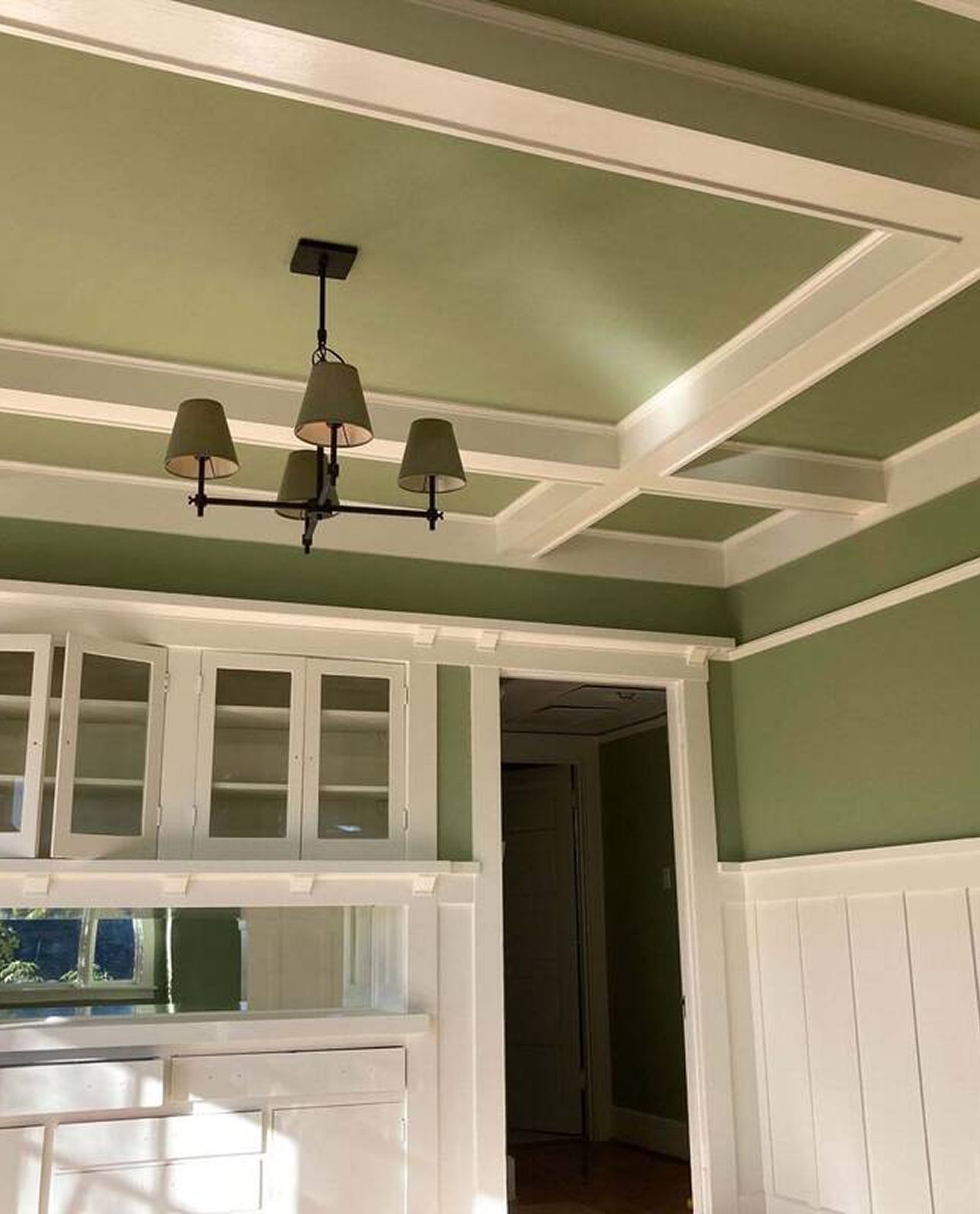
Interior painting is often simpler because owners usually have more control over walls, ceilings, bedrooms, kitchens, bathrooms, trim, doors, and cabinets inside their own unit or home.
However, condos and townhomes can still involve logistics that detached homes may not. Painters may need to protect common hallways, stairs, elevators, parking areas, shared walkways, or neighboring units. There may also be work-hour rules, noise restrictions, elevator reservations, or contractor check-in requirements.
Interior painting may be the owner’s choice, but access and building rules can still affect the project. That is especially true when materials, ladders, drop cloths, or equipment need to move through shared spaces before reaching the unit.
Shared Surfaces Need Extra Clarification
Shared or semi-private surfaces can create confusion. This is especially true in townhomes, condos, duplex-style layouts, and attached communities.
Examples can include balconies, patio walls, railings, fences, front doors, garage doors, exterior trim, stucco returns, common walls, exterior stairways, and shared entry areas. The owner may use the space every day, but that does not always mean they can paint it without approval.
If a surface is exterior-facing, attached to a shared structure, or visible from the community, it should be confirmed before painting. This protects the homeowner from starting work that later needs to be changed, stopped, or redone.
Access May Be Easier or Harder Depending on the Property
Single-family homes often give painters more direct access to the exterior through driveways, side yards, backyards, garages, and private outdoor spaces. This can make staging ladders, masking, washing, and equipment setup more straightforward.
Townhomes and condos may require painters to work around shared walkways, limited parking, narrow patios, stairwells, balconies, common landscaping, neighboring units, or HOA-controlled spaces. This does not mean the project is difficult, but it does mean access needs to be planned before the crew arrives.
Access should be discussed during the estimate so the project can be scheduled realistically. It also helps the painter understand what needs protection, where equipment can be placed, and whether any HOA or property manager coordination is needed.
HOAs Can Affect Colors, Timing, and Contractors
HOAs may have rules for exterior colors, visible doors, garage doors, railings, fences, balcony surfaces, patio covers, and trim. Some may require written approval even if the homeowner is repainting the same color.
HOAs may also have contractor requirements, such as insurance documentation, licensing, work-hour limits, cleanup rules, parking restrictions, and common-area protection. These requirements should be confirmed before scheduling so the project is not delayed.
This is not legal advice or a universal HOA rulebook. The practical point is that owners should verify requirements early, especially when the surface is visible from outside or connected to a shared structure.
Common Areas Can Change the Painting Plan
Condos and townhomes often require painters to move through or work near common areas. These might include shared driveways, sidewalks, courtyards, parking lots, lobbies, stairwells, elevators, hallways, landscaping, or exterior walkways.
Common-area protection may be needed before materials, ladders, paint, or drop cloths are brought in. If ladders or equipment need to sit in a shared space, the HOA or property manager may need to approve the setup.
Common areas should be treated as part of the planning process, not an afterthought. Thinking through access ahead of time can prevent delays on the project day and reduce disruption for neighbors.
Project Scope May Be Larger on a Single-Family Home
Single-family homes often include more owner-controlled exterior surfaces. The project may include stucco, siding, fascia, trim, garage doors, front doors, shutters, gates, fences, patio covers, pergolas, decks, railings, and detached structures.
This can make the scope broader, but also more straightforward from an approval standpoint if the homeowner is not in an HOA or has fewer exterior restrictions. The painter can evaluate the full exterior and help prioritize repairs, prep, and paint.
Single-family homes may involve more surfaces, while attached homes may involve more responsibility and approval questions. Neither project is automatically simpler. They just require different planning.
Project Scope May Be Smaller but More Coordinated in a Townhome or Condo
Condo and townhome projects may focus on interior rooms, cabinets, doors, trim, ceilings, or approved exterior elements. The scope may be smaller than a full single-family exterior repaint, but coordination can be more important.
A townhome owner may only be allowed to paint certain interior areas, a front door, or a patio feature after approval. A condo owner may need to coordinate elevator access, parking, common-area protection, and work hours even for an interior project.
Smaller scope does not always mean simpler planning. In attached communities, the details around access, approvals, and shared areas can matter as much as the painting itself.
Repairs Can Raise Responsibility Questions
Painting often reveals repairs, such as damaged trim, cracked stucco, peeling caulk, water stains, soft wood, drywall damage, or failing coatings. In a single-family home, the owner usually decides how and when to handle those repairs.
In a condo or townhome, the question may be more complicated. An exterior repair may be the owner’s responsibility, HOA responsibility, or shared responsibility depending on the governing documents. Homeowners should confirm responsibility before approving repairs to exterior or shared surfaces.
Repair responsibility should be clear before painting begins. This is especially important when the repair involves stucco, siding, railings, balcony details, shared trim, or exterior-facing doors.
Color Choices May Have Different Levels of Freedom
Single-family homeowners may have more freedom to choose exterior colors, trim colors, front door colors, and accent details, especially when no HOA restrictions apply. They still need to consider the home’s style, roof, landscaping, neighboring homes, and resale appeal.
Townhome and condo owners may have fewer exterior color options. Approved palettes, uniform community standards, and visible exterior consistency may limit choices. Interior colors are usually more flexible, but exterior-facing elements should be confirmed.
Color planning depends on both design and property rules. A color that works beautifully on a detached home may not be allowed on a townhome door, balcony railing, or garage door if the community has a defined palette.
Interior Updates May Still Need Planning
Even when HOA approval is not needed, interior updates can still benefit from a clear plan. Painting walls, ceilings, doors, trim, or cabinets in the wrong order can create extra prep, touch-ups, or protection issues.
For example, cabinet painting and refinishing should be coordinated with nearby wall painting, hardware changes, countertop work, and flooring updates. In a condo or townhome, the painter may also need to consider building access, parking, elevator use, and common-area protection.
Detached homes usually have fewer shared-access concerns, but the order of work still matters. A good estimate should help clarify what gets painted first, what needs protection, and whether any repairs should happen before finish coats go on.
A Practical Planning Order for University City Homeowners
A clear sequence can help avoid delays, denied approvals, duplicated work, or confusion about who controls each surface.
- Confirm whether the home is detached, attached, condo, townhome, or HOA-managed.
- Separate interior, exterior, private, and shared surfaces.
- Confirm which surfaces the owner can paint independently.
- Check whether colors, repairs, or contractor documents need approval.
- Review access, parking, work hours, and common-area protection.
- Identify repairs that should happen before painting.
- Decide whether the scope should include one room, multiple rooms, exterior surfaces, or a phased plan.
- Schedule painting after responsibilities and logistics are clear.
This order helps homeowners avoid making assumptions based only on appearance. It also gives the painter a clearer understanding of what can be included in the project.
What to Clarify Before Scheduling the Work
Before scheduling, homeowners should clarify which surfaces are included, who is responsible for maintaining them, whether the project is interior-only or visible from outside, and whether approval is required before work begins.
They should also confirm access, parking, pets, elevators, shared walkways, work hours, and any contractor documentation the HOA or property manager may need. These details may feel minor, but they can affect scheduling, setup, protection, and how smoothly the project goes.
The estimate should help define the painting scope, but condo and townhome owners should still verify HOA or association requirements before scheduling exterior or shared-surface work.
Talk With a University City Painting Company Before Scheduling
A professional painter can help homeowners think through project scope, surface condition, repairs, preparation, protection, and sequencing. This is useful for both single-family homes and attached properties, but especially important when shared surfaces or HOA rules may affect the work.
Speaking with an experienced University City painting company can help homeowners evaluate interior painting, exterior painting, trim, doors, cabinets, fences, balconies, patio areas, access needs, and surface prep before choosing the right plan for the property type.
Chism Brothers Painting can help clarify what belongs in the painting scope, what may require approval, and what should be handled before work begins.
Plan Your University City Painting Project With Chism Brothers Painting
If you are deciding how to approach painting a University City single-family home, condo, or townhome, Chism Brothers Painting can help clarify the scope and order of work. They can review interior and exterior surfaces, access, repairs, preparation, protection, and HOA-related requirements so the project is easier to schedule and complete.
Reach out today for a free, no-obligation estimate. Chism Brothers can help you understand what changes based on your property type and how to plan the painting project in the right order.
Tell us about your project
Tell Us About Your Project
Contact us today to schedule a visit from one of our estimators! We’ll come to your home and provide a detailed estimate.
(858) 454-3850