How Often Does My Rancho Santa Fe House Need Repainting?
Last Updated: May 8, 2026
Most Rancho Santa Fe homes should be repainted every 7 to 10 years, but homes with heavy sun exposure, aging stucco, detailed trim, wood elements, or early paint failure may need attention sooner.
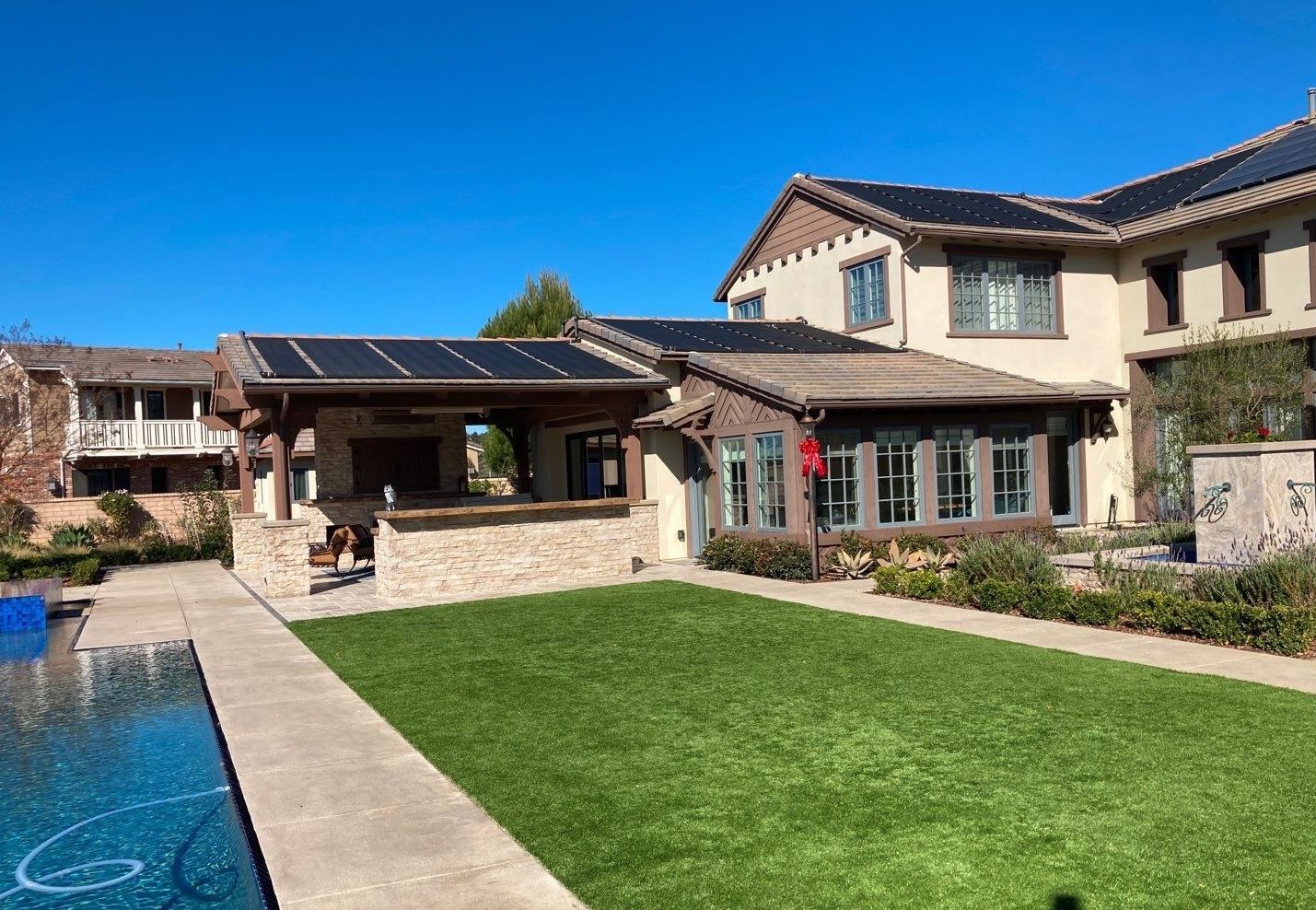
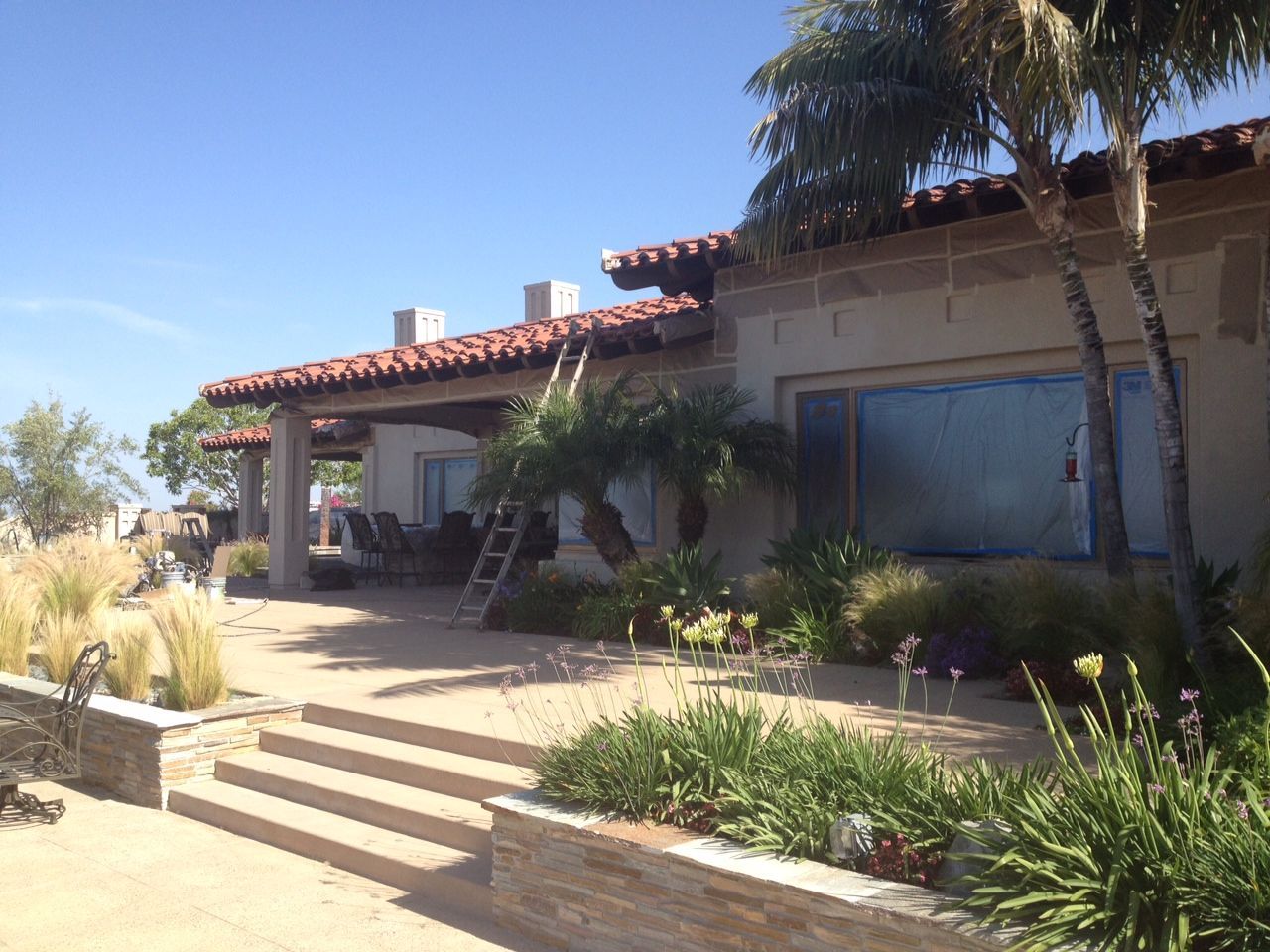
That timeline is a helpful starting point, but it should not be treated as a firm rule. Larger homes and custom properties in Rancho Santa Fe often have more exterior surfaces, more trim, more access considerations, and more architectural details to protect. Many also include stucco exteriors, wood accents, gates, doors, shaded courtyards, sunny elevations, and landscaped outdoor living areas.
Because of that, repainting frequency depends on both the age of the paint and how the home is actually wearing.
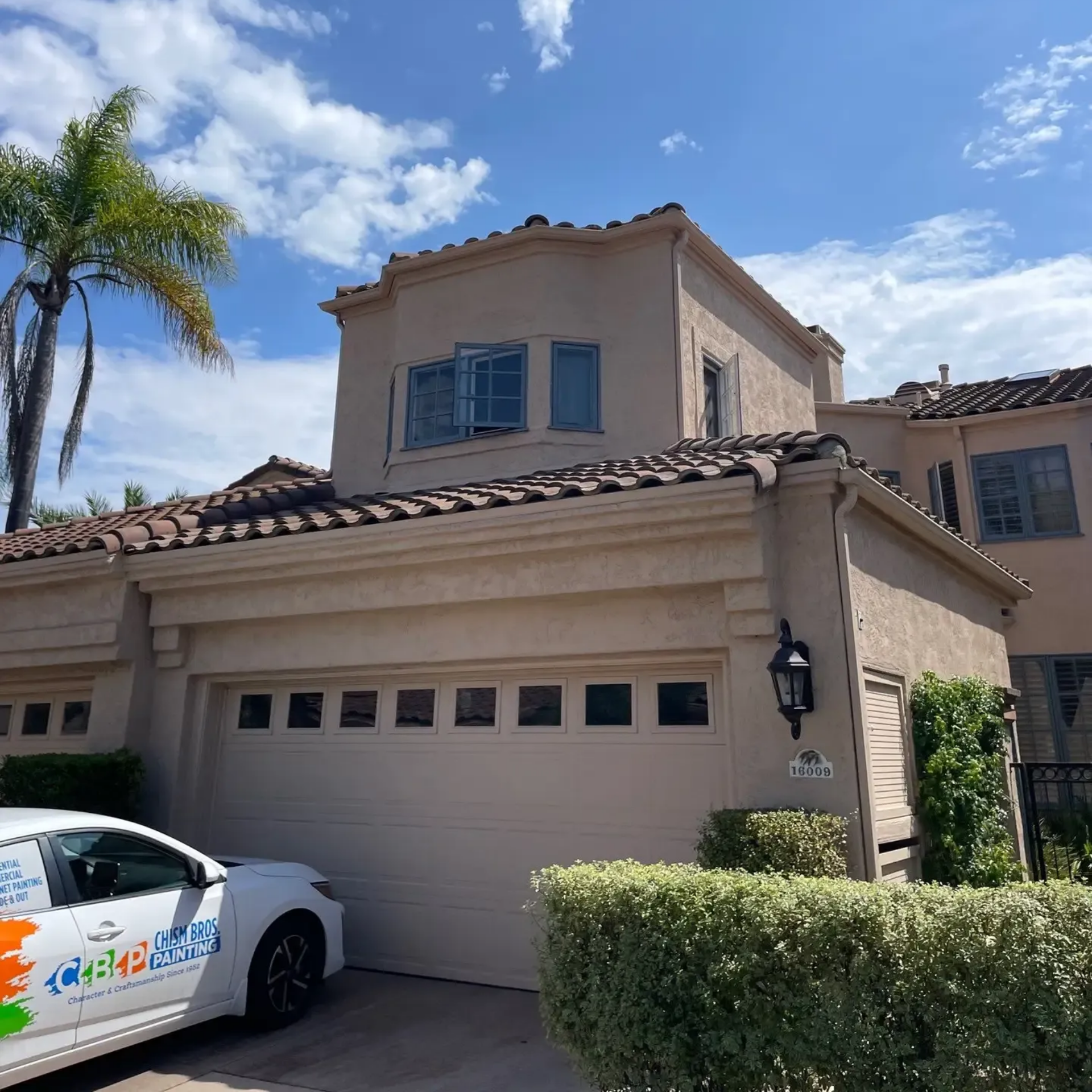
The General Repainting Timeline for Rancho Santa Fe Homes
For a well-prepped exterior repaint, 7 to 10 years is a common planning range. A home with proper prep, quality paint, and moderate exposure may last longer, while a home with fading, peeling, cracked caulk, chalking, or exposed wood may need attention sooner.
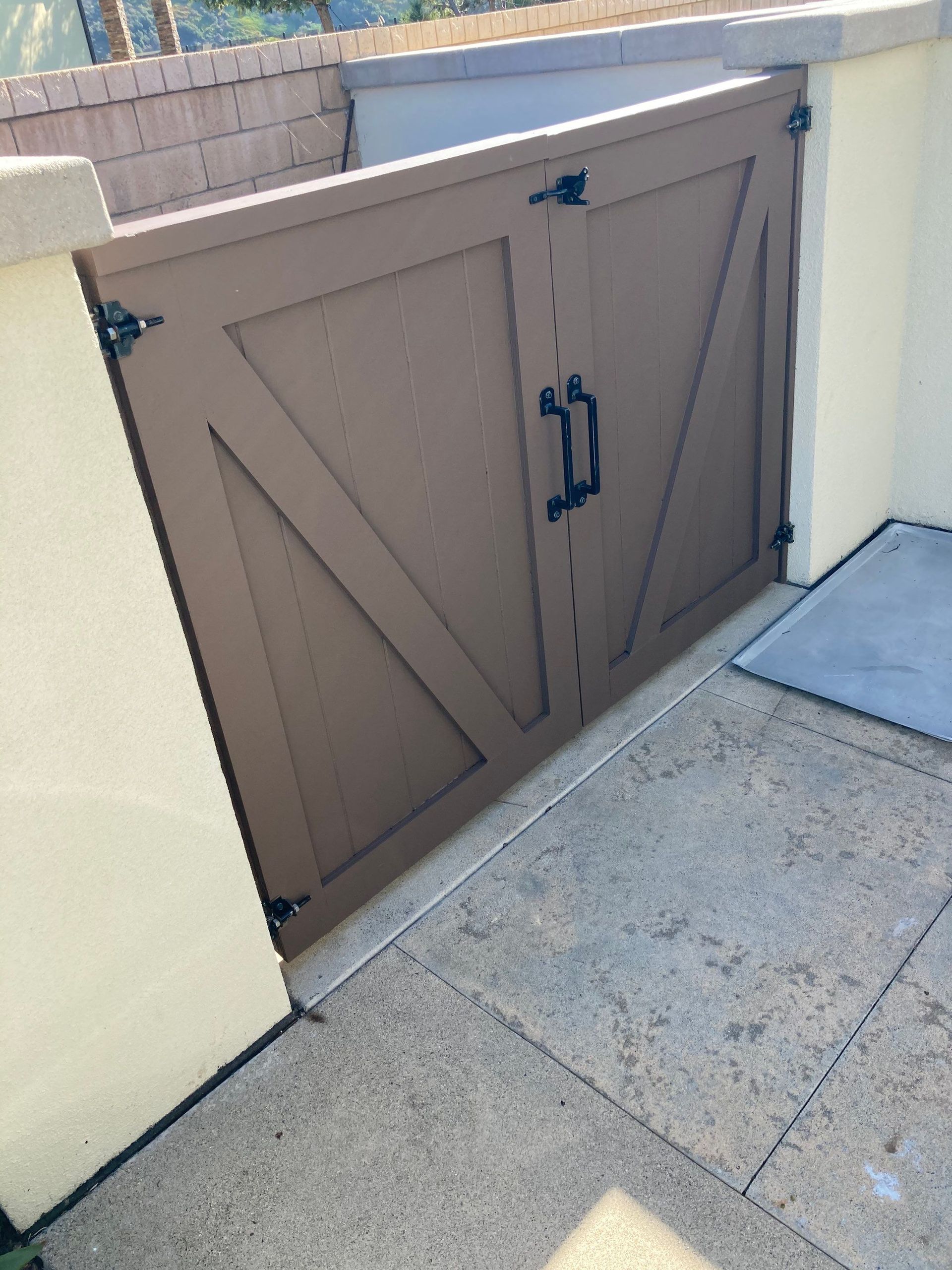
It is also helpful to look at different parts of the home separately. One side may still look clean and well protected, while another side may show fading or chalking from stronger sun exposure. A gate, garage door, fascia board, or sun-facing wall may need attention before the entire exterior does.
The condition of the home matters more than the calendar. If the paint is still bonded, the caulk is holding, and the surfaces are protected, you may have more time. If the finish is breaking down, waiting another year or two can make the project more involved.
Why Rancho Santa Fe Homes Need Careful Maintenance
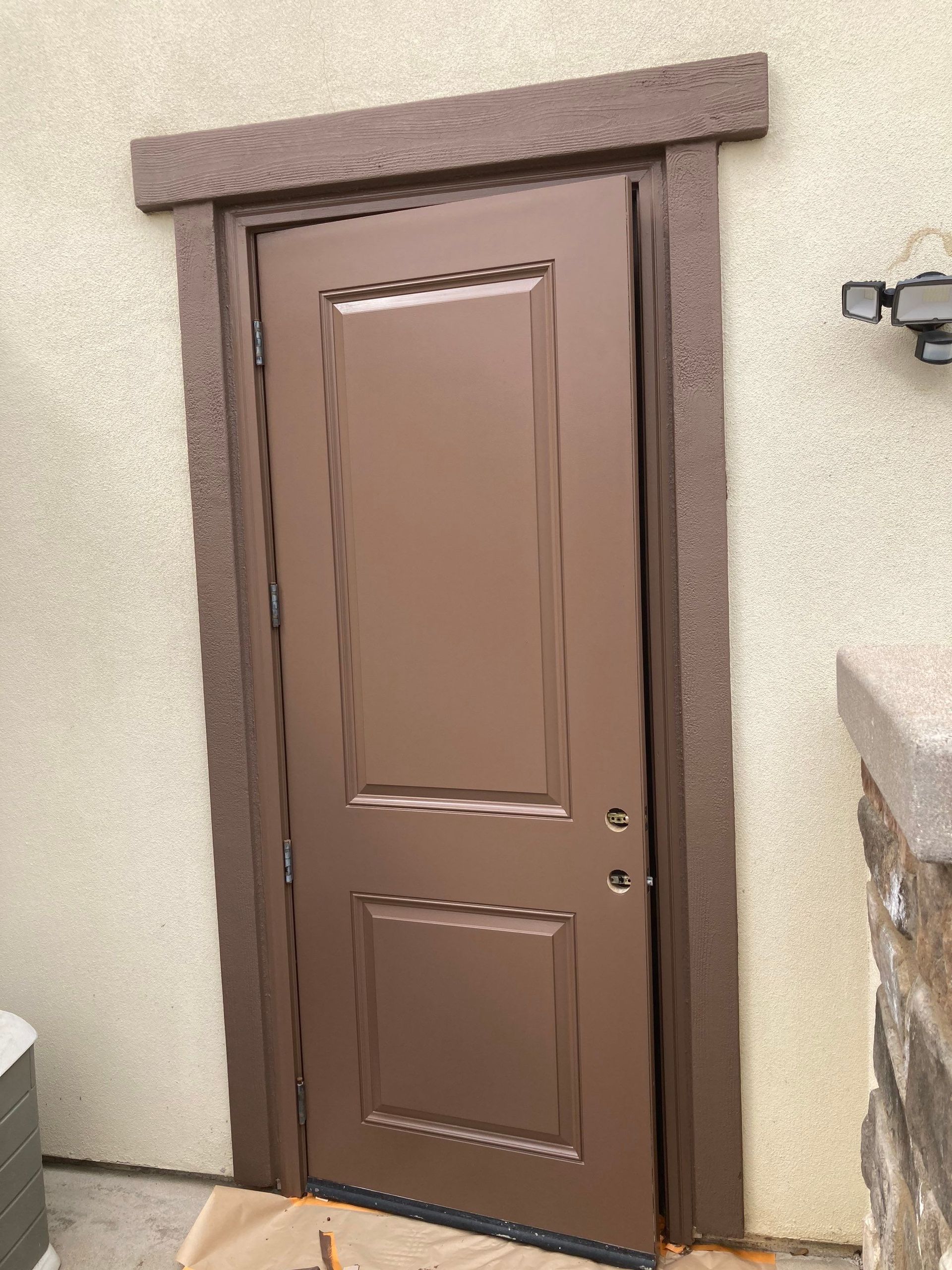
Many Rancho Santa Fe homes have larger and more detailed exteriors than a basic repaint. A maintenance plan may need to account for stucco walls, wood trim, fascia, garage doors, gates, shutters, balconies, railings, pergolas, exterior doors, and detached structures.
Larger properties may also include guest houses, pool houses, perimeter walls, casitas, or other painted features that age differently from the main home. Some areas may get full sun most of the day, while others stay shaded by trees, courtyards, or covered outdoor spaces.
Exterior paint is not just about appearance. It helps protect surfaces from sun, moisture, and everyday wear. When a home has multiple materials and detailed exterior features, staying ahead of paint wear can help prevent small issues from turning into larger repairs.
Signs It May Be Time to Repaint Sooner
Homeowners should not wait until the exterior looks worn from the street. Early warning signs often show up first on sun-facing walls, trim, doors, gates, fascia, and areas near moisture or irrigation.
Faded Paint
Fading is one of the most common signs that exterior paint is aging, especially on areas with strong sun exposure. On a larger Rancho Santa Fe home, one side may fade faster than another. Fading may start as a curb appeal issue, but it can also signal that the coating is getting older.
Chalky Paint
Chalking happens when paint breaks down and leaves a powdery residue on the surface. This can show up on stucco, trim, or painted walls as the coating ages. Chalky surfaces need to be cleaned and prepared properly before repainting so the new coating can bond well.
Peeling Paint
Peeling means the paint is no longer protecting the surface properly. This should not be ignored, especially around wood trim, fascia, doors, gates, and other exposed details. Painting over peeling paint is not a good solution because the loose coating needs to be removed and the surface needs to be prepared first.
Cracked Caulk
Cracked or open caulk around trim, windows, doors, and joints can allow moisture into areas that should stay sealed. On larger homes with more trim and transitions, this can become a bigger maintenance issue if it is ignored.
Exposed Wood
Exposed wood, dry trim, or worn finishes should be addressed before they turn into repair work. This may apply to fascia, beams, gates, doors, shutters, pergolas, and other exterior wood features. Protecting these areas early can help reduce more expensive repairs later.
What Affects How Long Exterior Paint Lasts?
Repainting frequency depends on the home’s materials, exposure, previous paint job, and maintenance between projects. Two Rancho Santa Fe homes may be similar in size but need repainting at different times because of sun exposure, landscaping, surface condition, and prep quality.
The biggest factors include:
- Sun exposure: Open lots, large elevations, and outdoor living areas can receive strong sunlight, which may cause fading, chalking, and surface wear over time.
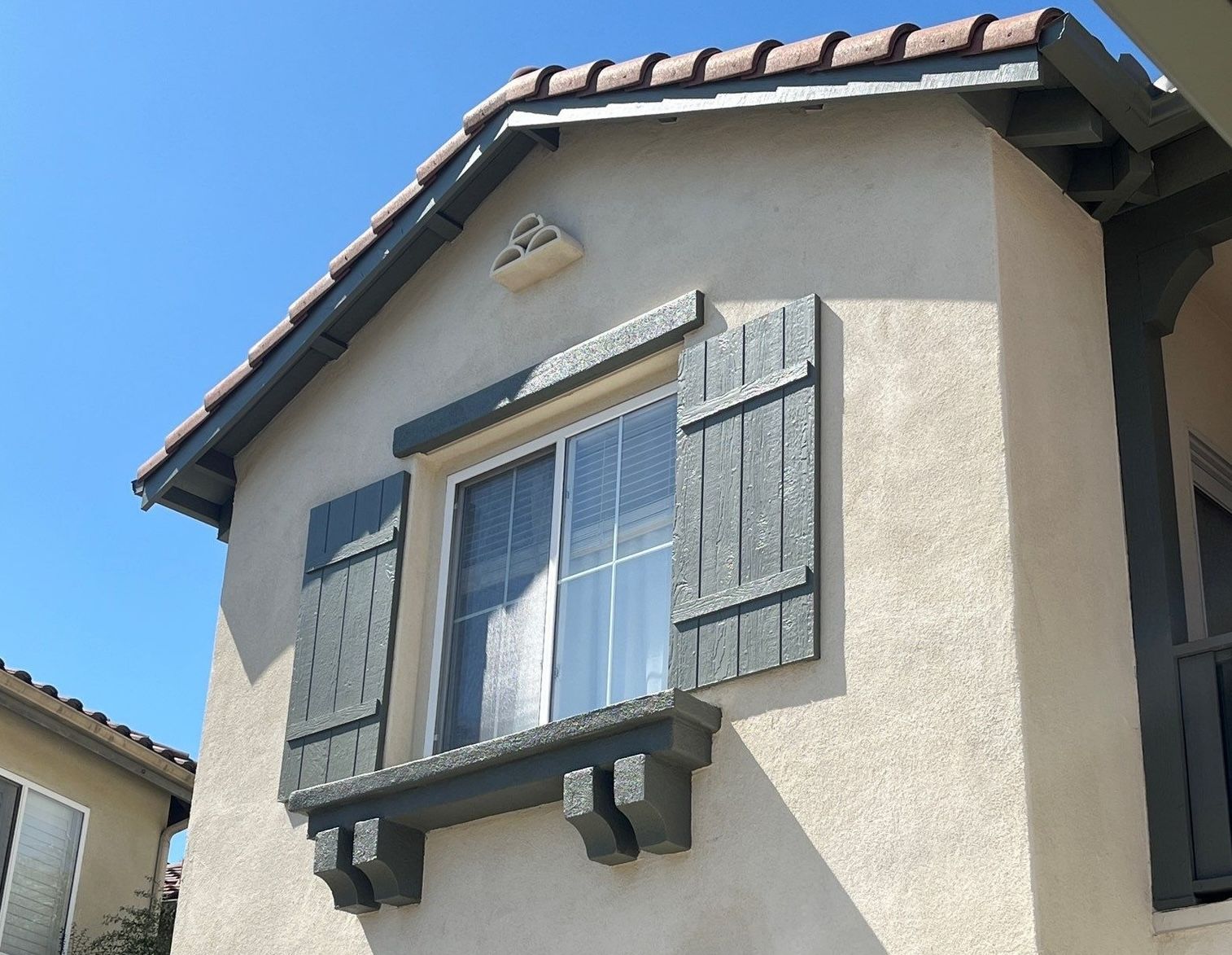
- Stucco and wood details: Stucco walls, wood doors, trim, fascia, gates, shutters, and beams may age at different rates and need different prep or coating approaches.
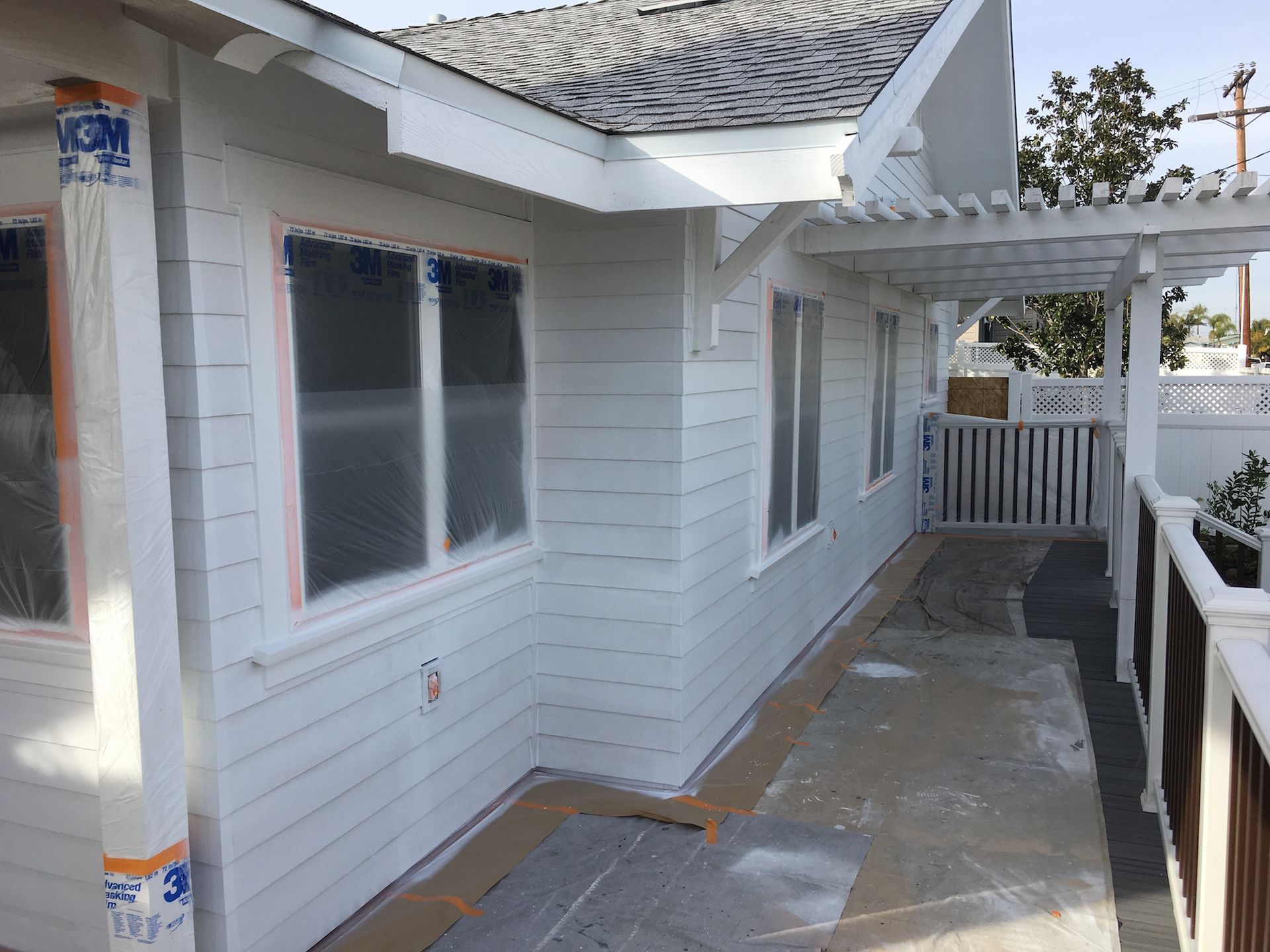
- Previous prep work: Washing, scraping, sanding, priming, caulking, and repairs all affect how long the paint lasts.
- Paint quality: Even high-quality paint will not perform well if the surface was not prepared correctly.
- Landscaping and irrigation: Sprinklers, plants close to the home, shaded areas, and moisture near the landscape can affect certain areas faster than others.
- Ongoing maintenance: Addressing small paint failures, trimming plants back, and checking caulk can help extend the life of the paint job.
These details matter because a repainting schedule should account for the entire exterior, not just the main body color.
Should You Repaint the Whole House or Handle Maintenance Areas First?
Not every issue means the entire house needs to be repainted immediately. If most of the exterior is still in good condition, targeted maintenance may help protect problem areas and extend the life of the existing paint job. This can make sense for a gate, a section of fascia, a sun-exposed wall, or a few worn wood details.
However, if fading, chalking, peeling, cracked caulk, or exposed surfaces are showing across multiple areas, a full repaint may be the better long-term choice. At that point, small fixes may only delay the project while the exterior continues to wear.
For larger Rancho Santa Fe properties, homeowners may also phase work by area. The main house, detached structures, perimeter walls, gates, and outdoor living features can sometimes be planned separately. This should be treated as a practical maintenance plan, not a shortcut around needed repairs.
Why Waiting Too Long Can Make Repainting More Expensive
Delaying a repaint can turn a maintenance project into a repair-heavy project. Once paint fails, the home may need more scraping, sanding, priming, caulking, stucco patching, wood repair, or detail work before new paint can be applied.
For Rancho Santa Fe homes, waiting too long can also affect high-visibility features like front entries, garage doors, gates, exterior beams, balconies, and outdoor living spaces. These areas help define the look of the property, so keeping them protected matters for both curb appeal and long-term maintenance.
Repainting at the right time helps protect the property, preserve the home’s appearance, and reduce avoidable repairs.
Schedule an Exterior Painting Evaluation for Your Rancho Santa Fe Home
Rancho Santa Fe homes deserve a detailed evaluation before choosing a repainting schedule. The condition of the stucco, trim, wood details, previous coatings, access, landscaping, and exterior features can all affect whether the home needs a full repaint or targeted maintenance.
Chism Brothers Painting can review your Rancho Santa Fe home’s exterior and recommend the right next step based on how the home is actually wearing. If you are seeing fading, chalking, peeling paint, cracked caulk, exposed wood, or worn exterior details, scheduling an
exterior painting estimate can help you plan the project before small issues become larger repairs.


Tell us about your project
Tell Us About Your Project
Contact us today to schedule a visit from one of our estimators! We’ll come to your home and provide a detailed estimate.
(858) 454-3850