Should You Repair or Replace Weathered Wood Before Repainting an Oceanside Home?
Last Updated: August 20, 2026
Weathered exterior wood can often be repaired and repainted if it is dry, solid, and only has surface wear, but soft, rotted, swollen, crumbling, or structurally damaged wood should usually be replaced before painting.
Wood problems should be handled before repainting, not hidden under fresh paint. A new coat can improve the appearance for a short time, but paint will not restore wood that has already lost strength, softened, or started to rot.
Oceanside homes may deal with marine layer, salt air, damp mornings, and strong sun exposure. Over time, those conditions can wear down paint and expose fascia, trim, doors, window surrounds, and other exterior wood details. Knowing whether the wood can be repaired or needs replacement helps homeowners plan the project correctly before paint goes on.
Why Wood Condition Matters Before Painting
Exterior paint helps protect wood from sun, moisture, and daily exposure. Once paint starts peeling, cracking, or wearing away, the wood underneath becomes more vulnerable.
Wood condition matters because it affects:
- How well the new paint will bond
- Whether the finished surface will look smooth
- Whether the same problem will come back
- Whether moisture can continue damaging the area
- Whether repair or replacement should happen before painting
Repainting should start with a surface that is clean, dry, and stable. If the wood is failing underneath, the paint job is being set up to fail too. That is why the condition of the wood matters just as much as the color or coating that will be applied.
Common Exterior Wood Areas to Check
Homeowners should inspect the wood details that take the most exposure or are most likely to be overlooked. Some problems may be visible from the ground, while others may need closer inspection during an estimate.
Areas to check include:
- Fascia boards
- Eaves and soffits
- Window trim and sills
- Door trim and jambs
- Garage trim
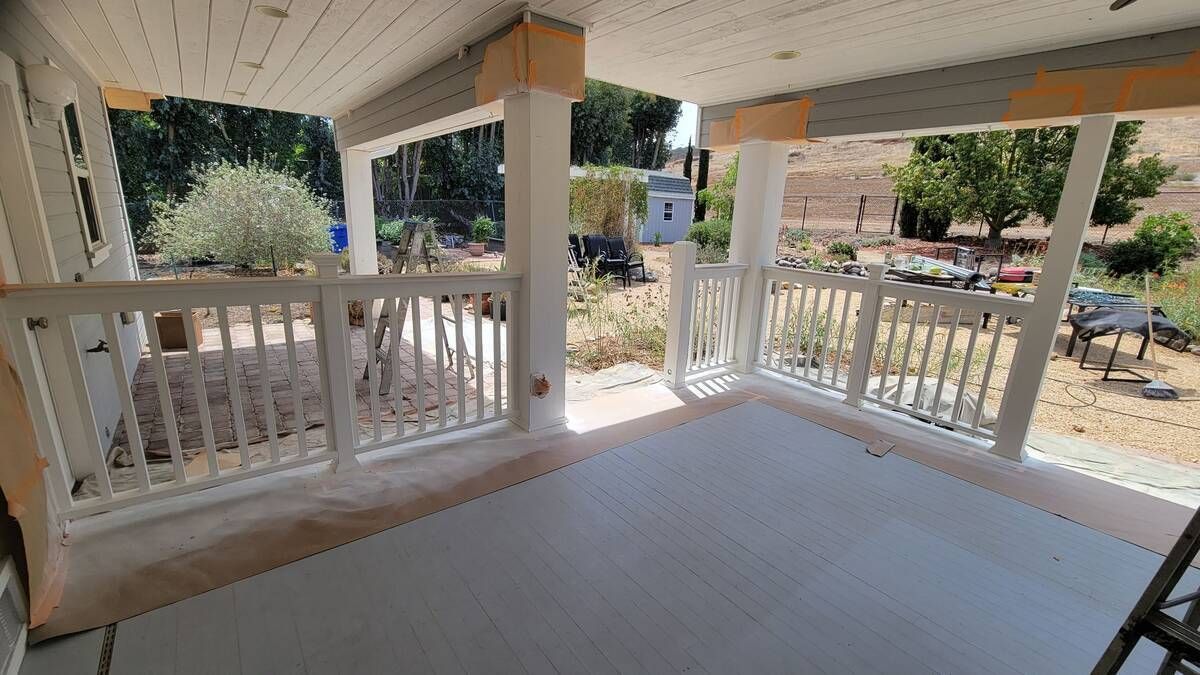
- Porch posts and railings
- Shutters and decorative trim
- Wood gates or fences near the home
- Beams, pergolas, and balcony details
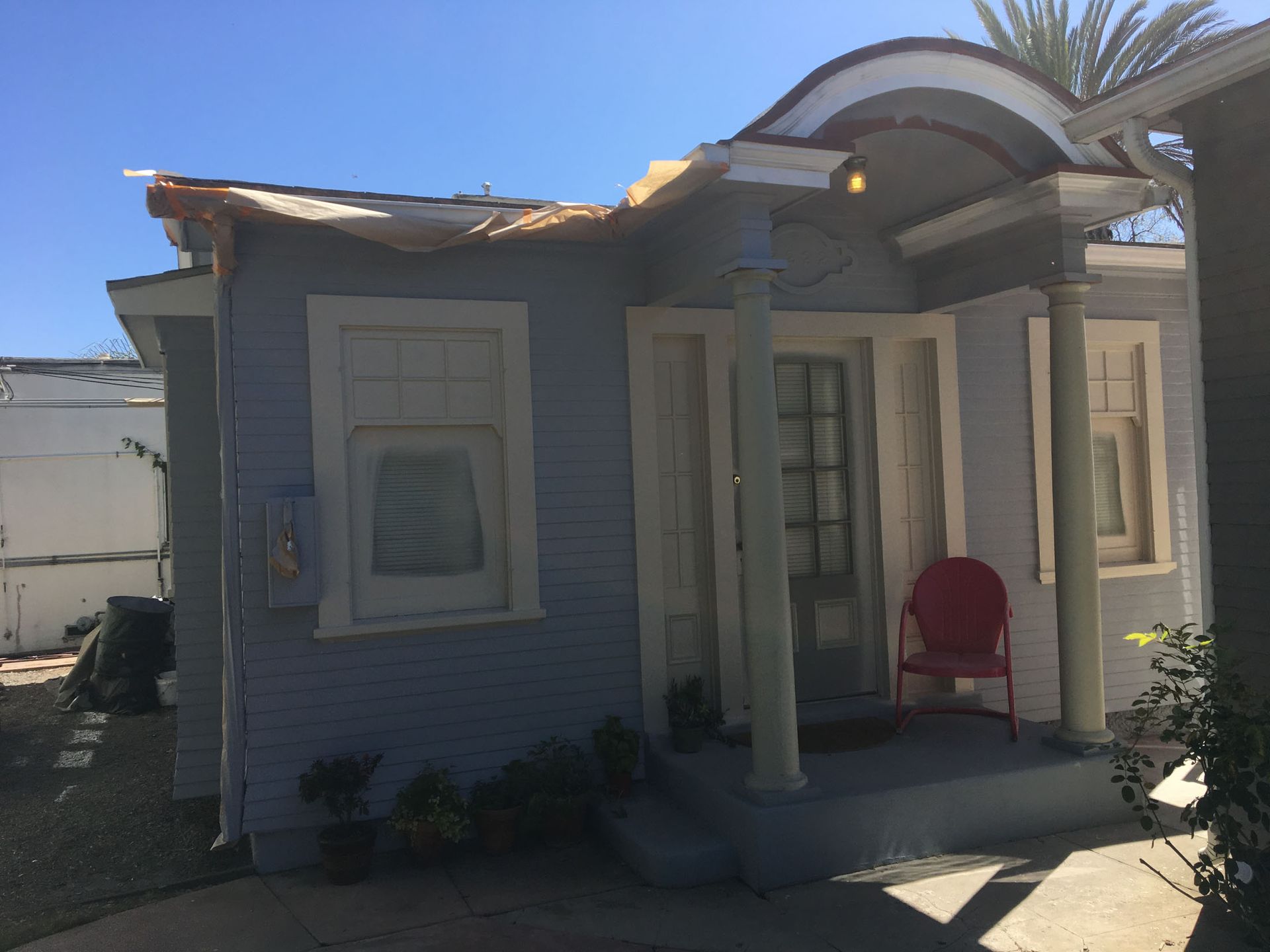
Fascia and trim often show wear first because they are exposed to sun, roof runoff, moisture, and changing weather. These areas also have seams, edges, and joints where paint and caulk can start to fail over time.
When Weathered Wood Can Usually Be Repaired and Painted
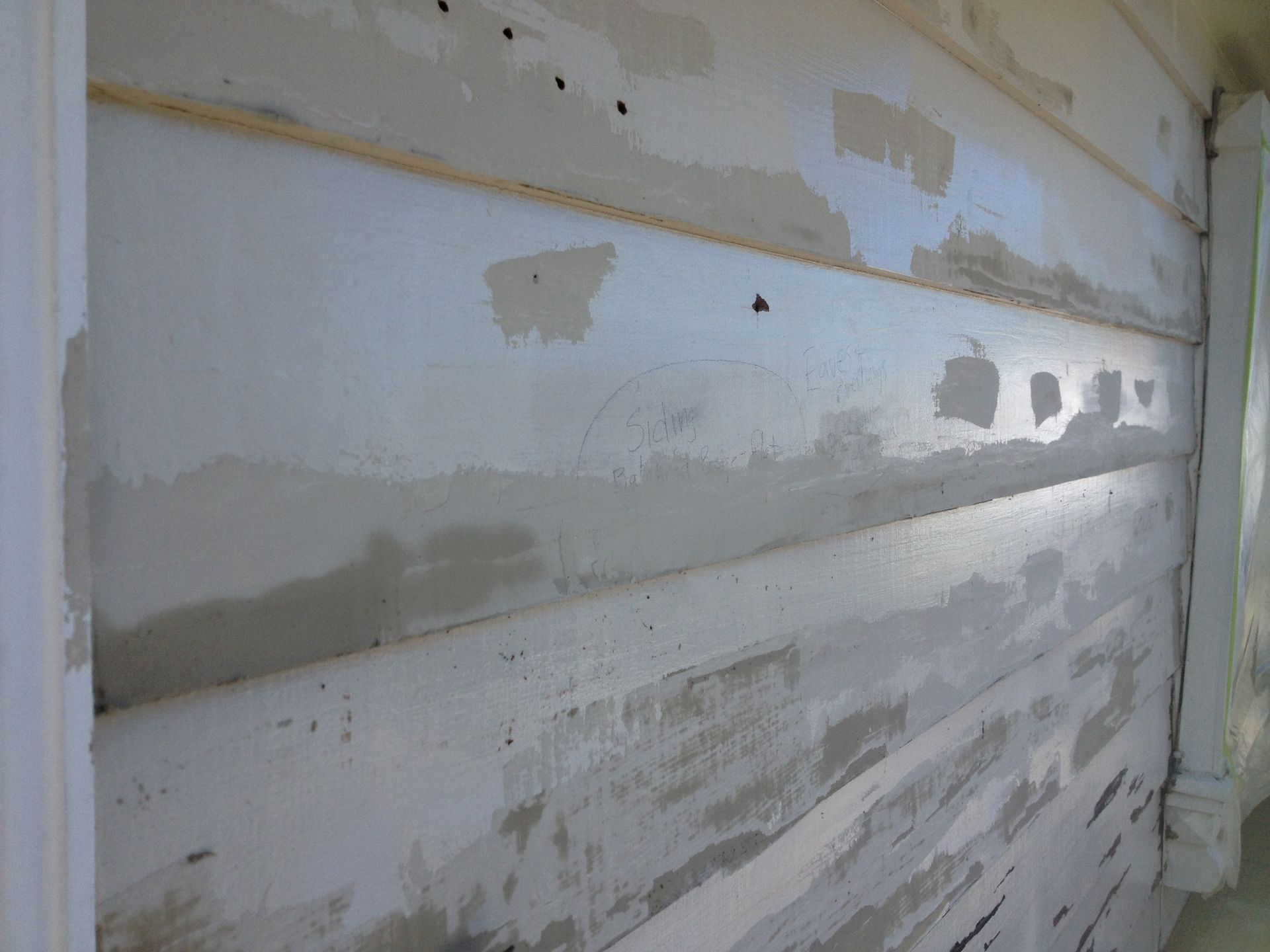
Not all weathered wood needs replacement. If the wood is still solid, the damage may be limited to the paint film or surface layer.
Wood may be repairable if it has:
- Faded or peeling paint
- Dry surface cracking
- Minor checking or roughness
- Small gaps at joints
- Shallow surface wear
- Bare wood that is still firm
- Minor nail holes or cosmetic damage
Repair may involve scraping loose paint, sanding rough areas, filling small imperfections, replacing failed caulk, priming bare wood, and repainting with the right coating.
The main point is simple: if the wood is still structurally sound, careful prep can often restore protection and appearance. The goal is not to replace wood unnecessarily. It is to make sure the surface is stable enough for the new paint to perform properly.
When Wood Should Be Replaced Before Repainting
Some wood is too damaged for paint or minor repair to solve. If the material is soft, rotted, swollen, separating, or crumbling, replacement is usually the better long-term option.
Wood may need replacement if it shows:
- Soft or spongy areas
- Rot or crumbling sections
- Deep cracks or splitting
- Swelling from moisture
- Pieces pulling away from the home
- Repeated paint failure in the same area
- Dark staining that suggests moisture damage
- Wood that will not hold caulk, primer, or fasteners
Painting over these issues may hide the problem temporarily, but the damage can continue under the surface. Replacement creates a stable base for primer, caulk, and paint so the finished work has a better chance to last.
How to Tell Surface Wear From Deeper Wood Damage
Homeowners can look for simple visual clues, but they should avoid aggressively poking, cutting, or damaging the wood themselves. The goal is to understand what might be happening before asking for an estimate.
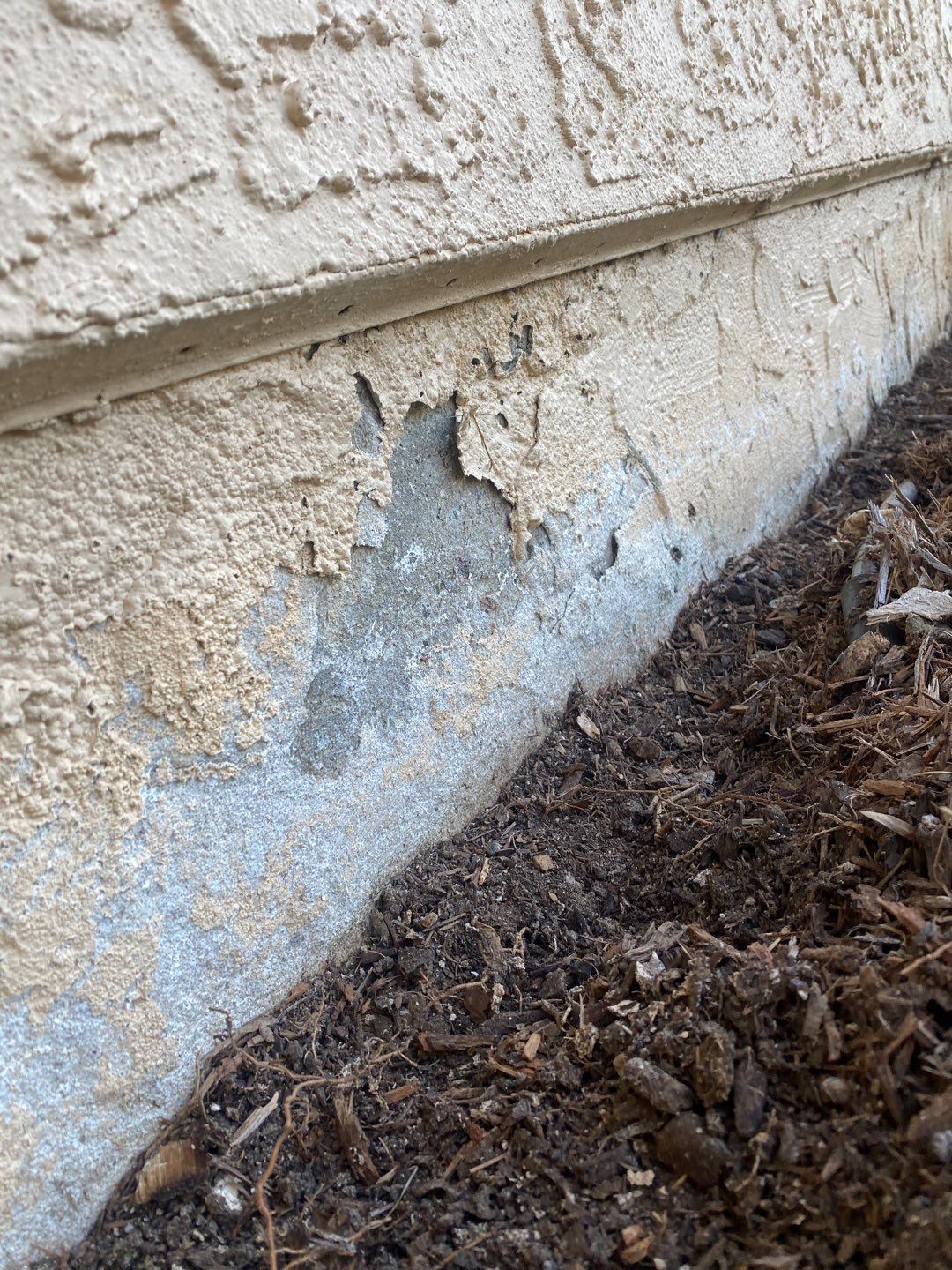
Surface wear often looks like faded paint, peeling paint, rough texture, or shallow cracking while the wood still feels firm. Deeper damage may look darker, swollen, soft, split, warped, or crumbly.
Recurring peeling in the same spot is also an important clue. If paint keeps failing on one piece of trim, fascia, or window casing, there may be moisture, failed caulk, poor drainage, or deteriorated wood behind the problem. Repainting that area without addressing the cause may lead to the same issue returning.
Why Fascia Boards Often Need Extra Attention
Fascia boards are especially vulnerable because they sit near the roofline. They can be exposed to sun, moisture, roof runoff, gutters, wind, and open board ends that absorb water if they are not sealed well.
For Oceanside homes, fascia may also be affected by coastal moisture and damp mornings, especially if the paint or caulk has already started to fail. Because fascia is higher up, homeowners may not notice deterioration until the paint is peeling, the board is cracking, or the wood is already soft.
If fascia is only faded or peeling, it may be repairable with scraping, sanding, priming, caulking, and paint. If it is soft, warped, rotted, or pulling away, replacement should be considered before painting. Painting over damaged fascia may make it look better briefly, but it will not correct the underlying wood failure.
Why Caulking and Sealing Matter Around Wood Repairs
Caulk helps seal joints and gaps around trim, fascia, windows, doors, and other wood details. Failed caulk can allow moisture into areas that should be protected.
Painting over cracked or separated caulk is not enough. The old failing caulk may need to be removed and replaced before primer and paint are applied. If gaps remain open, water can continue getting behind the paint or into the wood.
Wood repair is not only about the board itself. The surrounding joints, seams, and edges need to be sealed properly so the new paint has a better chance to last. This is especially important around window trim, door trim, fascia transitions, and any place where two materials meet.
Should You Replace One Board or Repaint the Whole Area?
Homeowners may not need to replace every piece of wood just because one area is damaged. The right scope depends on how widespread the deterioration is and how visible the area will be after painting.
If only one fascia board, trim section, or sill is damaged, targeted replacement may be enough. If several areas are peeling, soft, cracked, or exposed, the project may need a broader repair and repainting plan.
After wood replacement, the surrounding area may also need repainting so the color and finish blend well. On older or sun-faded exteriors, small touch-ups may not match perfectly. In some cases, painting a full trim section, fascia run, wall, or exterior elevation may look cleaner than spot-painting only the repaired board.
Why Replacement Before Painting Can Save Money Later
Replacing damaged wood before painting can feel like an added cost, but it can prevent the homeowner from paying to paint the same area twice. If rotten or unstable wood is painted over, the paint may fail quickly and the repair will still need to be done.
The goal is not to replace wood unnecessarily. The goal is to avoid spending money on paint that cannot perform because the surface underneath is too damaged.
When repairable wood is prepped correctly, repainting can protect it and improve the appearance of the home. When wood is too far gone, replacement gives the paint a stronger foundation and helps reduce repeat problems later.
What to Ask Before Repainting Weathered Wood
During an estimate, homeowners should ask questions that clarify whether the project includes surface prep, repair, replacement, caulking, primer, and blending.
Helpful questions include:
- Is the wood still solid enough to repaint?
- Which areas need repair before painting?
- Which areas should be replaced?
- Will loose paint be scraped and sanded?
- Will bare wood be primed before painting?
- Is caulking included around trim, fascia, windows, and doors?
- Will replacement boards be painted to blend with the surrounding exterior?
- Are moisture or drainage issues causing repeat damage?
Clear answers help homeowners understand whether they are getting a quick cosmetic repaint or a more durable repair-and-paint approach. They also make it easier to compare estimates if one scope includes repair work and another only includes painting.
Talk With an Oceanside Painting Company Before Repainting
Homeowners should consider a professional evaluation if wood is peeling, exposed, soft, stained, cracked, or failing repeatedly. A painter can help determine whether the issue is surface-level weathering, minor repair, or wood deterioration that should be replaced before painting.
Speaking with an experienced Oceanside painting company can help you understand whether your fascia, trim, doors, window details, caulking, and exterior paint condition are ready for repainting or need repair first.
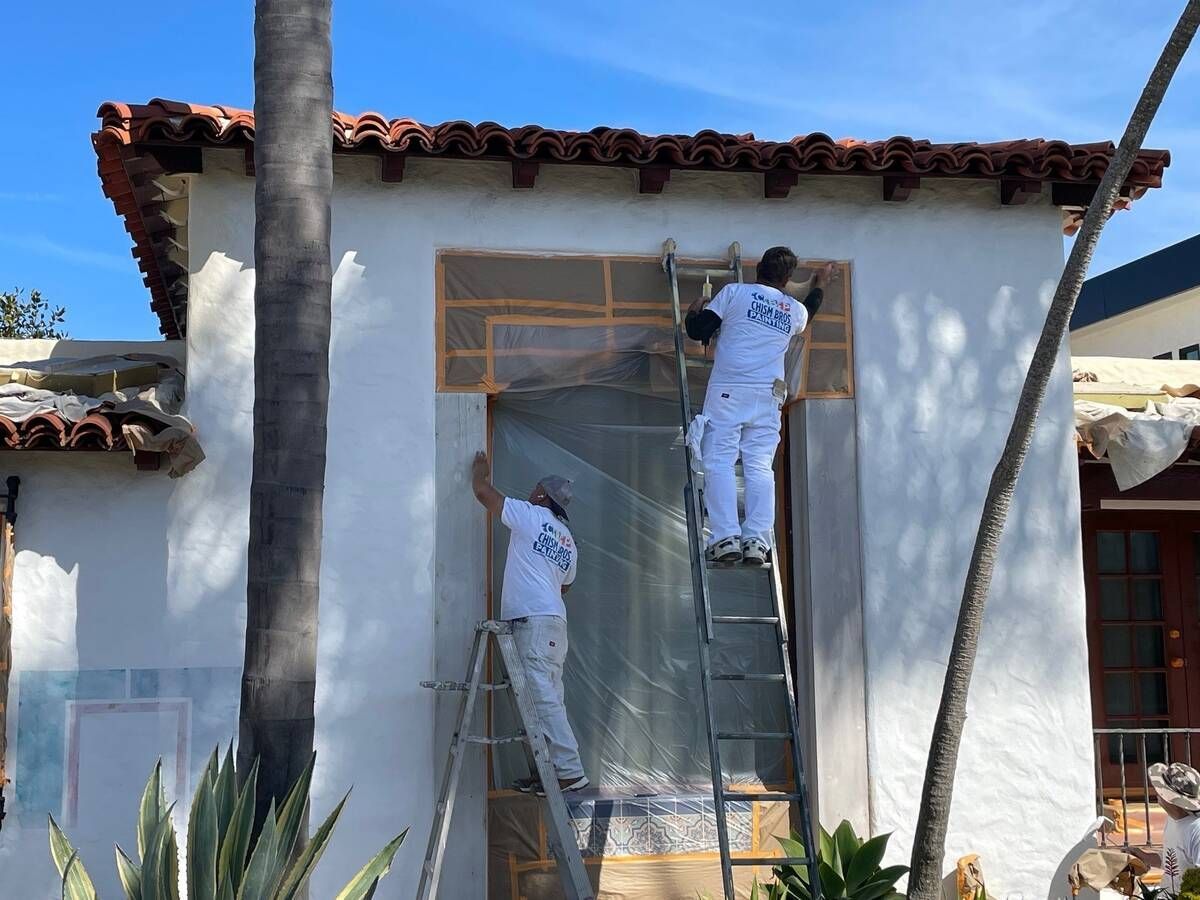
Chism Brothers Painting can inspect the exterior and recommend whether repair, replacement, prep, or repainting should come first.
Plan Your Oceanside Wood Repair and Repainting Project With Chism Brothers Painting
If you are seeing peeling paint, exposed wood, soft fascia, cracked trim, failed caulk, or recurring paint failure, Chism Brothers Painting can inspect the exterior and explain what should be repaired or replaced before repainting. This helps protect the home and gives the new paint a better surface to bond to.
Reach out today for a
free, no-obligation estimate. Chism Brothers can give you honest guidance on whether the wood can be repaired and repainted, what should be replaced first, and how to plan the project correctly from the start.
Tell us about your project
Tell Us About Your Project
Contact us today to schedule a visit from one of our estimators! We’ll come to your home and provide a detailed estimate.
(858) 454-3850