Peeling Paint on an Oceanside Home: Is It Paint Failure or a Moisture Problem?
Last Updated: August 20, 2026
Peeling paint may be normal paint failure if the coating is old, sun-worn, or poorly bonded, but bubbling, recurring peeling, stains, soft wood, or damage near windows and lower walls may point to a moisture or substrate problem that should be fixed before repainting.
Peeling paint is not always caused by the same issue. Sometimes the paint itself has simply reached the end of its life. Other times, the coating is reacting to moisture, failed caulk, damaged wood, poor surface prep, or a surface that was not ready to be painted.
Oceanside homes may deal with marine layer, salt air, damp mornings, sun exposure, and older exterior materials. That makes it important to look at where the paint is failing, what the surface underneath looks like, and whether repainting alone is likely to solve the problem.
Why Peeling Paint Should Not Be Ignored
Peeling paint becomes more than a cosmetic issue once the coating starts separating from the surface. Paint helps protect stucco, wood trim, fascia, doors, siding, and other exterior materials. When it peels away, the surface underneath becomes more exposed.
Peeling paint can lead to:
- More exposed wood or stucco
- Moisture getting into open gaps
- Larger areas of paint failure
- More scraping, sanding, and priming later
- Higher repair costs if wood or stucco damage develops
Catching the cause early can help homeowners avoid repainting the same problem area again and again. The goal is not just to cover the peeling paint. It is to understand why the paint failed so the next finish has a better chance to last.
When Peeling Is Mostly Paint Failure
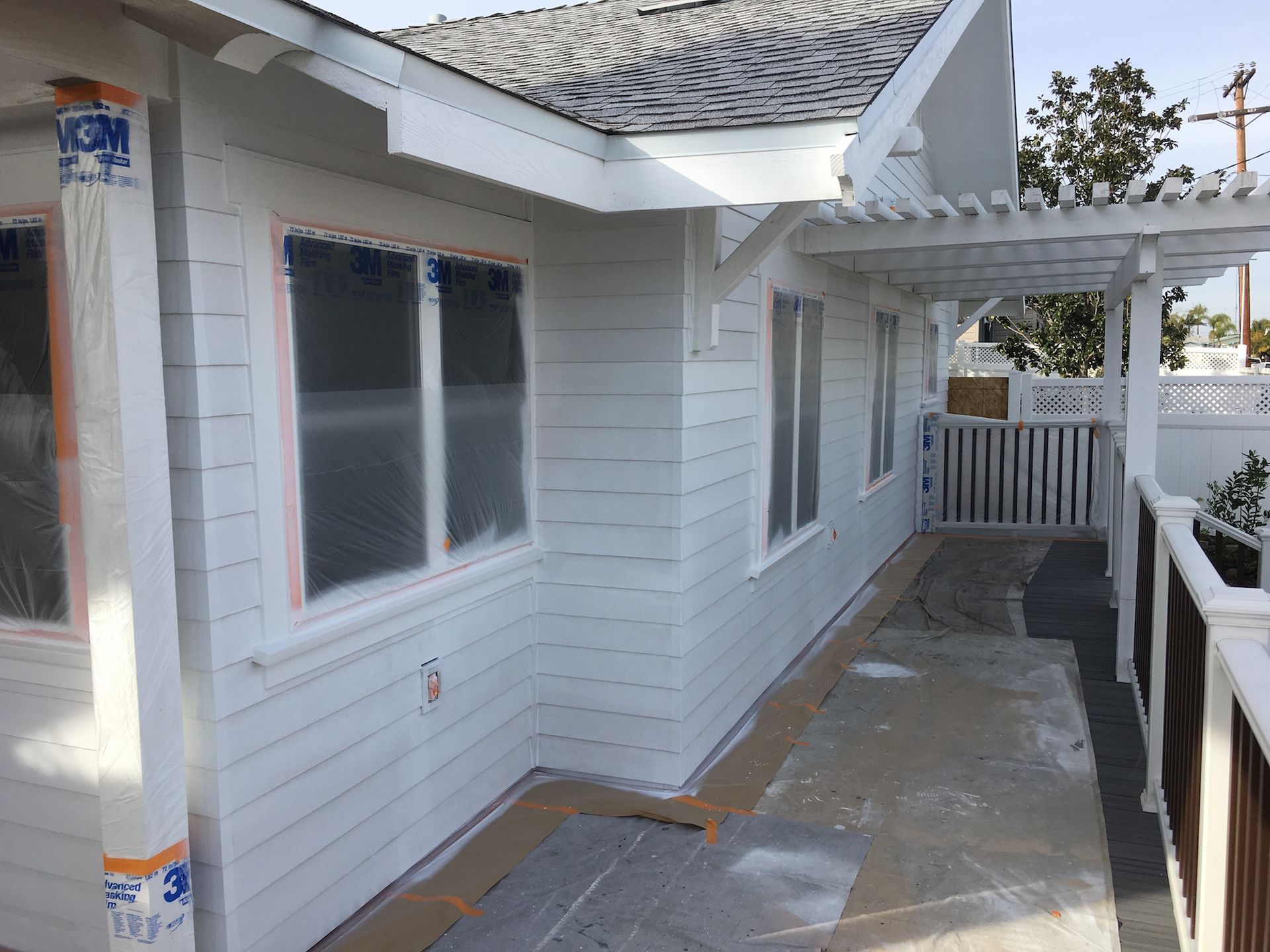
Peeling may be caused by the paint system itself when the coating is old, sun-worn, poorly prepped, or applied over a weak previous layer. In these cases, the issue may be solved with proper scraping, sanding, priming, and repainting.
Common signs of paint failure include:
- Peeling on sun-exposed walls or trim
- Fading, chalking, and peeling together
- Paint lifting from an older coating layer
- Flaking paint without obvious stains or soft wood
- Peeling in areas where the previous paint looked worn for years
Paint failure still requires careful prep. A painter should not simply cover loose paint with a new coat. The failing material needs to be removed, rough edges should be sanded, and bare or repaired areas should be primed before repainting.
When Peeling May Point to a Moisture Problem
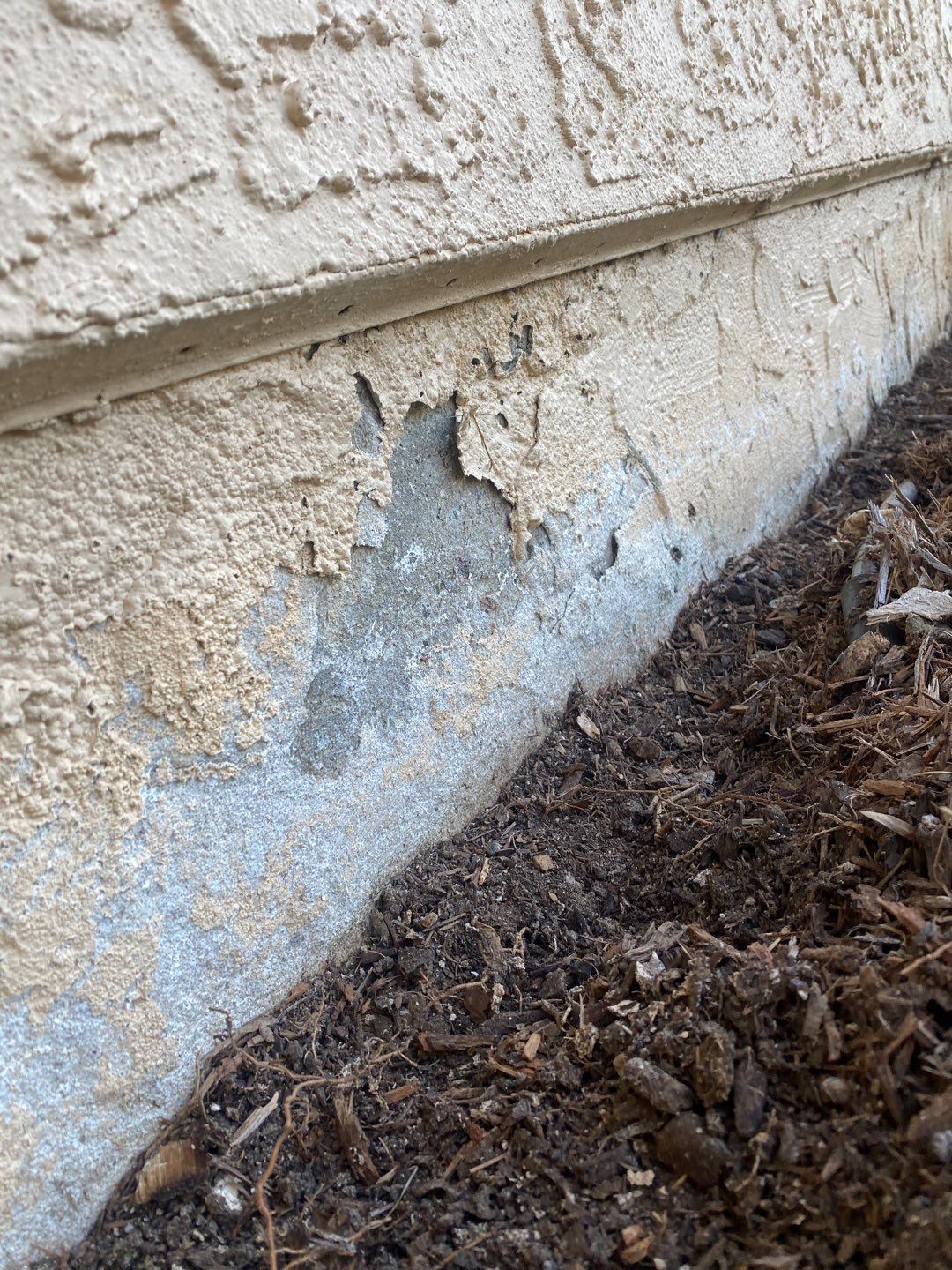
Peeling can be a moisture warning sign when water is getting behind the paint or into the surface underneath. This is especially important if the problem keeps returning in the same area.
Signs that moisture may be involved include:
- Bubbling or blistering paint
- Peeling near windows, doors, or lower walls
- Dark stains or water marks
- Soft or swollen wood
- Paint failure near sprinklers or dense landscaping
- Peeling that returns soon after repainting
- Mildew or damp-looking areas
- Failed caulk around nearby joints
Repainting alone may not fix these issues. If moisture is part of the problem, the source should be identified and corrected before new paint is applied. Otherwise, the same peeling, bubbling, or staining may come back after the project is complete.
What Bubbling and Blistering Paint Usually Means
Bubbling or blistering happens when paint lifts away from the surface. This may be caused by moisture, heat, trapped vapor, poor adhesion, or painting over a surface that was not clean or dry enough.
Blisters should be inspected during prep to see what is underneath. If the surface below is dry and solid, the issue may be related to age, heat, or adhesion. If the surface is damp, stained, soft, or powdery, the problem may need more than a simple repaint.
Bubbling paint is a clue, not a final diagnosis. The surrounding surface, location, and pattern of failure all matter. A small blister on an old sun-facing board may have a different cause than bubbling paint that appears repeatedly below the same window.
Look at Where the Paint Is Peeling
Location can help homeowners understand what might be causing the issue. Paint peeling across a broad sun-facing area may have a different cause than paint peeling only below one window or near one section of trim.
Areas to check include:
- Around windows and doors
- Along lower walls near irrigation
- Fascia and eaves
- Wood trim and sills
- Stucco cracks or patched areas
- Areas behind shrubs or vines
- Walls that get strong afternoon sun
- Sections where peeling keeps returning
Isolated peeling often points to a local issue, such as failed caulk, moisture exposure, damaged wood, or irrigation hitting the wall. Widespread peeling may suggest age, poor prep, or coating failure across the exterior.
Check the Surface Under the Peeling Paint
The condition of the exposed surface helps determine whether repainting is enough or whether repairs are needed first. New paint needs a clean, dry, stable surface.
Common clues include:
- Dry, solid surface: This may only need scraping, sanding, priming, and repainting.
- Powdery or chalky surface: This needs thorough cleaning and prep before paint.
- Bare wood: This needs sanding, priming, and protection.
- Soft or crumbling wood: This needs repair or replacement before painting.
- Cracked stucco: This may need patching or repair before repainting.
- Damp or stained surface: The moisture source should be checked first.
This is one of the most important steps in the process. If the surface underneath is not sound, the new paint may only hide the problem temporarily.
Oceanside Conditions That Can Make Paint Problems Worse
Coastal conditions can contribute to paint wear, especially when they are combined with poor prep or existing surface problems. Marine layer, salt air, damp mornings, wind, and sun exposure can all affect how exterior surfaces age.
That does not mean every peeling issue on an Oceanside home is moisture-related. Paint can still fail because of age, sun exposure, poor adhesion, or an older coating underneath. However, coastal exposure can make small problems worse once the paint begins to break down.
This is why the pattern of failure matters. A wall that is peeling broadly after years of sun exposure may need a different approach than trim that is bubbling near a damp window opening or lower wall.
When Repainting May Be Enough
Repainting may be enough when the paint is failing because of age, sun exposure, chalking, or poor adhesion, but the surface underneath is still sound. In that case, the project should focus on proper prep before applying new paint.
Repainting may be enough if:
- The surface underneath is dry and solid
- There is no recurring moisture pattern
- Wood is not soft or rotted
- Stucco is not badly cracked or loose
- Caulk and joints can be repaired during prep
- The peeling is part of general paint aging
Even in these cases, prep matters. Scraping, sanding, cleaning, spot priming, caulking, and using the right products are what help the new finish bond properly and last longer.
When Repairs Should Happen Before Painting
Repairs should happen first when the peeling is connected to damaged material, moisture, failed caulk, exposed wood, or stucco problems. Painting over those issues may make the home look better temporarily, but the failure can return.
Repairs may be needed first if:
- Wood is soft, swollen, or rotted
- Stucco is cracked, loose, or deteriorating
- Caulk has failed around nearby joints
- Sprinklers are hitting the wall
- Landscaping is trapping moisture
- Peeling keeps returning in the same spot
- There are stains, mildew, or damp areas
Fixing the cause first helps protect the new paint job and can reduce repeat repairs later. It also helps prevent homeowners from paying to repaint an area that was not ready for paint in the first place.
What to Ask Before Repainting Peeling Areas
When getting an estimate, homeowners should ask questions that clarify whether they are paying for proper prep or just a temporary cover-up.
Helpful questions include:
- What is causing the peeling?
- Is the surface underneath dry and stable?
- Does any wood or stucco need repair first?
- Will loose paint be scraped and sanded?
- What areas need primer?
- Is caulking included?
- Are sprinklers, landscaping, or drainage contributing to the issue?
- Should the full wall or elevation be painted instead of only a small patch?
Good answers help homeowners understand the real scope of the project. They also make it easier to compare estimates, especially if one quote includes repair and prep work that another quote does not.
Talk With an Oceanside Painting Company Before Repainting
Homeowners should consider a professional evaluation when peeling is widespread, recurring, near windows or doors, connected to bubbling or stains, or affecting wood and stucco surfaces.
Speaking with an experienced Oceanside painting company can help you determine whether peeling paint is normal coating failure or a sign that moisture, wood damage, failed caulk, stucco issues, or surface prep problems need to be addressed before repainting.
Chism Brothers Painting can inspect the paint condition, surface underneath, surrounding materials, and possible moisture clues before recommending the right next step.
Get Peeling Paint Evaluated Before Repainting
If your Oceanside home has peeling, bubbling, blistering, exposed wood, cracked caulk, or recurring paint failure, Chism Brothers Painting can inspect the area and explain what should happen before repainting. They can review the paint condition, surface underneath, moisture clues, prep needs, and repair concerns so the project is handled correctly.
Reach out today for a
free, no-obligation estimate. Chism Brothers can give you honest guidance on whether repainting is enough, what should be fixed first, and how to reduce the chance of the same paint failure returning.

Tell us about your project
Tell Us About Your Project
Contact us today to schedule a visit from one of our estimators! We’ll come to your home and provide a detailed estimate.
(858) 454-3850