Planning to Age in Place in Rancho Bernardo? Which Painting Projects Are Easier to Tackle Early?
Last Updated: October 7, 2026
If you plan to age in place in a Rancho Bernardo home, it can be easier to handle painting projects in stairwells, high walls, cabinets, doors, trim, hallways, and hard-to-access areas before mobility updates, railings, lifts, or other modifications are installed.
Aging in place often focuses on bathrooms, flooring, lighting, handles, ramps, railings, and accessibility upgrades. Those are important, but painting and surface repairs should also be part of the planning conversation. Some areas become harder to reach, protect, or repair after permanent fixtures, equipment, or home modifications are in place.
Many Rancho Bernardo homeowners plan to stay in their homes long term. Thinking through interior painting early can help preserve comfort, appearance, and maintainability without creating larger disruption later.
Why Painting Belongs in the Aging-in-Place Conversation
Painting may not seem like an accessibility project, but it affects how livable and maintainable the home feels over time. A fresh, well-prepped interior can make the home feel cleaner, brighter, easier to maintain, and more complete before other modifications are added.
Painting can also become more complicated after stair lifts, grab bars, ramps, handrails, built-ins, medical equipment, or new fixtures are installed. These items may need to be removed, masked, worked around, or repainted around later.
Handling painting early can reduce disruption and help other home updates look intentional. Instead of adding new hardware or accessibility features over tired walls, scuffed trim, or outdated cabinets, the finished space can feel more cohesive from the start.
Start With Hard-to-Reach Areas
Homeowners should first think about areas that require ladders, scaffolding, awkward access, or more physical disruption. These areas may be easier to paint now than later.
Examples include stairwells, vaulted ceilings, two-story walls, high entryways, tall hallways, upper landings, and walls above built-in cabinetry. If these areas are already scuffed, faded, stained, or outdated, it may be worth addressing them before future accessibility equipment changes how crews can reach the space.
The harder an area is to access, the more sense it may make to handle it early. This does not mean every high surface needs immediate attention, but it should be part of the long-term plan.
Stairwells Are Often Better Painted Before New Railings or Lifts
Stairwells can be difficult painting areas because they often involve height, angles, railings, landings, trim, and walls that are hard to reach safely. If a stair lift, additional handrail, or other mobility support may be installed later, painting first may reduce complications.
Painters can more easily repair wall damage, repaint trim, update railings, and create clean cut lines before new equipment is mounted. Once equipment is installed, painting may require more masking, tighter access, and extra care around hardware.
If stairwell modifications are likely, consider painting and repairing the stairwell before those changes happen. This can make the final result cleaner and reduce the need for awkward touch-ups later.
High Walls and Ceilings Should Be Evaluated Early
High walls and ceilings are often postponed because they feel less urgent than everyday rooms. But as homeowners plan for long-term living, these areas may become harder to address later because they require more setup, ladders, and room protection.
Tall living rooms, entryways, loft areas, high hallway walls, and ceilings with old texture, stains, cracks, or faded paint should be reviewed early. If lighting changes, ceiling fans, or other updates are planned, painting should be coordinated before those final fixtures are installed.
High surfaces are usually easier to refresh before the home is adapted around long-term use. Once new fixtures or equipment are in place, access and protection may become more complicated.
Cabinets Can Be Easier to Paint Before Accessibility Changes
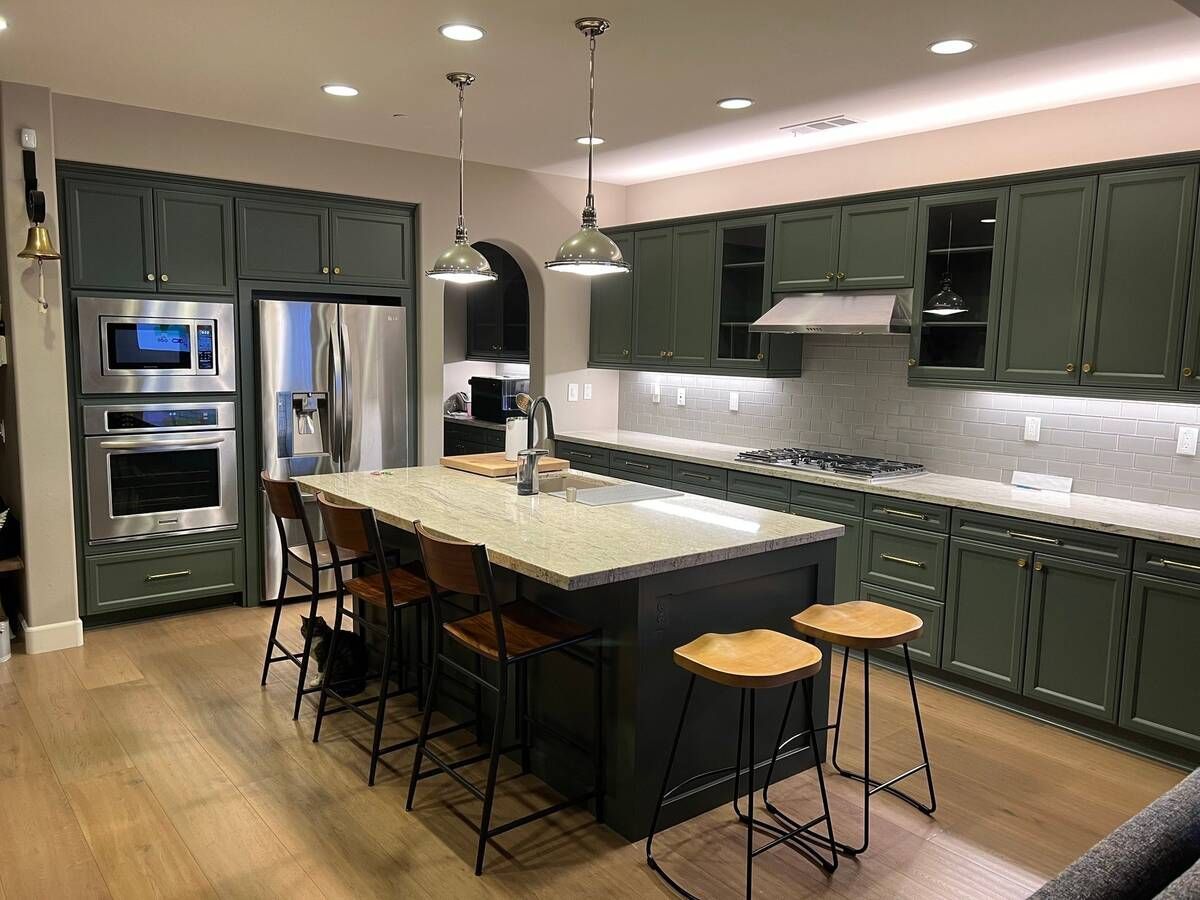
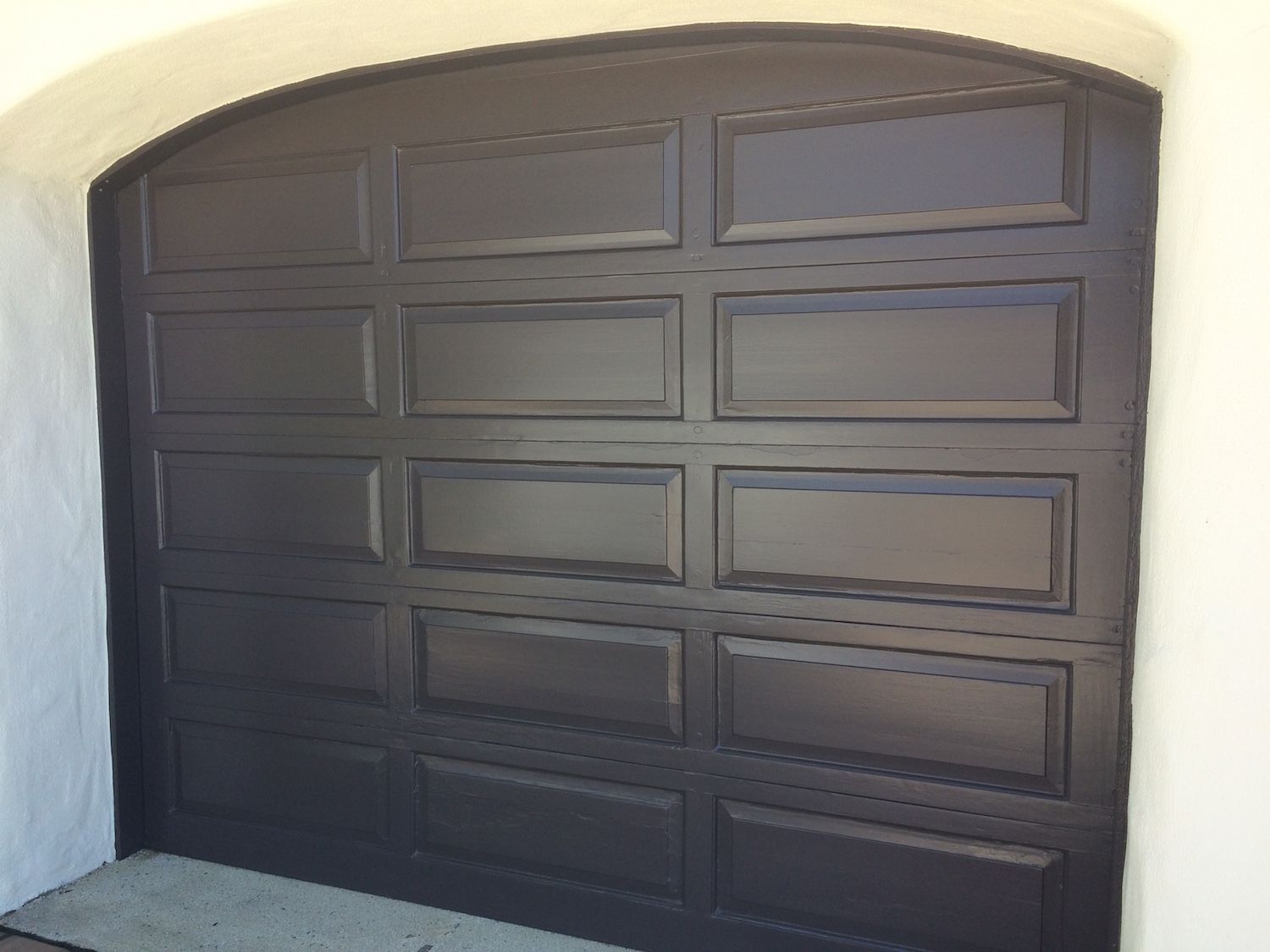
Cabinet painting can be part of aging-in-place planning, especially in kitchens, bathrooms, laundry rooms, and built-in storage areas. If homeowners are updating cabinet hardware, adding pull-out shelves, changing countertops, modifying bathrooms, or improving storage access, the cabinet finish should be considered early.
Cabinet painting and refinishing should usually happen after repairs and modifications are planned, but before final hardware or accessories are installed. If new pulls, hinges, organizers, or accessibility features are being added, old holes may need to be filled, doors adjusted, or surfaces refinished before the final setup.
Cabinets are often easier to paint when doors and drawers can still be removed, prepped, sprayed or finished, and reassembled without working around newly added accessories.
Doors, Frames, and Trim Take More Wear Over Time
Doors, casings, baseboards, and trim often show daily wear from hands, furniture, carts, walkers, pets, vacuums, and regular movement through the home. If the homeowner is planning to stay long term, refreshing these surfaces can make the home feel better maintained.
Doorways may also be affected by future accessibility modifications. Wider openings, lever handles, threshold changes, or bathroom updates may require repair and repainting around doors and trim.
Trim and doors should be evaluated before future modifications make the area more complicated to paint. If they are already chipped, yellowed, dented, or heavily touched, repainting them early can give the home a cleaner foundation.
Hallways and Main Pathways Deserve Extra Attention
Hallways, entry areas, bedroom corridors, and paths between the bedroom, bathroom, kitchen, and living spaces are high-use areas. These are often the places where walls and trim get scuffed first.
Long-term living may involve wider movement paths, furniture adjustments, new lighting, handrails, or flooring changes. Each of those updates can affect hallway walls, corners, baseboards, and door trim.
Painting main pathways early can help the home feel cleaner and reduce the need to work around future modifications. It can also make everyday areas feel more cared for without requiring a full-house repaint all at once.
Bathrooms Should Be Painted Before Final Accessories Are Installed
Bathrooms are common aging-in-place update areas, and painting should be coordinated carefully. Grab bars, shower systems, vanities, mirrors, lighting, towel bars, ventilation changes, and wall repairs can all affect paint timing.
Bathroom walls and ceilings should be evaluated for moisture, peeling paint, failed caulk, stains, and ventilation issues before repainting. If new fixtures, grab bars, or accessories are being installed, it may be easier to repair, prime, and paint first, then install the final items.
Paint should support the bathroom update, not become an afterthought around mounted hardware. When the sequence is planned well, the finished bathroom can look cleaner and be easier to maintain.
Paint Before Installing Permanent Fixtures When Possible
Permanent or semi-permanent fixtures can make painting harder. This may include grab bars, stair lifts, wall-mounted rails, shelving systems, built-ins, closet organizers, accessibility hardware, mounted lighting, and specialty equipment.
Painting first can create a cleaner finish behind and around these items. It can also reduce the chance of visible old paint lines, rough touch-ups, or mismatched patches later.
Once something is permanently mounted to the wall, painting around it becomes more limited. That does not mean painting later is impossible, but it can require more time, protection, and detail work.
Surface Repairs Should Happen Before the Home Is Modified
Older walls, trim, doors, cabinets, and ceilings may have dents, cracks, peeling paint, failed caulk, water stains, or old patchwork. These should be addressed before new equipment, fixtures, or home modifications are installed nearby.
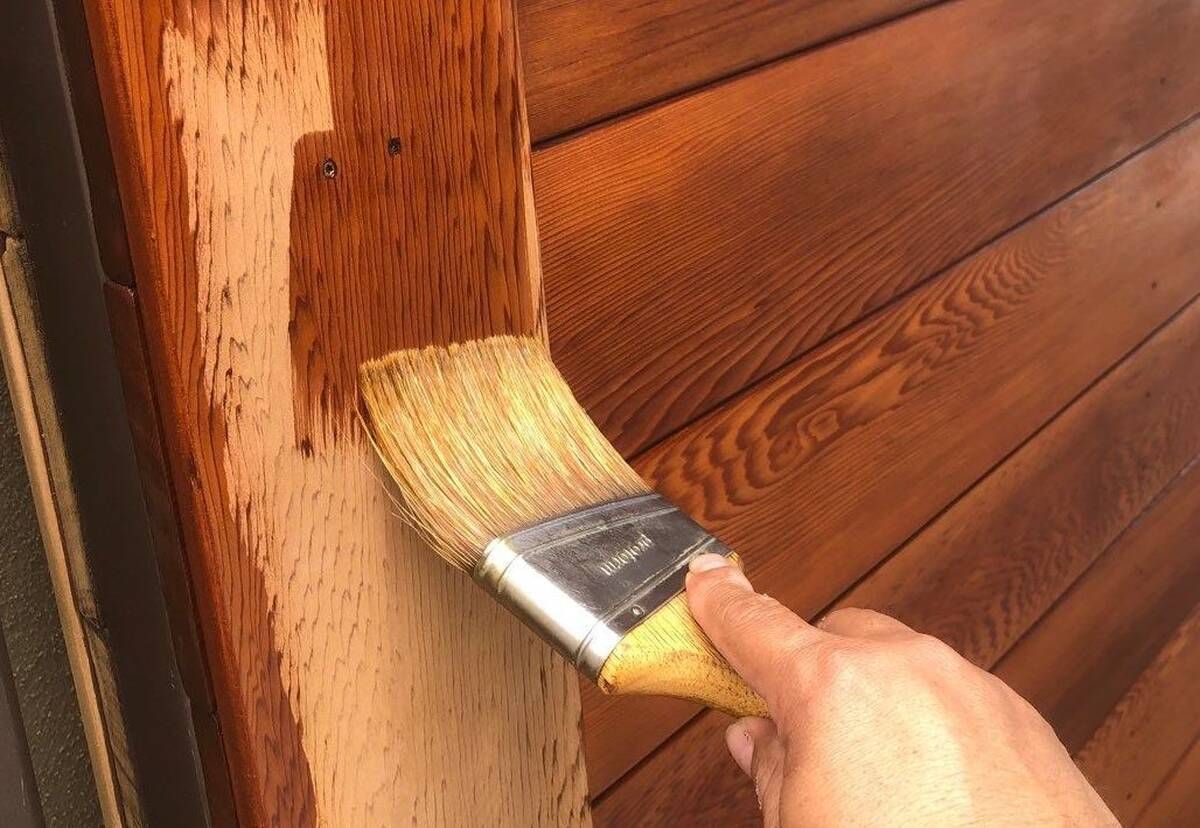
Surface repairs can involve sanding, priming, filling, caulking, drywall repair, trim repair, or cabinet prep. Completing these repairs early can prevent the homeowner from having to remove or work around new improvements.
The goal is to make surfaces sound and paint-ready before installing the next layer of updates. That way, future modifications are added to a finished surface rather than a worn one.
Color and Sheen Can Support Long-Term Comfort
Color and sheen choices can affect how a home feels and functions over time. Lighter colors may help rooms feel brighter. Consistent trim and wall colors can make spaces feel cleaner and calmer. More durable finishes may be useful in high-touch areas like hallways, doors, trim, bathrooms, and kitchens.
Paint does not solve visibility, mobility, or safety needs on its own. But good paint choices can support the broader goal of making the home easier to live in, maintain, and enjoy.
For long-term homeowners, the best paint plan is not just about what looks good today. It should also consider cleaning, touch-ups, lighting, daily use, and how the home may change over time.
Coordinate Painting With Flooring, Lighting, and Accessibility Updates
Aging-in-place projects often involve several updates happening close together. Flooring, lighting, bathroom work, railings, hardware, cabinets, and painting should be sequenced so finished surfaces are protected.
A practical approach is to complete messy repair work first, then paint before final fixtures, hardware, and wall-mounted items are installed. If flooring is being replaced, baseboards and trim should be coordinated so they do not need to be painted twice.
Painting should fit into the full update plan, not compete with it. A little sequencing upfront can prevent newly painted walls or trim from being damaged by later construction or installation work.
A Practical Order for Aging-in-Place Painting Projects
Homeowners do not need to paint the whole house at once. The goal is to handle the areas that will be harder, messier, or more expensive to access later.
- Identify hard-to-reach areas, such as stairwells, high walls, and ceilings.
- Review main pathways, hallways, bedrooms, bathrooms, and everyday rooms.
- Decide which accessibility or home modifications are likely later.
- Repair drywall, trim, doors, cabinets, caulk, and damaged surfaces first.
- Complete painting before permanent hardware, rails, lifts, or fixtures are installed when possible.
- Coordinate cabinets, doors, and trim before final hardware is added.
- Paint bathrooms after moisture or ventilation issues are corrected.
- Save lower-priority cosmetic rooms for later if the budget requires phasing.
This order helps homeowners think ahead without feeling like every project has to happen immediately.
When Phasing the Work Makes Sense
Long-term homeowners may not want or need to complete every painting project at once. Phasing can make sense when the budget needs to be spread out or when some future modifications are not finalized yet.
A smart phased plan might start with hard-to-access areas, stairwells, bathrooms, cabinets, and high-use pathways. Bedrooms, guest rooms, closets, or lower-priority spaces can often wait if they are easier to access and less likely to be affected by future modifications.
Phasing should be intentional. The key is not to delay the areas that will become harder to paint after equipment, fixtures, handrails, or accessibility features are installed.
What to Clarify Before Scheduling the Work
Before scheduling, homeowners should clarify which long-term updates are likely, which surfaces are already worn or damaged, and which areas will become harder to reach after equipment, fixtures, handrails, or accessibility features are added.
They should also discuss whether the project should include walls, ceilings, trim, doors, cabinets, bathrooms, stairwells, or only the most urgent areas. The estimate should help prioritize painting and repair work based on access, timing, surface condition, budget, and long-term plans.
A clear plan can help homeowners avoid repainting around new modifications or touching up areas that could have been finished more cleanly earlier.
Talk With a Rancho Bernardo Painting Company Before Planning Modifications
A professional painter can help homeowners decide which projects should happen before accessibility or aging-in-place updates are installed. This is especially helpful for stairwells, high walls, cabinets, bathrooms, trim, doors, and heavily used interior spaces.
Speaking with an experienced Rancho Bernardo painting company can help homeowners evaluate interior surfaces, cabinet condition, drywall repairs, trim, doorways, bathrooms, stairwells, and project sequencing before choosing a practical painting plan.
Chism Brothers Painting can help identify what should be handled early, what can wait, and how to phase the work around long-term comfort and access.
Plan Your Rancho Bernardo Aging-in-Place Painting Projects With Chism Brothers Painting
If you are planning to age in place in a Rancho Bernardo home, Chism Brothers Painting can help identify which painting and surface-repair projects are easier to complete early. They can review stairwells, high walls, ceilings, cabinets, doors, trim, bathrooms, hallways, and future modification plans so the work is done in a thoughtful order.
Reach out today for a free, no-obligation estimate. Chism Brothers can help you plan interior painting, cabinet refinishing, surface repairs, and project sequencing before future home modifications make access, protection, or prep more complicated.

Tell us about your project
Tell Us About Your Project
Contact us today to schedule a visit from one of our estimators! We’ll come to your home and provide a detailed estimate.
(858) 454-3850