Updating a 1980s Vista Home? Which Surfaces May Need More Than a Cosmetic Refresh?
Last Updated: August 26, 2026
When updating a 1980s Vista home, fresh paint can make a major difference, but aging stucco, deteriorated trim, failed caulk, worn doors, old repairs, and damaged finishes may need repair or prep before painting will look clean and last.
Many 1980s homes can be transformed with the right exterior paint plan. A dated color scheme, faded trim contrast, or worn front door may be mostly cosmetic. But cracked stucco, soft trim, failing caulk, peeling paint, and old patchwork are condition issues that should be handled before the new finish goes on.
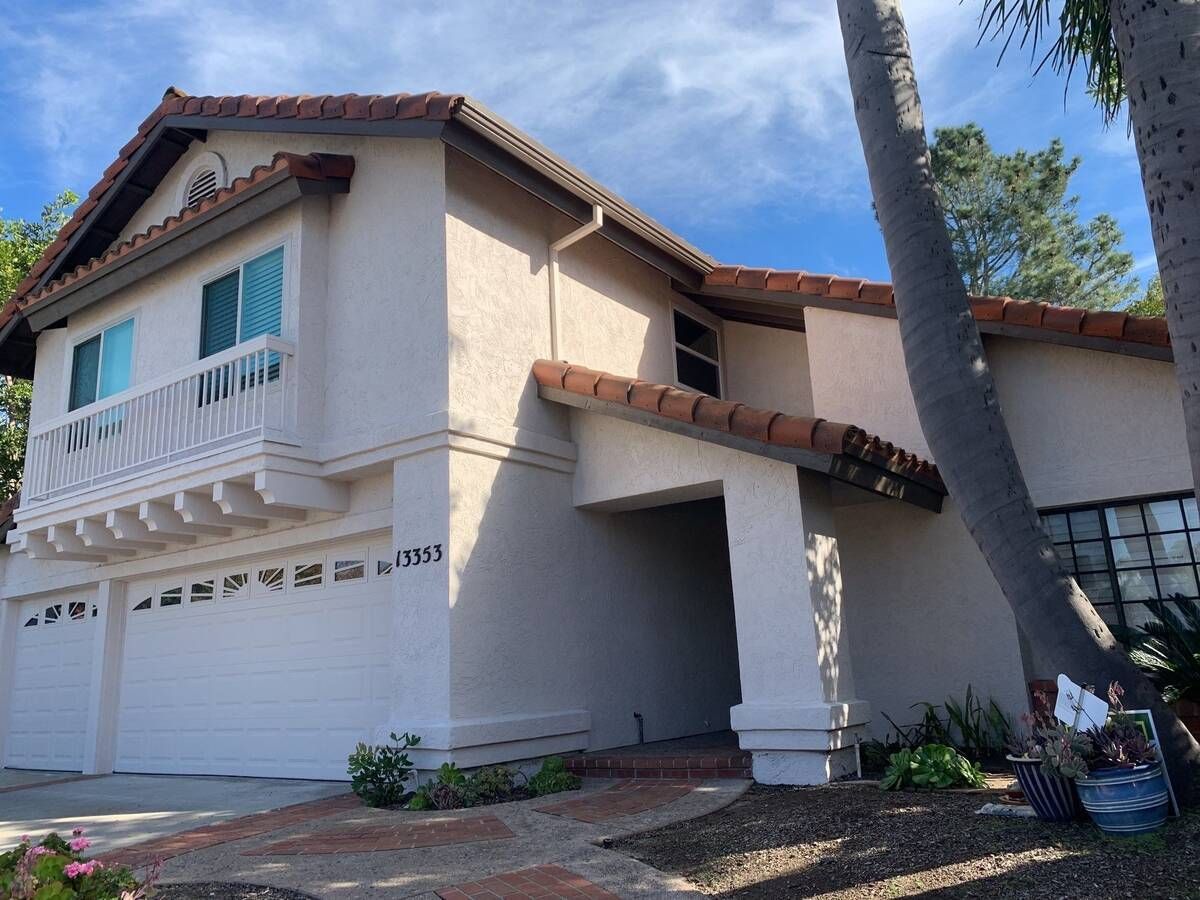
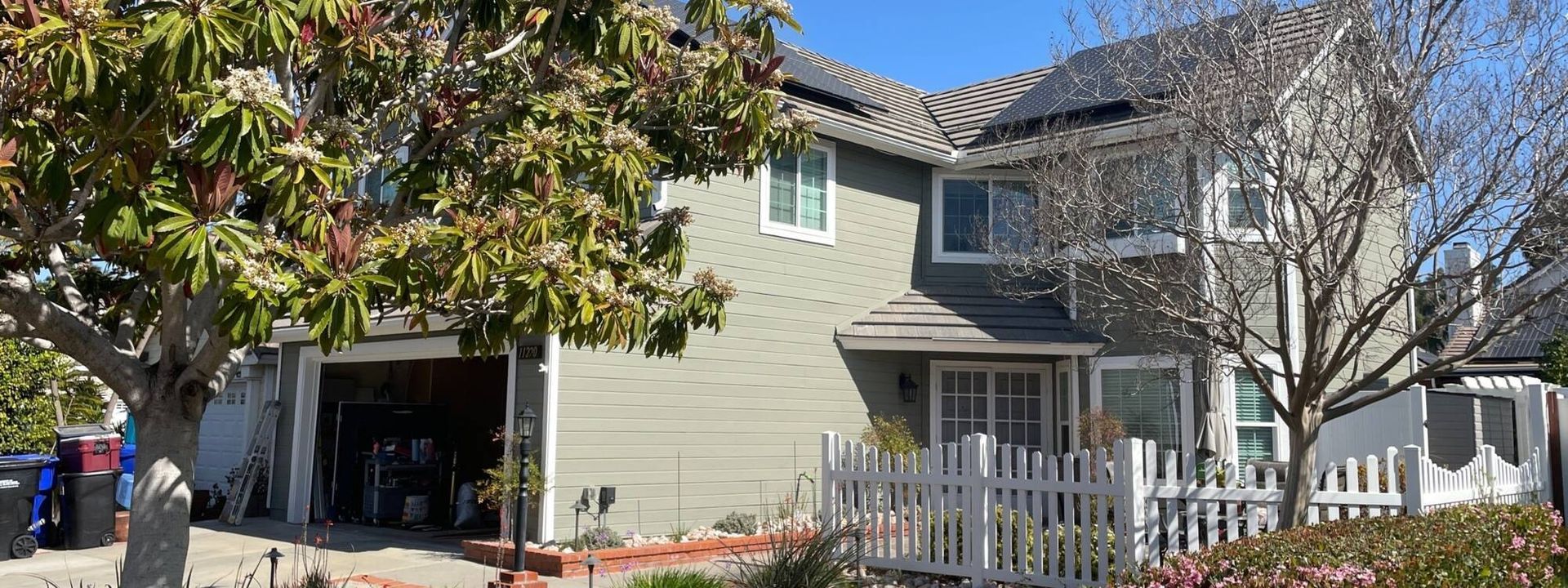
Vista homes from this period may have stucco exteriors, wood trim, garage doors, decorative details, patio areas, and previous repairs that all affect the scope of a repaint. The goal is not to make the project feel overwhelming. It is to help homeowners understand what paint can refresh and what may need attention first.
Start by Separating Cosmetic Updates From Condition Problems
Homeowners often start with appearance. The exterior color may feel dated, the trim contrast may look too heavy, or the front door may no longer fit the style they want. Those are cosmetic updates, and paint can often make a big improvement.
Condition problems are different. These include surfaces that are cracked, peeling, soft, stained, poorly patched, or no longer sealed. Those issues usually need prep, repair, or replacement before painting.
The main point is simple: paint can refresh a sound surface, but it cannot fix a surface that is damaged, unstable, or still causing the previous finish to fail. A good exterior update starts by knowing which areas are ready for paint and which areas need work first.
Aging Stucco May Need Repairs Before Paint
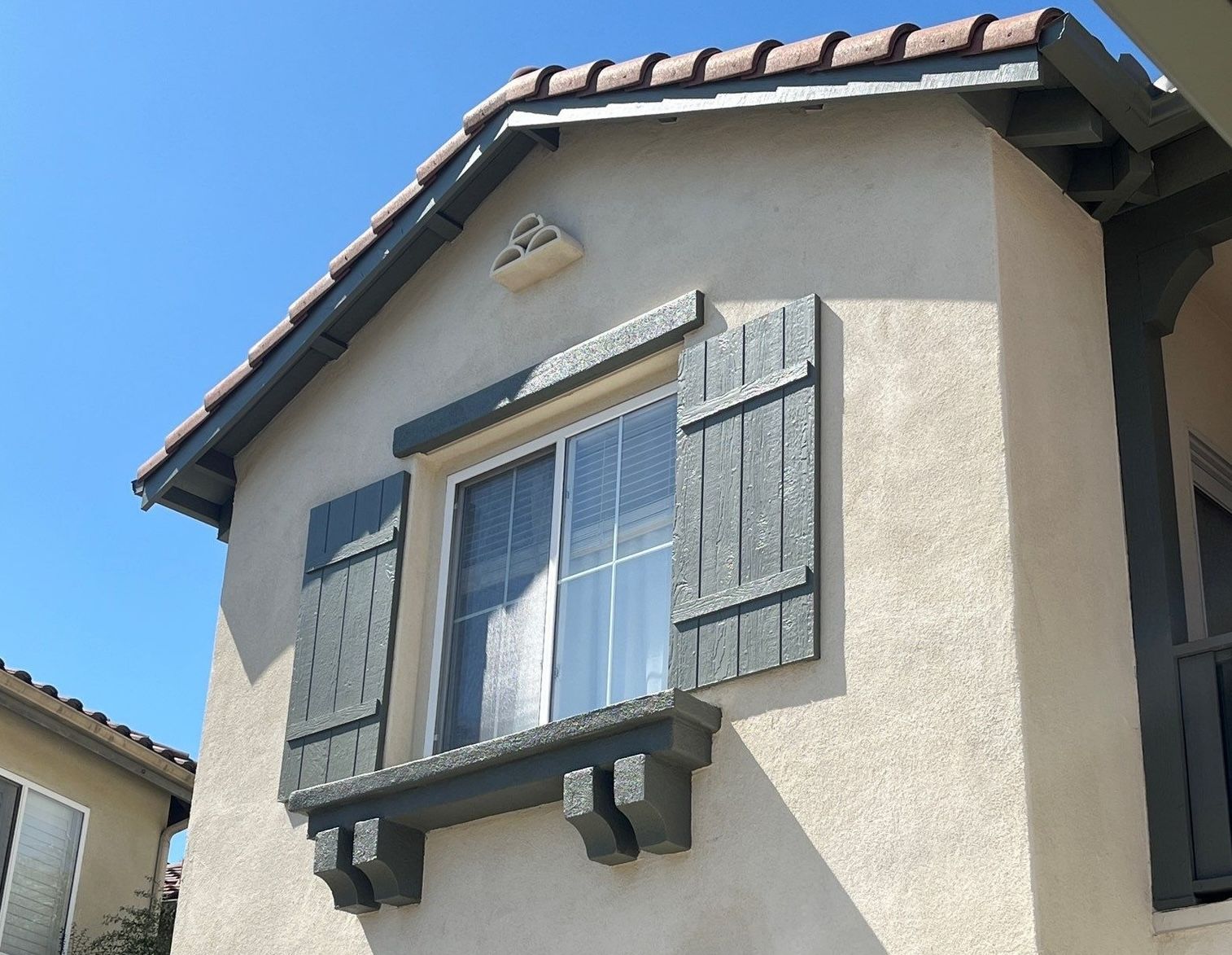
Stucco is common on many Vista homes, and older stucco may show cracks, stains, texture inconsistencies, chalking, or previous patchwork. Some of these issues may be minor, but others can affect how the finished paint job looks.
Before repainting, stucco should be inspected for:
- Hairline cracks
- Larger cracks or gaps
- Loose or damaged patches
- Uneven texture from older repairs
- Staining near irrigation or drainage paths
- Chalking or powdery residue
- Areas where paint is bubbling or peeling
Stucco repairs, cleaning, patching, texture blending, and priming may need to happen before the finish paint is applied. If old patches are uneven or cracks are left unresolved, fresh paint may make the color look better without fully addressing the surface condition.
Wood Trim and Fascia Can Reveal Hidden Wear
Trim and fascia often show age before the main wall surfaces do. On a 1980s home, these areas may have been repainted several times, patched in spots, or exposed to decades of sun, moisture, and daily weather.
Common warning signs include:
- Peeling or flaking paint
- Bare wood
- Cracked or split trim
- Soft fascia boards
- Swollen or warped areas
- Failed caulk at joints
- Gaps where trim meets stucco
- Paint failure that keeps returning
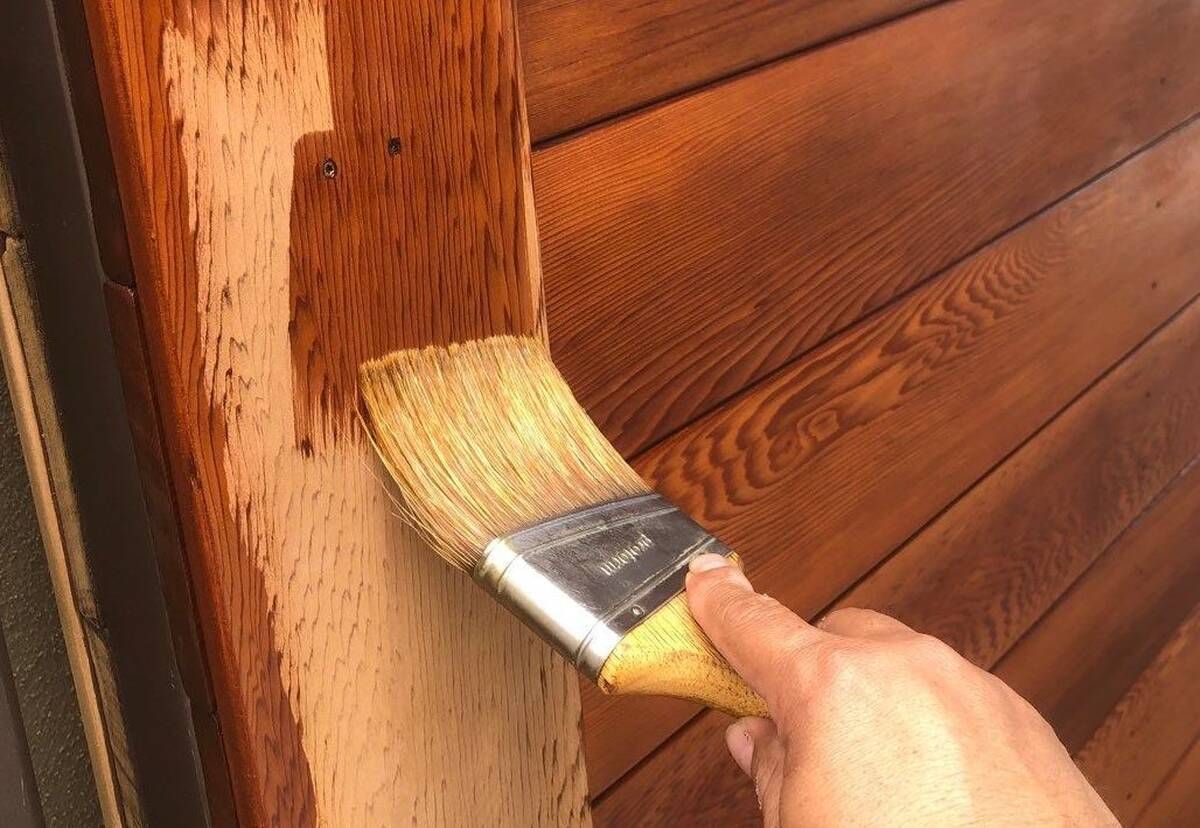
Solid wood may only need scraping, sanding, priming, caulking, and repainting. Soft, rotted, or unstable wood may need repair or replacement before painting. Covering damaged trim with paint may improve the look temporarily, but the problem can return if the wood underneath is no longer sound.
Old Caulking Can Make a Fresh Repaint Fail Sooner
Caulk around windows, doors, trim, fascia, and material transitions can dry out, crack, shrink, or pull away over time. On an older home, failed caulk is one of the most important details to check before painting.
Painting over bad caulk does not properly seal the joint. If gaps are left open, moisture can get behind the paint or into the material underneath. That can contribute to stains, peeling, bubbling, or damage around trim and openings.
Replacing failed caulk is not just a finishing detail. It is part of the preparation that helps the new paint system perform better. Clean, properly sealed joints help the exterior look sharper and give the new finish a better chance to last.
Front Doors, Garage Doors, and Accent Areas May Need Extra Attention
Doors can make a 1980s home look dated even when the wall color is updated. Front doors, garage doors, shutters, gates, railings, and accent trim often carry a lot of visual weight from the street.
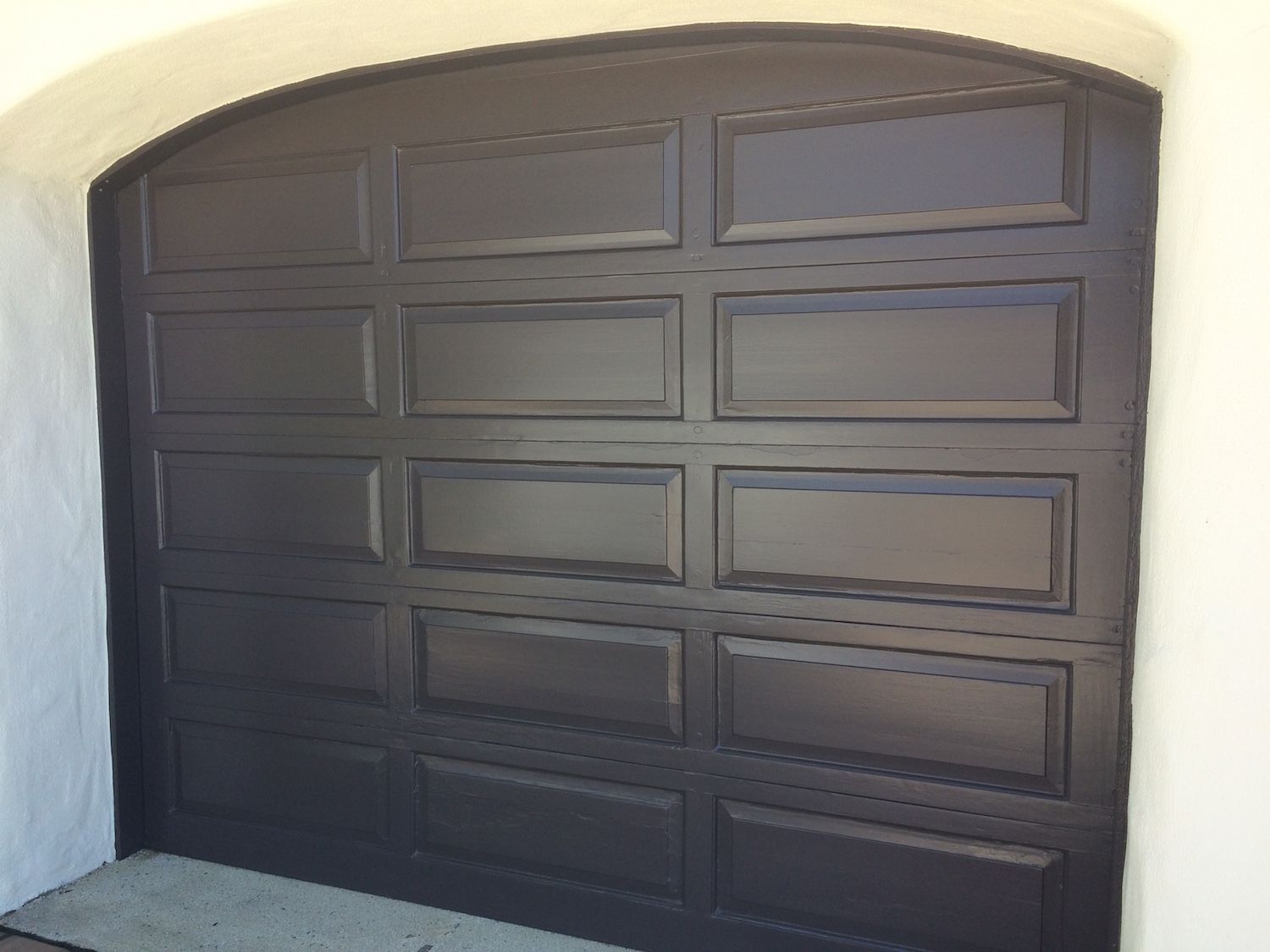
These surfaces may need more than a quick coat of paint if they are damaged, warped, dented, faded, chalky, or heavily worn. Some doors may be good candidates for repainting, while others may need repairs or replacement before they fit the homeowner’s updated vision.
Garage doors and front doors should also be checked for peeling, cracking, chalking, failed seals, and sun damage. If these accent surfaces are going to be part of the new color plan, they should be evaluated as part of the full exterior update rather than treated as an afterthought.
Previous Repairs May Show Through New Paint
Many older homes have repairs from past owners, previous painters, stucco contractors, window work, plumbing work, or general maintenance. These repairs may not be obvious until the home is cleaned, inspected, and prepared for repainting.
Common examples include mismatched stucco texture, uneven patching, old caulk lines, repaired trim sections, filled cracks, patched fascia, or areas where paint has built up unevenly over time.
Paint can improve the overall look, but it will not automatically hide poor texture blending or uneven repairs. Some areas may need sanding, patching, priming, or additional repair work before painting. Addressing those details first helps the finished result look more intentional and less like new paint over old problems.
Older Finishes Can Affect How New Paint Bonds
A 1980s home may have multiple layers of old paint or coatings. Some may still be bonded well, while others may be chalky, glossy, brittle, peeling, or incompatible with the new coating.
The existing finish should be cleaned and evaluated before repainting. If the new paint is applied over a weak or dirty layer, the fresh finish may fail even if the product itself is high quality.
The new paint depends on the condition of what it is sticking to. If the old coating is loose, chalky, or failing, prep may need to include washing, scraping, sanding, spot priming, or removing unstable material before finish coats are applied.
Landscaping, Irrigation, and Outdoor Features Can Hide Problems
Over time, landscaping around an older home can grow into exterior surfaces or hide problem areas. Shrubs, vines, sprinklers, planter beds, patios, pergolas, and fences can all affect how well painters can inspect and prep the home.
Irrigation overspray can stain stucco, damage trim, and contribute to paint failure. Dense landscaping can trap moisture and block airflow around shaded walls. Plants pressed against the home can also hide peeling paint, cracked stucco, failed caulk, or wood damage until the project is already underway.
Before repainting, homeowners should look behind plants and around outdoor features so hidden damage is not missed. Trimming vegetation back before the estimate can make it easier to see what the exterior actually needs.
When Fresh Paint Alone May Be Enough
Not every 1980s home needs major repairs before painting. Fresh paint may be enough when the surfaces are still stable, dry, clean, and structurally sound.
Paint alone may be enough if:
- Stucco is sound with only minor cosmetic wear
- Trim and fascia are firm
- Caulk is mostly intact or can be replaced during prep
- Old paint is faded but still well bonded
- Doors and accent surfaces are worn but not damaged
- Previous repairs are minor or not highly visible
- There are no active moisture or peeling issues
In these cases, the focus is on good prep, updated colors, and a finish that makes the home feel cleaner and more current. The project can still have a major visual impact without turning into a larger repair project.
When Repairs Should Come Before Repainting
Repairs should come first when the surface is damaged or unstable. Repainting over these issues can make the home look better briefly, but the same problems may show through or return.
Repairs may be needed first if:
- Stucco is cracked, loose, stained, or deteriorating
- Wood trim or fascia is soft, rotted, or splitting
- Caulk is cracked or missing
- Paint is peeling, bubbling, or lifting
- Old patches are uneven or failing
- Doors or accent details are damaged
- Sprinklers or drainage are causing recurring damage
Addressing these issues before painting helps the update look better and last longer. It also helps homeowners avoid paying for a cosmetic refresh that has to be revisited once the underlying surface problems become more obvious.
A Practical Walkaround Checklist for Homeowners
Homeowners do not need to diagnose every issue themselves, but a simple walkaround can help identify what may affect the painting plan.
Before requesting an estimate, look for:
- Stucco condition on each side of the home.
- Trim, fascia, and roofline wood with peeling or softness.
- Failed caulk around windows, doors, trim, and transitions.
- Front door, garage door, shutters, and accent areas that look worn or damaged.
- Old repairs that may stand out after painting.
- Shaded areas and lower walls with stains or moisture problems.
- Sprinklers or landscaping touching the home.
- Areas that seem cosmetic versus areas that may need repair.
This checklist helps homeowners think beyond color. It also makes it easier to discuss the scope with a painter and understand why some surfaces may need prep, repair, or replacement before repainting.
Talk With a Vista Painting Company Before Updating the Exterior
A professional painter can help homeowners determine whether an older Vista home needs a straightforward repaint, repair-first preparation, or a more complete exterior refresh. They can identify surface conditions that may not be obvious from the street.
Speaking with an experienced Vista painting company can help you understand whether your stucco, trim, fascia, caulking, doors, old repairs, previous coatings, and prep needs are ready for paint or need attention first.
Chism Brothers Painting can inspect the home’s exterior and recommend an approach that supports the update instead of simply covering unresolved issues.
Plan Your 1980s Vista Home Refresh With Chism Brothers Painting
If you are updating a 1980s Vista home, Chism Brothers Painting can inspect the exterior and help determine what needs cosmetic paint, repair, replacement, or additional prep. They can review stucco, trim, fascia, doors, caulking, older finishes, and hidden problem areas so the final paint job supports the update instead of covering unresolved issues.
Reach out today for a
free, no-obligation estimate. Chism Brothers can give you honest guidance on what can be refreshed with paint, what should be repaired first, and how to plan a cleaner, longer-lasting exterior update.

Tell us about your project
Tell Us About Your Project
Contact us today to schedule a visit from one of our estimators! We’ll come to your home and provide a detailed estimate.
(858) 454-3850