Why Does Exterior Paint Turn Chalky? What Vista Homeowners Should Know Before Repainting
Last Updated: August 26, 2026
Exterior paint turns chalky when the surface coating breaks down and leaves a powdery residue, often from age, sun exposure, weathering, or a previous paint system that is no longer bonding well.
Chalking is a common exterior paint issue. Homeowners may notice a powdery film on stucco, siding, trim, doors, garage doors, or other painted surfaces when they touch the wall. Sometimes the residue shows up on hands, clothing, walkways, patio furniture, or nearby surfaces after contact.
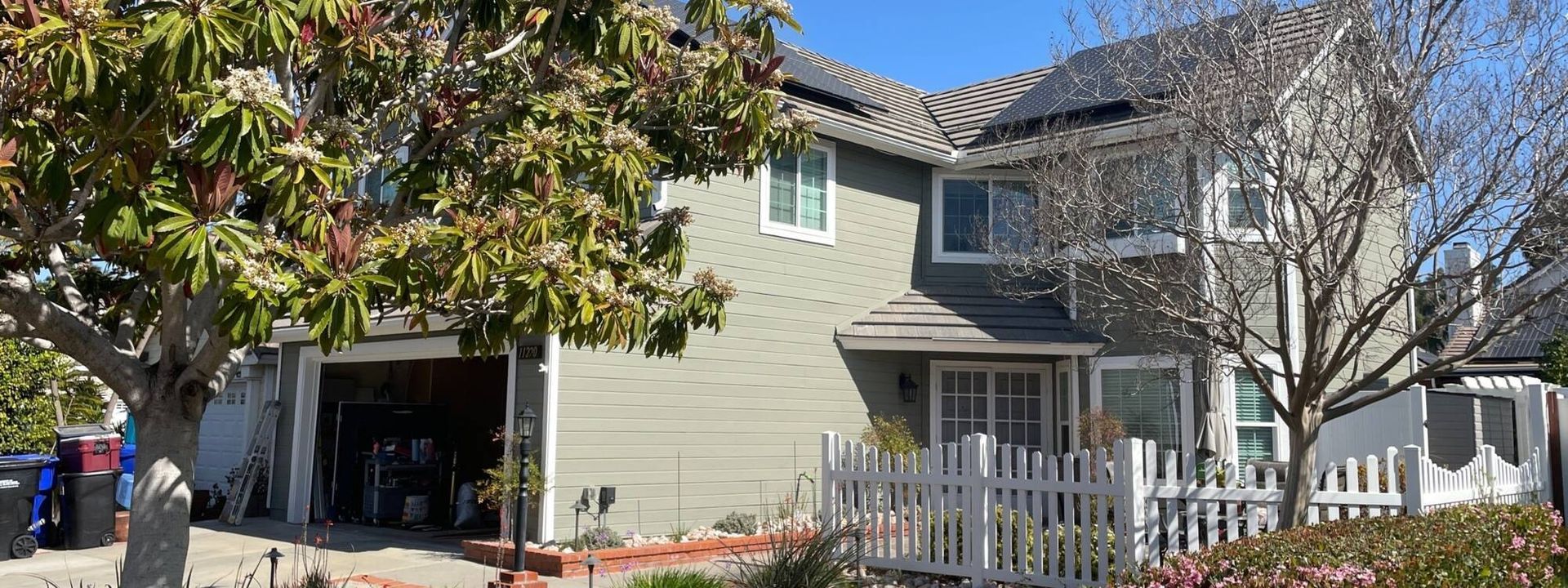
Vista homes can experience strong sun exposure, stucco exteriors, older finishes, and weathered paint, so chalking is something homeowners should understand before scheduling a repaint. It does not always mean the home is in bad condition, but it does mean the surface needs to be evaluated and prepared properly before new paint is applied.
What Does Chalky Paint Look and Feel Like?
Chalky paint often looks faded, dull, dusty, or powdery. The easiest sign is residue that transfers to your hand when you rub the painted surface. On some homes, the residue may look white or gray. On others, it may carry some of the existing paint color with it.
A chalky surface can also make exterior walls look uneven or tired, especially on large stucco areas. Rain or washing may leave streaks where residue runs down the wall. From the street, the home may still look acceptable, but up close the surface may feel dry, dusty, or worn.
This is why chalking can be easy to miss at first. It may not look as obvious as peeling or bubbling paint, but it still matters because the powdery layer can affect how well new paint bonds.
Why Exterior Paint Becomes Chalky Over Time
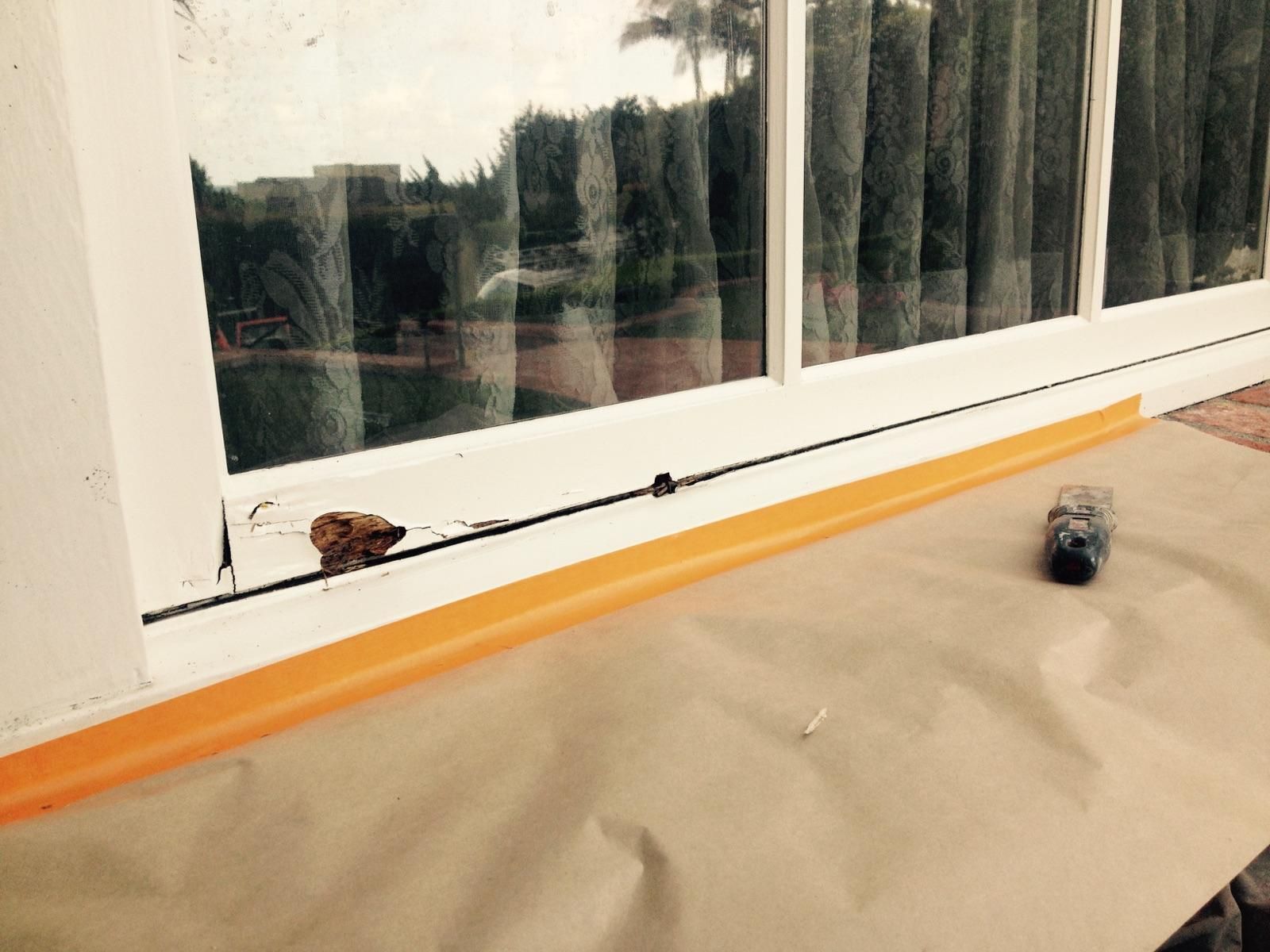
Exterior paint naturally weathers as it is exposed to sunlight, heat, moisture, wind, and everyday outdoor conditions. Over time, the coating can break down at the surface and release a fine powder.
Long-term sun exposure is one of the most common contributors. As the coating ages, the surface can lose color, become dull, and begin to release residue. Older or lower-quality coatings may show chalking sooner, especially if the previous paint job did not include proper cleaning, prep, or primer where needed.
Chalking can also happen when new paint was applied over a poorly prepared surface. If the old coating was dirty, chalky, glossy, incompatible, or already breaking down, the newer layer may not bond as well as it should. Some chalking is a normal sign of aging, but heavy chalking should be addressed before repainting.
Why Vista Homes May Show Chalking on Certain Sides First
Chalking does not always happen evenly across the whole home. Some walls may age faster because they receive more sun, heat, wind, or exposure. On many Vista homes, south- and west-facing walls may show fading and chalking sooner than shaded areas.
Large stucco elevations, garage doors, fascia, and trim exposed to strong sun can also show wear earlier. A wall that gets intense afternoon sun may look dull and powdery while another side of the home still looks relatively clean.
That is why homeowners should inspect each side of the home separately. One wall may need more cleaning, prep, or primer than another before repainting. A good exterior paint plan should respond to the actual condition of each surface, not assume the entire home has aged the same way.
Is Chalky Paint the Same as Peeling Paint?
Chalking and peeling are different problems, though they can happen together. Chalking is powdery surface breakdown. Peeling means the paint film is lifting away from the surface.
Chalky paint may still be mostly bonded, but the residue can interfere with new paint adhesion. Peeling paint, on the other hand, needs scraping, sanding, and stabilization before repainting. If peeling is present, loose paint must be removed before the surface can be properly primed and painted.
The main point is that chalking is not always as urgent as peeling, but it still needs proper prep. If a painter applies new paint over chalky residue, the new coating may bond to the powder instead of the surface underneath.
Why You Should Not Paint Directly Over Chalky Surfaces
New paint needs a clean, dry, stable surface. If a painter applies new paint over chalky residue, the coating may not bond the way it should.
This can lead to poor adhesion, uneven color, blotchy finish, early peeling, flaking, or repeat paint failure. The paint may look fine at first, but if the surface underneath is still powdery, the new finish may not have a solid base to hold onto.
This is why surface preparation matters so much. The goal is to remove loose residue and create a stable base before the new coating is applied. Skipping that step can make a repaint fail sooner than expected, even when good paint is used.
Cleaning Is Usually the First Step
Chalky surfaces usually need thorough cleaning before repainting. This may involve washing the exterior, removing residue, and allowing the surface to dry fully before prep and paint continue.
Cleaning should be done carefully. Too much pressure can damage stucco, force water into gaps, or harm older surfaces. The right approach depends on the condition of the home, the surface material, and how much residue is present.
Cleaning is not just about making the home look better. It helps reveal the true condition of the paint and prepares the surface for the next coating. Once the residue is removed, it is easier to see whether the home also has peeling paint, cracks, stains, failed caulk, bare wood, or areas that need repair.
Some Chalky Areas May Need Primer
After cleaning, some surfaces may still need primer before repainting. Primer can help with adhesion, seal porous or weathered areas, and create a better base for finish paint.
This is especially important on bare surfaces, repaired stucco, weathered wood trim, patched areas, and heavily chalked sections where the old finish has worn down. Primer is not always needed on every inch of every repaint, but it should be used where the surface condition calls for it.
The goal is not to add unnecessary steps. The goal is to make sure the new paint is being applied over a surface that can actually support it. Heavily weathered or repaired areas often need more than finish paint alone.
Chalking Can Hide Other Prep Issues
Chalking may be the first thing a homeowner notices, but it may not be the only issue. Once the surface is cleaned, other problems may become more visible.
Stucco cracks, peeling or bubbling paint, failed caulk, irrigation stains, weathered fascia, previous patchwork, bare wood, and exposed substrate can all become easier to see after the chalky residue is removed. These issues should be addressed before the final paint is applied.
A repaint should not simply cover chalking without inspecting the rest of the exterior. If the surface underneath has damage, moisture problems, or unstable old coatings, the new paint may not perform as expected.
How Homeowners Can Check for Chalking Before an Estimate
Homeowners do not need to diagnose the full paint system themselves, but a simple check can help them understand what to point out during an estimate.
Before calling a painter, try this:
- Choose a few exterior areas that look faded or dusty.
- Rub the surface lightly with your hand or a dark cloth.
- Look for powdery residue transferring from the wall.
- Compare sunny walls with shaded walls.
- Check whether the paint is also peeling, cracking, or bubbling.
- Look at trim, fascia, garage doors, and stucco separately.
- Note which areas seem most weathered before the estimate.
This simple check can help homeowners describe what they are seeing. It can also help the painter understand which areas may need extra cleaning, prep, primer, or repair before repainting.
When Chalking Means It Is Time to Repaint
Light chalking may simply mean the exterior is aging. Heavy chalking, fading, peeling, or widespread surface wear may mean the paint system is nearing the end of its useful life.
Repainting may be worth considering when the color is badly faded, chalky residue is widespread, touch-ups no longer blend well, or the home still looks tired after cleaning. If chalking is happening alongside peeling, cracking, worn stucco, or weathered trim, it is even more important to have the surface evaluated before waiting too long.
The decision should be based on both appearance and surface condition. A chalky wall that cleans up well may not need the same approach as a chalky wall with peeling paint, cracked stucco, or exposed trim.
Questions to Ask Before Repainting Chalky Paint
During an estimate, homeowners should ask questions that reveal whether the project includes the prep needed for a lasting repaint.
Helpful questions include:
- How much chalking is present?
- Will the surface be washed before painting?
- Is any primer needed after cleaning?
- Are there areas where old paint is also peeling or failing?
- Does the stucco, trim, or fascia need repair first?
- How will you prepare heavily weathered areas?
- Are any previous coatings affecting adhesion?
- What should be done to help the new paint bond properly?
These questions help homeowners compare more than price. One estimate may include washing, prep, primer, and repairs, while another may focus mainly on applying new paint. For chalky surfaces, the preparation often determines the quality of the result.
Talk With a Vista Painting Company Before Repainting
Homeowners should consider a professional evaluation if chalking is widespread, if paint is also peeling or bubbling, or if the home has stucco cracks, failed caulk, damaged trim, or older coatings.
Speaking with an experienced Vista painting company can help you understand whether your chalky paint is normal aging, heavy surface breakdown, or part of a larger prep issue.
Chism Brothers Painting can evaluate chalky paint, stucco condition, trim, fascia, caulking, previous coatings, and prep needs before recommending the right repainting approach.
Repaint Your Vista Home With the Right Prep
If you are seeing powdery residue, fading, peeling, or worn exterior paint, Chism Brothers Painting can inspect the surfaces and explain what needs to happen before repainting. They can review chalking, cleaning needs, primer, repairs, stucco condition, and trim details so the new paint has a clean, stable surface to bond to.
Reach out today for a
free, no-obligation estimate. Chism Brothers can give you honest guidance on whether repainting makes sense now, what prep should happen first, and how to avoid painting over residue that may affect the finished result.

Tell us about your project
Tell Us About Your Project
Contact us today to schedule a visit from one of our estimators! We’ll come to your home and provide a detailed estimate.
(858) 454-3850