Cracked Caulk Around Windows and Doors? What Clairemont Homeowners Should Fix Before Repainting
Last Updated: August 26, 2026
Before repainting, Clairemont homeowners should replace cracked or failed caulk around windows, doors, trim, and exterior joints, and they should also check for moisture damage, loose trim, cracked stucco, or recurring gaps that may need repair before fresh paint goes on.
Caulk is easy to overlook because it seems like a small detail. However, failed caulk can leave gaps around windows, doors, trim, fascia, and stucco transitions. Once those gaps open up, moisture and movement can affect the surrounding paint and the surfaces underneath.
Many older Clairemont homes have aging stucco, wood trim, long rooflines, older window and door openings, and previous repairs. That makes caulking an important part of the exterior prep process, not something to ignore until after the paint is finished.
Why Caulk Matters Before Exterior Painting
Caulk helps seal small gaps where different exterior materials meet. Around windows and doors, it creates a cleaner transition between trim, stucco, siding, frames, and other surfaces. It also helps prevent old gaps from showing through the new paint.
Good caulking does not replace structural repair, and it should not be used to hide damaged materials. It is part of a complete painting prep process. When the surrounding surfaces are sound, caulk helps create cleaner lines, better sealed joints, and a more finished appearance.
If old caulk is cracked, brittle, missing, or pulling away, painting over it may only cover the problem for a short time. The crack can reappear, the paint may split along the joint, or moisture may continue reaching areas that should have been sealed before painting.
When Cracked Caulk Is Routine Maintenance
Caulk naturally ages. Over time, it can dry out, shrink, crack, or pull away from the surface. On an older home, some caulk replacement is normal before an exterior repaint.
Cracked caulk is more likely to be routine maintenance when the surrounding trim or stucco is solid, the gap is small and stable, there are no stains or soft areas nearby, and the window or door is functioning normally. In that case, the old failing caulk can often be removed or cleaned up, replaced properly, allowed to cure, and painted as part of normal prep.
This is common around windows, doors, trim transitions, and joints that have been exposed to sun, movement, and weather for years. The key is making sure the surface on both sides of the joint is still sound.
When Cracked Caulk May Point to a Bigger Issue
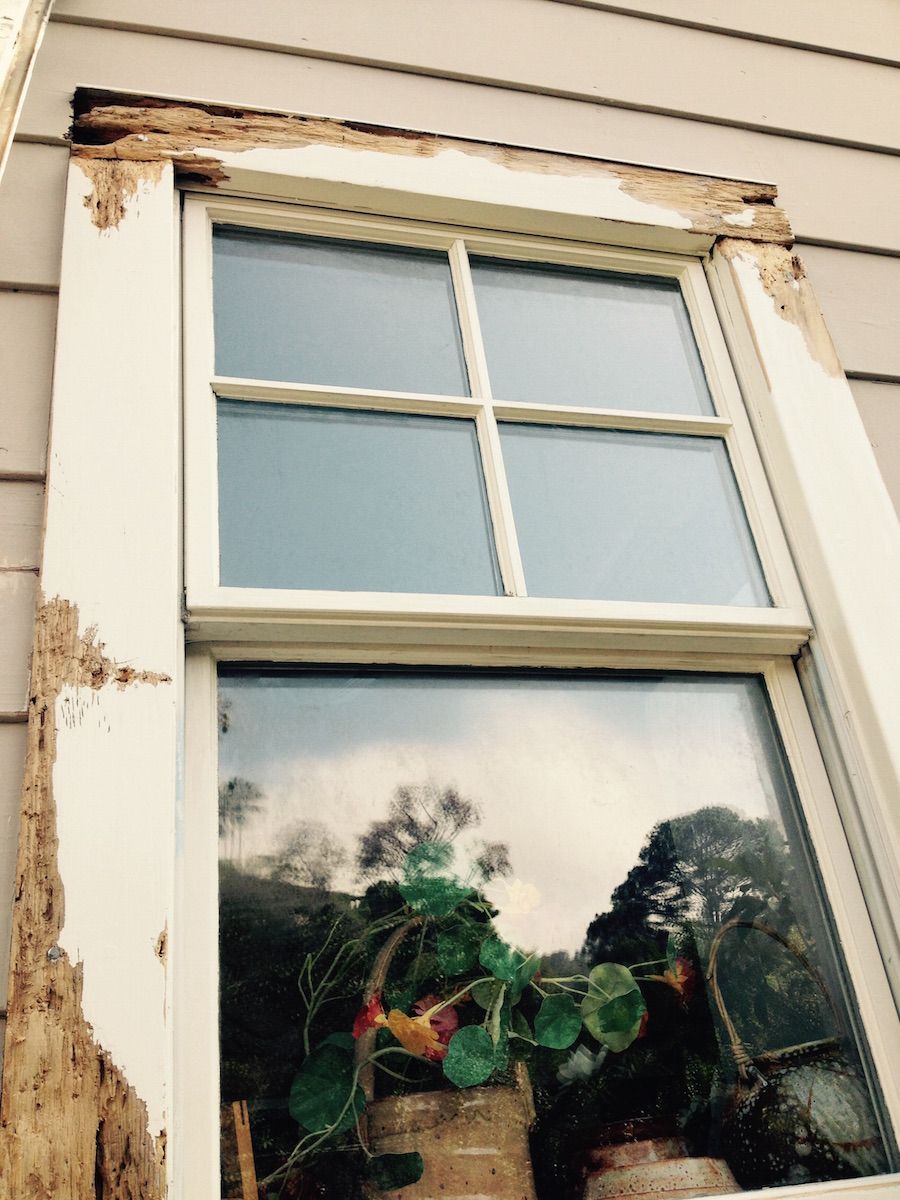
Not every gap should be treated as a simple caulking job. Recurring cracks, large gaps, stains, soft wood, loose trim, or damaged stucco may mean there is movement, moisture, or surface deterioration that needs attention first.
Warning signs include caulk that keeps cracking in the same place, gaps that appear to be widening, peeling or bubbling paint around the joint, dark stains near windows or doors, soft or swollen wood trim, stucco cracks spreading from the opening, trim pulling away from the wall, or doors and windows that no longer sit cleanly in the opening.
Repainting over these problems may only hide them briefly. If the underlying cause is still active, the new caulk and paint may fail again. Before fresh paint goes on, the area should be evaluated so repairs can happen in the right order.
Check the Surface Around the Window or Door
Homeowners should look beyond the caulk line itself. The surfaces around the joint can reveal whether this is a simple maintenance issue or part of a larger repair need.
A painter may check whether the trim or casing is firm, whether the stucco is cracked or loose, whether paint is peeling near the joint, whether wood feels soft, whether the old caulk is still bonded, and whether there are stains, mildew, or moisture marks nearby. Previous repairs also matter because uneven patches, old caulk lines, and thick paint buildup can affect the final appearance.
New caulk and paint need a clean, dry, stable surface. If the surrounding material is damaged, that material should be repaired before caulking and painting.
Failed Caulk Can Contribute to Peeling Paint
When caulk fails, moisture can reach areas that should stay sealed. Over time, that can lead to peeling paint, staining, swollen wood, bubbling, or paint that keeps failing around the same window or door.
This is especially important on older Clairemont homes where trim, stucco, windows, and doors may have been repaired or repainted several times. Sometimes the caulk line looks like the only problem, but cleaning or removing old material reveals soft trim, loose edges, or stucco damage beneath the surface.
If paint failure is concentrated around a window, door, trim joint, or fascia transition, the caulk and surrounding surface should be inspected before repainting. Otherwise, the new paint may be applied over the same condition that caused the previous failure.
Do Not Paint Over Bad Caulk
Painting over cracked or separated caulk does not fix the gap. The paint may cover the crack temporarily, but the joint underneath is still weak.
Failed caulk may need to be removed, replaced, and allowed to cure properly before paint is applied. If the caulk line is dirty, loose, wet, or applied over a damaged surface, the new paint may not look clean or last as expected.
Caulking is prep work. It should be handled before the finish coats so the exterior has cleaner joints, fewer open gaps, and a better foundation for the repaint.
Windows, Doors, and Trim May Need Repair First
If the surrounding material is damaged, repairs should happen before caulking and painting. This may include repairing or replacing wood trim, patching stucco, addressing old window repairs, sanding rough paint buildup, or fixing gaps where trim has pulled away.
Common repair needs include replacing soft or rotted trim, repairing cracked stucco near openings, sanding thick or peeling paint around casing, refastening loose trim, filling damaged wood where appropriate, replacing failed patch areas, and correcting sprinkler or moisture exposure near the opening.
Caulk works best when the surfaces on both sides of the joint are solid and properly prepared. If one side of the joint is crumbling, loose, or wet, caulk and paint are not enough to create a lasting fix.
Older Clairemont Homes May Have Previous Window or Door Repairs
Many older homes have had windows, doors, trim, screens, shutters, or security features changed over time. These updates can leave behind old caulk lines, patched stucco, mismatched trim, screw holes, uneven texture, or paint buildup.
Those older repairs may show more clearly after repainting if they are not cleaned up first. Fresh paint can make the color more consistent, but it will not automatically hide uneven texture, rough caulk, or patched trim.
A good prep plan should identify what needs to be repaired, sanded, blended, caulked, primed, or painted for a cleaner final result. This is especially important around highly visible windows, front doors, garage entries, and street-facing trim.
What Homeowners Can Check Before an Estimate
Homeowners do not need to determine the final fix themselves. The goal is to notice which areas may need more than a quick coat of paint.
Before requesting an estimate:
- Look closely at caulk around windows and doors.
- Note areas where caulk is cracked, missing, or pulling away.
- Check whether paint is peeling or bubbling near the joint.
- Look for stains, mildew, or discoloration around the opening.
- Check whether wood trim looks soft, swollen, split, or loose.
- Look for stucco cracks near windows and doors.
- Note areas where the same problem has returned after past painting.
- Point these areas out during the painting estimate.
This simple walkaround helps homeowners have a more useful conversation with the painter. It also helps the estimate account for prep, repair, and caulking needs before work begins.
Questions to Ask Before Repainting
Before repainting, homeowners should ask questions that clarify whether caulking is included as real prep work or treated as a quick cosmetic step.
Helpful questions include:
- Will cracked caulk be removed or replaced before painting?
- Are there areas where the surrounding trim or stucco needs repair?
- Is any wood around windows or doors soft or damaged?
- Are moisture stains or peeling paint connected to failed caulk?
- Will bare or repaired surfaces be primed?
- How will older window or door repairs be handled?
- Are any gaps too large for routine caulking alone?
- How will the caulk lines be finished so they look clean after painting?
Clear answers help homeowners understand the actual scope of the repaint. They also make it easier to compare estimates because one painter may be including repair and prep work that another has not addressed.
Talk With a Clairemont Painting Company Before Repainting
Homeowners should consider a professional evaluation if caulk is cracked in many areas, if paint is peeling around windows and doors, if trim feels soft, or if there are recurring gaps and stains.
Speaking with an experienced Clairemont painting company can help you understand whether deteriorated caulk is routine maintenance or part of a larger surface issue.
Chism Brothers Painting can evaluate failed caulking, surrounding trim, stucco, moisture clues, previous repairs, and paint condition before recommending the right prep and repainting plan.
Fix Caulk and Surface Problems Before Repainting
If you are seeing cracked caulk, gaps around windows or doors, peeling paint, stains, or damaged trim, Chism Brothers Painting can inspect the exterior and explain what should be corrected before painting. They can review caulking, stucco, trim, wood condition, surface prep, and repair needs so the new paint has a cleaner and more stable foundation.
Reach out today for a
free, no-obligation estimate. Chism Brothers can give you honest guidance on what can be handled during normal prep, what may need repair first, and how to plan your Clairemont exterior repaint the right way.

Tell us about your project
Tell Us About Your Project
Contact us today to schedule a visit from one of our estimators! We’ll come to your home and provide a detailed estimate.
(858) 454-3850