What to Know Before Repainting a Mid-Century Ranch Home in Clairemont
Last Updated: August 26, 2026
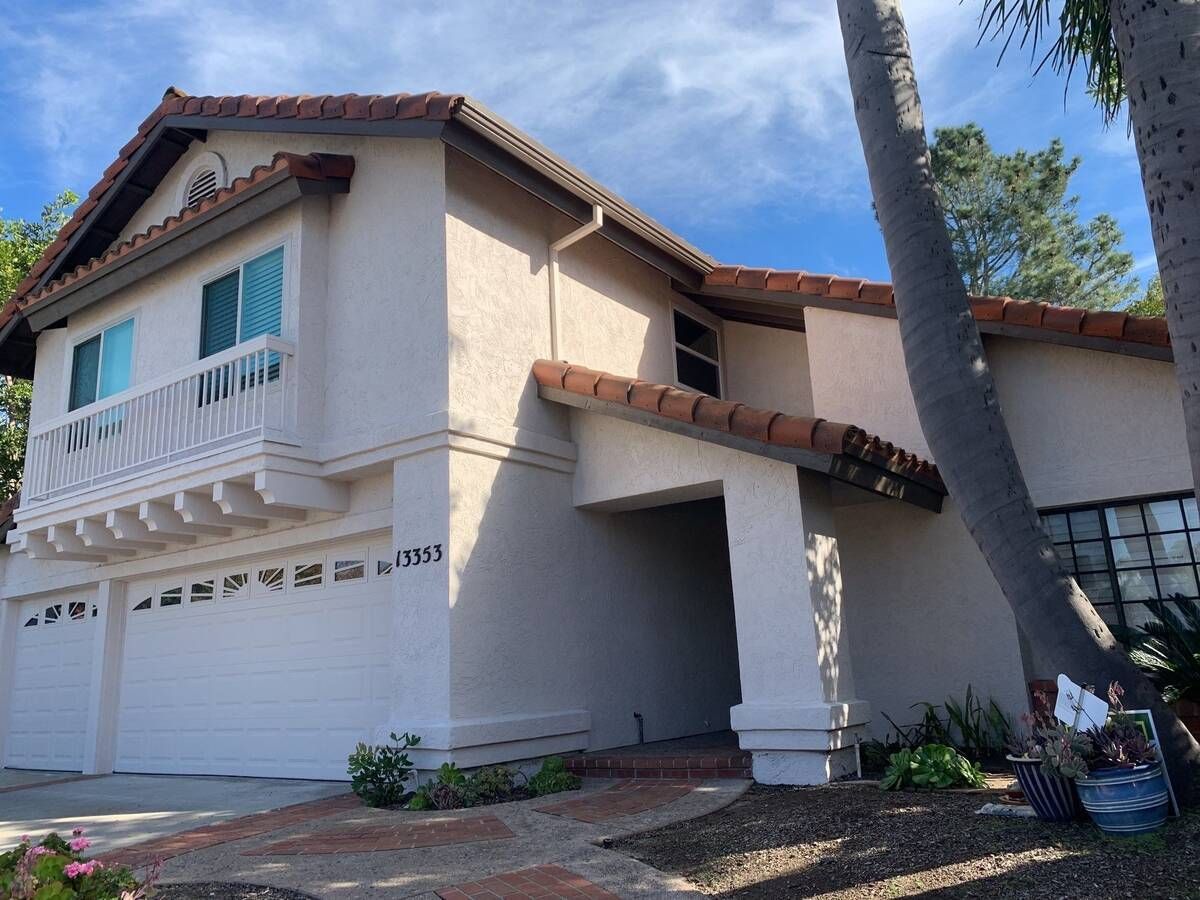
Before repainting a mid-century Ranch home in Clairemont, homeowners should evaluate the stucco or siding, long rooflines, eaves, fascia, wood details, attached garage, masonry accents, trim, and original exterior features so repairs, prep, and color choices support the home’s design.
Many Clairemont homes have a practical postwar Ranch-style layout with long horizontal lines, attached garages, modest trim, broad wall surfaces, and exterior details that can strongly affect curb appeal. These homes often respond well to fresh paint, but the best results usually come from planning around the original proportions instead of treating every surface as a blank wall.
A repaint can make a Ranch home feel cleaner, brighter, and more current. It can also highlight details that were previously overlooked. That is why surface condition, repair needs, garage doors, trim, eaves, and accent materials should all be reviewed before the project begins.
Why Ranch Homes Need a Thoughtful Repainting Plan
Ranch homes often look straightforward at first, but their exterior details matter. Because the design is low and horizontal, small choices around trim, fascia, garage doors, eaves, and accent materials can affect the entire front of the home.
A repainting plan should consider the home’s long rooflines, fascia, eaves, attached garage doors, wood trim, stucco or masonry surfaces, front entry, original accents, sun exposure, and repairs that should happen before painting. These features work together visually, so changing one area without thinking about the whole exterior can make the home feel patchy or disconnected.
A good repaint should refresh the home without making it feel overly busy. The goal is to support the shape and character of the house while giving the exterior a cleaner, better-maintained appearance.
Start With Access Around the Home
Access should be reviewed before the painting project is scheduled. Painters need room to wash, scrape, sand, repair, caulk, mask, and paint. It is not enough to simply stand near the wall. The crew needs safe working space around the surface.
Before an estimate, homeowners can walk around the property and look for areas blocked by fences, outdoor furniture, stored items, narrow gates, shrubs, retaining walls, or steep slopes. If a wall is difficult for the homeowner to reach, it may also require extra planning for a painter.
Safe access is part of the painting plan, not an afterthought. If a surface cannot be reached safely, it cannot be cleaned, repaired, or painted correctly.
Slopes Can Affect Ladder and Equipment Placement
Sloped ground can make ladder setup more difficult. On canyon lots, the front of the home may have a flat driveway or walkway, while the back or side elevations may have uneven terrain, steps, planting areas, or drop-offs.
Painters may need to evaluate whether ladders, scaffolding, planks, or other access equipment can be placed safely. Patios, stairs, retaining walls, decks, and planting beds may all affect how the crew approaches each side of the home.
Homeowners do not need to know what equipment should be used. The important thing is understanding why slope and grade changes should be evaluated early. Those site conditions can affect the timeline, access plan, protection needs, and overall scope of the project.
Retaining Walls, Terraces, and Bluffs Need Careful Coordination
Retaining walls and terraced yards can make a canyon property more usable, but they can also complicate exterior painting access. Narrow landings, stairs, drop-offs, and walls close to the house may limit working space.
These areas may also need protection during the project. Washing, sanding, masking, and moving around the exterior should be planned so hardscape, railings, stairs, patios, and surrounding surfaces are protected.
Retaining walls and terraces are not necessarily a problem. They simply need to be reviewed during the estimate so the painting plan reflects the property as it actually is. This helps avoid surprises once the crew arrives and begins setting up.
Landscaping May Need to Be Trimmed Before Work Begins
Canyon-facing homes often have mature landscaping for privacy, shade, erosion control, and appearance. Plants can make the property feel more finished, but they can also block inspection, trap moisture, and make painting harder.
Shrubs, vines, hedges, and trees pressed against the home may hide peeling paint, stucco cracks, failed caulk, damaged trim, fascia wear, irrigation stains, or areas where moisture is trapped. If those areas are not visible before painting, repair needs may be discovered late or missed altogether.
Homeowners may need to trim plants back before painting. This gives painters room to inspect, clean, repair, and coat the surfaces properly without damaging plants or overlooking hidden problem areas. It also improves airflow around walls and trim that may have been staying damp behind dense vegetation.
Coordinate Exterior Repairs Before the Painting Crew Starts
Exterior repairs should usually happen before final paint. If stucco, trim, fascia, railings, doors, decks, or roofline details need work, those items should be identified early.
Canyon and bluff-adjacent homes may show wear from sun, wind, moisture, drainage, irrigation, and age. Cracked stucco, weathered fascia, failed caulk around windows and doors, peeling or bubbling paint, damaged railings, and stained lower walls should all be reviewed before repainting.
Painting over unresolved damage can lead to repeat problems. The final paint should come after repairs, prep, and surface corrections are complete. That gives the new finish a cleaner, more stable surface to bond to and helps the project look more consistent when finished.
Rooflines, Eaves, and Tall Rear Elevations Should Be Reviewed Closely
Canyon homes can have rooflines and rear elevations that are much taller than they appear from the street. Eaves, fascia, rafter tails, vents, upper trim, and stucco walls may require extra access planning.
These areas are easy for homeowners to overlook because they are not always visible from normal walking paths. A canyon-facing side may have more height, more exposure, or more difficult access than the front of the home.
During an estimate, the painter should review all sides of the property, including the canyon-facing elevation. The most complicated painting areas may not be the ones visible from the curb.
Coordinate Other Exterior Projects First
Homeowners should think through any other exterior work planned around the same time. Painting should usually follow messy repairs, installation work, or projects that could damage finished surfaces.
Stucco repair, fascia or trim replacement, deck or railing repair, roof or gutter work, window or door replacement, hardscape work, landscaping changes, irrigation adjustments, pest repairs, and moisture-related repairs should all be discussed before painting begins.
Doing this work first can reduce duplicated labor, unnecessary touch-ups, and damage to newly painted surfaces. It also helps the painter understand what areas will be repaired, changed, or disturbed before the final finish is applied.
Think About Water, Drainage, and Irrigation Patterns
Canyon lots may have unique water movement. Runoff, irrigation, drainage paths, and slope conditions can affect lower walls, stucco, wood trim, and areas near retaining walls.
If water repeatedly hits or sits against painted surfaces, it can contribute to staining, bubbling, peeling, mildew, or wood deterioration. Sprinklers aimed at the house, drainage that runs along walls, or planting areas that hold moisture against stucco can all affect how well paint performs.
This is not about turning a painting project into a drainage engineering project. It is about noticing moisture patterns before repainting so the same problem does not return after fresh paint is applied.
Protect Decks, Patios, Railings, and Outdoor Living Areas
Canyon homes often have outdoor living spaces that take advantage of the view. Decks, balconies, patios, stairs, railings, outdoor kitchens, furniture, planters, and built-in features may sit close to painted surfaces.
Homeowners can help by moving furniture, potted plants, grills, stored items, decor, hoses, and other loose items away from work areas before painting begins. Built-in features should be discussed during the estimate so the painter can plan protection and masking.
Clearing access before the project helps protect the property and makes prep and painting more efficient. It also gives the crew a better chance to inspect hidden surfaces before the work begins.
A Practical Pre-Painting Checklist for Clairemont Canyon Homes
Before scheduling exterior painting, homeowners can prepare by walking the property and noting the areas that may affect access, repairs, and setup.
- Walk around every side of the home, including the canyon-facing side.
- Identify slopes, retaining walls, terraces, decks, and narrow access points.
- Look for walls or trim blocked by landscaping.
- Trim plants away from exterior surfaces.
- Note peeling paint, stucco cracks, failed caulk, or wood damage.
- Check roofline areas, fascia, eaves, and upper walls.
- Move outdoor furniture, pots, grills, and stored items away from the home.
- Confirm whether other exterior repairs should happen before painting.
- Ask how ladder, scaffolding, or equipment placement will be handled.
This preparation helps the estimate reflect the actual site conditions. It also reduces surprises once work begins and gives the painter a clearer view of what needs cleaning, repair, prep, and protection.
Talk With a Clairemont Painting Company Before Starting
Canyon lot painting is usually a project where professional planning matters. Slopes, height, limited access, stucco repairs, trim work, and difficult rooflines can make exterior painting less suitable for casual DIY work.
Speaking with an experienced Clairemont painting company can help homeowners evaluate access, slopes, landscaping, stucco, trim, fascia, caulking, rooflines, and other exterior work before recommending the right painting plan.
Chism Brothers Painting can inspect the property from all sides and help identify what should be coordinated before painters begin.
Plan Your Clairemont Canyon Lot Repaint With Chism Brothers Painting
If you are planning exterior painting on a Clairemont home near a canyon or bluff, Chism Brothers Painting can help inspect the property and identify what should be coordinated before work begins. They can review access, slope conditions, landscaping, repairs, equipment placement, rooflines, and prep needs so the exterior repaint is planned safely and efficiently.
Reach out today for a
free, no-obligation estimate. Chism Brothers can give you honest guidance on what should be repaired, cleared, protected, or coordinated before your Clairemont exterior painting project begins.

Tell us about your project
Tell Us About Your Project
Contact us today to schedule a visit from one of our estimators! We’ll come to your home and provide a detailed estimate.
(858) 454-3850