Is Coastal Wear Cosmetic, or Does Your Solana Beach Home Need Repairs Before Repainting?
Last Updated: November 27, 2026
Fading, light chalking, and ordinary coating wear are often cosmetic. Soft wood, recurring cracks, peeling around moisture-prone areas, and deteriorated sealants may indicate damage that needs repair before repainting.
On a Solana Beach home, sun and coastal exposure can leave stucco looking faded while nearby trim begins peeling or joints develop gaps. These symptoms don't all mean the same thing. Before budgeting for a new paint job, determine whether the finish is simply aging or the material underneath is deteriorating.
Not All Exterior Wear Means Damage
Exterior paint gradually changes as it faces sunlight, wind, and moisture. Some colors fade, and certain coatings develop a powdery surface as they age. That doesn't automatically mean the stucco or wood underneath has failed.
The more important question is whether the coating remains attached and the material remains sound. A wall with dull but well-adhered paint may be ready for cleaning and repainting. Loose stucco or rotting trim needs a different approach, even if the damaged spot is small.
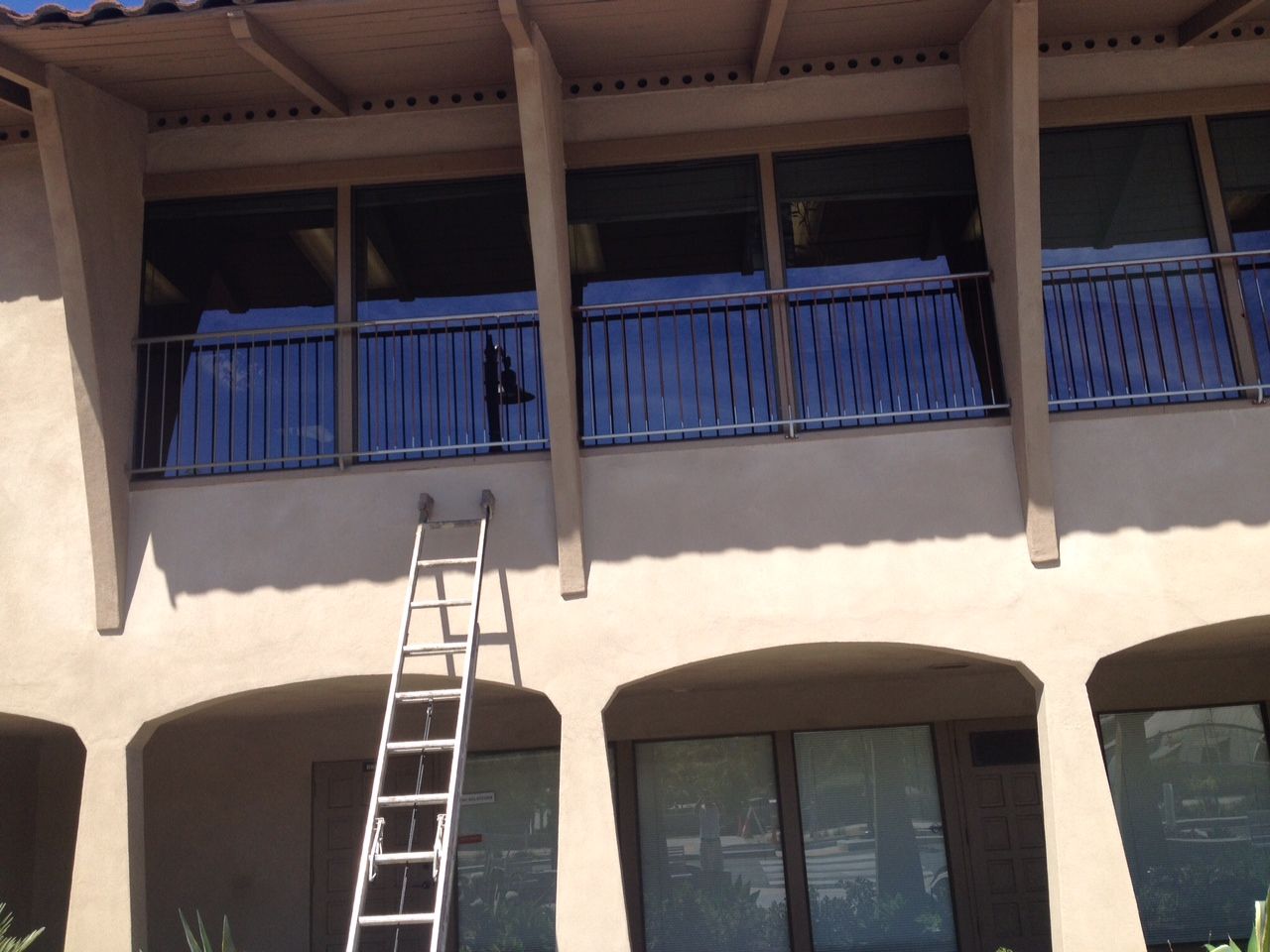
When Fading and Chalking Are Mostly Cosmetic
Fading usually appears gradually, particularly on walls receiving strong afternoon sunlight. One elevation may look noticeably lighter than another without either surface being damaged.
Chalking is the powder that sometimes rubs off an aging painted wall. Light chalking can be normal weathering, but heavy residue must be removed before repainting because new paint may not bond to loose powder.
When the underlying surface is stable, dry, and free of adhesion problems, cleaning, appropriate preparation, and a compatible coating may be all that's required. Repainting over heavy chalking without addressing it can create a new problem where there wasn't a significant repair issue before.
Peeling and Bubbling Need a Closer Look
Peeling means paint is separating from the surface or another coating layer. Bubbling can result from trapped moisture, poor adhesion, incompatible coatings, or application conditions. Neither symptom tells you the cause by itself.
Isolated Failure
A small peeling patch on otherwise sound trim may be a localized preparation issue. If the underlying material is firm and dry, removing unstable paint and properly preparing the area may be enough.
Recurring Failure
When bubbling or peeling returns in the same place after touch-ups, investigate further. Repeated failure below a window, near a roofline, or around a previous repair may suggest ongoing moisture exposure or unstable material. Another layer of paint won't correct what keeps causing the coating to separate.
Check Whether Exterior Wood Is Still Sound
Weathered fascia, siding, window trim, and doors can look rough without needing replacement. Peeling paint, slight surface checking, or faded color may be manageable when the wood remains firm and securely attached.
Softness, deep splitting, loose components, and visible decay are different. Rotted fascia or severely damaged trim needs carpentry repair or replacement before painting. Pay attention to exposed end grain, lower edges, and areas repeatedly contacted by runoff. Paint can protect repaired and properly prepared wood, but it cannot restore strength to deteriorated material.
Are Stucco Cracks Cosmetic or Something More?
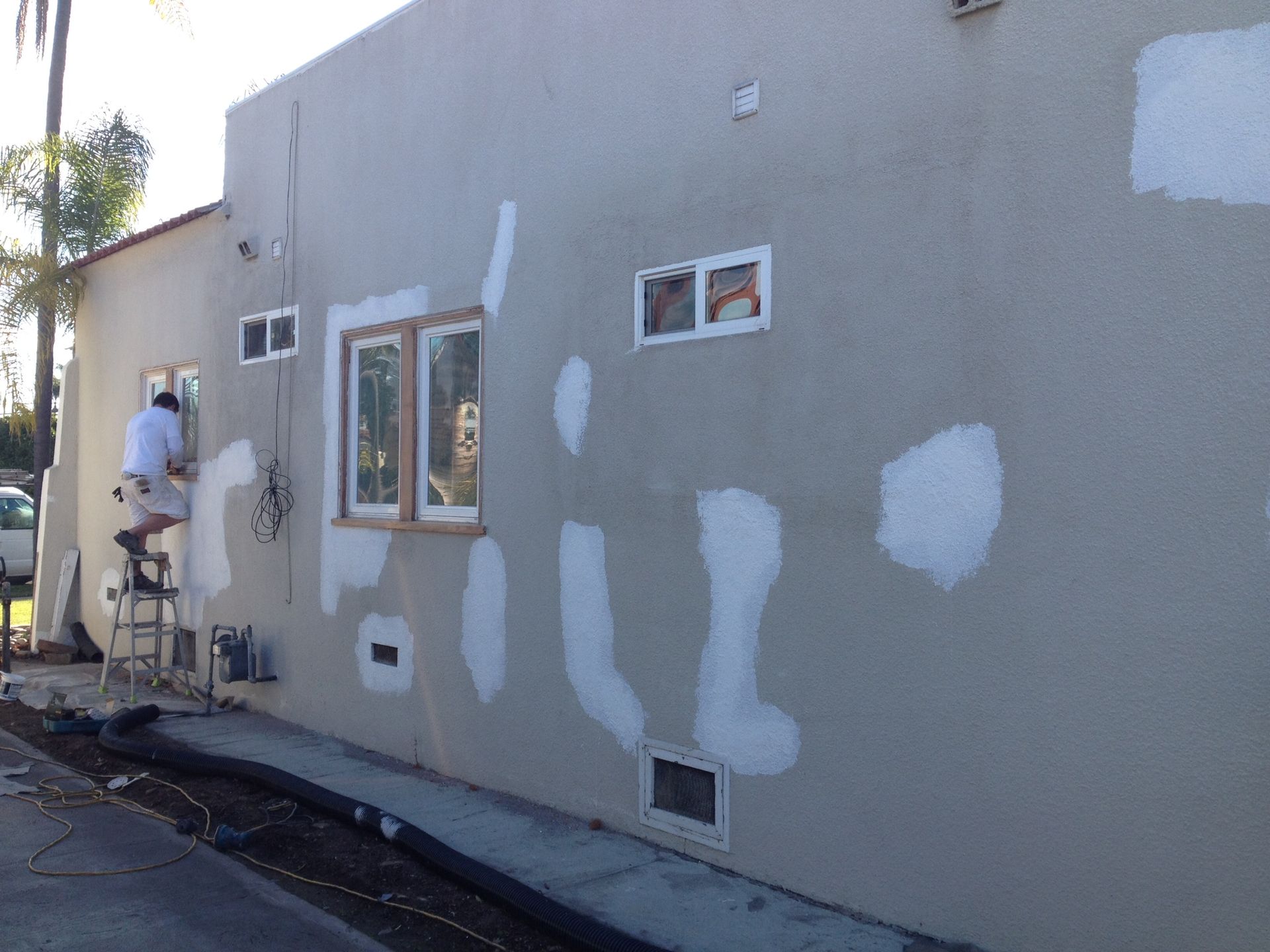
Small, stable surface cracks in stucco may be addressed during appropriate preparation. Their width alone isn't the only consideration. Look at whether they are growing, returning after repairs, accompanied by staining, or associated with movement between materials.
Loose patches, visible displacement, and recurring separation deserve closer evaluation. For properties near slopes or coastal bluffs, signs of significant movement should be assessed by qualified professionals rather than treated as ordinary painting repairs. A crack doesn't prove a structural problem, but repeatedly covering it doesn't establish that the wall is sound.
Failed Caulking Can Be More Than a Small Blemish
Sealants around suitable window, door, trim, and material joints can harden, split, shrink, or pull away over time. The result may appear to be a narrow cosmetic crack, even when the opening allows water into vulnerable materials.
Replacing failed sealant may be routine maintenance, but damaged flashing, softened trim, or an unstable joint requires more investigation. Don't fill every visible opening: window drainage paths and designed ventilation gaps need to remain clear. New paint won't make a failed joint watertight.
Pay Attention to Recurring Stains
Not every exterior stain means something serious is happening. Dirt, irrigation residue, and some mineral deposits may be surface maintenance issues. A stain that keeps returning, particularly with bubbling paint, damp wood, or loose stucco, is more concerning.
On Solana Beach properties, sprinkler spray, roof runoff, and drainage can repeatedly wet particular walls. Note when a stain appears and whether surrounding materials are changing. The goal is to determine whether cleaning will resolve the mark or moisture exposure needs correction before painting.
Different Materials Need Different Solutions
A faded stucco wall may only need cleaning and coating preparation, while a nearby wood fascia board requires repair. Light corrosion on a metal gate may be suitable for removal and recoating, but deep rust or weakened railing connections need qualified attention.
Don't let a single description such as "weathered exterior" determine the scope. Sound stucco, damaged wood, and corroded metal require different materials, preparation methods, and sometimes different repair professionals.
What Should You Check Before Deciding?
Use this checklist during a walkaround, staying in safe, accessible areas:
- Fading: Has the color changed while the coating remains attached?
- Chalking: Does loose powder transfer from the painted surface?
- Peeling or bubbling: Is failure isolated, widespread, or returning?
- Exterior wood: Are boards firm, or do they show rot, splitting, or movement?
- Stucco: Are cracks stable, or are patches loose or repeatedly failing?
- Sealants: Have appropriate joints opened, split, or pulled away?
- Moisture: Are there recurring stains, sprinkler exposure, or runoff problems?
- Previous repairs: Is deterioration returning despite earlier maintenance?
A painting assessment can help separate routine preparation from repairs needing carpentry, waterproofing, drainage, or other specialists. Avoid trying to inspect hazardous elevations or diagnose concealed damage yourself.
Repaint One Area or the Whole Home?
One faded wall or a few peeling spots don't automatically justify a complete repaint. If most coatings remain sound, localized work or repainting a single elevation may make financial sense. Consider whether touch-ups will stand out against older, sun-faded paint.
When coatings are deteriorating across several elevations, repairs are widespread, or consistent appearance is important, a full exterior repaint may be more practical. Decide after identifying necessary repairs, not before.
Determine What Your Solana Beach Home Needs
A weathered exterior isn't automatically a damaged exterior. Chism Brothers Painting can help Solana Beach homeowners evaluate existing coatings, stucco, wood trim, and other paintable surfaces to distinguish standard preparation from conditions needing repairs first.
Whether you're considering targeted touch-ups or a complete exterior repaint, understanding the cause of visible wear can help you choose the right scope. Contact Chism Brothers Painting to schedule an
exterior painting estimate and discuss the next steps for your home.

Tell us about your project
Tell Us About Your Project
Contact us today to schedule a visit from one of our estimators! We’ll come to your home and provide a detailed estimate.
(858) 454-3850