Fading, Chalking, or Peeling? What 4S Ranch Homeowners Should Fix Before Repainting
Last Updated: November 27, 2026
Fading and mild chalking can be normal signs of aging exterior paint. Peeling, bubbling, and repeated paint failure, however, may point to poor adhesion, moisture, or damaged materials that need attention before repainting.
These problems can look similar from the street, but they call for different solutions. A sun-faded stucco wall may only need cleaning and a new coating, while peeling around a window or bubbling below a roofline could require repairs first. For 4S Ranch homeowners, recognizing the difference can help avoid paying for paint that fails again.
What Do These Paint Problems Mean?
Fading means color has gradually changed, often because of sun and weather. The coating may still be firmly attached. Chalking leaves a powdery residue that can rub onto your fingers as the surface breaks down.
Peeling means paint is losing adhesion and separating from the surface or another paint layer. Bubbling creates raised pockets in the coating; moisture, application conditions, or adhesion can all contribute. These symptoms require different preparation.
When Fading Is Mostly Cosmetic
West-facing walls in 4S Ranch may receive stronger afternoon sun than sheltered elevations and fade faster. Uneven color does not automatically mean the underlying stucco or wood is damaged.
If the paint remains firmly attached, repainting may mainly require cleaning and standard preparation. Compare exposed walls with protected areas before deciding whether fading is isolated or widespread. Color change alone does not justify extensive repairs.
Does Chalking Mean the Paint Has Failed?
Rub a dry painted surface. If powder transfers to your hand, the finish may be chalking. Light chalking can accompany normal weathering, while heavy residue needs closer attention.
New paint applied over loose powder may not adhere properly, even if the original coating isn't peeling. Cleaning and removing unstable residue should happen before priming or repainting. A painter can then assess whether the remaining coating is sound.
Why Peeling Needs a Closer Look
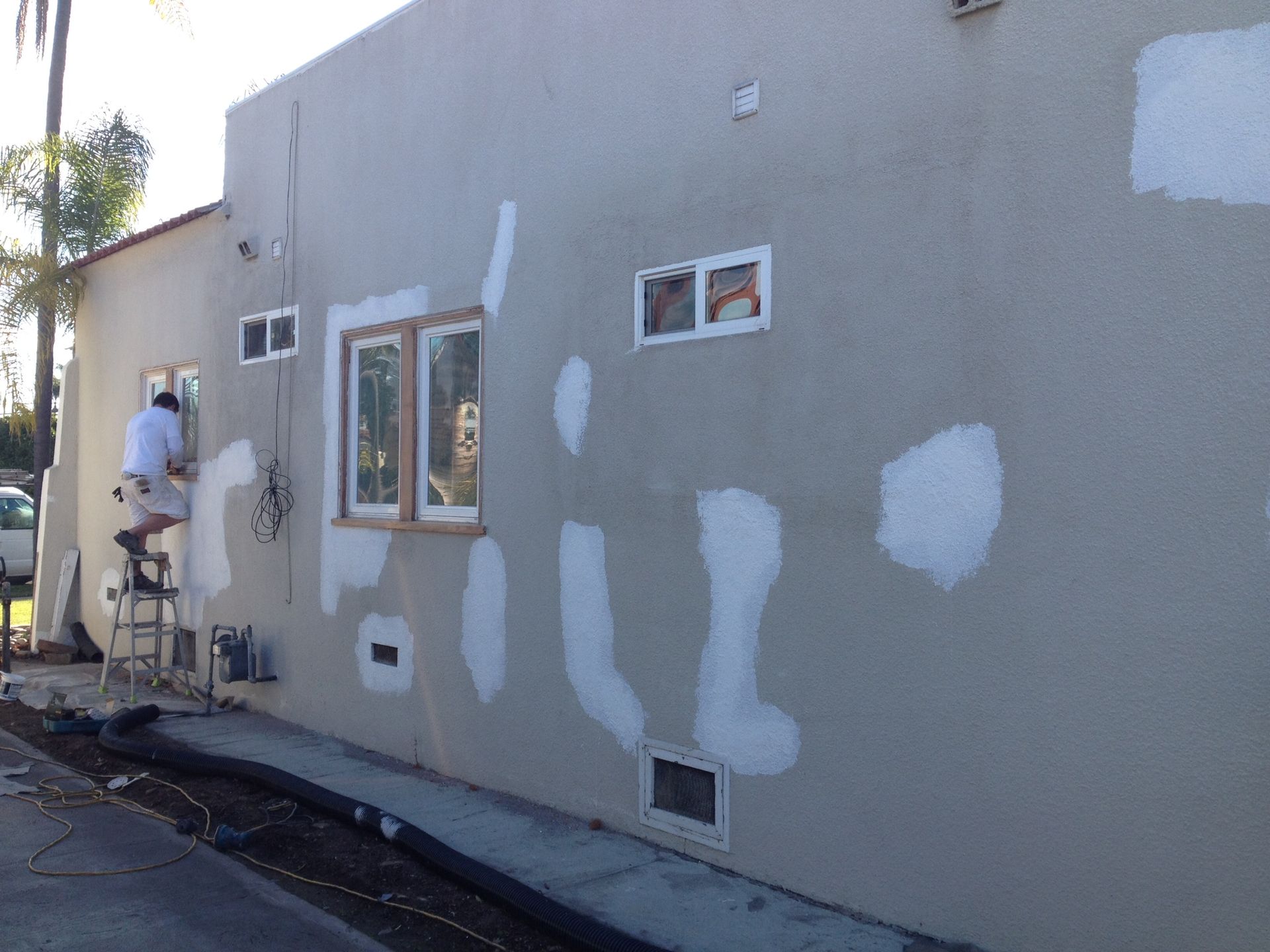
Peeling means paint has separated, but its location offers clues. A small area near a window, fascia board, or stucco patch could reflect a failed joint, moisture, or poor preparation.
Peeling across multiple walls may indicate wider coating or preparation issues. Dirt, incompatible paint layers, dampness, and loose finishes can weaken adhesion. Removing flakes alone may not be sufficient; the remaining coating and underlying surface need evaluation.
Bubbling and Repeat Failure Are Warning Signs
Bubbles can form from moisture, improper application, or adhesion problems. Their location and history matter. Repeated blistering below a roofline, around an opening, or near irrigation deserves investigation instead of another touch-up.
Look for stains, dampness, softened wood, or deteriorated caulk nearby. These can suggest water exposure but do not prove its source. Correcting the cause matters more than covering the symptom.
Previous Preparation May Be the Problem
Previous paint applied over chalk, dirt, loose coatings, or damp surfaces may fail early. Unsuitable primers or incompatible products can also cause trouble.
Although homeowners rarely know exactly what went wrong, failure around older repairs may reveal areas needing extra attention. A new repaint should correct preparation problems instead of repeating them.
Stucco, Trim, and Fascia Need Different Care
Many 4S Ranch homes combine painted stucco with wood fascia, door surrounds, and other trim. Those materials do not age or respond to coatings in identical ways.
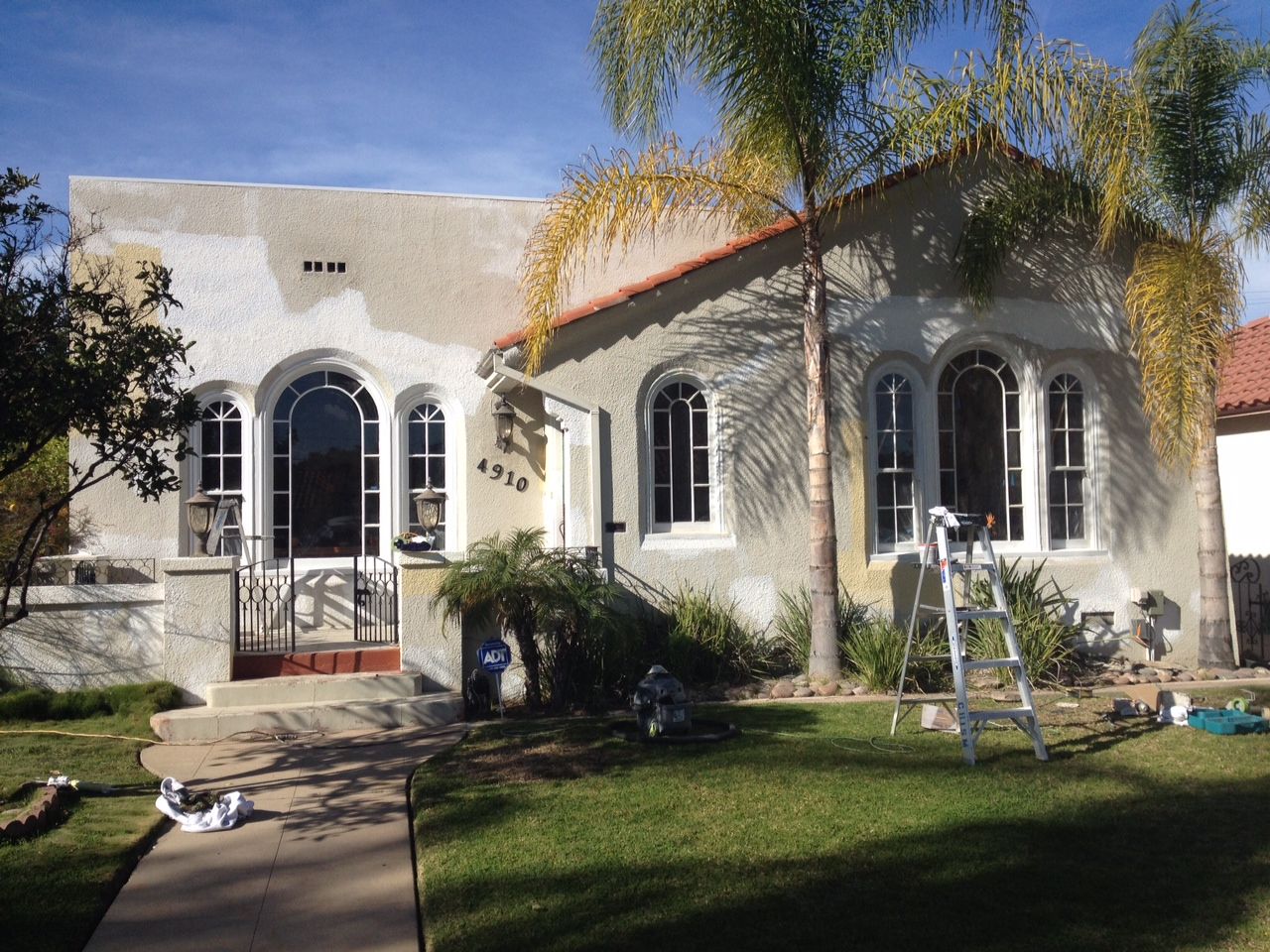
Sound stucco with heavy chalking might need thorough cleaning and suitable priming. Cracked or loose stucco may need repair first. Weathered wood trim can often be sanded and repainted, while soft or rotted fascia needs carpentry repair or replacement. Paint cannot restore deteriorated material, even when the new color makes the damage less noticeable.
Check for Water Before Repainting
Moisture should be considered whenever paint failure appears around windows, doors, gutters, rooflines, landscaping, or previously patched stucco. Repeated sprinkler overspray and drainage problems can also affect lower walls and trim.
Look for stains that return after cleaning, bubbling near joints, or wood that stays damp after nearby surfaces have dried. Water-related problems may require repairs to seals, drainage, flashing, or other components before painting. A fresh exterior coating is not a substitute for those repairs, and concealed water issues may need a qualified specialist.
What Should Be Fixed Before Another Coat?
Use this sequence as a starting point when assessing a troubled exterior:
- Identify the symptom: Note fading, chalking, peeling, bubbling, and areas where problems overlap.
- Inspect the material: Check stucco, fascia, trim, and previous repairs for damage.
- Investigate repeat failures: Look for moisture clues, deteriorated joints, and recurring stains.
- Make necessary repairs: Correct damaged materials and underlying problems before painting.
- Remove unstable coatings: Scrape, sand, or otherwise prepare loose paint appropriately.
- Clean the surface: Remove chalk, dirt, and other residue that interferes with adhesion.
- Prime where needed: Match the primer to the substrate and existing coating condition.
- Apply finish paint: Repaint only once the surface is sound, clean, and sufficiently dry.
Not every fading wall needs the work required for peeling paint or moisture-damaged wood. Preparation should be tailored to the actual problem.
Should You Paint One Wall or the Whole House?
A localized repair or single-elevation repaint may be enough when the rest of the coating remains sound. Yet faded paint can be difficult to match, making isolated patches noticeable.
If chalking or peeling affects several elevations, a full repaint may be more practical. Assess every side before deciding based on the worst-looking wall.
How to Keep Problems From Returning
No coating permanently prevents weathering. Better results come from fixing moisture problems, removing unstable paint, cleaning thoroughly, and choosing compatible primers and finishes.
Afterward, check exposed trim, caulk joints, and previously damaged areas regularly so small problems can be addressed early.
Remember 4S Ranch HOA Approval
The 4S Ranch Master Association requires written approval before exterior painting, even when homeowners plan to reuse the original colors. Confirm the current Painting Improvement Application requirements before finalizing colors or scheduling work. Surface preparation and architectural approval are separate parts of planning a successful repaint.
Address Paint Problems With Chism Brothers Painting
Fading, chalking, peeling, and bubbling can lead to very different painting recommendations. Chism Brothers Painting can help 4S Ranch homeowners evaluate existing coatings, surface condition, and preparation needs before deciding whether touch-ups, targeted repairs, or a broader exterior repaint make sense.
If you're noticing paint problems on your
home's exterior, contact Chism Brothers Painting to schedule an estimate. Understanding why the finish is deteriorating is the best place to start before investing in another coat.
Tell us about your project
Tell Us About Your Project
Contact us today to schedule a visit from one of our estimators! We’ll come to your home and provide a detailed estimate.
(858) 454-3850