Do You Need to Strip Old Paint Before Repainting a Kensington Home?
Last Updated: November 27, 2026
You usually don't need to strip every layer of old paint before repainting. If the existing coating is firmly attached and the underlying surface is sound, proper preparation may be enough. Extensive peeling, cracking, or paint buildup may require more substantial removal.
Kensington's Craftsman, Spanish Revival, and other older homes may have decades of paint on siding, window casings, doors, and decorative woodwork. The goal isn't to expose every surface to bare material. It's to identify which coatings can support another finish without damaging the original features beneath them.
When Can You Paint Over Existing Paint?
Existing paint can provide a suitable foundation when it is firmly bonded, compatible with the planned coating, and free of widespread failure. Several previous paint jobs alone don't justify stripping to bare wood.
Preparation may include washing away contaminants, removing isolated loose paint, smoothing rough edges, repairing defects, and priming exposed areas. A painter should still evaluate adhesion and the material underneath. Painting over an apparently intact but unstable layer can lead to peeling later.
Signs That More Paint Needs to Come Off
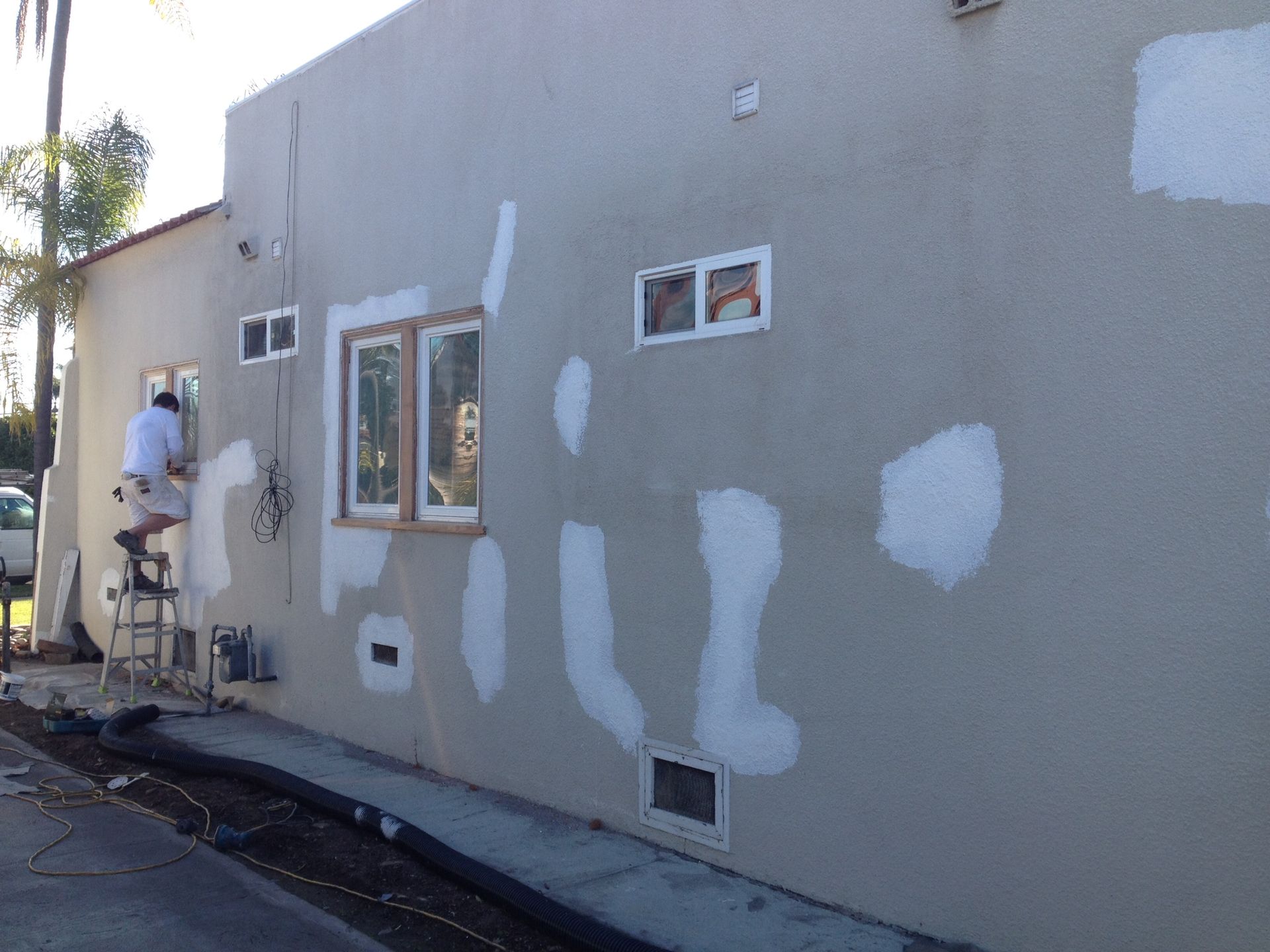
Peeling, blistering, flaking, and cracking can indicate that the existing finish is no longer a reliable base. Where paint lifts away from wood, stucco, or an older coating, the loose material must be removed and the reason for failure considered.
Peeling and Adhesion
A few isolated peeling spots may only require localized removal. If paint separates across large sections of siding or trim, preparation may need to extend much farther to reach a stable coating.
Cracking and Alligatoring
Some older finishes develop a network of deep, interconnected cracks resembling alligator skin. These cracks may reflect brittle layers, incompatible coatings, or earlier application problems. Painting over severe cracking can leave the underlying failure in place, even if the surface briefly looks smoother.
Can Too Many Paint Layers Become a Problem?
Multiple paint layers aren't automatically a problem. If they're firmly attached and don't interfere with the surface, full stripping may accomplish little beyond adding expense.
Buildup becomes more concerning when it hides decorative profiles, leaves ridges around trim, or makes windows and doors difficult to operate. Cracked, thick coatings can also require significant preparation to create a smooth, stable base. The question is whether buildup is affecting adhesion, appearance, or function.
Protect Original Windows and Decorative Trim
Original casings, porch details, doors, and moldings often give Kensington homes their character. Repeated paint jobs can gradually soften the definition of grooves and edges.
Selective removal may help restore these details when thick coatings are obscuring them. However, aggressive scraping, sanding, or stripping can gouge older wood and permanently change delicate profiles. Careful methods matter more than removing everything.
Window sashes deserve particular attention. Excessive paint around moving parts may interfere with operation, but removing coatings around older glazing and trim requires care.
Wood Siding and Stucco Need Different Methods
Wood Siding
Wood boards should be checked for loose paint, splitting, soft spots, exposed edges, and moisture damage. Sound siding may need cleaning, careful scraping, localized sanding, and priming. Rotten boards or recurring water problems require repairs before a fresh finish.
Stucco Surfaces
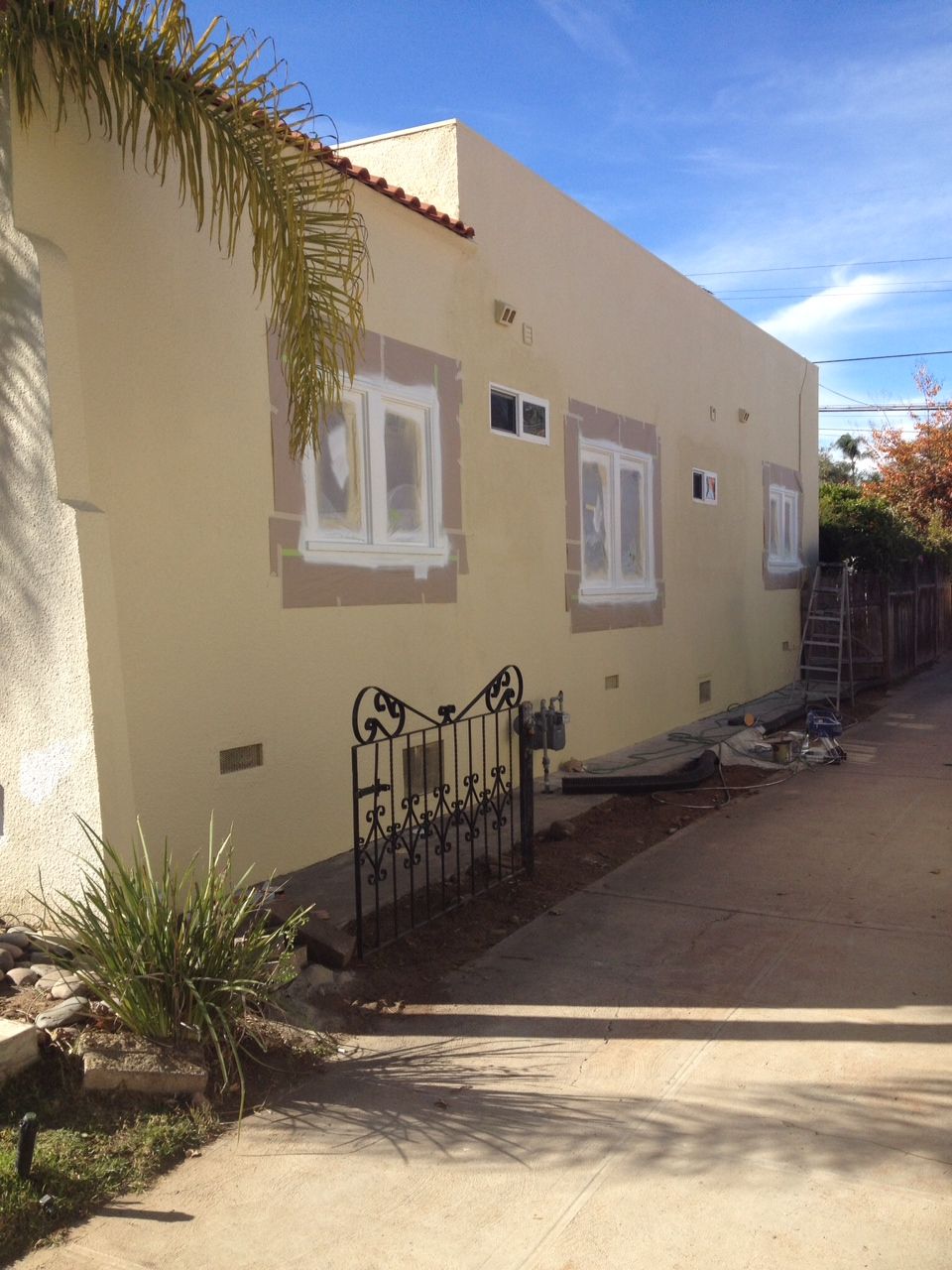
Textured stucco presents a different challenge. Chalking, peeling, and older patches can affect adhesion, but aggressive removal can damage the texture or underlying material. The painter should assess the existing coating and stucco condition before selecting cleaning, removal, and primer methods.
One preparation technique shouldn't automatically be used across the entire exterior.
Previous Repairs Can Change the Preparation
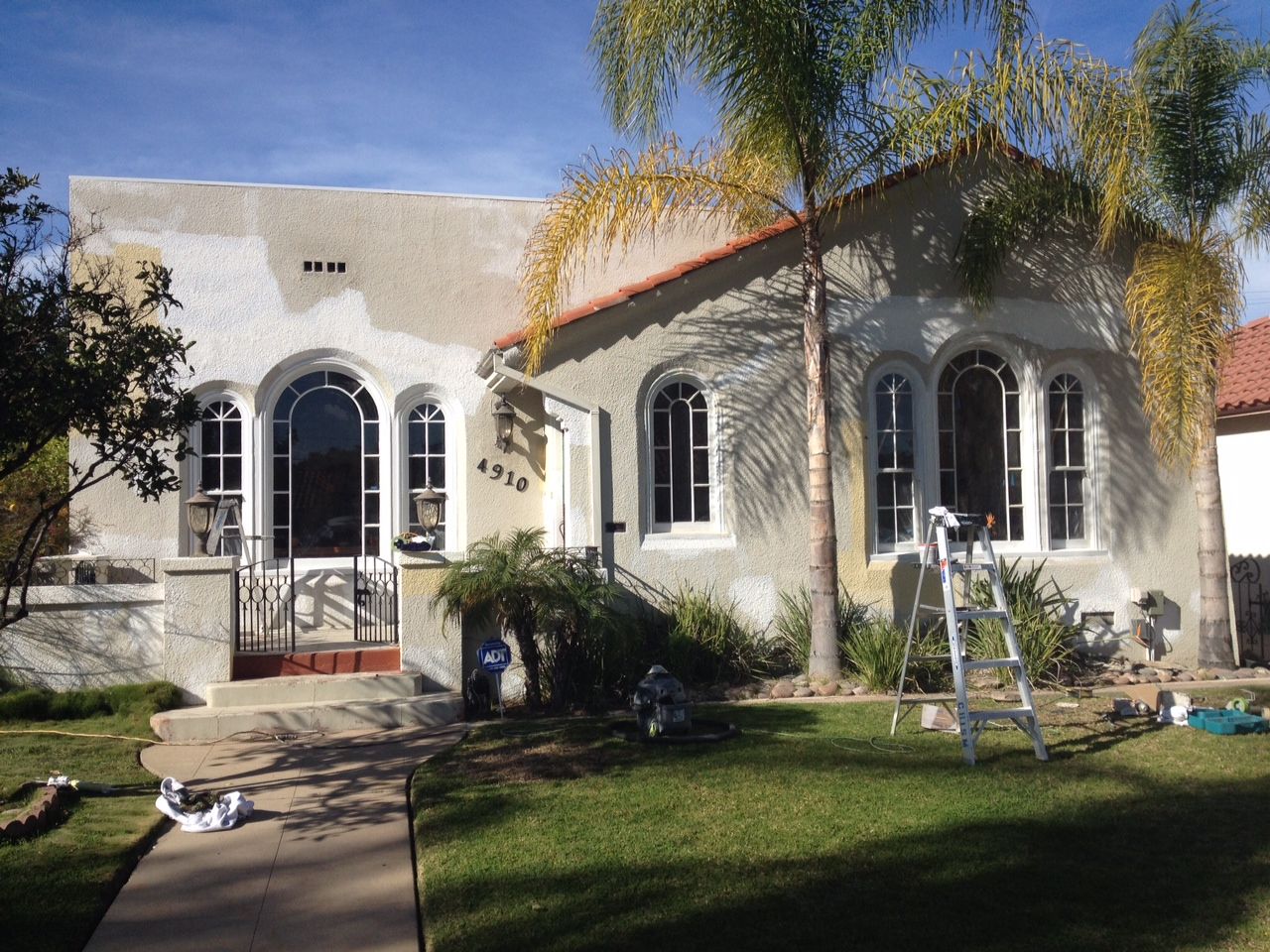
A home may have replacement trim, patched stucco, areas stripped during an earlier project, and sections carrying much older coatings. These surfaces can absorb primer differently or show visible transitions after painting.
Inspect previous repairs for loose material, recurring cracks, uneven buildup, or poor adhesion. Some areas may need additional smoothing or priming even when adjacent paint remains sound. Treating a patched area exactly like the original surface can create problems that show up only after the finish is applied.
Consider Lead Paint Before Disturbing Older Coatings
Homes built before 1978 may contain lead-based paint beneath newer coats. Scraping, sanding, or stripping those layers can produce hazardous dust and debris.
Covered renovation work may require EPA lead-safe certification, containment, and appropriate cleanup procedures. Before aggressive removal, homeowners should have the potential hazards and applicable requirements assessed. This is especially important when the project involves original windows, siding, and intricate trim where large amounts of paint could be disturbed.
When Is Complete Stripping Worth It?
Full removal can make sense when paint is failing across most of a surface, coating buildup interferes with function, or heavily cracked layers cannot support another finish. It may also be justified when restoring a particular architectural detail requires exposing its original profile.
But stripping an entire house because one window surround is peeling is rarely a proportionate starting point. Extensive removal is labor-intensive, can raise safety and containment costs, and may damage older substrates if the method is unsuitable. Removal should solve a specific problem.
What Should Happen Before Repainting?
Use this checklist when reviewing an exterior painting estimate:
- Inspect the coatings: Identify peeling, blistering, cracking, and heavy buildup.
- Check adhesion: Determine which areas are sound and which continue separating.
- Inspect materials: Look for damaged wood, cracked stucco, and moisture problems.
- Assess safety: Establish whether lead-safe precautions apply before disturbing paint.
- Complete repairs: Fix deteriorated materials and active water problems.
- Remove failing paint: Use appropriate methods to reach a stable surface.
- Prepare remaining coatings: Clean, smooth transitions where suitable, and prime where needed.
- Repaint: Apply compatible finishes once surfaces are sound, dry, and ready.
The amount of removal may differ from one area to another. A porch railing might need considerable work while nearby stucco only needs cleaning and spot preparation.
How Do You Know When Enough Paint Is Removed?
The goal is a reliable foundation, not bare material everywhere. Loose paint should be removed until the remaining coating is stable; edges can then be feathered where appropriate to reduce visible ridges.
If adjacent layers keep lifting or the substrate underneath is deteriorating, more removal or repairs may be necessary. Adhesion testing can help establish where to stop.
Choose the Right Approach for Your Kensington Home
Repainting an older home doesn't have to mean stripping away every previous coat. Chism Brothers Painting can help assess existing paint, original woodwork, stucco, and repair areas to identify which surfaces need routine preparation and which require more extensive attention.
Whether you're refreshing siding or preserving detailed trim, the right preparation can help protect the character of your home and support a longer-lasting finish. Contact Chism Brothers Painting to schedule an
exterior painting estimate and discuss the appropriate scope for your
Kensington property.
Tell us about your project
Tell Us About Your Project
Contact us today to schedule a visit from one of our estimators! We’ll come to your home and provide a detailed estimate.
(858) 454-3850