White Powder or Stains on Stucco? What Solana Beach Homeowners Should Check Before Repainting
Last Updated: November 27, 2026
White powder or stains on stucco may come from mineral deposits, moisture movement, irrigation residue, or aging paint. Identifying the cause matters because cleaning and repainting alone may not stop the discoloration from returning.
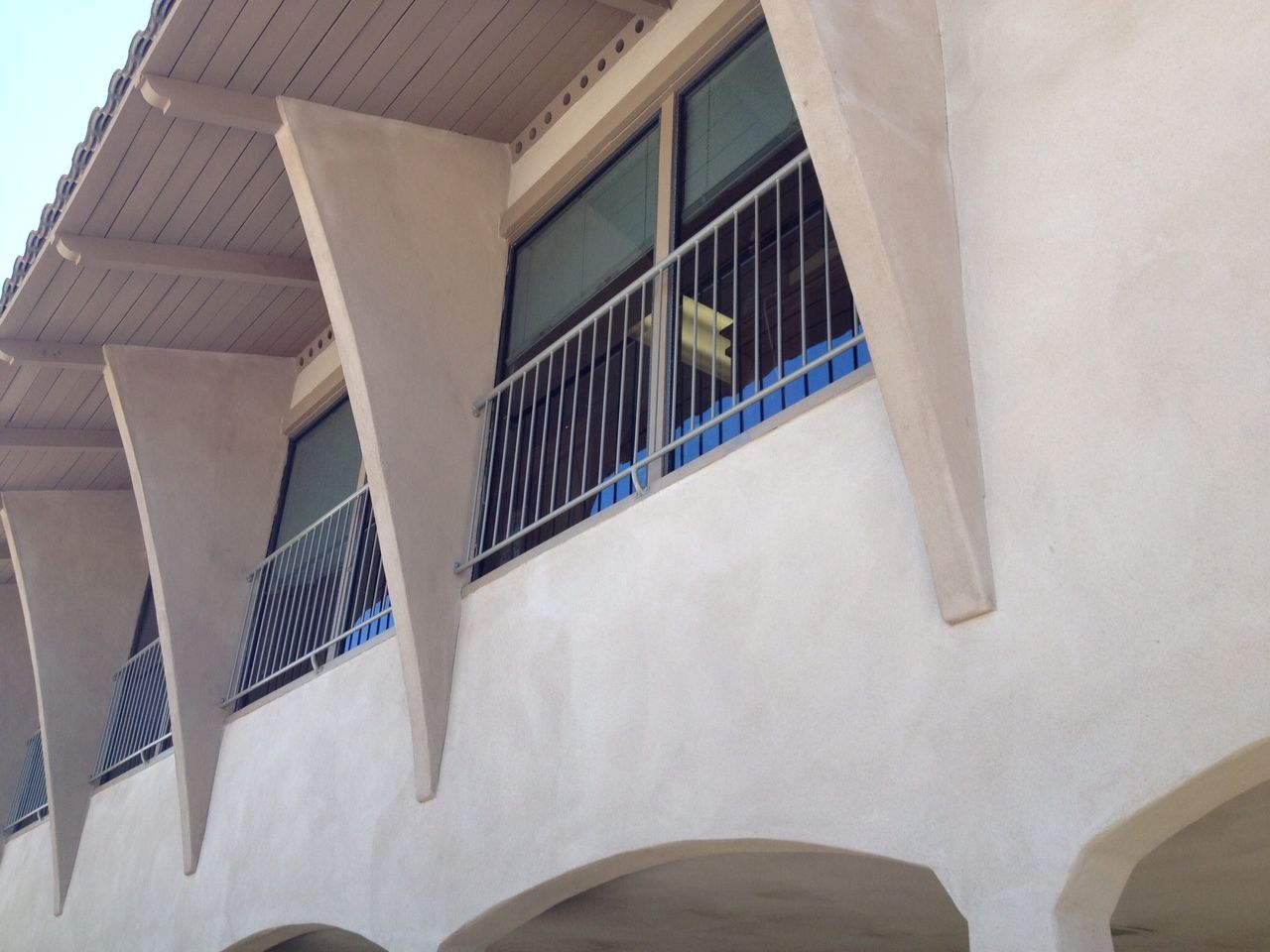
White streaks stand out on darker stucco and near windows or landscaping. In Solana Beach, coastal exposure, sprinklers, and drainage can all affect exterior walls. Before repainting, find out whether the residue is superficial or suggests a repair is needed.
What Causes White Powder on Stucco?
One possible cause is efflorescence. When water moves through cement-based materials, it can dissolve soluble salts and carry them toward the surface. After that moisture evaporates, a pale, powdery or crystalline deposit remains.
Efflorescence doesn't prove a leak or structural damage, but recurring deposits warrant a closer look at moisture sources.
Is It Efflorescence, Chalking, or Irrigation Residue?
Several conditions can produce a white, dusty appearance, but they don't call for identical treatment.
Efflorescence
White mineral residue may return after cleaning if moisture continues transporting salts. Location and timing offer clues, but appearance alone isn't conclusive.
Paint Chalking
Chalking comes from the breakdown of the paint film itself. A fine powder may transfer to your fingers when you rub a painted wall. Unlike efflorescence, the residue originates in the aging coating rather than salts moving through stucco.
Irrigation Residue
Sprinklers using mineral-rich water may leave whitish deposits where spray repeatedly hits a wall. Airborne coastal salts and ordinary dirt can also contribute to surface discoloration. A painter may need to examine the pattern and existing coating to distinguish these possibilities.
Why Do Stucco Stains Keep Returning?
Stucco can absorb and release moisture. If water repeatedly reaches the wall through damaged joints, exposed areas, or poorly managed runoff, staining can return after the surface is cleaned. Moisture movement can also affect how well existing coatings stay attached.
Notice whether stains appear after rain, irrigation, or periods of persistent dampness. A patch that repeatedly turns white despite washing deserves more attention than a one-time mark. The goal is to understand the source, not just remove the evidence.
Check Irrigation and Drainage Around the Home
Begin with the areas you can inspect safely. Watch where sprinklers spray during a normal watering cycle, and look for water striking stucco near garden beds. Check gutters, downspouts, and places where runoff collects near exterior walls.
Repeated wetting can create mineral residue, maintain damp conditions, or contribute to coating deterioration. For properties near Solana Beach's bluffs or slopes, substantial drainage changes should be assessed by an appropriate professional. Don't redirect water toward a bluff edge to solve a wall-staining problem.
What Can the Location of a Stain Tell You?
Staining patterns often reveal where to investigate. White deposits along a lower wall may correspond with sprinkler spray or ground moisture. Marks beneath a window could relate to runoff or a deteriorated joint, while streaks below a parapet or balcony might suggest an issue higher up.
Previous patches, cracks, and transitions between materials are worth checking too. These are clues, not diagnoses. Water may enter elsewhere, so recurring stains sometimes need closer inspection.
When Is Stucco Staining More Concerning?
A white deposit by itself doesn't prove serious damage. The concern increases when it appears with bubbling or peeling paint, persistent dampness, loose stucco, widening cracks, or repeated failure of repaired areas.
Those combinations may indicate moisture intrusion or deteriorated materials rather than a superficial residue. If the surrounding wall is unstable or remains wet, repairing that condition should take priority over cosmetic painting.
Can You Simply Wash the White Deposits Away?
Some residue can be removed with cleaning methods suitable for the stucco and its existing coating. But removing visible powder doesn't necessarily resolve the cause. Hard-water deposits may return if sprinklers continue hitting the wall, and efflorescence may recur if moisture keeps carrying salts outward.
Avoid assuming aggressive pressure washing or strong chemicals will work better. Excessive pressure, unsuitable cleaners, or additional water can damage stucco texture and coatings. The cleaning method should match the surface condition and identified residue.
Why Painting Over Deposits Often Fails
Loose mineral deposits, chalky residue, and damp surfaces can interfere with paint adhesion. A newly coated wall may look uniform initially, only for staining, bubbling, or peeling to develop again.
Proper preparation means identifying the residue, correcting relevant moisture problems, removing contamination, and checking whether the underlying paint and stucco are sound. Primer and finish products should be compatible with the existing coating and the condition of the wall. Paint should protect a prepared surface, not hide an unresolved problem.
What Should Happen Before Repainting Stained Stucco?
Use this practical sequence before committing to a new finish:
- Identify the residue: Consider efflorescence, chalking, irrigation minerals, or other deposits.
- Inspect nearby surfaces: Look for loose stucco, cracks, peeling paint, and persistent dampness.
- Track water exposure: Check sprinklers, roof runoff, drainage, and surrounding joints.
- Correct underlying issues: Resolve relevant moisture sources and repair damaged materials.
- Clean carefully: Remove deposits and contamination with methods appropriate for stucco.
- Allow drying: Confirm the surface is sufficiently dry and stable before coating.
- Prepare existing paint: Remove unstable coatings and address old patches where needed.
- Prime and repaint: Apply compatible products once the wall is ready.
Ordinary chalking may need cleaning and preparation, while recurring efflorescence or moisture damage may require further repairs.
When Should You Call a Specialist?
Recurring water intrusion, widespread loose stucco, major cracks, or visible movement may require a stucco, drainage, waterproofing, or structural professional. On bluff-adjacent properties, significant drainage concerns or signs of movement warrant evaluation outside the scope of painting.
Painters can assess coatings, but concealed waterproofing and bluff stability require specialists. Resolve those concerns before painting.
Does the Entire Exterior Need Repainting?
Localized staining doesn't automatically justify repainting the whole house. If the cause has been corrected and surrounding coatings remain sound, targeted cleaning, preparation, and painting may be sufficient.
Widespread chalking, multiple repairs, or faded paint can make an entire wall or elevation the better choice. Older colors and sheen may be difficult to match precisely, so evaluate the finished appearance alongside the condition of the coating.
Address Stucco Stains Before Repainting Your Solana Beach Home
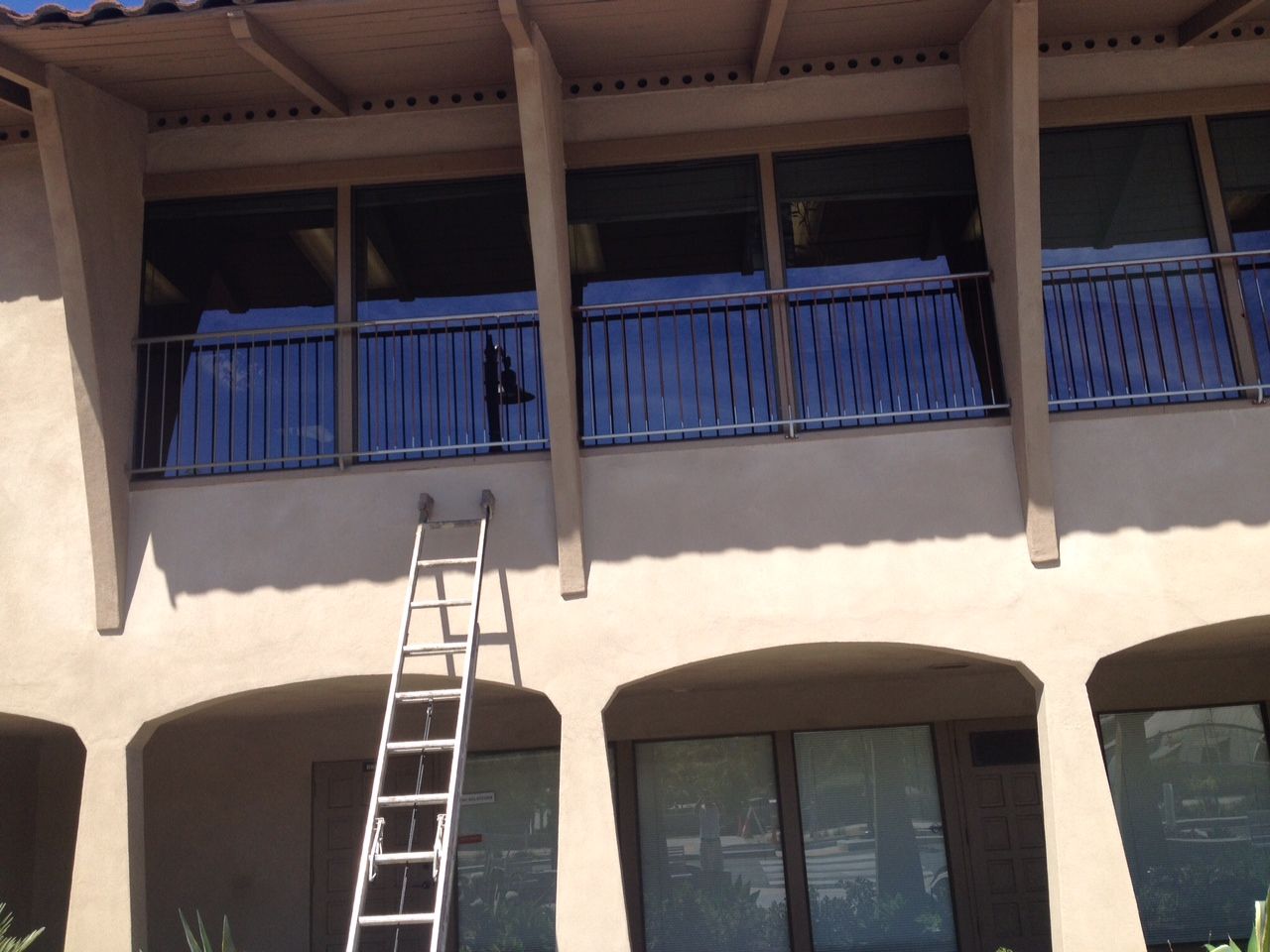
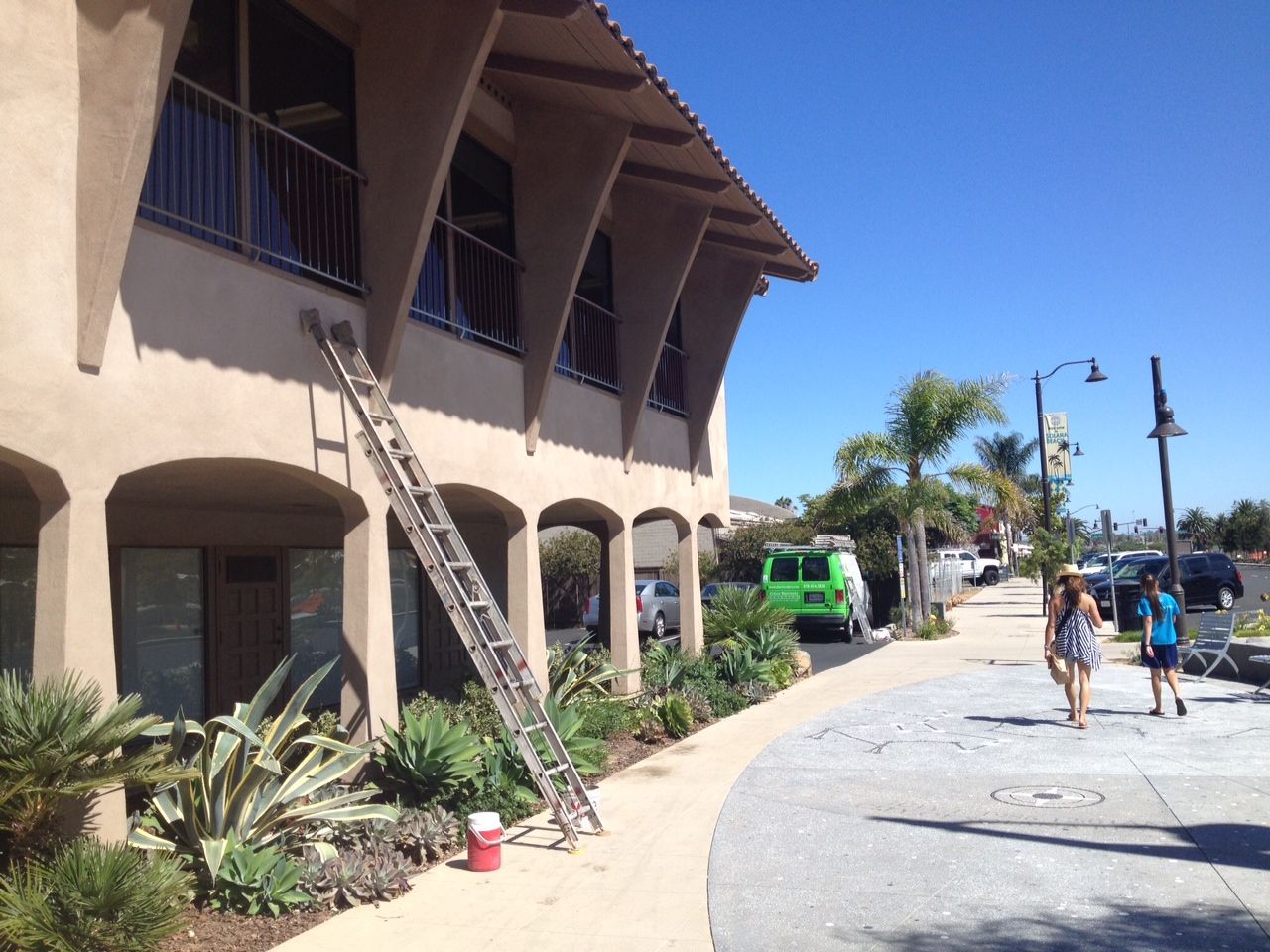
White powder and recurring stains deserve an explanation before another coat goes on. Chism Brothers Painting can help Solana Beach homeowners evaluate existing stucco coatings, visible surface problems, and the preparation needed for a successful exterior repaint.
If drainage, waterproofing, or material repairs are necessary, those issues should be handled by the appropriate professionals before painting. Contact Chism Brothers Painting to schedule an
exterior painting estimate and discuss the right scope for your home's stucco.



Tell us about your project
Tell Us About Your Project
Contact us today to schedule a visit from one of our estimators! We’ll come to your home and provide a detailed estimate.
(858) 454-3850