Painting a Solana Beach Home Near the Bluff? What Should You Inspect First?
Last Updated: November 27, 2026
Before painting a home near the Solana Beach bluffs, inspect drainage, irrigation, exterior cracks, moisture-prone areas, woodwork, and existing coatings. These checks help identify conditions that need attention before the new finish goes on.
Wind, sunlight, and coastal moisture can wear down exterior paint, but bluff-adjacent properties may have additional concerns involving water movement and access. Not every home near a bluff has structural problems, and peeling paint alone is not evidence of instability. The goal is to distinguish normal painting maintenance from issues that deserve professional evaluation first.
Why Bluff-Top Homes Need a Closer Look
Homes near Solana Beach's coastal bluffs can experience direct wind, salt-containing air, and sunlight. Their setting can also make drainage and safe access especially important.
Where water flows, how irrigation operates, and whether exterior work can be completed without disturbing vulnerable terrain all matter. Conditions vary by property.
Follow the Water Around Your Property
Understanding where water travels during rain is one of the most useful steps before repainting. Repeated runoff can deteriorate paint, stain stucco, and damage wood, even when the affected surface looks dry during an estimate.
Roof Runoff
Look for overflowing gutters, leaking downspouts, and staining or peeling beneath roof edges. Water directed onto fascia, siding, or an exterior wall can cause the same coating problem to return after repainting.
Ground Drainage
Notice where water collects around patios, walkways, and exterior walls. Persistent puddling or recurring dampness warrants evaluation. On bluff-adjacent properties, do not redirect runoff toward a slope or bluff edge on your own. A qualified drainage professional should assess significant changes to water flow before painting proceeds.
Check Irrigation Before Repainting
Sprinklers that repeatedly strike stucco, fences, siding, or trim can create staining, softened wood, and premature coating wear. Inspect irrigation patterns during a normal watering cycle from a safe location, especially near lower walls and landscaping.
Persistent soil moisture is also worth discussing with an appropriate professional. Certain bluff-area properties and projects may be subject to local irrigation and review requirements, so confirm what applies before modifying the system. Water management is not something a new paint coating can solve.
Know Which Cracks Need Investigation
Cracks in stucco or painted finishes can develop because of aging, material movement, or previous repairs. Small, stable surface cracks may be repairable through normal preparation after the surrounding material is checked.
Widening cracks, recurring separation, visible displacement, or damage accompanied by other signs of movement need more attention. A crack does not automatically mean a bluff is unstable, but a changing pattern should not simply be filled and painted. Have the relevant structural or geotechnical concern assessed before cosmetic repairs.
Inspect Windows and Doors for Moisture
Window and door openings contain joints, flashing, and materials that can deteriorate over time. Look for peeling or bubbling paint, recurring stains, split caulk, soft wood, and damage around sills and trim.
Replacing failed paintable sealant may address a straightforward joint problem, but damaged flashing or concealed water intrusion may require specialist repairs. Designed drainage openings should remain clear.
Evaluate Wood, Stucco, and Existing Paint
Fascia, siding, doors, and trim can show sun-weathered finishes, splitting, or soft areas where moisture collects. Sound wood may only need cleaning, removal of loose paint, and priming. Rotted components need repair or replacement before finishing.
Stucco presents different concerns, including cracking, chalking, loose patches, or staining. A faded, well-adhered coating may need relatively ordinary preparation, while peeling around repeated moisture stains calls for investigation. Preparation and coating products should suit each material and the existing finish.
Don't Overlook Balconies and Metal Railings
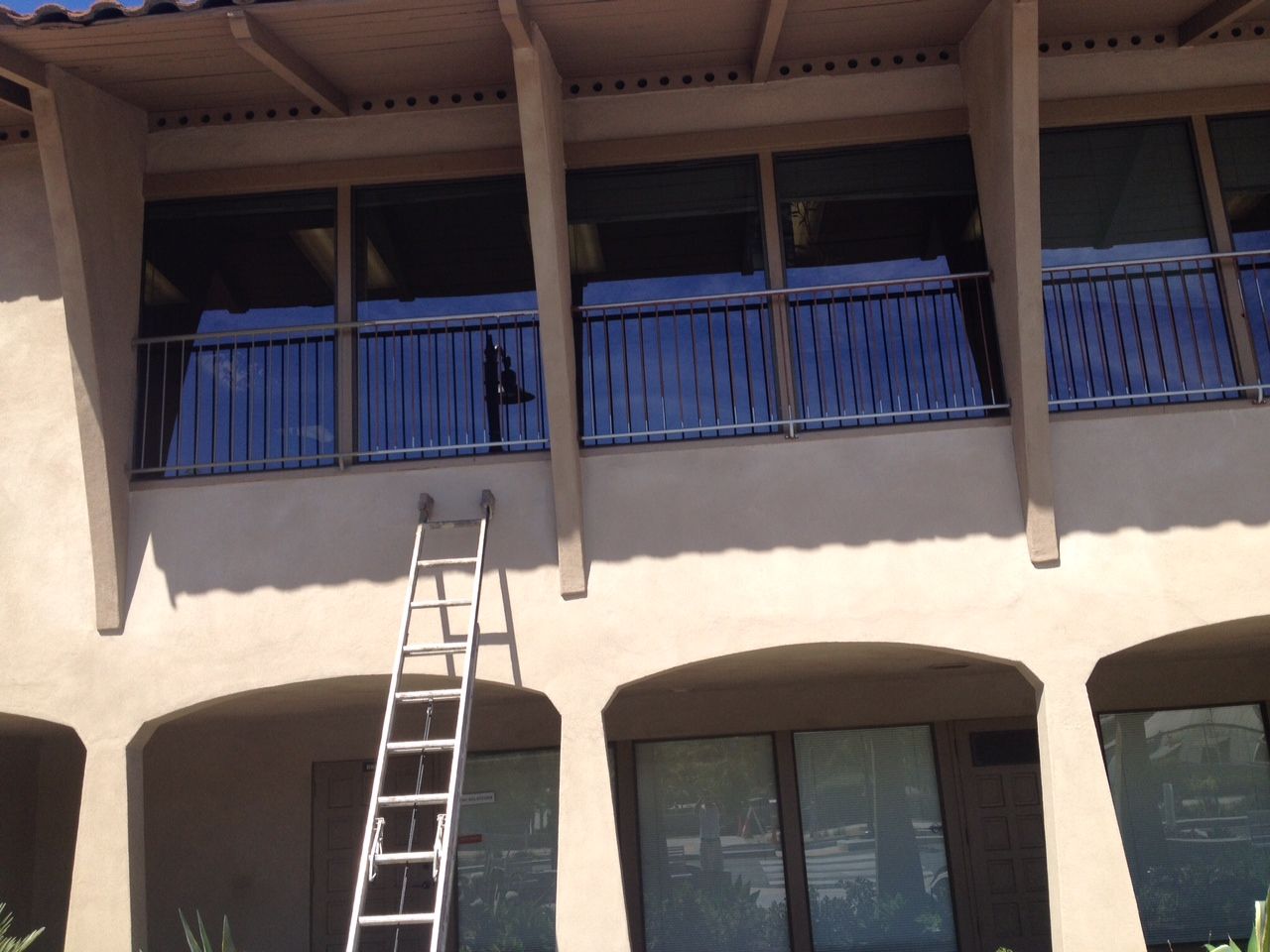
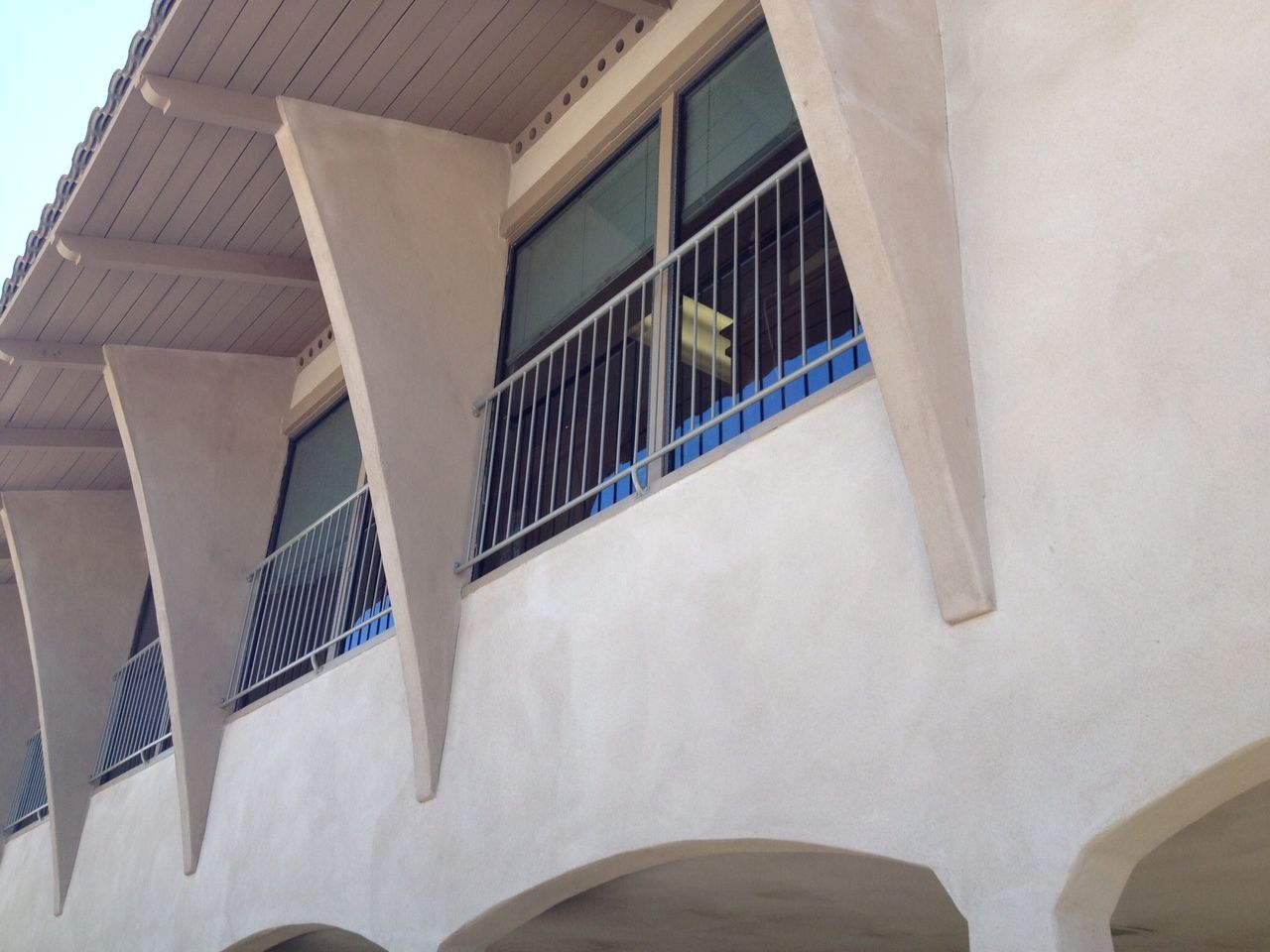
Balconies, decks, stairs, and gates may be more exposed than sheltered exterior walls. Check for deteriorated wood, peeling coatings, rust around railing connections, and stains near balcony edges.
Loose railings, compromised deck components, or suspected waterproofing failures should be evaluated before painting. A balcony's waterproof walking surface requires an appropriate waterproofing system, not ordinary exterior wall paint. Inspect them separately.
Plan for Safe Access Near the Bluff
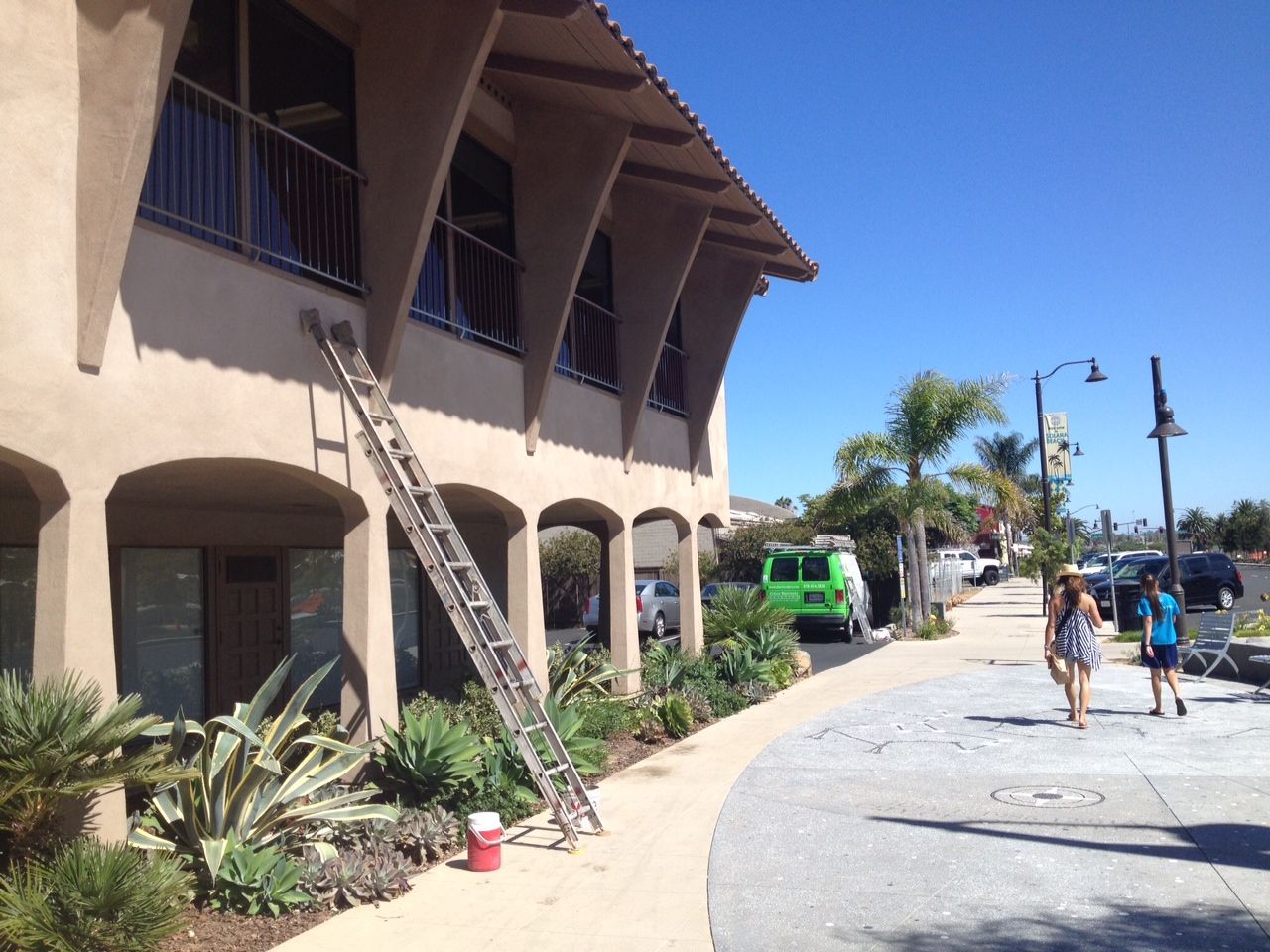
A difficult-to-reach wall may need specialized access equipment, but the safest approach depends on the terrain and available space. Ladders, scaffolding, cleaning methods, and equipment placement must be planned without compromising the surrounding site.
Do not approach an unstable edge, step onto uncertain ground, or try to inspect inaccessible walls yourself. Where there are concerns about access or ground stability, qualified professionals should establish a safe work plan, including how cleaning runoff and debris will be managed.
When Should You Involve a Specialist?
An exterior painter can evaluate coating adhesion, visible surface damage, and preparation needs. Significant or changing cracks, apparent ground movement, persistent drainage problems, damaged retaining features, and unstable balcony connections are outside ordinary painting preparation.
Depending on the issue, a structural engineer, geotechnical professional, drainage specialist, or waterproofing contractor may be appropriate. Resolve those concerns before investing in cosmetic work that could conceal their warning signs.
What to Inspect Before Scheduling Painting
Use this checklist to organize a preliminary walkaround from safe, accessible locations:
- Drainage: Note runoff from roofs, patios, downspouts, and hardscaping.
- Irrigation: Look for spray striking walls and persistent dampness around the property.
- Stucco: Identify cracking, stains, loose areas, and deteriorated patches.
- Exterior wood: Check fascia, doors, siding, and trim for splitting, peeling, or softness.
- Openings: Inspect window and door joints for damaged caulk and recurring stains.
- Elevated features: Note railing corrosion, balcony damage, and waterproofing concerns.
- Paint: Look for chalking, bubbles, peeling, and areas that repeatedly fail.
- Access: Identify walls that cannot be safely reached without professional equipment.
This checklist does not diagnose bluff stability. Leave hazardous locations and concealed problems to qualified specialists.
Does Every Surface Need Repainting?
Not necessarily. Exposed elevations may show more fading or peeling while sheltered walls remain sound. Railings and wood trim may also need attention before nearby stucco does.
Localized painting or one-elevation repainting can make sense when the remaining coatings are in good condition. Widespread failure, multiple repairs, or difficult color matching may justify a larger project. Let condition determine the scope.
Prepare Your Solana Beach Home With Chism Brothers
Painting a home near Solana Beach's bluffs begins with understanding the surfaces and the conditions affecting them. Chism Brothers Painting can assess stucco, woodwork, existing coatings, and visible preparation needs to help homeowners plan an appropriate exterior repaint.
Where drainage, structural, or waterproofing concerns are present, those should be addressed by the appropriate professionals first. Contact Chism Brothers Painting to schedule an
exterior painting estimate and discuss which surfaces are ready for preparation and painting.
Tell us about your project
Tell Us About Your Project
Contact us today to schedule a visit from one of our estimators! We’ll come to your home and provide a detailed estimate.
(858) 454-3850