Planning a Whole-Home Interior Update in Carmel Valley? What Should Be Finished Before Painting?
Last Updated: October 23, 2026
Interior painting should generally happen after major construction, electrical work, drywall repairs, and carpentry are completed, with flooring, trim, and final fixtures coordinated to prevent damage and unnecessary repainting.
When updating several rooms, it can be tempting to start painting as soon as new colors are chosen. However, flooring replacement, lighting upgrades, built-ins, and other improvements can disturb newly painted surfaces. Scheduling these projects in the wrong order may lead to additional repairs, touch-ups, and expenses.
For Carmel Valley homeowners planning a whole-home update, understanding where painting fits into the renovation can make the process smoother. Whether you're updating an older interior or coordinating several improvements at once, the goal is to finish the messiest work before applying the final paint.
Why Painting Should Be Part of the Renovation Plan From the Start
Although interior painting often happens near the end of a renovation, homeowners should discuss it before other projects begin.
Electricians may need to open walls, carpenters may install new trim, and flooring contractors may remove baseboards or move equipment through the house. If those activities happen after painting, they can leave scratches, patches, or damaged finishes.
Planning early helps determine when each room will be ready. It also allows homeowners to identify areas that can be painted independently while other improvements continue elsewhere.
Complete Electrical and Lighting Changes Before Final Painting
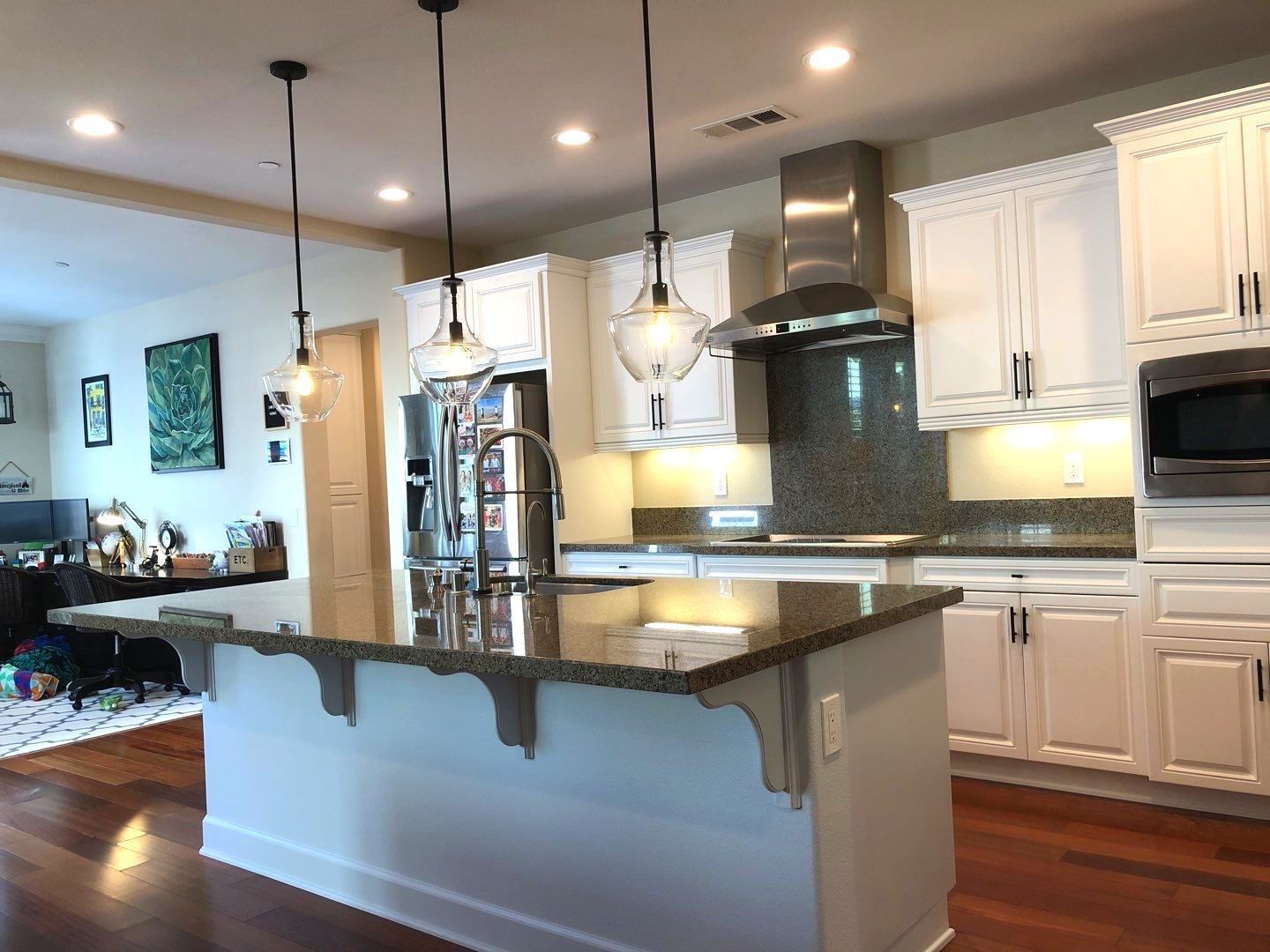
Electrical improvements frequently affect walls and ceilings. Installing recessed lighting, relocating switches, adding outlets, or updating wiring may require cutting into drywall and repairing those openings afterward.
For example, if you're upgrading kitchen lighting or adding outlets to a home office, complete that work before the final wall and ceiling painting. Otherwise, freshly painted surfaces may need to be reopened and patched.
Decorative fixtures, outlet covers, and switch plates can often be installed after painting. However, any electrical work requiring wall or ceiling modifications should generally happen first.
Finish Drywall Repairs and Wall Preparation First
Drywall repairs should be completed before final painting, especially during renovations involving several rooms. Patched electrical openings, nail holes, cracks, dents, uneven surfaces, and damage from removing fixtures or built-ins can all affect the finished appearance.
Older Carmel Valley interiors may also have previous drywall repairs or wall textures that don't match perfectly. These areas should be evaluated before paint is applied rather than assuming a fresh coat will hide them.
Proper sanding, surface preparation, and priming are essential. Fresh paint can actually make poorly finished patches more noticeable, particularly where natural light hits the walls.
Install Built-Ins and Complete Carpentry Before Painting
Built-in shelving, entertainment centers, wall paneling, cabinetry, and decorative molding can affect the surrounding walls and trim during installation.
If these features are installed after painting, they may leave nail holes, scratches, caulk lines, or drywall damage. Completing the installation and necessary repairs first allows painters to create cleaner transitions between surfaces.
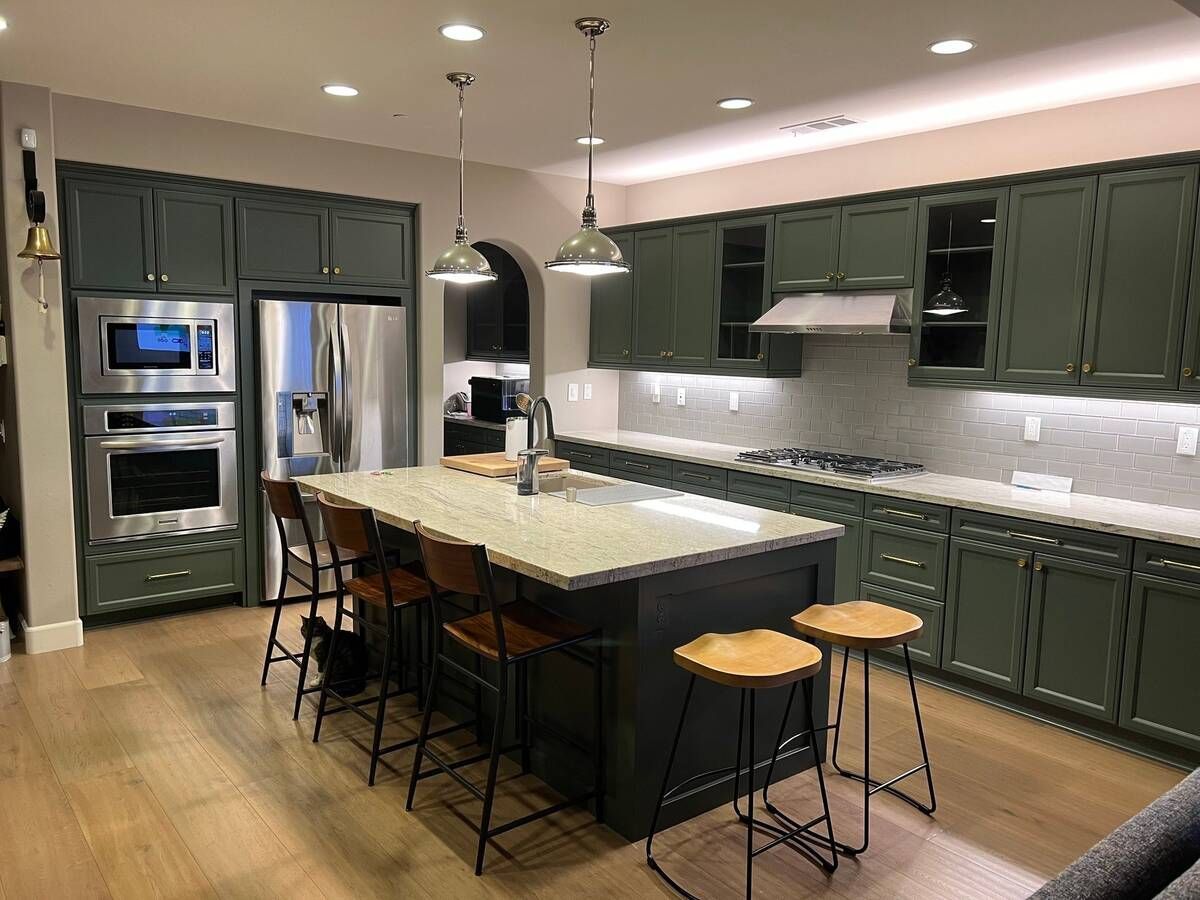
Homeowners should also coordinate cabinet painting and refinishing with other kitchen improvements. Cabinet modifications, new hardware locations, and surrounding carpentry should be planned before final finishing. Removable hardware and accessories can usually wait until the painted surfaces are ready.
Coordinate Flooring Installation With Wall and Trim Painting
Flooring is one of the most important scheduling considerations because installation can involve demolition, dust, baseboard removal, and equipment moving through the home.
When Flooring Should Come First
If the project involves removing old flooring, repairing subfloors, sanding hardwood, or making changes that could damage nearby walls, completing that work before final painting often makes sense.
This reduces the likelihood of scratches, dust buildup, or damaged baseboards affecting newly finished surfaces.
When Painting Can Come Before Flooring
In some projects, painting before new flooring is installed can reduce the need to protect finished floors from drips or equipment.
However, flooring contractors may still mark walls or disturb trim during installation, so final touch-ups may be necessary.
There is no universal order that works for every flooring material. The painting and flooring contractors should coordinate based on the installation process, surface protection, and the condition of the existing trim.
Plan Doors, Baseboards, and Interior Trim Carefully
Doors, baseboards, casings, crown molding, and other trim may be removed, replaced, or repaired during a whole-home update.
If you're changing trim profiles, replacing interior doors, or installing new baseboards, finalize those decisions before finish painting. Newly installed trim generally needs nail holes filled, joints caulked, surfaces sanded, and primer applied before the finish coats.
Existing trim may only need cleaning, repairs, and repainting. Coordinating trim with wall painting helps create clean transitions and avoids touching up the same areas repeatedly.
Decide Whether Ceilings Need Attention Before Painting the Walls
Ceilings are easy to overlook during an interior update, but they can significantly affect the painting schedule.
Popcorn ceiling removal, texture changes, drywall patches, water-stain repairs, and lighting modifications can create dust and disturb nearby walls. If substantial ceiling work is planned, it should generally happen before final wall painting.
Once repairs are finished, ceilings are typically painted before walls. This makes it easier to manage splatter and create clean paint lines where the surfaces meet.
For homeowners refreshing multiple rooms, evaluating the ceilings early can prevent unexpected work after the walls are finished.
Consider How Painting Will Affect an Occupied Home
Whole-home painting can be disruptive when you're living in the property during renovations. Furniture may need to be moved, certain rooms may be temporarily unavailable, and crews may need access to hallways, stairs, bedrooms, and shared living spaces.
A phased schedule can help keep parts of the home usable while work continues. For example, bedrooms may be completed separately from main living areas, allowing the household to maintain a comfortable routine.
However, preparing and painting several rooms together can sometimes be more efficient. The right approach depends on the renovation schedule, household needs, and how easily each space can be cleared.
Plan Colors and Finishes Across the Whole Home
Paint colors should be considered alongside flooring, cabinetry, countertops, built-ins, doors, and trim before final decisions are made.
This is particularly important in Carmel Valley homes with open floor plans or connected living spaces. Colors that look attractive individually may not work as well when several rooms are visible at once.
Homeowners don't need to use one color throughout the house, but planning a cohesive palette early helps avoid changing paint selections after other finishes are installed.
A Practical Order for a Whole-Home Interior Update
Although every renovation is different, the following sequence provides a useful starting point:
- Finalize renovation plans, finishes, and room layouts.
- Complete electrical, lighting, and other work requiring wall openings.
- Install built-ins and complete major carpentry.
- Repair drywall, ceilings, and damaged surfaces.
- Complete major flooring work or coordinate its timing with painting.
- Finish surface preparation, sanding, caulking, and priming.
- Paint ceilings, walls, doors, and trim in the appropriate order.
- Install final hardware, accessories, and fixtures.
- Complete touch-ups and a final walkthrough.
Some homes may require painting in stages, particularly when flooring or cabinetry installation happens between painting phases. The important thing is to identify which surfaces are ready for final paint and which may still be disturbed by other work.
Should You Paint the Whole Home at Once or in Stages?
Painting the entire home as one coordinated project can be efficient when renovations throughout the house are finishing around the same time. It may reduce repeated setup, simplify color consistency, and allow painters to move systematically between rooms.
However, painting in stages may make more sense when certain rooms are still under construction, the household needs to remain in the home, or the renovation budget is spread across several projects.
The best approach is to schedule painting according to when each space is ready rather than forcing every room onto the same timeline.
Plan Your Carmel Valley Interior Painting Project With Chism Brothers
If you're planning a whole-home update, Chism Brothers Painting can help you determine when painting should happen alongside your other improvements. Our team can evaluate walls, ceilings, doors, trim, and preparation needs to help you plan a painting schedule that fits your renovation.
As an experienced Carmel Valley painting company, we're here to help you achieve a clean, consistent finish without unnecessary rework. Request a free painting estimate to discuss your project and the best time to schedule painting.

Tell us about your project
Tell Us About Your Project
Contact us today to schedule a visit from one of our estimators! We’ll come to your home and provide a detailed estimate.
(858) 454-3850