Repainting a Carmel Valley Home Built in the 1980s or 1990s? What Should You Check First?
Last Updated: October 23, 2026
Before repainting a Carmel Valley home built in the 1980s or 1990s, homeowners should inspect the stucco, wood trim, caulking, previous repairs, and existing paint to determine what needs preparation or repair first.
An established home may look ready for fresh paint while having underlying conditions that need attention. Sun-faded walls, worn fascia, cracked caulking, and older stucco patches can all become more noticeable during preparation. Addressing these issues before painting helps create a better-looking, longer-lasting finish.
Residential development in Carmel Valley began in the 1980s, meaning some homes have now gone through decades of weather exposure, maintenance, and improvements. Window replacements, roofing projects, and previous repainting work may have affected different exterior surfaces. Before scheduling another repaint, it is worth understanding how those surfaces have aged.
Why the Home's Age Matters Before Repainting
A home built in the 1980s or 1990s has experienced decades of sunlight, temperature changes, occasional heavy rain, and routine maintenance. Over time, these conditions can affect exterior coatings, stucco, caulking, and exposed wood.
These homes are not necessarily in poor condition simply because of their age. Some have been carefully maintained and may only need standard preparation before repainting. Others may have accumulated repairs or coatings that require closer attention.
The home's maintenance history, exterior materials, weather exposure, and quality of previous painting work matter more than the construction year alone.
Check Stucco for Cracks, Patches, and Surface Wear
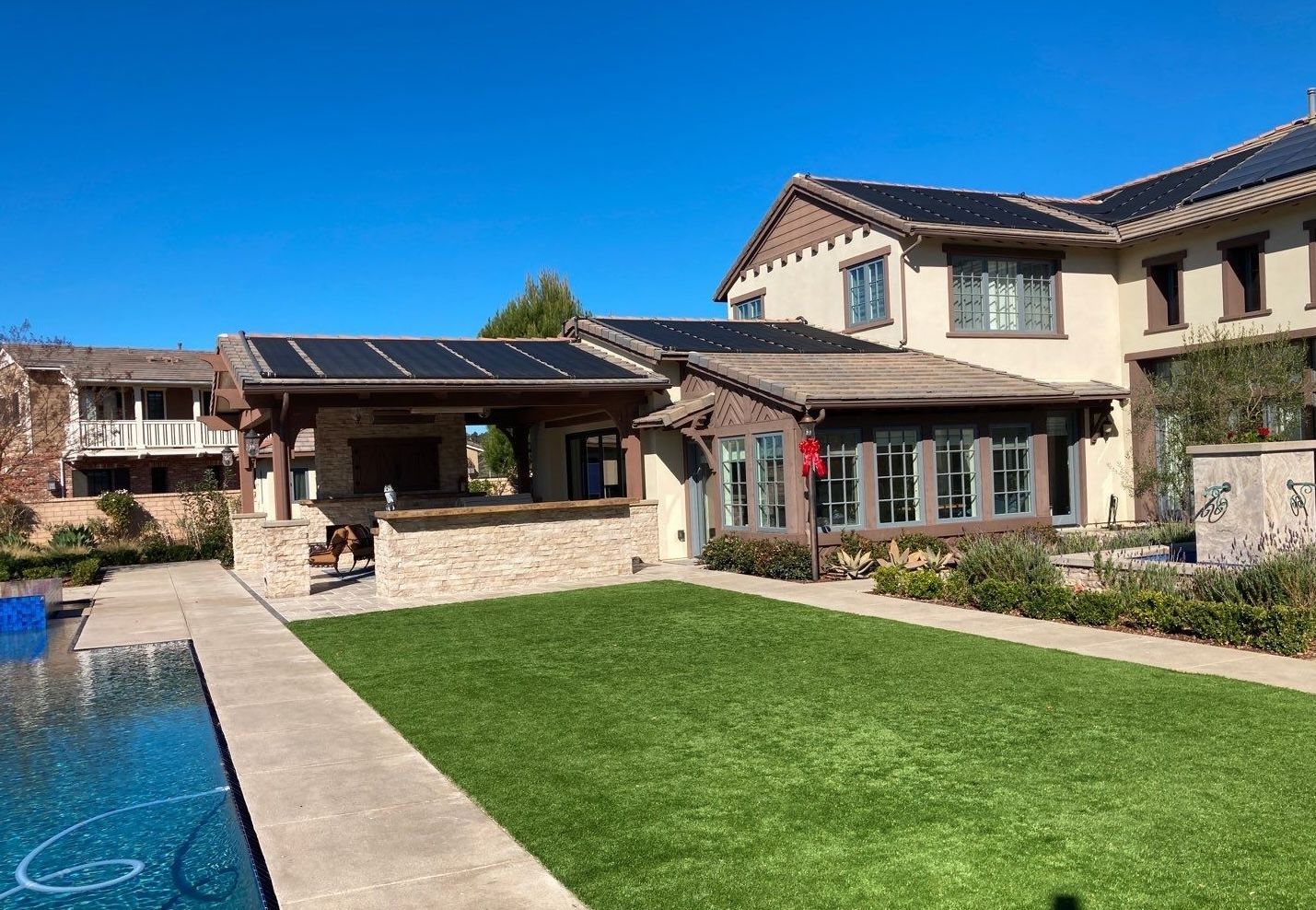
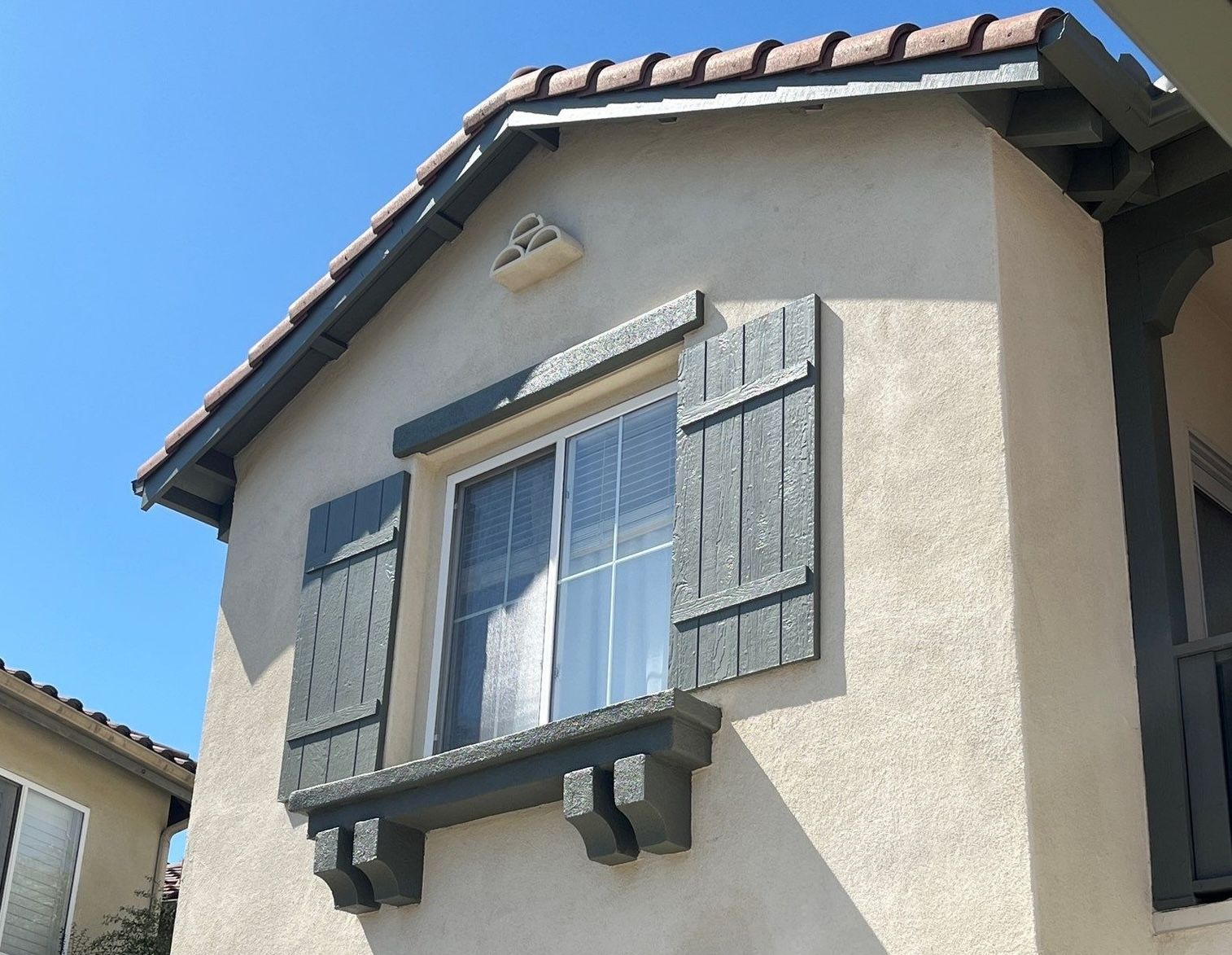
Stucco is one of the most important surfaces to inspect before exterior painting. Even when it appears structurally sound, years of exposure can leave cracks, discoloration, worn coatings, or visible patches.
Hairline Cracks and Surface Wear
Small hairline cracks, surface chalking, and fading are common concerns on aging stucco. Depending on their cause and condition, these issues may be manageable through routine preparation and appropriate repairs before painting.
However, applying paint directly over loose or damaged material can lead to an uneven finish or premature coating failure.
Larger Cracks and Previous Repairs
Widening cracks, loose stucco, recurring moisture stains, or repairs with noticeably different textures deserve closer inspection.
Previous patches may also absorb paint differently or remain visible after repainting. Cracks suggesting movement or deeper damage should be evaluated by an appropriate specialist before the surface is finished.
Inspect Fascia, Trim, and Other Exterior Wood
Exterior wood often ages differently from stucco, particularly around rooflines, windows, doors, and decorative details.
Fascia boards, eaves, window trim, garage surrounds, and other painted wood may develop peeling paint, splitting, failed joints, or soft spots over time. Some weathered wood can be cleaned, sanded, primed, and repainted. More extensive deterioration may require repair or replacement.
Painting over soft or damaged wood will not restore its strength. Before repainting, homeowners should determine whether the existing material is still sound enough to keep.
Look for Failed Caulking Around Windows and Doors
Caulking may seem like a minor detail, but gaps around windows, doors, and exterior trim can allow moisture into vulnerable areas.
Over time, caulk can shrink, crack, separate, or lose adhesion. Homeowners should look for open joints around window frames, door surrounds, trim connections, and other exterior transitions.
This is particularly important when windows or doors have been replaced since the home was built. Newer materials and surrounding repairs may require different preparation.
Failed caulking should be corrected before repainting rather than concealed beneath another coat.
Previous Paint Jobs Can Affect the New Finish
An older Carmel Valley home may have several layers of paint, each with its own preparation history and condition.
Some coatings may be faded but otherwise sound. Others may show chalking, bubbling, flaking, or peeling. If the existing paint is not adhering properly, applying another coat will not necessarily solve the problem.
Preparation may involve washing, scraping loose material, sanding rough edges, and priming exposed surfaces.
This explains why two similarly sized homes can require very different amounts of painting preparation. One may need little more than cleaning and routine repairs, while another requires substantial work before new paint can be applied.
Older Repairs May Need Attention Before Painting
Homes built several decades ago may have undergone window replacements, roofing projects, utility updates, or modifications to exterior openings.
These improvements can leave behind stucco patches, replaced trim, filled holes, uneven textures, or caulking that ages differently from surrounding materials.
Previous repairs are not automatically a problem. However, patches that are cracking, separating, poorly bonded, or repeatedly showing paint failure should be evaluated before repainting.
Fresh paint should finish properly repaired surfaces, not hide problems that still need attention.
Check for Moisture and Irrigation-Related Damage
Even in San Diego's relatively dry climate, repeated moisture exposure can affect exterior paint and materials.
Sprinkler overspray, roof runoff, poor drainage, and water collecting near walls may contribute to staining, bubbling, peeling, or damaged wood.
Established Carmel Valley landscaping can make these problems less obvious. Mature shrubs may conceal lower stucco damage, while irrigation systems can repeatedly wet walls, fences, or trim.
If moisture is contributing to paint failure, the source should be corrected before repainting. Otherwise, the same damage may return beneath the new finish.
Different Sides of the Home May Need Different Preparation
Exterior surfaces rarely age at exactly the same rate. Sun-facing walls may show more fading and chalking, while shaded areas may develop staining or moisture-related problems.
For example, the front of a home may still look attractive, while rear fascia, side-yard stucco, or trim beneath the roofline needs more attention.
Homeowners should inspect every elevation rather than judging the home's condition from the street. Preparation should reflect what each surface needs, even when the goal is a consistent finish across the entire exterior.
Decide What Needs Repair Before Choosing Paint
Choosing new colors is an exciting part of repainting, but surface condition should be assessed first.
Fading, light chalking, and ordinary cosmetic wear may be addressed through proper cleaning and preparation. Damaged wood, unstable stucco, active moisture, and failing repairs generally need more attention before finish coats are applied.
Some homes may only require routine preparation and painting. Others may need carpentry, stucco repairs, or moisture correction.
Identifying these differences early helps homeowners understand the painting scope and avoid unexpected preparation costs once work begins.
A Practical Exterior Inspection Checklist
Before requesting an estimate, walk around the property and look for these common concerns:
- Stucco: Look for cracking, staining, loose areas, and previous patches.
- Wood trim and fascia: Check for peeling paint, splitting, softness, or deterioration.
- Caulking: Inspect joints around windows, doors, trim, and other openings.
- Existing paint: Look for chalking, bubbling, flaking, or peeling.
- Previous repairs: Identify mismatched textures, patched areas, or recurring paint failures.
- Moisture exposure: Check for sprinkler overspray, runoff, drainage issues, and stains.
- Other exterior features: Review doors, garage trim, railings, and other surfaces included in the project.
This initial inspection can help homeowners identify concerns and prepare questions for a painter. A professional evaluation may reveal additional preparation or repair needs that are difficult to recognize from the ground.
Should You Repair and Repaint Everything at Once?
When several exterior areas need attention, completing repairs and painting together may be more practical than scheduling multiple separate projects. It can reduce repeated setup and help the finished exterior look consistent.
However, a full repaint is not always necessary. If the existing coating remains sound and repairs are limited to a few locations, targeted preparation and repainting may be reasonable.
Consider the age of the current paint, how many areas need work, and whether new paint can blend with surrounding surfaces. If much of the exterior is already due for repainting, addressing everything together may offer better long-term value.
What Should Be Included in the Painting Estimate?
An exterior painting estimate should reflect the condition of the home, not simply its square footage or number of stories.
Homeowners should understand which stucco repairs, wood repairs, caulking, cleaning, scraping, sanding, priming, and painted surfaces are included in the proposed work. Areas requiring additional repair should be identified before the project begins whenever possible.
If the property belongs to an HOA, confirm any exterior color or approval requirements before finalizing paint selections.
A clear estimate helps distinguish ordinary painting preparation from repairs that may need separate attention.
Repaint Your Carmel Valley Home With Chism Brothers Painting
If you're preparing to repaint a home built in the 1980s or 1990s, Chism Brothers Painting can help you understand what the exterior needs before new paint is applied. Our team can evaluate aging stucco, weathered trim, failing caulking, previous coatings, and older repairs to recommend an appropriate painting plan.
As an experienced Carmel Valley painting company, we're here to help you protect and maintain your home with careful preparation and quality workmanship. Request a free painting estimate to discuss your exterior's condition and the best approach to repainting.

Tell us about your project
Tell Us About Your Project
Contact us today to schedule a visit from one of our estimators! We’ll come to your home and provide a detailed estimate.
(858) 454-3850