Stucco, Wood, and Masonry Don’t Need the Same Prep: What Mira Mesa Homeowners Should Know
Last Updated: August 27, 2026
Stucco, wood, and masonry need different preparation before painting because each material handles moisture, aging, repairs, primer, caulking, and paint adhesion differently.
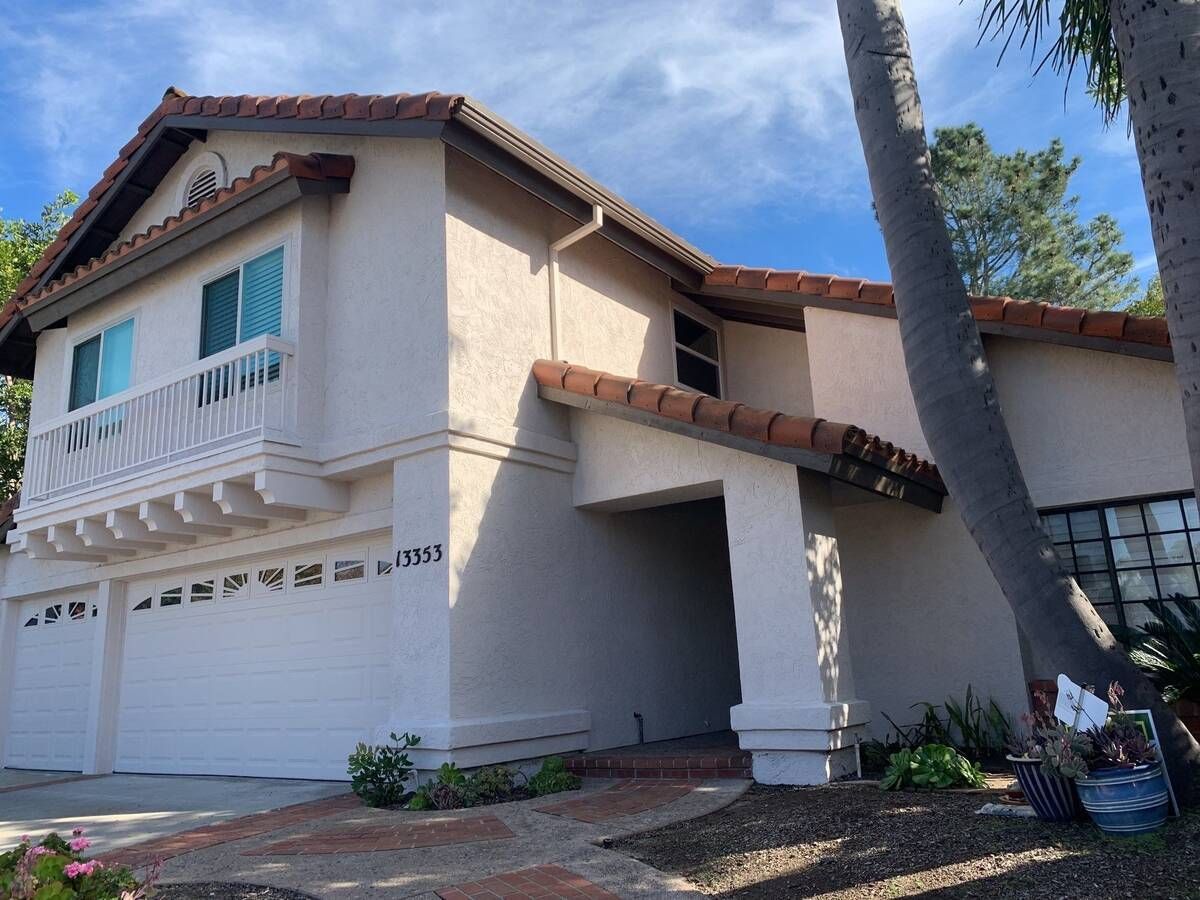
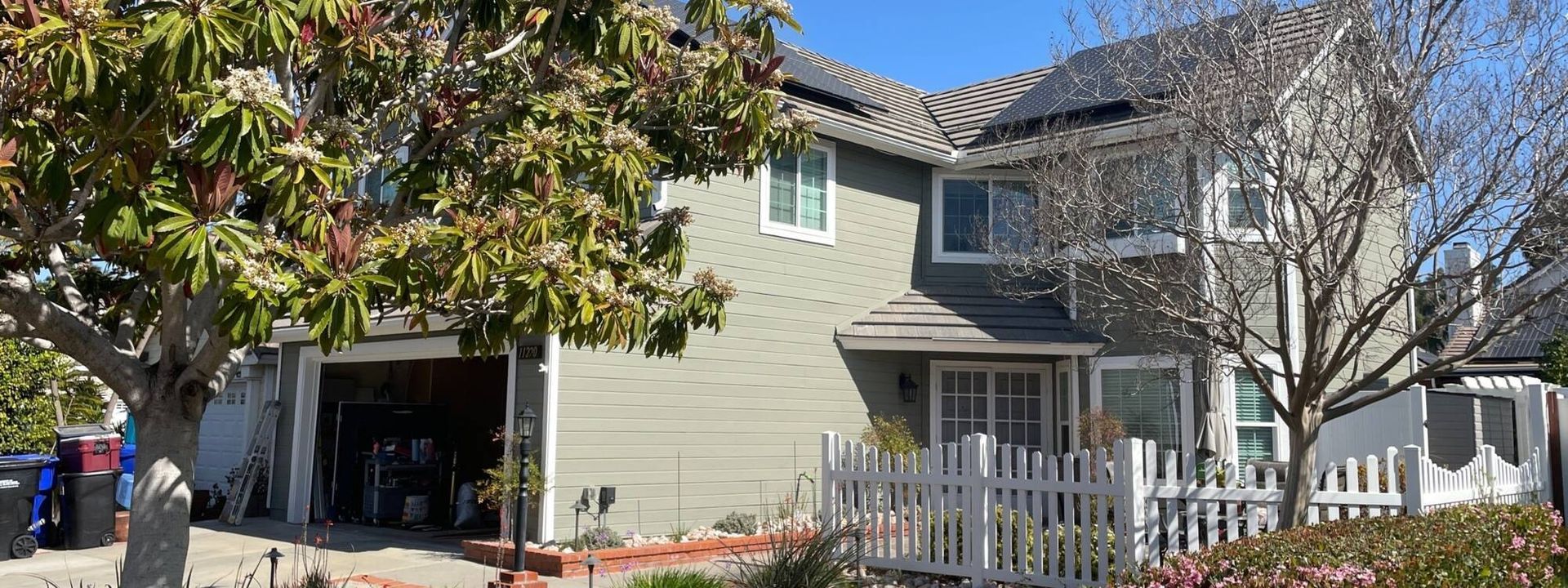
Many Mira Mesa homes are not made of one exterior material. A single home may have stucco walls, wood fascia, painted trim, garage doors, masonry accents, eaves, metal details, and older patchwork from previous repairs. Even if the final goal is one cohesive exterior color scheme, each surface may need a different prep approach before paint goes on.
That is why a good exterior repaint should start with the condition of the surfaces, not just the color. The best result comes from evaluating each material separately so the painter can clean, repair, prime, caulk, or coat each area the right way.
Why Mixed Exterior Materials Need Different Prep
Exterior paint needs a clean, dry, stable surface, but “stable” looks different depending on the material. Stucco may be chalky, cracked, stained, or patched. Wood may be peeling, soft, exposed, or split. Masonry may have stains, texture differences, old coatings, or areas that should be cleaned rather than painted.
Treating every surface the same can lead to uneven results. A prep method that works well for stucco may not be enough for bare wood. A product that makes sense for trim may not be the right choice for masonry accents. Even caulking decisions can vary depending on which materials meet and whether the joint is meant to be sealed.
For Tract Ranch, Contemporary, and older Mira Mesa homes with mixed exterior materials, the painting plan should respond to the actual condition of each surface. That helps the finished paint look cleaner and reduces the chance of early failure.
Stucco Needs Cleaning, Crack Review, and Surface Stability
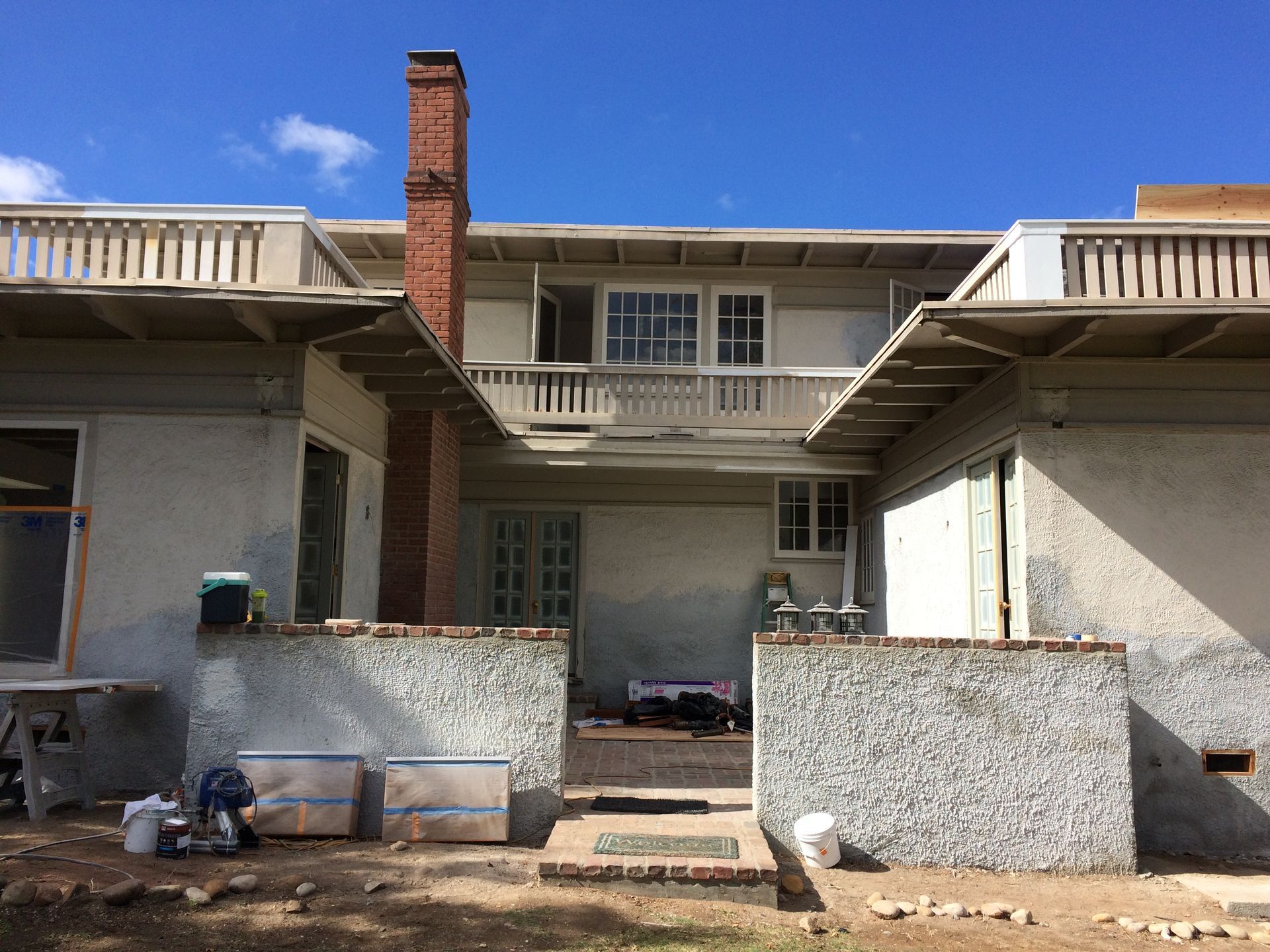
Stucco is common on Mira Mesa homes and often makes up the largest exterior surface. Because there is so much of it, stucco condition has a major effect on how the repaint looks.
Before painting, stucco should be checked for chalking, cracks, staining, old patchwork, and areas where the existing coating is no longer bonded. A chalky stucco wall may need thorough cleaning before paint can bond properly. Cracks or damaged patches may need repair and blending before the final finish is applied.
Paint can refresh stucco, but it should not be used to hide cracked, dirty, chalky, or unstable areas. If stucco repairs happen after painting, the touch-ups may stand out. Handling those issues first gives the finished wall a more consistent appearance.
Wood Trim and Fascia Need a Different Approach
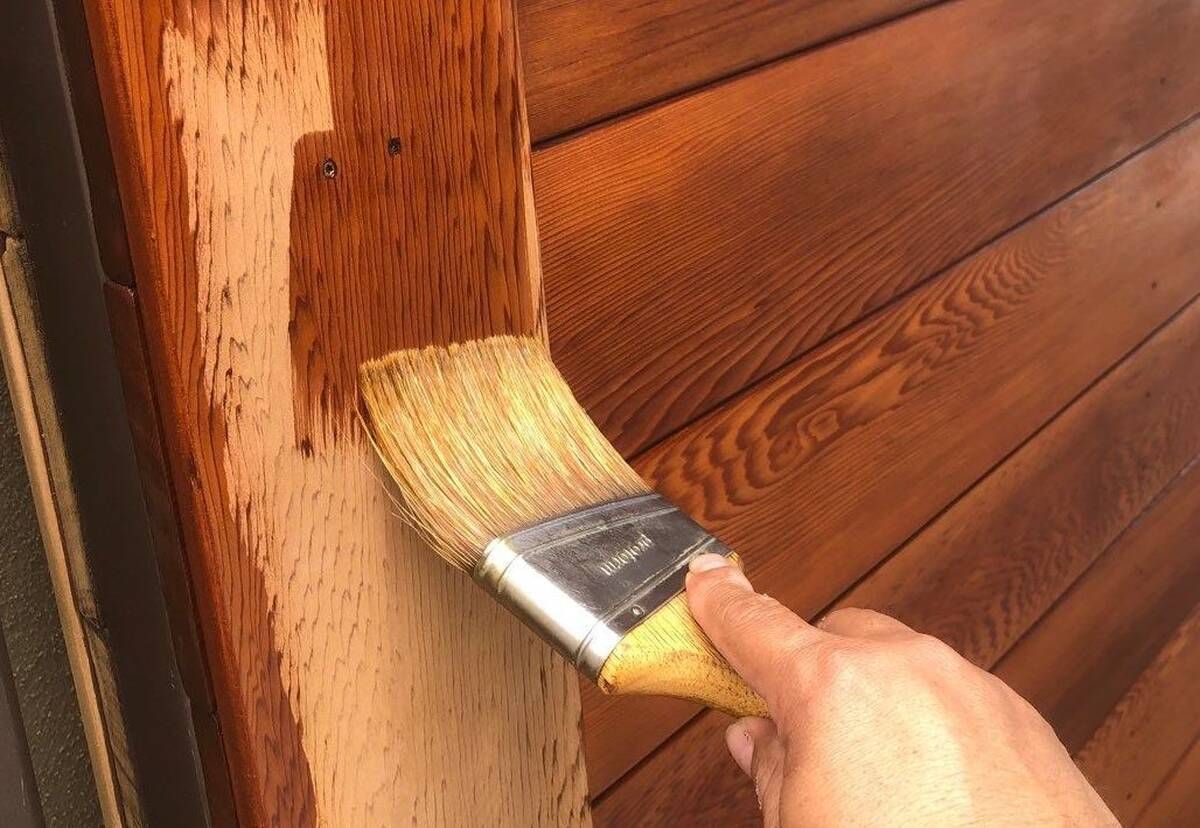
Wood behaves differently than stucco. It can absorb moisture, dry out, split, swell, rot, or expose bare grain when paint fails. This is especially important around fascia, eaves, window trim, door trim, garage trim, shutters, and decorative wood details.
Wood prep may involve scraping loose paint, sanding rough areas, replacing failed caulk, filling small imperfections, priming bare wood, sealing exposed edges, or repairing damaged sections. If the wood is still solid, careful prep and paint can often restore protection and appearance.
Soft or deteriorated wood should not simply be covered with paint. Paint can protect sound wood, but it cannot make rotted, swollen, or unstable material perform like new. If fascia or trim is failing, repair or replacement should happen before the finish coats are applied.
Masonry Accents Should Be Evaluated Before Painting
Some Tract Ranch and Contemporary-style homes may include brick, stone, concrete block, or other masonry accents. These features may be original design elements, so homeowners should think carefully before deciding to paint them.
Masonry may need cleaning, stain removal, mortar review, or repair before any coating decision is made. In some cases, leaving brick or stone unpainted can preserve contrast and character. In other cases, the surrounding paint colors can be updated so the masonry fits better with the rest of the home without coating it.
That does not mean masonry should never be painted. It simply means masonry is not the same as stucco or wood. If masonry is already painted, the existing coating should be checked for peeling, bubbling, or poor adhesion before another coat is applied.
Garage Areas Often Combine Several Materials
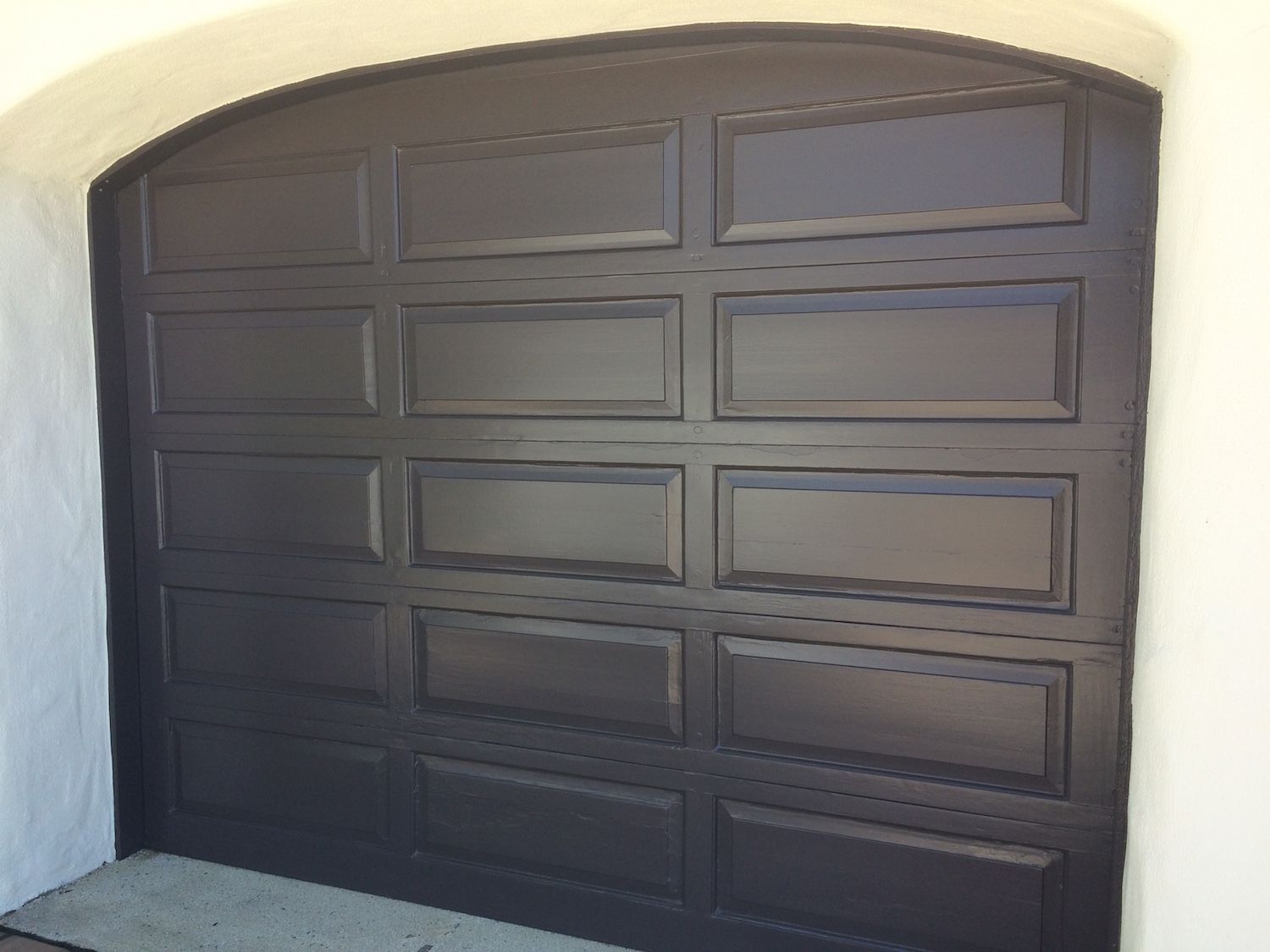
Garage areas are one of the clearest examples of mixed-material prep. A front-facing garage may include a painted garage door, wood trim or jambs, stucco edges, caulked joints, fascia, metal hardware, and nearby masonry or concrete surfaces.
Because garage doors often take up a large part of the front elevation, this area can strongly affect curb appeal. If the garage door is staying, it should be checked for fading, chalking, dents, peeling, and whether the material can be painted cleanly. If the garage door is being replaced, that work should usually happen before final painting so surrounding trim, caulking, and stucco can be repaired afterward.
The garage should be planned as part of the whole exterior, not treated as a separate detail. When the garage door, trim, stucco, and nearby wall surfaces are prepped together, the front of the home usually looks more cohesive.
Caulking Depends on the Materials Being Joined
Caulking is most common where different materials meet, such as wood trim against stucco, window frames against exterior walls, door trim against siding, or garage jambs against stucco. These joints can open over time as materials move, age, or lose their seal.
Failed caulk should usually be removed or replaced before painting, but not every gap should be handled the same way. Some transitions need flexible sealing. Some damaged areas need repair before caulk is applied. Some masonry or drainage-related gaps may require a different approach instead of simply filling them.
Homeowners do not need to choose the caulk themselves, but they should understand that cracked gaps between materials should be reviewed before painting. Painting over failed caulk may cover the line briefly, but it does not fix the joint.
Previous Coatings Can Create Different Problems
Older Mira Mesa homes may have several paint layers from past projects. Some surfaces may still be bonded, while others may be chalky, glossy, peeling, brittle, or incompatible with the next coating.
For example, stucco walls may have powdery residue, wood fascia may have peeling paint, trim may have thick paint buildup, and masonry accents may have old coatings that are failing. Garage doors may also have worn factory finishes or previous paint that needs special attention before repainting.
Prep should respond to the condition of each surface, not just the age of the home. The new paint is only as stable as the surface underneath it, so loose, dirty, chalky, or poorly bonded coatings need to be addressed first.
Primer Is Not One-Size-Fits-All
Primer decisions depend on the material and condition. Bare wood, repaired stucco, stained areas, chalky surfaces, patched spots, and previously coated masonry may all require different preparation before finish paint.
Primer may be used to improve adhesion, seal porous areas, block stains, or prepare repaired surfaces. However, primer is not simply something that gets applied everywhere automatically. The right use of primer depends on what the painter finds during inspection and prep.
Good prep is not just “paint plus primer.” It is choosing the right preparation steps for each surface so the final coating has a better foundation.
Mixed Materials Can Age at Different Speeds
One reason exterior painting gets complicated is that surfaces on the same home do not age evenly. Stucco may fade and chalk. Wood trim may peel or crack. Masonry may stain. Garage doors may dull. Metal details may corrode or lose finish.
Sun exposure, irrigation, shade, landscaping, and previous repairs can make one material fail faster than another. A west-facing wall may be chalky from sun exposure, while a shaded side yard may have mildew-like staining or moisture wear. Fascia may be peeling even when the stucco still looks acceptable.
A repainting plan should address the weakest surfaces first instead of assuming everything is in the same condition. That is why one area of the estimate may include more prep than another.
What Mira Mesa Homeowners Should Check Before Repainting
Homeowners do not need to diagnose every material themselves, but a simple walkaround can help them understand why different prep steps may be recommended.
Before requesting an estimate, look for:
- Chalking or powdery residue on stucco.
- Stucco cracks, stains, and previous patches.
- Peeling or softness on wood trim, fascia, eaves, and garage trim.
- Cracked caulk where different materials meet.
- Stains, old coatings, or damage on masonry accents.
- Garage door wear and surrounding trim issues.
- Areas affected by sprinklers, shade, or landscaping.
- Surfaces where paint has failed more than once.
- Prep steps that may be different for each material.
This checklist helps homeowners have a more useful conversation during the estimate. It also helps explain why a proper repaint may involve cleaning, repair, caulking, primer, or replacement in some areas but not others.
Talk With a Mira Mesa Painting Company Before Repainting
Mixed-material exteriors are a good reason to bring in a professional before repainting. A painter can identify which surfaces need cleaning, repair, caulking, priming, or replacement before the finish coats are applied.
Speaking with an experienced Mira Mesa painting company can help you understand how your stucco, wood trim, fascia, garage areas, masonry accents, older coatings, caulking, and prep needs should be handled before painting begins.
Chism Brothers Painting can inspect each surface and recommend a painting plan that fits the actual condition of your home.
Repaint Your Mira Mesa Home With the Right Prep for Each Surface
If you are planning to repaint a Mira Mesa home with stucco, wood, masonry, garage areas, and other mixed materials, Chism Brothers Painting can inspect the exterior and explain what each surface needs before painting. They can review cleaning, repairs, caulking, primer, previous coatings, and surface condition so the finished repaint looks cleaner and lasts longer.
Reach out today for a
free, no-obligation estimate. Chism Brothers can give you honest guidance on what should be cleaned, repaired, primed, sealed, or replaced before exterior painting begins.

Tell us about your project
Tell Us About Your Project
Contact us today to schedule a visit from one of our estimators! We’ll come to your home and provide a detailed estimate.
(858) 454-3850