Does Your Mira Mesa Home Need a Full Exterior Repaint if Only One Side Looks Worn?
Last Updated: August 27, 2026
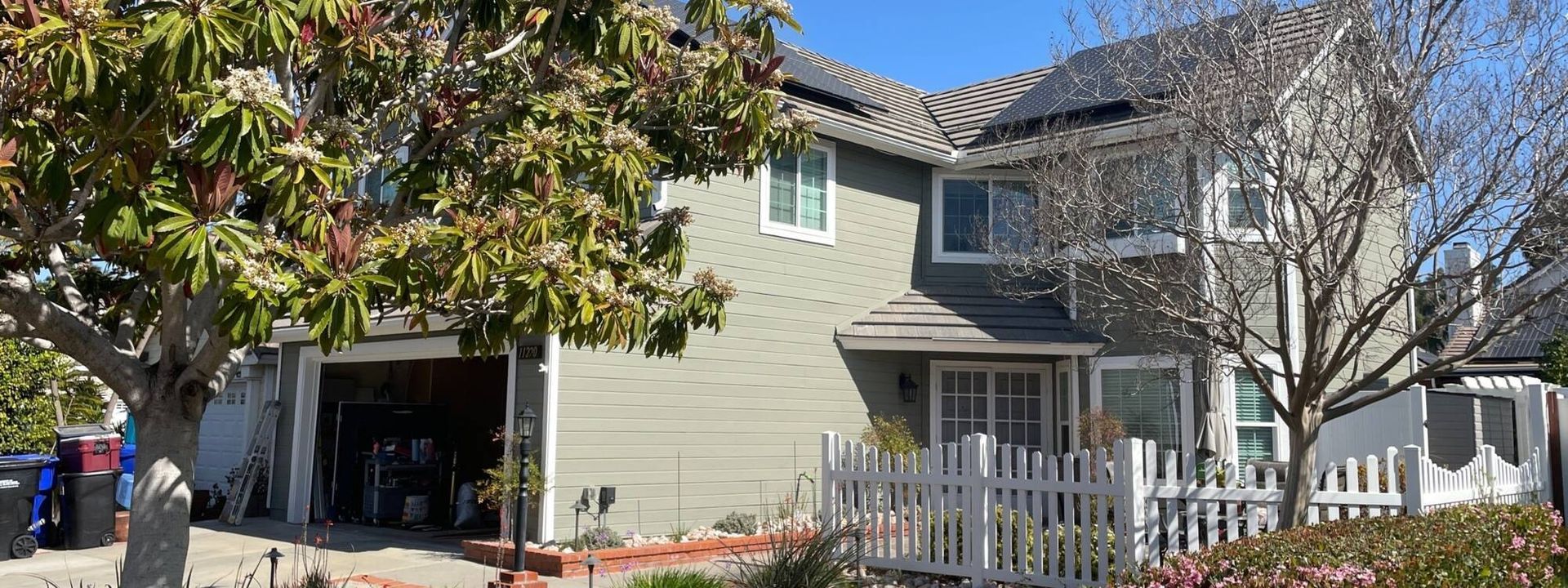
A Mira Mesa home may only need one side repainted if the rest of the exterior is still sound and the color can blend well, but a full repaint may be better when the coating is aging throughout, repairs are widespread, or touch-ups would look uneven.
It is common for one side of a home to age faster than the others. Sun exposure, shade, wind, sprinklers, landscaping, and previous repairs can all make one elevation look more worn. A west-facing wall may fade and chalk sooner. A lower wall near irrigation may stain or peel faster. A garage-facing section may show more daily wear than the rest of the home.
The question is not only whether one side looks bad. The better question is whether the rest of the home is still in good enough condition to make a partial repaint worthwhile.
Why One Side of the Home May Wear Faster
Exterior paint does not age evenly on every side of the house. Each elevation faces different conditions, and those differences can show up clearly over time.
One side may receive stronger afternoon sun, which can lead to fading, chalking, and a duller finish. Another side may stay shaded longer and hold moisture after marine layer, rain, or irrigation. Lower walls may be affected by sprinklers, drainage patterns, or landscaping that traps moisture against the surface.
Garage areas, entry walls, and side yards can also show wear sooner because of daily use, limited airflow, previous touch-ups, or repairs that were not fully blended. Uneven wear is not unusual. The important part is figuring out whether the problem is truly isolated or whether that side is simply the first area to reveal broader paint aging.
When Repainting One Side May Be Reasonable
A localized repaint can make sense when the problem is limited, the surrounding surfaces are still healthy, and the new paint can stop at natural breaks. This is most common when the rest of the exterior still has useful life left.
For example, repainting one side may be reasonable if one sun-facing wall is faded but the remaining walls still look solid, bonded, and clean. It may also make sense if one elevation had stucco repairs, sprinkler damage, or localized peeling that needs to be corrected before it gets worse.
The key is that the partial repaint should solve the problem without making the home look mismatched. Corners, trim breaks, garage projections, fence lines, and architectural transitions can help the new paint stop cleanly. Painting an entire elevation often looks much better than trying to touch up scattered spots in the middle of a broad wall.
When a Full Exterior Repaint May Be the Better Choice
A full exterior repaint may be more practical when the worn side is only the most obvious sign of an older paint system. If multiple sides are fading, chalking, cracking, peeling, or showing failed caulk, repainting one side may only delay a larger project that is already becoming necessary.
This is especially true when the existing color has faded too much to match cleanly. Even if the original paint color is known, the paint currently on the home may have changed from years of sun, weather, and exposure. A new coat in the same color can still look different next to older paint.
A full repaint can also make more sense when stucco repairs, trim repairs, fascia work, caulking, or prep needs are showing up across the exterior. Instead of returning later to repaint additional areas, homeowners may get a cleaner and more consistent result by addressing the whole exterior at once.
Color Matching Can Be Harder Than Homeowners Expect
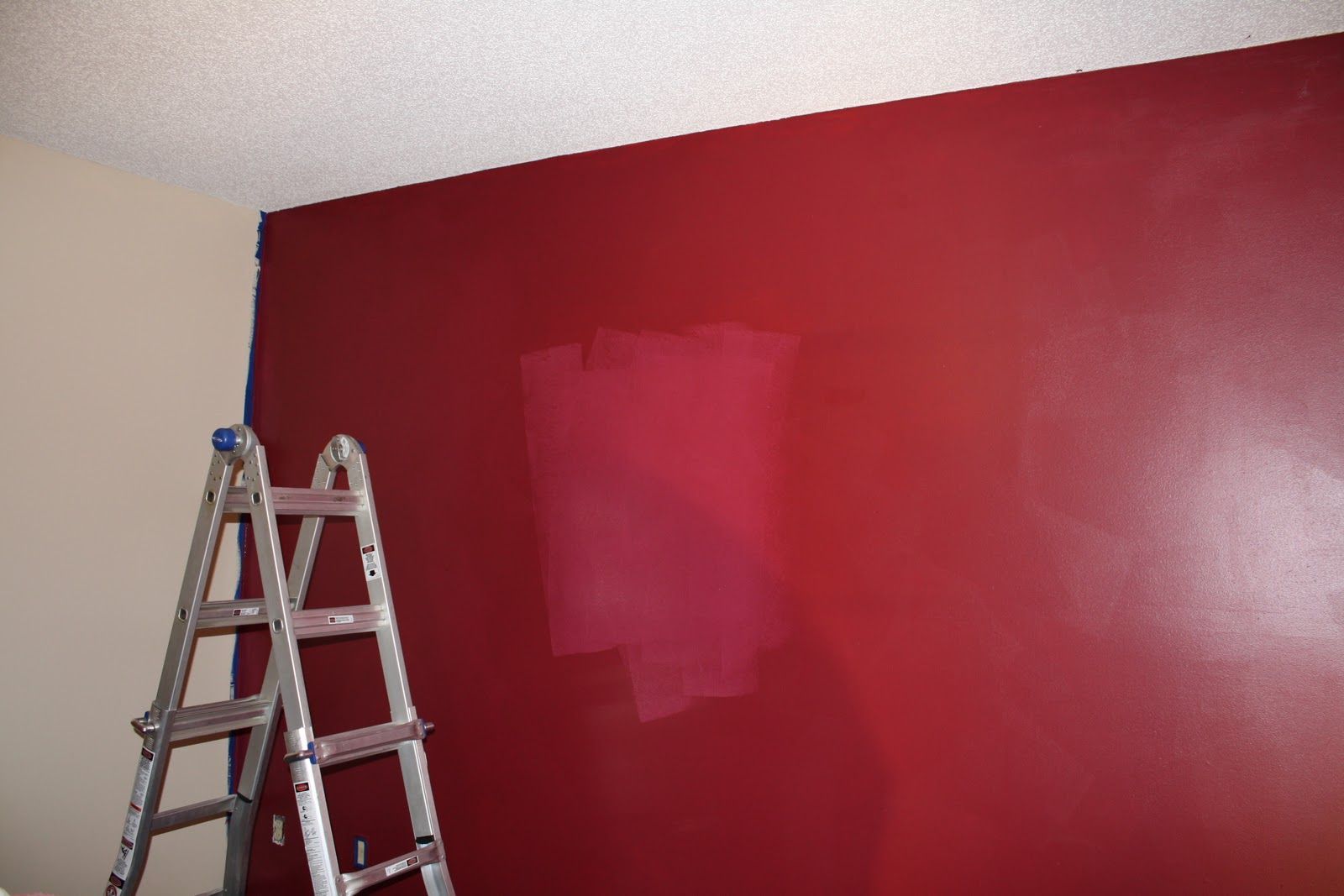
Color matching is one of the biggest challenges with partial exterior painting. Paint changes over time. Sun exposure, chalking, surface texture, sheen, dirt, and weathering can all affect how the existing color looks compared with new paint.
This is especially noticeable on broad stucco walls, front-facing elevations, garage areas, and surfaces that get strong natural light. A touch-up may technically use the same color, but it can still look newer, cleaner, brighter, or slightly different in sheen.
Partial repainting is most successful when the new paint can stop at a logical break. If the stopping point is in the middle of a visible wall, the difference may stand out. If it stops at a corner, trim line, garage return, or other architectural break, the result is usually easier to blend visually.
Check Whether the Worn Side Has a Repair Problem
Before deciding between a partial and full repaint, homeowners should understand why that side looks worn. It may not be a simple paint issue.
A worn side may have sprinkler overspray, cracked stucco, failed caulk, peeling paint, bubbling, soft trim, stains near lower walls, dense landscaping, drainage patterns, or previous repairs that are failing. If the cause is still active, the same side may fail again after repainting.
This is where a partial repaint can become less useful. Painting the worn side without correcting the source of the damage may make the wall look better temporarily, but it does not solve the reason the paint broke down in the first place. Cleaning, repairs, caulking, primer, or irrigation adjustments may need to happen before paint is applied.
Compare the Age of the Existing Paint System
The age of the current paint job matters. If the home was painted recently and only one side is failing because of a specific issue, a partial repaint may be reasonable after the cause is corrected.
If the paint is older and showing signs of wear in several places, a full repaint may be the better long-term investment. The worn side may simply be the first area to reveal that the entire coating system is nearing the end of its life.
The older and more weathered the overall paint system is, the less likely a partial repaint will look seamless or last as long. In that case, repainting one side may save money now but lead to another project sooner than expected.
Consider the Front Elevation and Curb Appeal
The location of the worn side matters. If the worn area is highly visible from the street, driveway, or entry, a patchy partial repaint may affect curb appeal more than homeowners expect.
Garage-facing areas, front stucco walls, trim, fascia, and entry areas often need a broader plan because they shape the home’s first impression. If one front-facing section is repainted but nearby walls, trim, or garage areas still look faded, the contrast may be obvious.
If the worn side is less visible, a targeted repaint may be easier to justify. A side yard wall or less prominent elevation may not need the same visual consistency as the front of the home. The goal is to make sure the partial repaint improves the exterior rather than creating a new mismatch.
A One-Side Repaint Still Needs Proper Prep
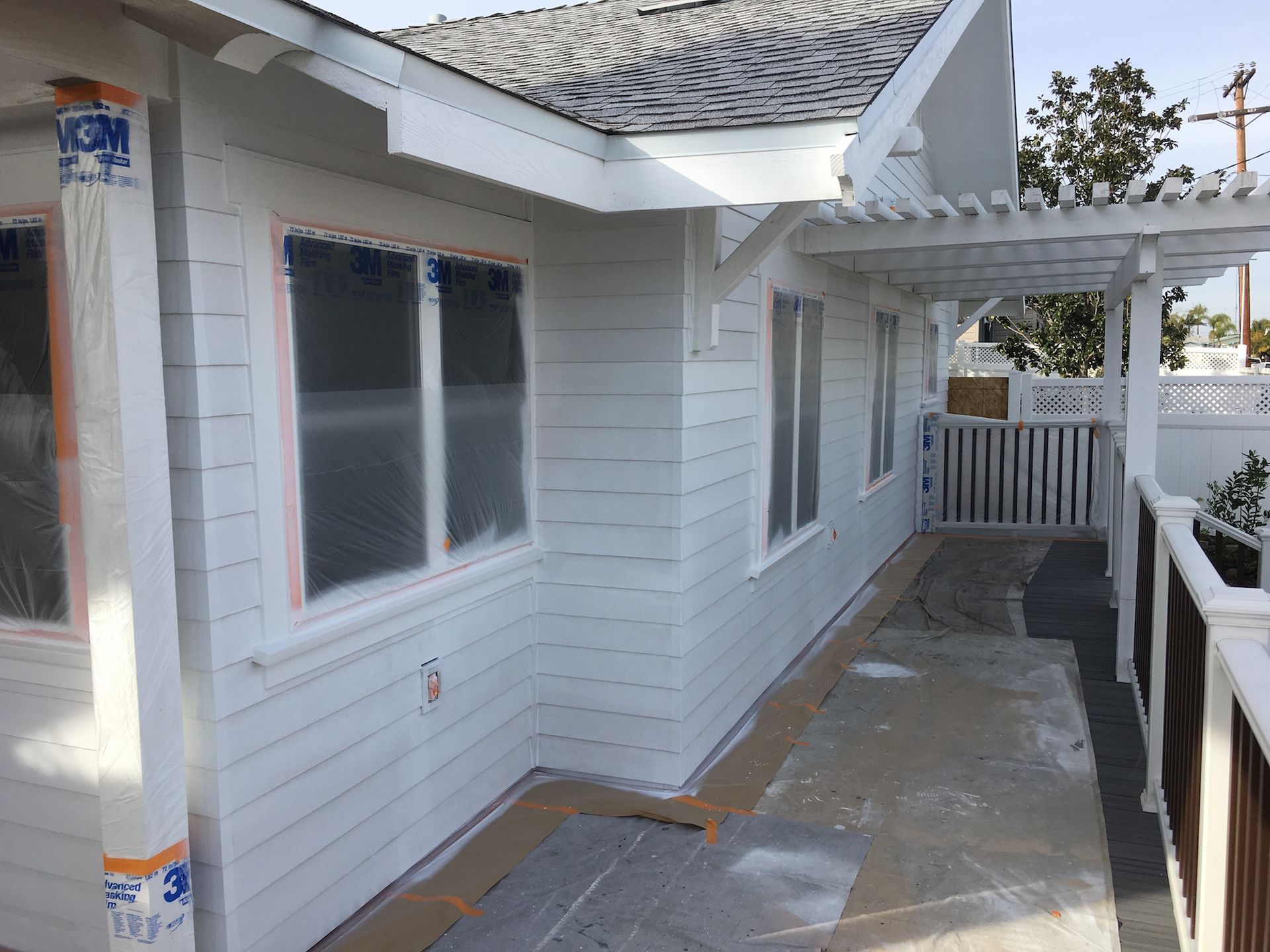
Repainting one side does not mean skipping the normal preparation process. The worn area still needs to be cleaned, repaired, caulked, primed where needed, and painted correctly.
Chalky stucco should be washed and prepared so the new paint can bond. Loose paint should be scraped and sanded. Cracked stucco or failed caulk should be repaired before finish coats. Bare or repaired areas may need primer. Landscaping, windows, doors, and hardscape should still be protected during the work.
A partial repaint should not be treated as a quick cover-up. The same prep standards matter whether the project includes one side or the full exterior.
When Phasing the Exterior Repaint Can Make Sense
Some homeowners choose to repaint one side now and plan the rest later. This can work when budget, timing, or urgency makes a phased approach more realistic.
Phasing should still be intentional. Homeowners should know which elevations are being painted now, which will be done later, where the color will stop, and whether the remaining exterior will continue aging in a way that creates mismatch.
A phased repaint is often better than ignoring active paint failure, especially if one side has peeling, exposed surfaces, or moisture-related damage. But it should still be planned with the full exterior in mind so the home does not slowly become a patchwork of different ages and finishes.
Talk With a Mira Mesa Painting Company Before Deciding
A professional painter can help determine whether the worn side is a localized issue or part of broader exterior aging. They can evaluate paint adhesion, chalking, color match, stucco condition, caulking, trim, fascia, sun exposure, and moisture clues.
Speaking with an experienced Mira Mesa painting company can help you decide whether one elevation can be repainted on its own or whether a full exterior repaint will create a better long-term result.
Chism Brothers Painting can inspect the worn area and the rest of the home so you can understand what should be repaired, prepped, painted, or planned for later.
Decide Between a Partial or Full Exterior Repaint With Chism Brothers Painting
If one side of your Mira Mesa home looks worn, Chism Brothers Painting can inspect the exterior and explain whether a targeted repaint, phased repaint, or full exterior repaint makes the most sense. They can review surface condition, repairs, color matching, prep needs, and overall appearance so the home is protected and the final result looks consistent.
Reach out today for a
free, no-obligation estimate. Chism Brothers can give you honest guidance on whether repainting one side is enough or whether the full exterior should be planned together.

Tell us about your project
Tell Us About Your Project
Contact us today to schedule a visit from one of our estimators! We’ll come to your home and provide a detailed estimate.
(858) 454-3850