Repainting an Older Oceanside Home? What Hidden Prep Issues Should You Expect?
Last Updated: August 20, 2026
Older Oceanside homes may need extra prep before repainting because layered coatings, failing stucco, deteriorated wood, old repairs, cracked caulk, moisture exposure, and hidden surface damage can affect how well new paint bonds and lasts.
An older home may look like it only needs fresh paint, but the real work often starts before painting begins. Once the exterior is washed, scraped, inspected, or opened up around trim and stucco, hidden issues may become easier to see.
Oceanside homes can also deal with sun exposure, marine layer, salt air, aging stucco, older woodwork, and previous repairs that affect the repainting process. Knowing what might show up during prep can help homeowners plan the project more realistically and avoid covering up problems that should be addressed first.
Why Older Homes Often Need More Prep Before Painting
Older homes usually have more history on their surfaces. They may have multiple layers of paint, old patching, repaired stucco, cracked caulk, weathered trim, and materials that have aged at different rates.
Hidden prep issues matter because they can affect:
- How well new paint bonds
- Whether cracks or peeling return
- How even the finished surface looks
- Whether repairs need to happen before painting
- How long the project takes
- How much the final scope may cost
Prep is not just extra labor. It is what helps prevent the new paint job from failing early. When the surface is cleaned, repaired, sanded, caulked, primed, and stabilized properly, the final paint has a much better surface to bond to.
Layered Paint and Old Coatings
Older homes may have several layers of paint from past projects. Some layers may still be bonded well, while others may be loose, brittle, peeling, or incompatible with newer coatings.
Layered paint can create uneven texture, rough edges, cracking, or areas where new paint will not bond properly unless failing material is removed. In some cases, extensive scraping, sanding, spot priming, or surface smoothing may be needed before finish coats are applied.
The painter has to work with the condition of the existing coating, not just apply paint over it. If old paint is failing underneath, fresh paint may look good briefly but still be affected by the unstable layers below.
Deteriorated Wood Around Trim, Fascia, and Doors
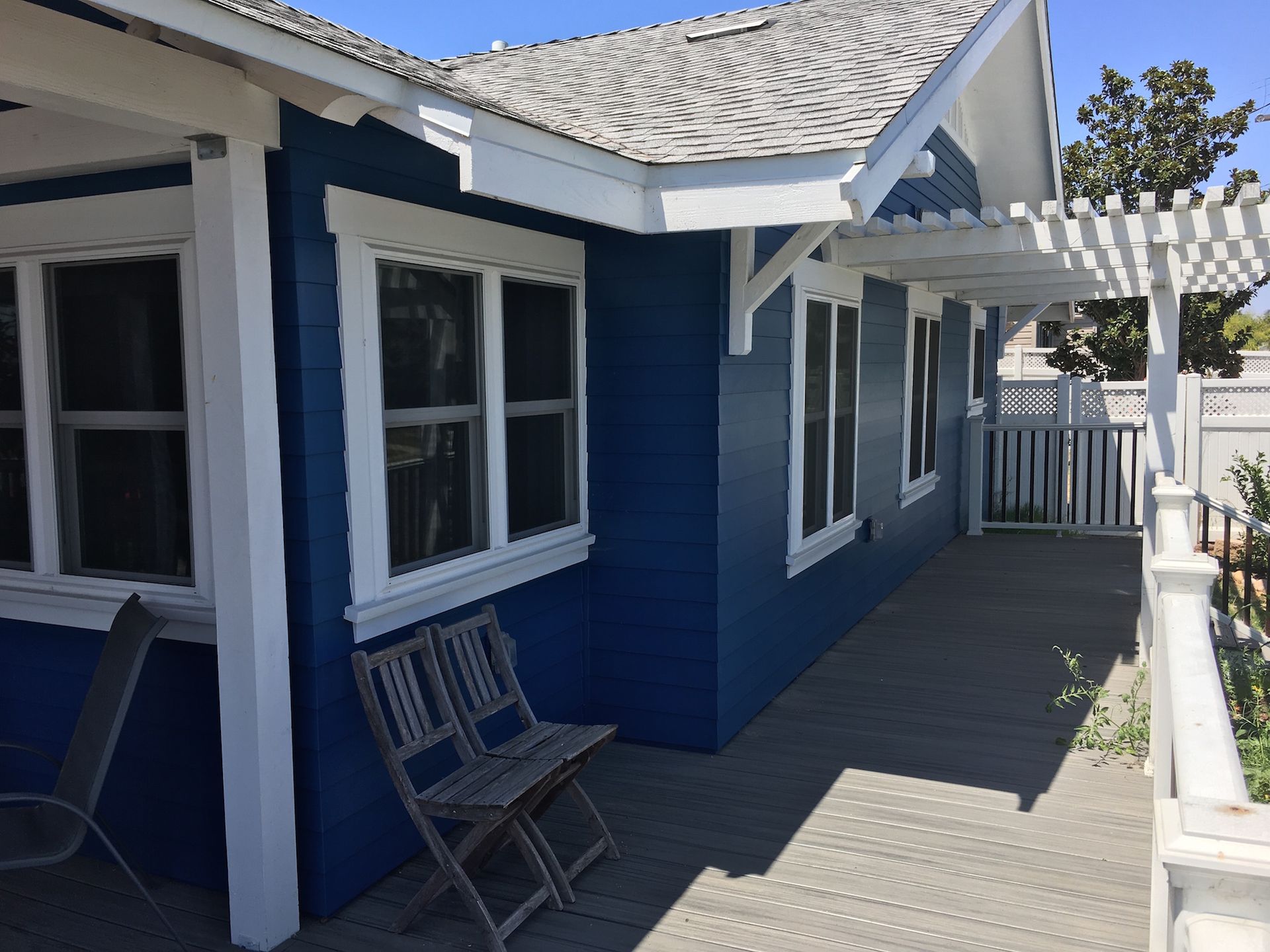
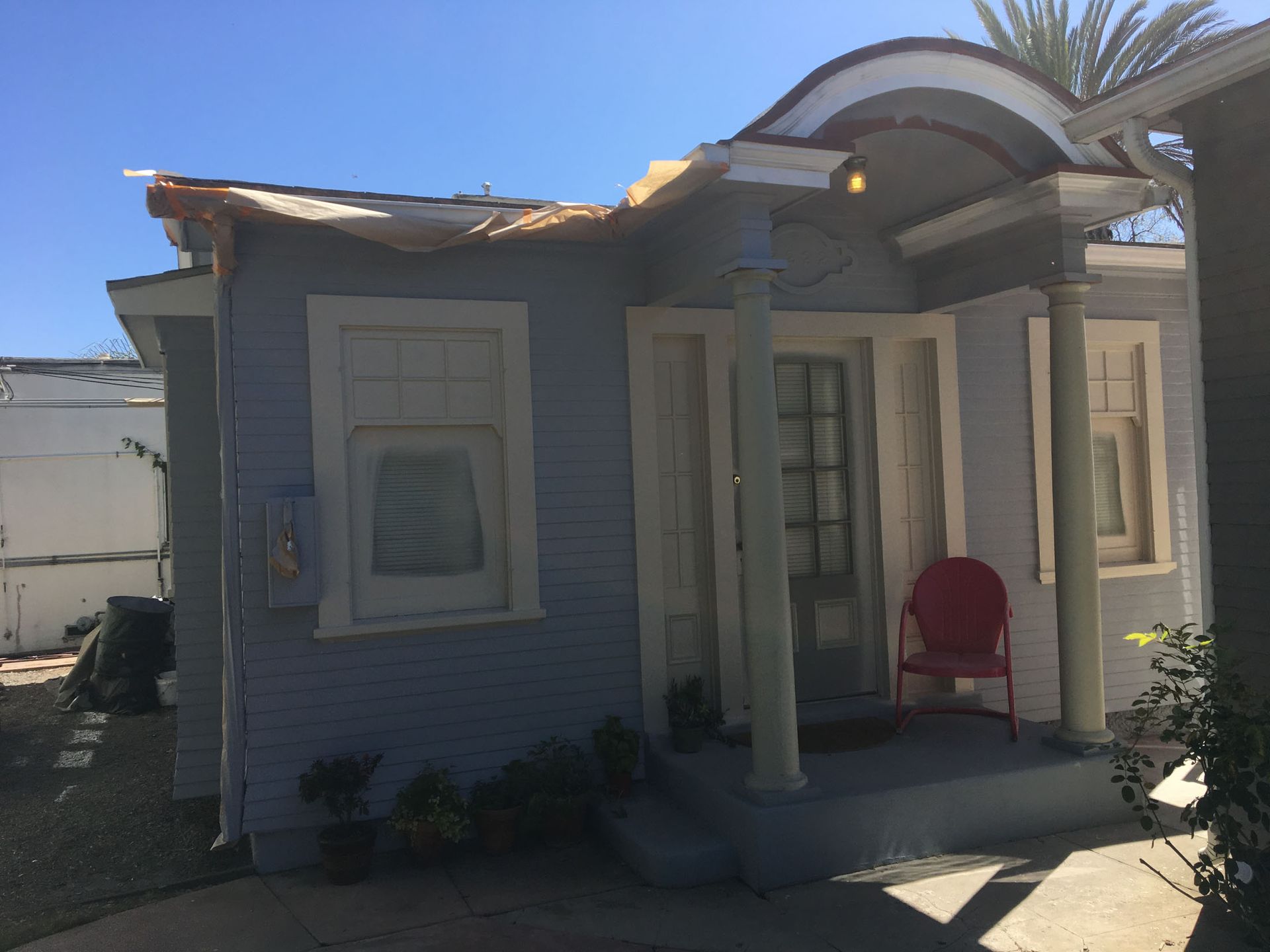
Wood details are often where hidden problems show up first. Trim, fascia, eaves, doors, window surrounds, porch details, railings, and shutters may look paintable from a distance but show damage once prep begins.
Common issues include:
- Peeling or flaking paint
- Exposed bare wood
- Dry, cracked, or split surfaces
- Soft or rotted sections
- Open joints
- Failed caulk around trim
- Water stains or swollen areas
Solid wood may only need sanding, priming, caulking, and repainting. Soft, rotted, or badly damaged wood should be repaired or replaced before painting. Paint can protect sound wood, but it will not restore wood that has already failed.
Stucco Cracks, Failing Patches, and Uneven Texture
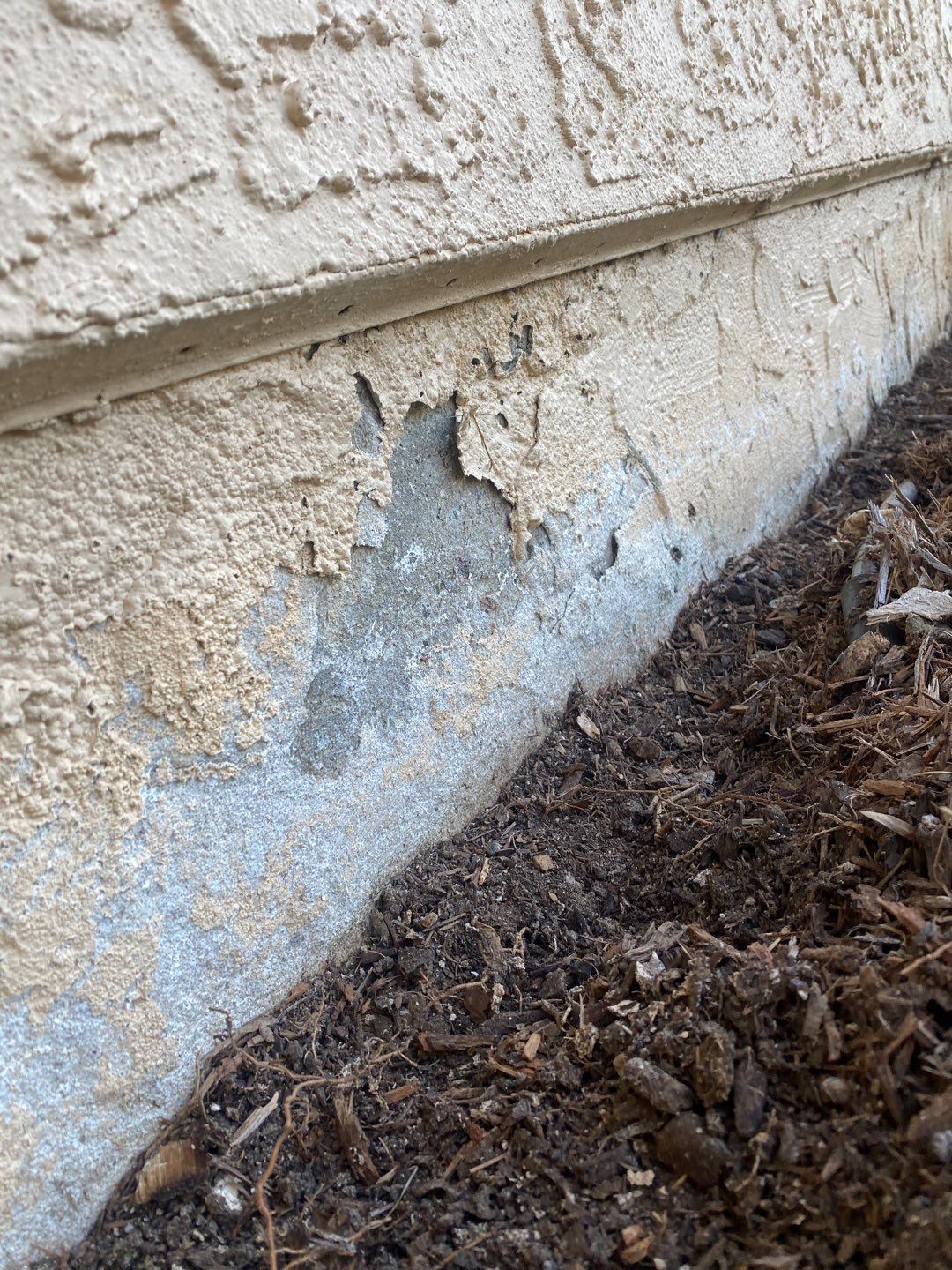
Many older Oceanside homes have stucco exteriors, and stucco can hide prep issues until the surface is inspected closely. Cracks, stains, chalking, patchy texture, old repairs, and loose areas can all affect the repainting plan.
Not every stucco crack is serious, but cracks and failed patches should be addressed before finish coats are applied. If old repairs do not blend well, the final paint may make uneven texture more noticeable instead of hiding it.
Paint can refresh stucco and help protect the surface, but it should not be treated as a shortcut for unresolved stucco repair. A cleaner result usually starts with patching, texture blending, cleaning, priming where needed, and making sure the stucco is stable before painting.
Failed Caulk Around Windows, Doors, and Joints
Older caulk can crack, shrink, separate, or pull away from the surfaces it was meant to seal. This often shows up around windows, doors, trim joints, fascia transitions, and areas where different materials meet.
Failed caulk is easy to underestimate because it can look like a small detail. In reality, open gaps can allow moisture into areas that should stay sealed, especially around openings and exterior transitions.
Failed caulk should usually be removed and replaced before painting. Painting over cracked caulk does not properly seal the joint, and the same gaps may show through again after the project is finished.
Moisture-Related Wear Near the Coast
Coastal exposure can contribute to hidden prep needs. Oceanside homes may experience marine layer, salt air, damp mornings, wind, and sun exposure, all of which can affect exterior coatings over time.
Moisture-related issues may show up as:
- Bubbling or blistering paint
- Peeling near windows or lower walls
- Stains on stucco or trim
- Soft wood around exterior details
- Recurring paint failure in the same area
- Mildew or residue on shaded surfaces
If the same area keeps failing, the cause should be checked before repainting. The issue may involve moisture, irrigation, poor drainage, old caulk, or previous prep problems. Repainting without addressing the cause can lead to the same stain, bubble, or peeling area returning later.
Old Repairs That May Affect the New Finish
Older homes often have repairs from past owners or previous contractors. Some may have been done well, while others may show through once the home is cleaned and repainted.
Examples include mismatched stucco patches, uneven exterior patching, filled trim sections, old caulk lines, patched fascia, or texture differences around windows and doors.
Repainting can make the home look much cleaner, but paint will not always hide poor patching or uneven repairs. These areas may need sanding, blending, priming, or additional repair work before painting so the finished exterior looks more consistent.
Hidden Access Problems Around Landscaping and Exterior Features
Some prep issues are not about the surface itself but about access. Mature landscaping, vines, fences, patios, decks, balconies, and tight side yards can make it harder to inspect, repair, prep, and paint the exterior properly.
Oceanside homeowners may need to trim plants, move potted items, adjust irrigation, or clear access before work begins. This helps painters see hidden damage and avoid damaging plants or fresh paint later.
The main point is simple: if an area cannot be reached, it cannot be properly repaired or painted. Clearing access early can also help uncover damage that was hidden behind shrubs, vines, or exterior features.
How Hidden Prep Issues Can Affect Cost and Timeline
Hidden prep issues can change the project scope. A quote may need to account for extra scraping, sanding, priming, caulking, stucco repair, wood repair, masking, or texture blending once the home is inspected closely.
This does not mean homeowners should expect the worst. These issues are common on older homes, and finding them early is much better than painting over them. A careful prep process can help prevent early paint failure and reduce the chance of repairs interrupting the project later.
Homeowners should ask painters what is included in the estimate and what would count as additional repair work. A clear estimate helps avoid confusion once the project begins and gives homeowners a better understanding of where their budget is going.
What Homeowners Can Check Before Requesting an Estimate
Homeowners do not need to diagnose every issue themselves, but a quick walkaround can help them notice problem areas and ask better questions during the estimate.
Before calling a painter, look for:
- Peeling, bubbling, or cracking paint
- Powdery residue on stucco or trim
- Stucco cracks or uneven patches
- Soft or damaged wood
- Failed caulk around windows and doors
- Stains near irrigation or lower walls
- Areas hidden behind landscaping
- Trim, fascia, doors, and railings that look worn
- Places where paint has failed more than once
These signs do not always mean a major repair is needed. They simply help identify areas that should be reviewed before the painting scope is finalized.
Talk With an Oceanside Painting Company Before Repainting
Older homes are easier to plan when a professional evaluates the exterior before the project begins. A painter can help separate normal paint aging from issues that need repair, extra prep, or a different product approach.
Speaking with an experienced Oceanside painting company can help you understand whether your home is ready for repainting or whether stucco repairs, wood repair, caulking, access clearing, or additional prep should happen first.
Chism Brothers Painting can help evaluate layered paint, stucco condition, wood trim, fascia, caulking, access, moisture exposure, and hidden prep needs before recommending the right repainting plan.
Plan Your Older Oceanside Home Repaint With Chism Brothers Painting
If you are planning to repaint an older Oceanside home, Chism Brothers Painting can inspect the exterior and explain what prep or repairs may be needed before painting begins. This may include deteriorated wood, stucco cracks, old repairs, failed caulk, coastal wear, or areas where previous paint has started to fail.
Reach out today for a
free, no-obligation estimate. Chism Brothers can give you honest guidance on whether your home is ready for painting, what should be repaired first, and how to plan the project correctly from the start.

Tell us about your project
Tell Us About Your Project
Contact us today to schedule a visit from one of our estimators! We’ll come to your home and provide a detailed estimate.
(858) 454-3850