What Type Of Moulding Should I Install In My Home?
Last Updated: October 20, 2011
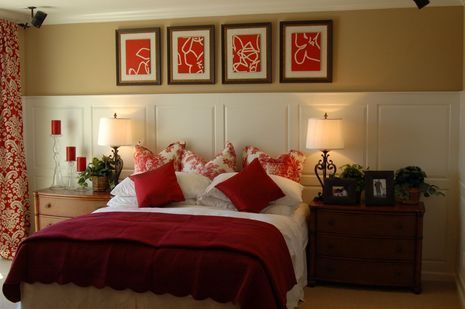
Have you ever walked into a house and noticed something was missing, but you couldn’t put a finger on exactly what it was? Sometimes a room can feel like this without moulding.
Depending on the room size, shape and color, some rooms can get away without a decorative moulding, but typically most rooms look much more refined with moulding. If done properly, certain types of moulding can add the perfect touch of refinement without changing the overall theme of the room.
These are the most common types of moulding and the main purposes they are used to achieve:
- Crown moulding is "the cherry on top" of a beautiful room. A room generally doesn’t feel complete without crown moulding.
- Similar to Crown Moulding, Base Moulding provides that “finished look” for a room. Even if the room already has baseboard, upgrading the base moulding to match nicely with the crown moulding is always a nice touch.
- Practical and decorative, Chair Rail is a great moulding that adds a nice simple accent to a room, while also protecting the wall from scratches and scuffs.
- If you have chair rail with a nice baseboard, it would be in best taste to also intall Panel Moulding . This serves as a union for the two elements while giving the room a more complete look.
- Using Door and Window Casing is a great way to add elegance and a more finished appearance to any room.
- Wainscoting is next to chair rail in popularity and can be used very tastefully in hallways and dining rooms. There are limitless designs for wainscoting to meet individual tastes.
By using these moulding techniques for a room or hallway, you can achieve a beautiful and elegant ambience throughout your home.
Installing moulding and paneling is relatively simple, but it can be very tedious without the right supplies. Call Chism Brothers today at 858-454-3850 or contact us online to put your project into capable hands.
Tell us about your project
Tell Us About Your Project
Contact us today to schedule a visit from one of our estimators! We’ll come to your home and provide a detailed estimate.
(858) 454-3850