What’s the Best Paint for Coastal Homes in Del Mar or La Jolla?
Last Updated: March 29, 2026
If you live in Del Mar or La Jolla, you already know the perks: ocean views, salty air, and perfect coastal breezes. Your home, however… has a slightly different relationship with the ocean.
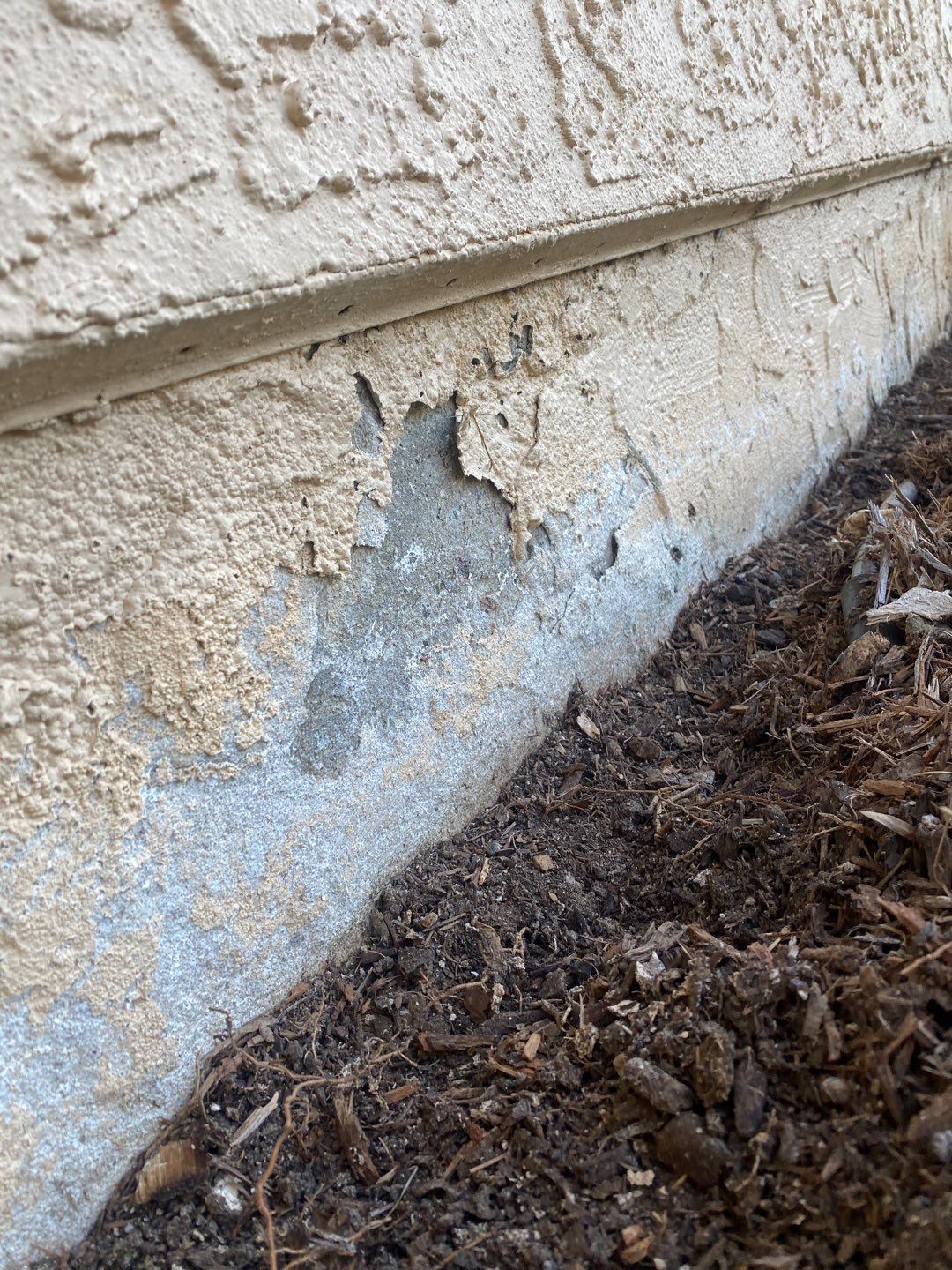
While you're enjoying it, your exterior paint is waging a salty battle against those same elements. Hot UV rays. 24/7 moisture. Pretty much everything that the materials on your home hate. And the only thing that sits between this recipe for expedited decay and your house? Paint. 0.004 inches of your home's best (or worst) defense. Now, let's talk about how you can make the most out of that exterior coat of paint.
Why Coastal Homes Are So Tough on Paint
Painting a home near the coast isn’t the same as painting inland. Not even close. Like we said, your home needs to stand up against:
- Salt in the air – Which clings to surfaces and slowly breaks down coatings.
- Constant moisture – Like morning marine layers, fog, and humidity.
- Intense UV exposure – The ultimate cause of pigment and binder breakdown.
- Temperature swings – Cool mornings. Warm afternoons. Paint gets stressed.
In other words, your paint doesn’t just need to look good—it needs to perform.
The Best Type of Paint for Coastal Homes
If you’re painting a home in Del Mar or La Jolla, you want to focus on high-quality exterior acrylic latex paint. That's the gold standard. Not the budget option. Not the “this was on sale” option. The good stuff.
Here’s why: Acrylic latex paints are flexible, breathable, and highly durable, exactly what coastal conditions demand. They:
- Resist cracking and peeling
- Handle moisture better than oil-based paints
- Allow surfaces to “breathe” (important in humid environments)
Key Features to Look For
Not all exterior paints are created equal—and near the coast, those differences show up quickly. A paint might look great at first, but if it’s not built to handle salt, sun, and moisture, it won’t last.
Salt Resistance:
Salt air doesn’t just sit on your home—it slowly works its way into the paint film.
Lower-quality paints can become porous over time, letting that salt accelerate breakdown underneath. High-end acrylic paints form a tighter, more cohesive film that resists that intrusion, helping protect both the paint and the surface below.
UV Protection:
Acrylic paints naturally outperform others in UV environments because their binders are more stable under sunlight. In coastal areas like La Jolla, where UV exposure is amplified by reflection off the water, this matters even more. Better acrylic formulas hold pigment longer and resist chalking, so your color stays true instead of fading unevenly or turning dull after a couple of seasons.
Mildew Resistance:
Moisture is constant near the coast, but here’s the nuance—acrylic paints are breathable. They allow vapor to escape instead of trapping it behind the coating, which reduces the conditions mildew thrives in. Pair that with built-in mildewcides, and you get a system that doesn’t just fight mildew on the surface, but helps prevent it from forming in the first place.
Flexibility:
One of the biggest advantages of acrylic paint is its elasticity. As temperatures shift throughout the day, surfaces expand and contract slightly. Acrylic coatings stretch with that movement instead of becoming brittle over time. That flexibility is a big reason why they resist cracking and peeling.
What About Sheen?
This part gets overlooked. But it shouldn't.
For coastal homes:
- Satin or Low-Lustre → Best overall choice
- Flat/Matte → Looks great but doesn’t hold up as well to moisture
- Glossy finishes → Durable, but show every imperfection (and salt streak)
Most homeowners in Del Mar and La Jolla land on a satin finish because it balances durability and appearance.
A Quick Word on Color Choices
This isn’t just about style—color actually affects how your paint performs over time, especially near the coast.
Lighter colors tend to reflect sunlight, which helps reduce heat buildup on the surface. That means less stress on the paint film and better long-term durability. Darker colors, on the other hand, absorb more heat, which can lead to faster fading and added strain on the coating as surfaces expand and contract.
There’s also a coastal-specific factor: UV exposure + salt + heat can accelerate color breakdown, and darker tones tend to show that wear more quickly.
The good news? Coastal palettes naturally lean in your favor. Soft whites, muted blues, light grays, and sandy neutrals not only fit the aesthetic of Del Mar and La Jolla, but they also tend to hold up better in the environment. So you can choose something that looks right and performs well.
So, What’s the Best Paint?
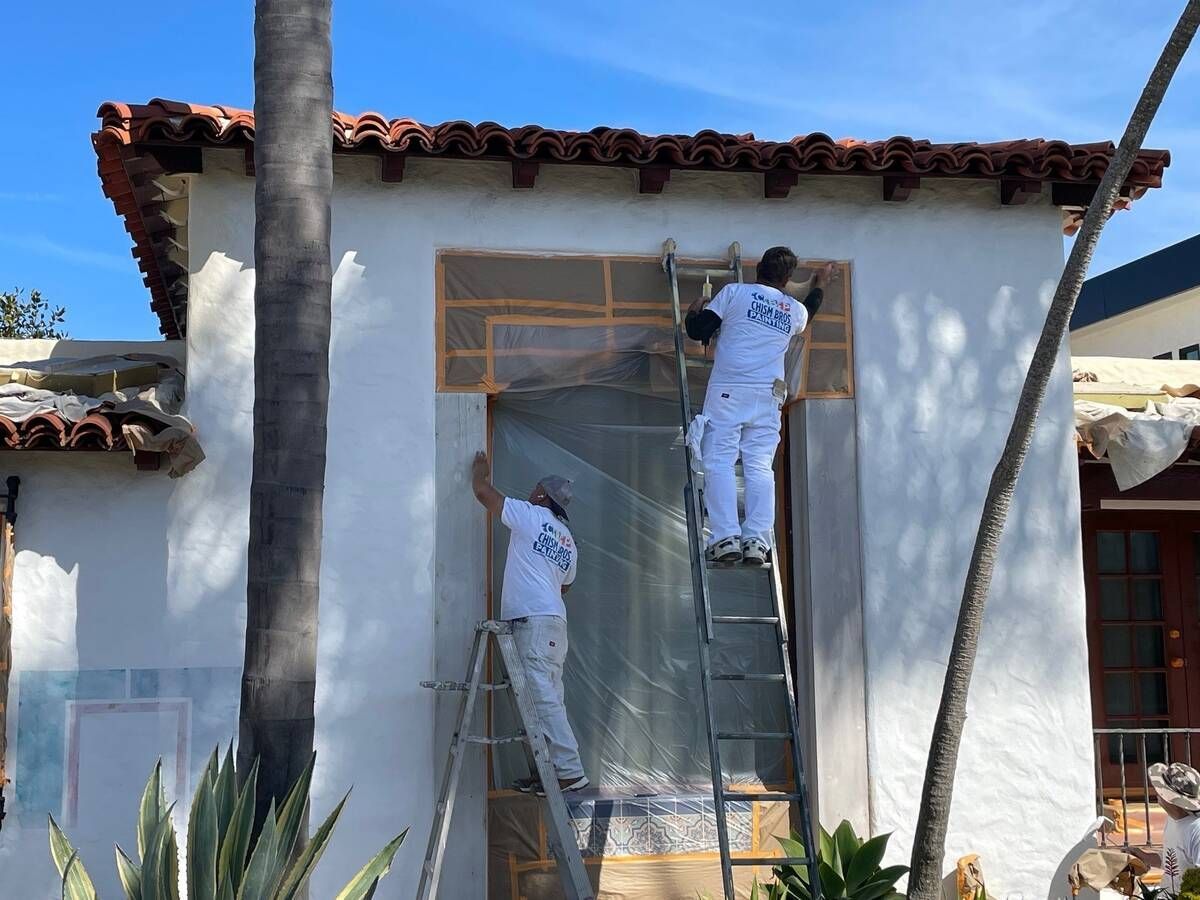
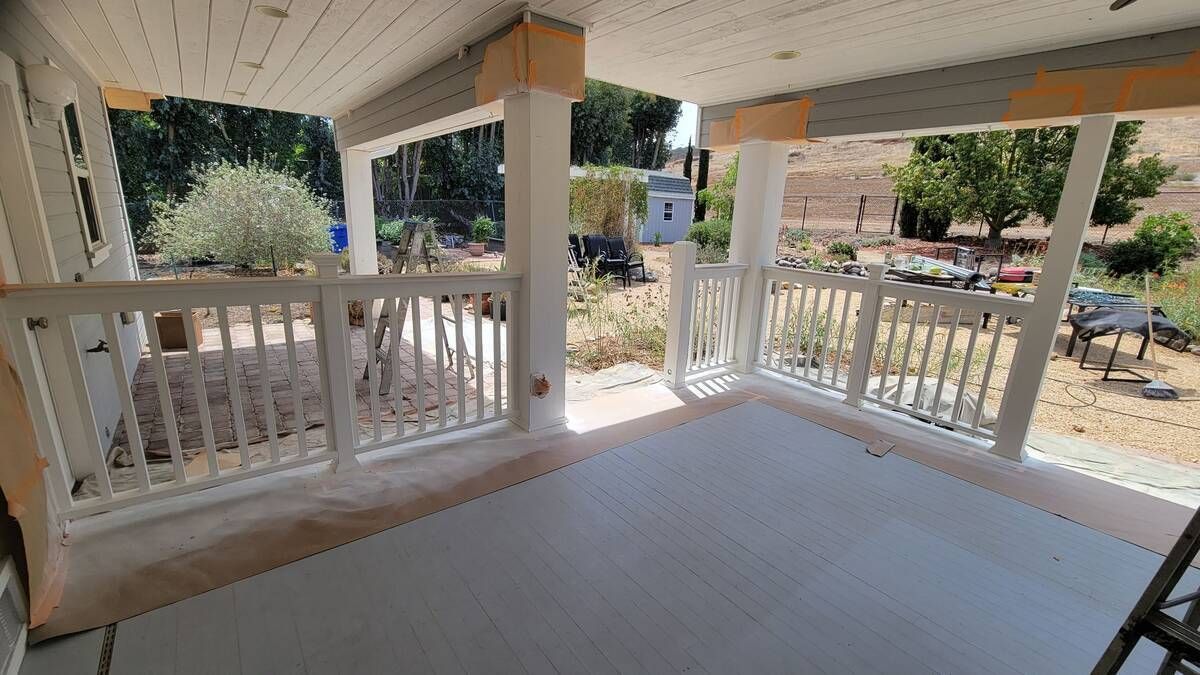
A premium, 100% acrylic exterior paint with strong UV protection, built-in mildew resistance, and the flexibility to handle coastal conditions is your best bet for homes in Del Mar and La Jolla. Pair that with proper prep and professional application, and you’ve got a recipe for a finish that actually lasts.
Living near the coast is one of the best parts of Southern California. Your paint job just needs to be built for it. Because while you’re enjoying the ocean breeze… your home is out there dealing with it.

Tell us about your project
Tell Us About Your Project
Contact us today to schedule a visit from one of our estimators! We’ll come to your home and provide a detailed estimate.
(858) 454-3850