Why Are My Walls Peeling?
Last Updated: March 10, 2011
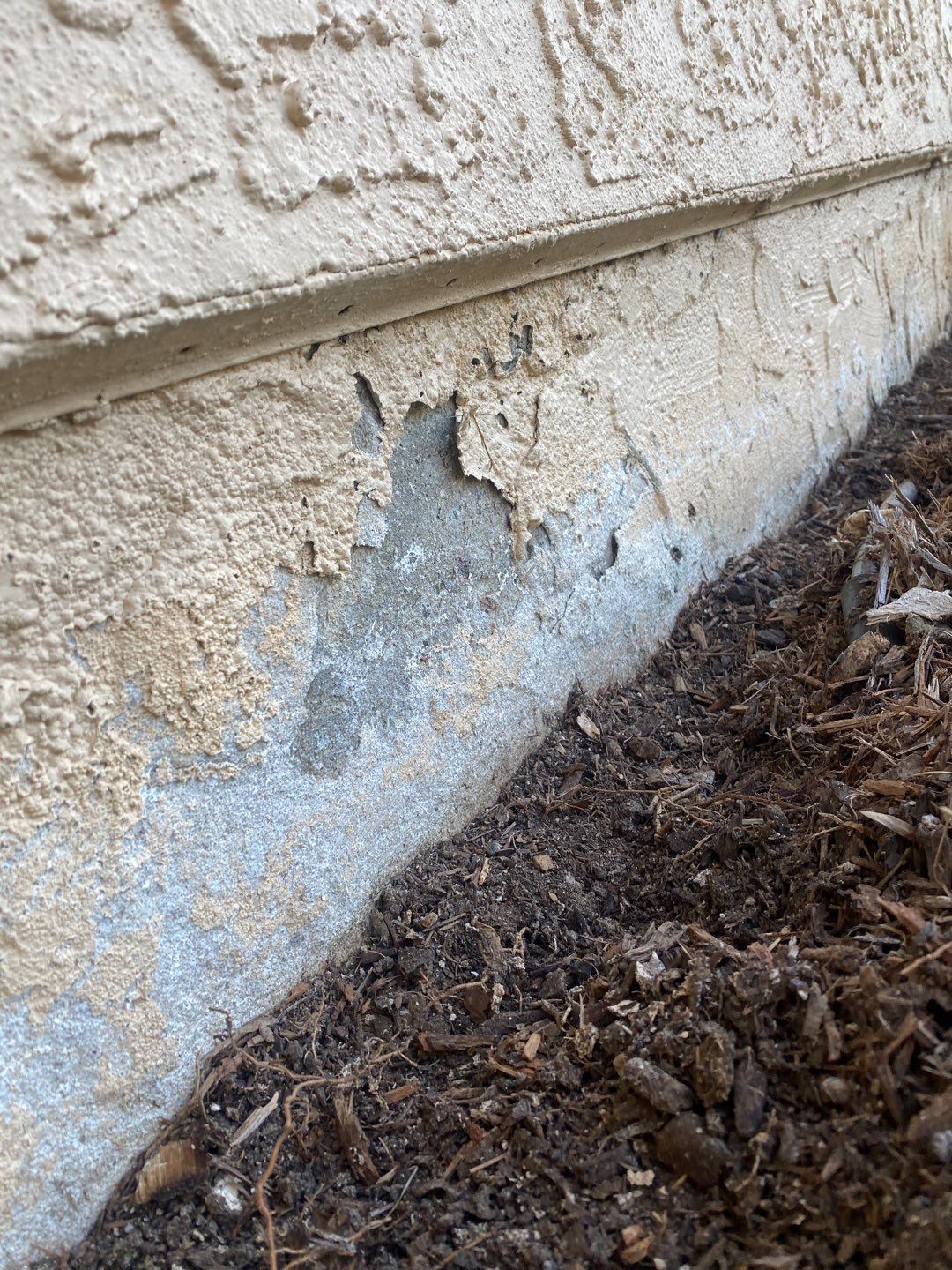
Do you ever wonder why paint begins to peel? Most of us have experienced that feeling of chagrin from seeing a wall of our home beginning to peel or blister. It can be frustrating to not know the cause of peeling paint, or how to repair it. There are a couple of important contributing factors to paint peeling. The most common reason is moisture. When a house is not ventilated properly, excessive moisture can be very damaging to the walls. Besides blistering and peeling, some of the other problems that arise are discoloration, and fungal growth. If the moisture in your home is properly controlled, than these problems should be inapplicable.
During the winter, moisture easily accumulates in homes since they are closed to retain heat. The higher the temperature, the more moisture air will hold. Some of the main sources of moisture are leaky water lines in walls and the use of faucets and showers; dryers can also contribute if they are not adequately vented outside the house. Moisture migrates to areas of lower vapor pressure, such as cold wall cavities, which makes it important that walls are properly protected by vapor barriers. Other common reasons for moisture to enter walls are faulty caulking around doors and windows, leaky roofs, rain gutters, and loose metal flashing at base foundations.
After 1978, building contractors have been required to take more precautions, such as using double felt barriers in walls and FHA weep hole metal flashing at the base of a foundation so that the house can breath and moisture can escape properly. Since builders before 1978 were not required to follow the modern specifications, older homes are more subject to ventilation problems.
To ensure that your house is free from these problems, there are a couple simple things you can do:
1. Have a roofer check for leaks in your roof and if necessary add roof vents and rain gutters.
2. Keep your home properly ventilated; keep the kitchen and bathroom windows open when in use.
3. Check for decay in old stucco, wood siding, and vapor barriers. Also, check for rust in metal flashing.
If you have any questions, or would like one of our specialists to come and check out your home, call us at: (858) 454-3850.
Tell us about your project
Tell Us About Your Project
Contact us today to schedule a visit from one of our estimators! We’ll come to your home and provide a detailed estimate.
(858) 454-3850