Painting a La Mesa Condo or Townhome? What Should You Confirm With the HOA First?
Last Updated: September 9, 2026
Before painting a La Mesa condo or townhome, owners should confirm which surfaces they are responsible for, which areas fall under HOA maintenance, whether color or contractor approvals are required, and whether any shared surfaces or access rules affect the work.
Painting a condo or townhome is not always as simple as painting a detached single-family home. Even when you own the unit, the HOA may control certain exterior surfaces, shared walls, balconies, railings, doors, trim, patios, fences, or common-area features. That can affect what you are allowed to paint, what colors you can use, and which approvals need to happen before the project begins.
Because La Mesa includes many mature condo, townhome, and attached-home communities, owners should understand their responsibilities before planning interior painting, exterior painting, or other finish updates. A little clarity upfront can prevent frustrating delays once colors, painters, and project dates are already chosen.
Start by Confirming What You Actually Own or Maintain
The first step is understanding which surfaces belong to the individual owner and which surfaces are maintained by the HOA. This can vary from one community to another, so owners should not assume the rules are the same across all condos or townhomes.
Interior walls are usually the owner’s responsibility, but exterior surfaces can be more complicated. Front doors, garage doors, balconies, patios, fences, railings, stucco, siding, fascia, trim, shutters, and exterior-facing windows may be governed by the HOA or require approval before work begins.
Before scheduling painting, check the HOA documents or ask the property manager what is owner-maintained versus HOA-maintained. This helps define the project scope before anyone chooses colors, buys materials, or books the painter.
Interior Painting Is Usually Simpler, but Not Always
Most condo and townhome owners have more freedom with interior painting than exterior painting. If the project is limited to walls, ceilings, bedrooms, living areas, or private interior spaces, HOA involvement may be minimal.
However, shared-building logistics can still matter. Owners may need to consider elevator use, hallway access, parking, work hours, noise rules, contractor check-in, insurance requirements, and protection of common areas. If painters need to carry equipment through shared walkways, stairs, lobbies, or garages, those details should be clarified before the project date.
The point is not to make interior painting sound difficult. It is simply to recognize that a shared building can create extra steps even when the work itself happens inside the unit.
Exterior Surfaces Often Need HOA Approval
Exterior painting is usually where HOA rules matter most. Even if the surface appears to be part of your unit, the HOA may control the color, finish, timing, contractor requirements, or whether you can paint it at all.
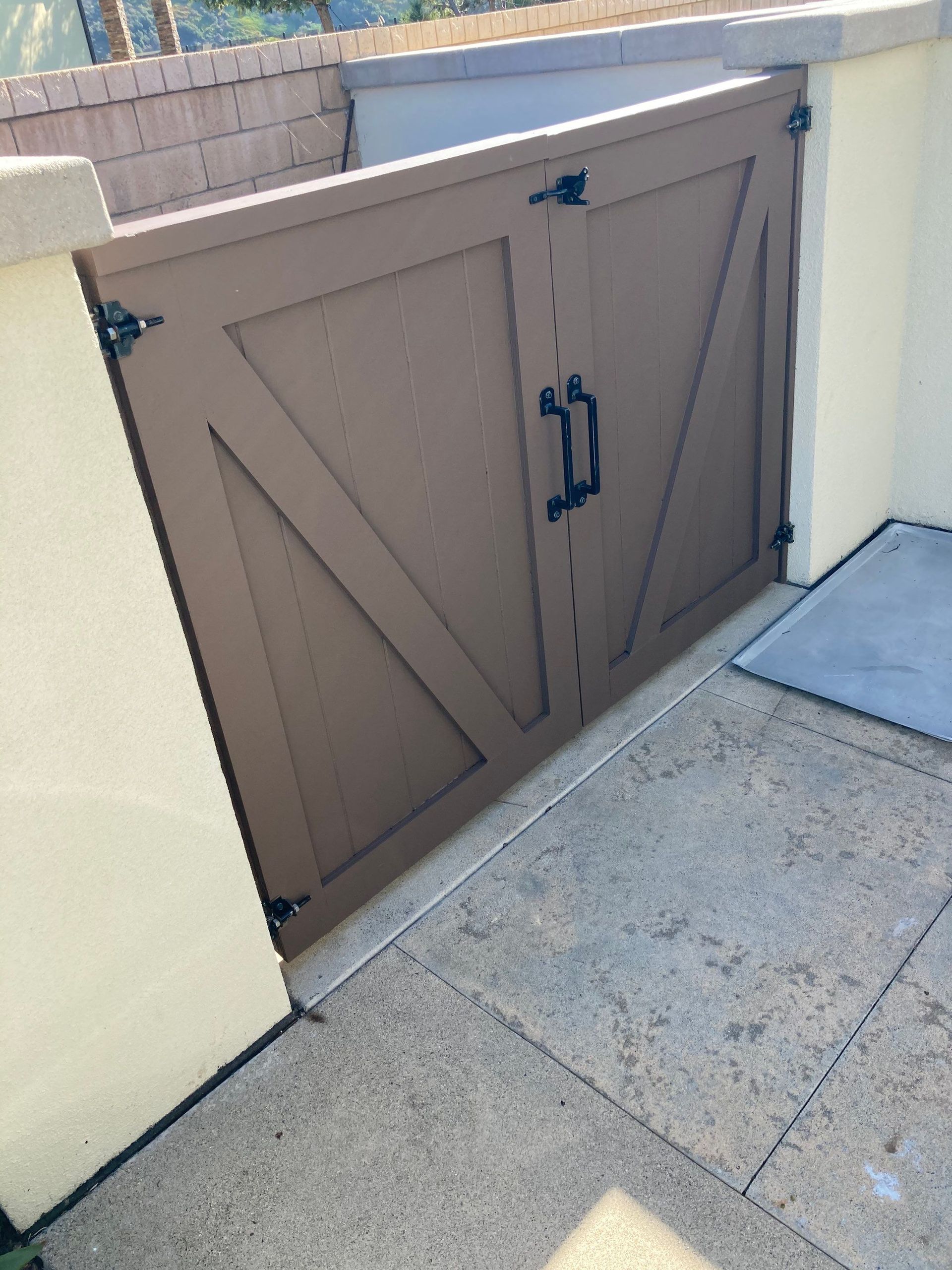
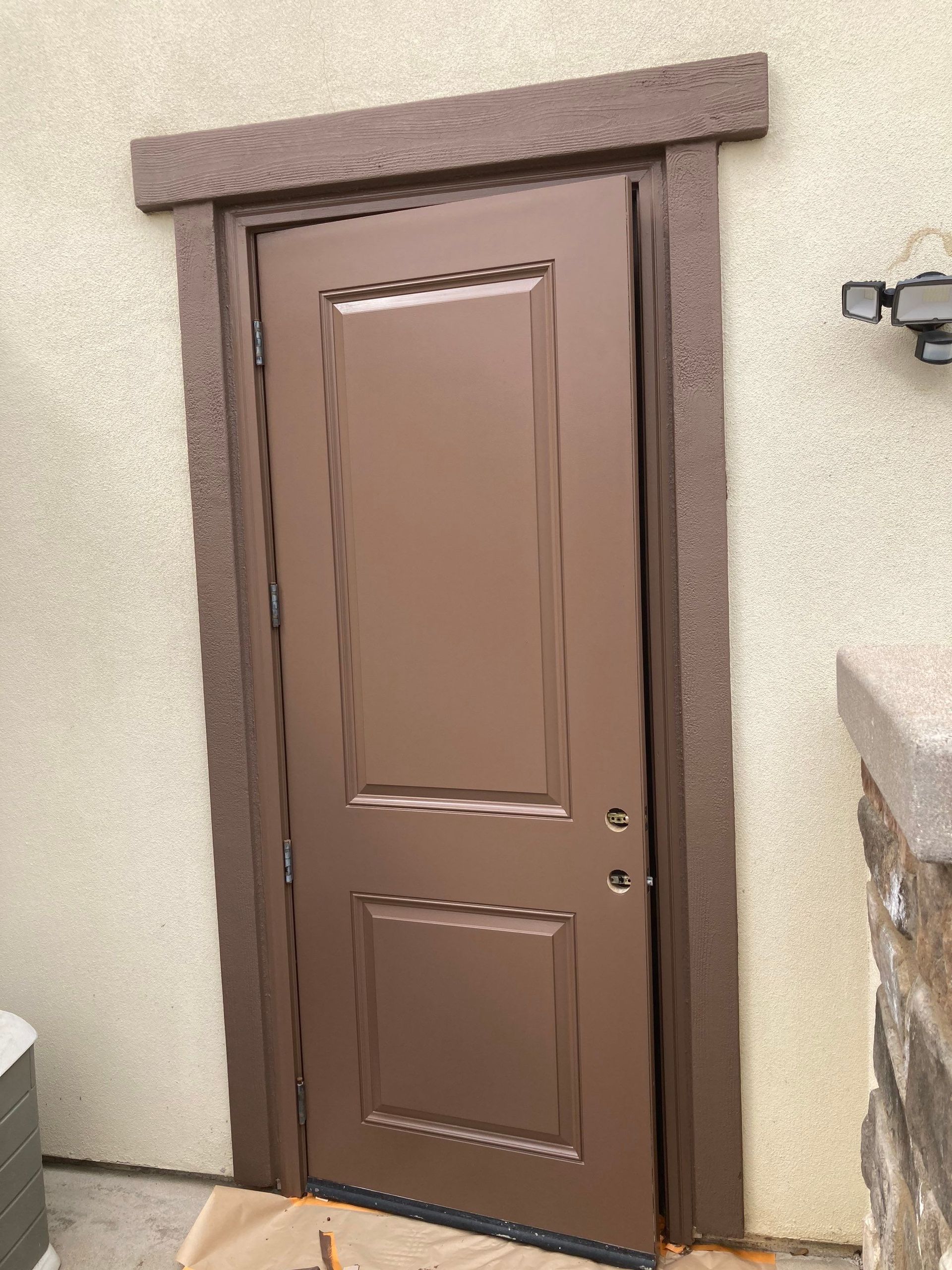
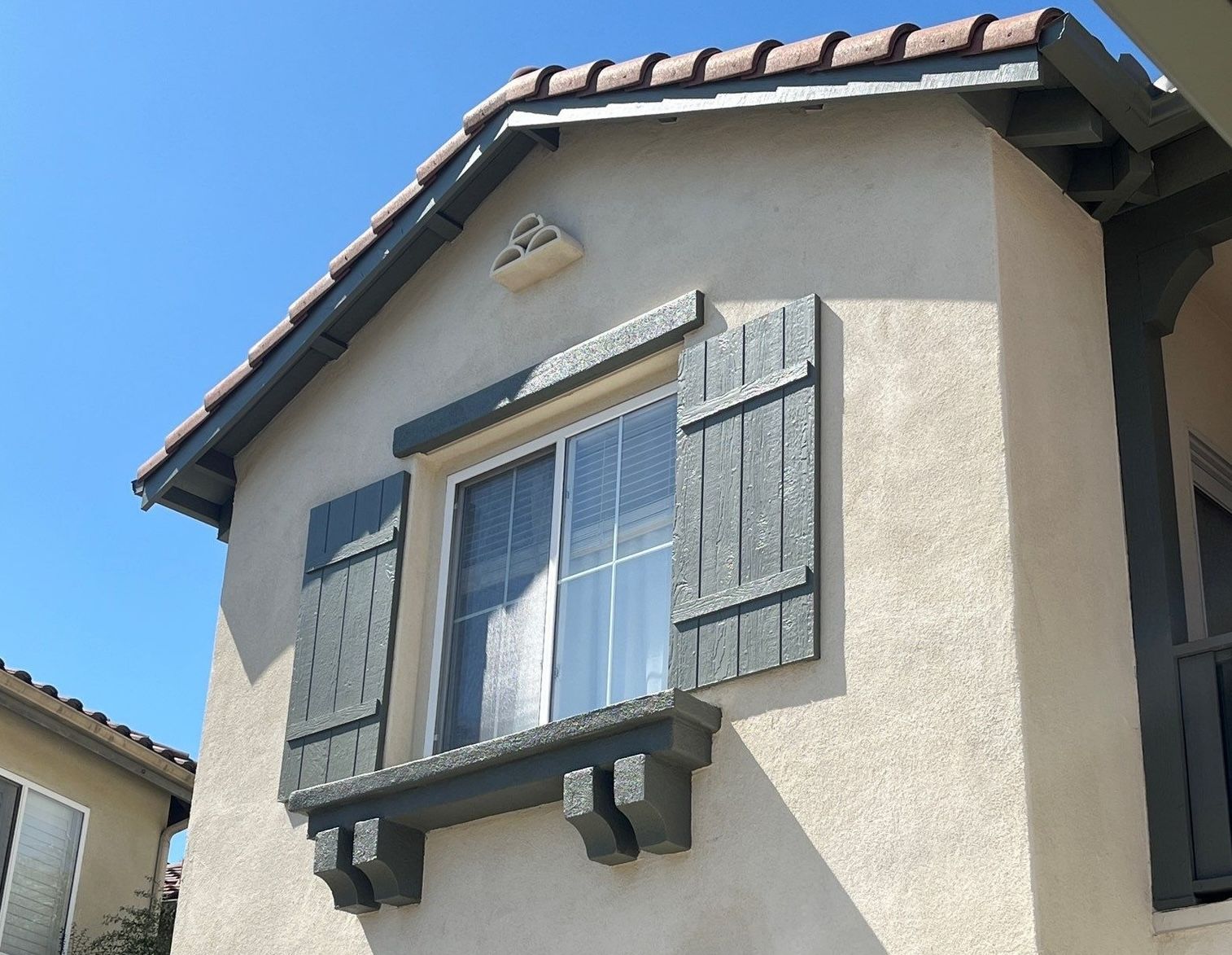
This can apply to front doors, garage doors, balcony railings, patio covers, shutters, trim, fencing, gates, stucco walls, exterior siding, and visible accent features. Some communities require a specific color palette, while others require written approval before any visible change is made.
Owners should get approval before ordering materials, scheduling painters, or changing visible exterior colors. This helps avoid the cost and frustration of repainting something that does not meet community requirements.
Shared Surfaces Can Create Confusion
Townhomes and condos often include surfaces that feel private but may still be shared, limited common area, or governed by the association. This can include balconies, patios, fences, dividing walls, railings, exterior doors, garages, walkways, and exterior trim.
That can create confusion when something needs paint. The owner may see the issue every day, but the HOA may be responsible for maintaining it. In other cases, the owner may be responsible for maintenance but still needs approval before making changes.
If a surface is attached to the exterior, visible from outside, or connected to a shared structure, it should be confirmed before work begins. This is especially important when the project involves repairs in addition to painting.
Ask Whether the HOA Has an Approved Color Palette
Many associations limit exterior colors to keep the community consistent. Even if you want to repaint the same color, the HOA may still require confirmation that the color is approved.
Ask whether there is an approved color palette, whether trim and accent colors are separate, whether front doors have limited options, and whether the existing color is automatically approved or still needs documentation. Some HOAs may also specify paint manufacturer, color name, sheen, or placement.
Do not rely on a color match from memory or a faded surface. A color that looks correct on an older door, railing, or stucco wall may look noticeably different when applied fresh.
Confirm Whether Repainting the Same Color Still Requires Approval
Some owners assume approval is only needed when changing colors. That may be true in some communities, but not all. Repainting the same color may still require a form, management approval, neighbor notice, or contractor documentation.
This is worth asking before the project is scheduled. If the old paint has faded, the “same color” may not look identical after it is freshly applied. The HOA may want confirmation that the new paint matches the approved scheme rather than the aged version currently on the surface.
Even maintenance painting can need approval when the surface is visible or community-controlled. Getting that answer early helps prevent avoidable delays.
Contractor Requirements Should Be Confirmed Early
HOAs may have contractor requirements, especially for work that affects the exterior or common areas. These may include insurance documentation, business licensing, workers’ compensation, work-hour limits, parking rules, debris cleanup, ladder placement, or management approval.
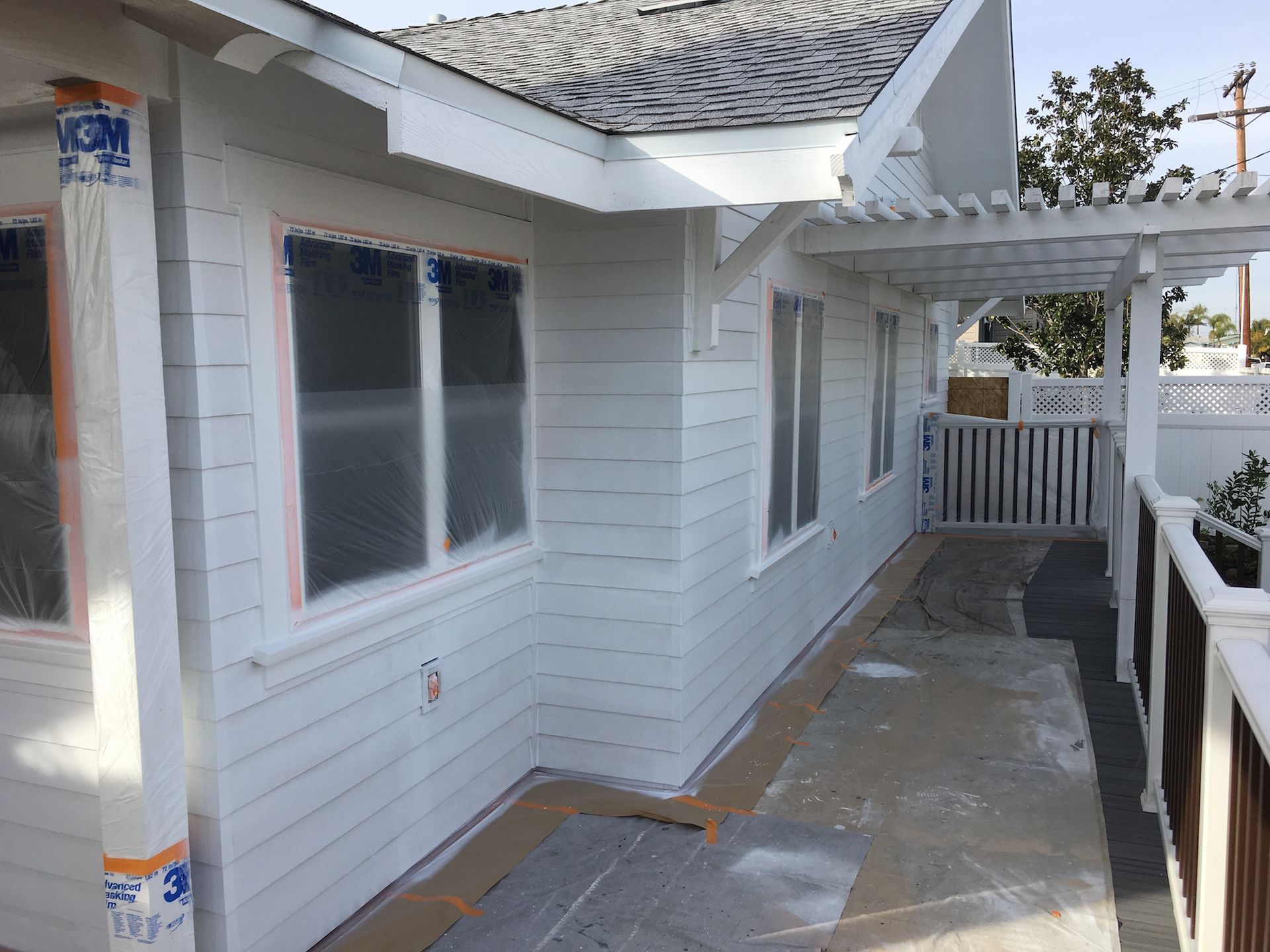
Some communities may also require contractors to protect walkways, elevators, landscaping, driveways, patios, shared walls, or neighboring units during the project. If paperwork is needed, the painter may need time to provide it before the HOA approves the work.
Confirming contractor requirements early helps prevent scheduling delays and avoids problems on the day work begins.
Access and Parking Can Affect the Painting Schedule
Condos and townhomes may have access limitations that are less common with detached homes. Painters may need to bring equipment through shared walkways, stairwells, elevators, garages, courtyards, alleys, or narrow side yards.
Parking, gate codes, loading areas, ladder access, unit numbers, HOA office check-in, and neighbor coordination can affect how smoothly the project goes. For exterior work, the painter may also need to know whether access crosses common areas or another owner’s space.
Access should be discussed before the project date, not figured out when the crew arrives. Clear instructions help the project start on time and reduce disruption for neighbors.
Balconies, Patios, and Railings Need Special Attention
Balconies, patios, railings, and attached outdoor spaces can be especially confusing because they may be privately used but governed by HOA rules. You may be responsible for keeping the area clean, while the HOA may control repairs, coatings, colors, or structural elements.
Before painting, confirm whether you can paint balcony railings, patio covers, privacy fences, dividing walls, stucco returns, trim, exterior doors, or garage doors. If repairs are needed, also confirm whether those repairs are your responsibility or the association’s responsibility.
Outdoor living areas often sit between private use and shared maintenance. They should be reviewed carefully before painting, especially when the finish will be visible from outside the unit.
Repairs May Need to Be Approved Before Painting
Painting often reveals or depends on repairs. In a condo or townhome, those repairs may require additional approval if they involve exterior wood, stucco, siding, trim, doors, railings, fascia, or shared building components.
Owners should not authorize repairs to HOA-controlled areas without confirming responsibility first. If the surface is owner-maintained, repairs should still be made in a way that matches the community’s approved appearance.
A properly licensed contractor can help identify what needs repair, but the HOA or property manager should confirm who is responsible for approving and paying for the work. This keeps the painting project from accidentally expanding into work the owner was not authorized to complete.
Paint Timing May Depend on HOA Maintenance Plans
An owner may want to paint a door, fence, patio area, or exterior feature, but the HOA may already have community-wide maintenance planned. In that case, it may be better to wait or coordinate with the association.
Ask whether the HOA has upcoming exterior painting, stucco repairs, roofing, balcony work, wood replacement, termite repairs, or common-area improvements planned. Painting an individual surface right before larger maintenance work could lead to duplicated cost or unnecessary touch-ups.
The painting plan should not conflict with upcoming HOA work. Confirming the schedule early can save time and prevent recently painted surfaces from being disturbed.
Keep Written Approval and Color Details
Owners should keep written approval, submitted forms, approved colors, finish details, and contractor requirements in one place. This protects the owner if questions come up later and helps the painter follow the approved scope.
Clear documentation also reduces confusion between the homeowner, painter, HOA board, property manager, and neighbors. This is especially useful when exterior colors, visible repairs, shared access, or contractor requirements are involved.
Do not rely only on a verbal “that should be fine” when exterior painting is involved. Written approval gives everyone a clearer reference point.
A Practical Order for Condo or Townhome Painting
A simple sequence can help prevent delays, denied approvals, duplicated work, or problems with newly painted surfaces.
- Review HOA documents or ask the property manager what you control.
- Separate interior, exterior, and shared surfaces.
- Confirm whether approval is needed for colors, repairs, or contractors.
- Ask whether the HOA has upcoming maintenance planned.
- Get approved colors or finish requirements in writing.
- Confirm access, parking, work hours, and common-area protection.
- Schedule repairs before painting when needed.
- Paint after responsibilities, approvals, and logistics are clear.
This order helps owners avoid scheduling work before the scope is fully understood. It also gives the painter a clearer picture of what can be painted and what may need HOA approval first.
What to Clarify Before Scheduling the Work
Before scheduling, condo and townhome owners should clarify whether the project is fully inside the unit, visible from the exterior, attached to a shared structure, or controlled by the HOA. They should also confirm whether the painter needs insurance documents, licensing information, work-hour restrictions, parking instructions, or approval from the property manager before arriving.
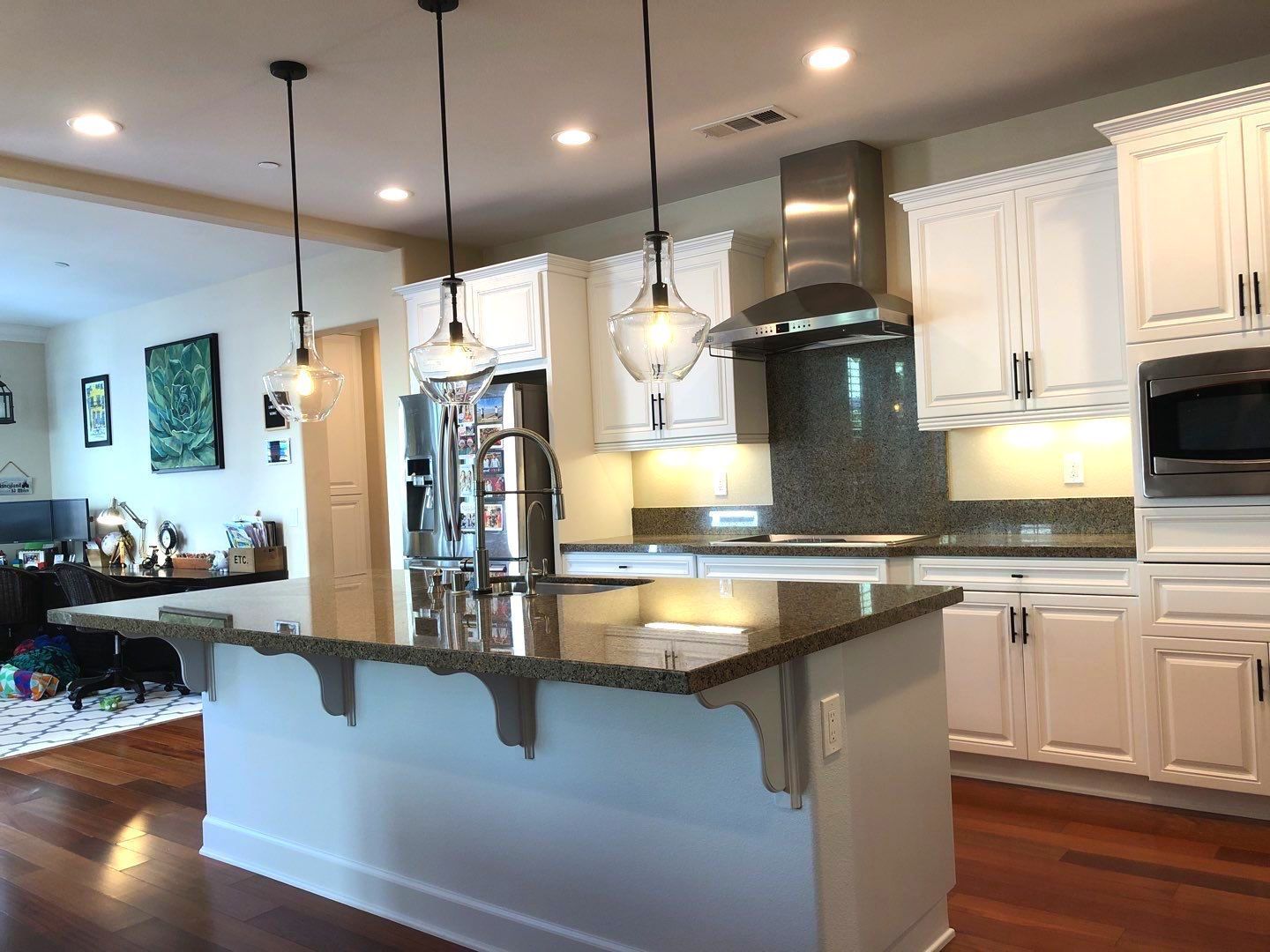
If the project includes kitchen updates, cabinet painting, trim, doors, or interior color changes, those details should also be discussed before work begins. For example, cabinet painting and refinishing may not require HOA color approval inside the unit, but the building may still have access, parking, or contractor rules that affect the schedule.
The estimate should help define the painting scope clearly, but the HOA should confirm which surfaces the owner is allowed to paint and what requirements apply.
Talk With a La Mesa Painting Company Before Scheduling
A professional painter can help owners identify which surfaces are involved, what prep may be needed, and what documentation the HOA may request. This is especially useful when the project includes exterior doors, trim, balcony railings, patio structures, fences, gates, shared walls, or repairs.
Speaking with an experienced La Mesa painting company can help you organize the painting scope before scheduling. Chism Brothers Painting can review interior and exterior surfaces, repair concerns, access logistics, protection needs, and HOA-related contractor documentation before work begins.
That preparation can make the project easier for the owner, the painter, the HOA, and nearby neighbors.
Plan Your La Mesa Condo or Townhome Painting Project With Chism Brothers Painting
If you are planning to paint a La Mesa condo or townhome, Chism Brothers Painting can help inspect the surfaces, clarify the painting scope, and identify what should be confirmed with the HOA before work begins. They can review interior and exterior surfaces, repairs, prep needs, access, protection, and contractor requirements so the project is easier to plan.
Reach out today for a
free, no-obligation estimate. Chism Brothers can help you understand what should be confirmed before painting, what can be handled inside the unit, and what may need HOA approval before work begins.


Tell us about your project
Tell Us About Your Project
Contact us today to schedule a visit from one of our estimators! We’ll come to your home and provide a detailed estimate.
(858) 454-3850