Planning a Backyard Upgrade in Santee? What Should Happen Before Exterior Painting?
Last Updated: September 9, 2026
Before exterior painting, Santee homeowners should complete or coordinate patio covers, fences, gates, stucco repairs, wood repairs, hardscape work, landscaping changes, and major backyard access needs so fresh paint is not damaged by later work.
Backyard upgrades often overlap with exterior painting more than homeowners expect. A new patio cover, repaired fence, updated gate, stucco patch, retaining wall, outdoor kitchen, or landscaping project can all affect the surfaces around the home. If those projects happen after painting, they may scratch the finish, expose unpainted areas, create new caulk lines, or require avoidable touch-ups.
Many Santee homeowners use their backyards as outdoor living spaces, and some properties also have slopes, open-space edges, retaining walls, or mature landscaping. Planning repairs, access, and painting together helps the finished project look cleaner and prevents the exterior paint from becoming an afterthought.
Why Backyard Work Should Be Planned Before Painting
Exterior painting is usually one of the later finish steps in a backyard refresh. It is the part that makes everything look clean and complete, but it can also be the easiest part to damage if other trades are still cutting, fastening, patching, digging, or moving materials around the home.
Backyard projects can affect exterior paint when contractors need access along painted walls, patio covers attach to the house, fences or gates are repaired, stucco is patched, irrigation is adjusted, or hardscape work creates dust and scuffs. Even careful work can disturb freshly painted trim, lower walls, doors, fascia, or patio-facing elevations.
The goal is not to delay painting unnecessarily. It is to avoid painting surfaces that another project may still touch, cut, repair, cover, or stain.
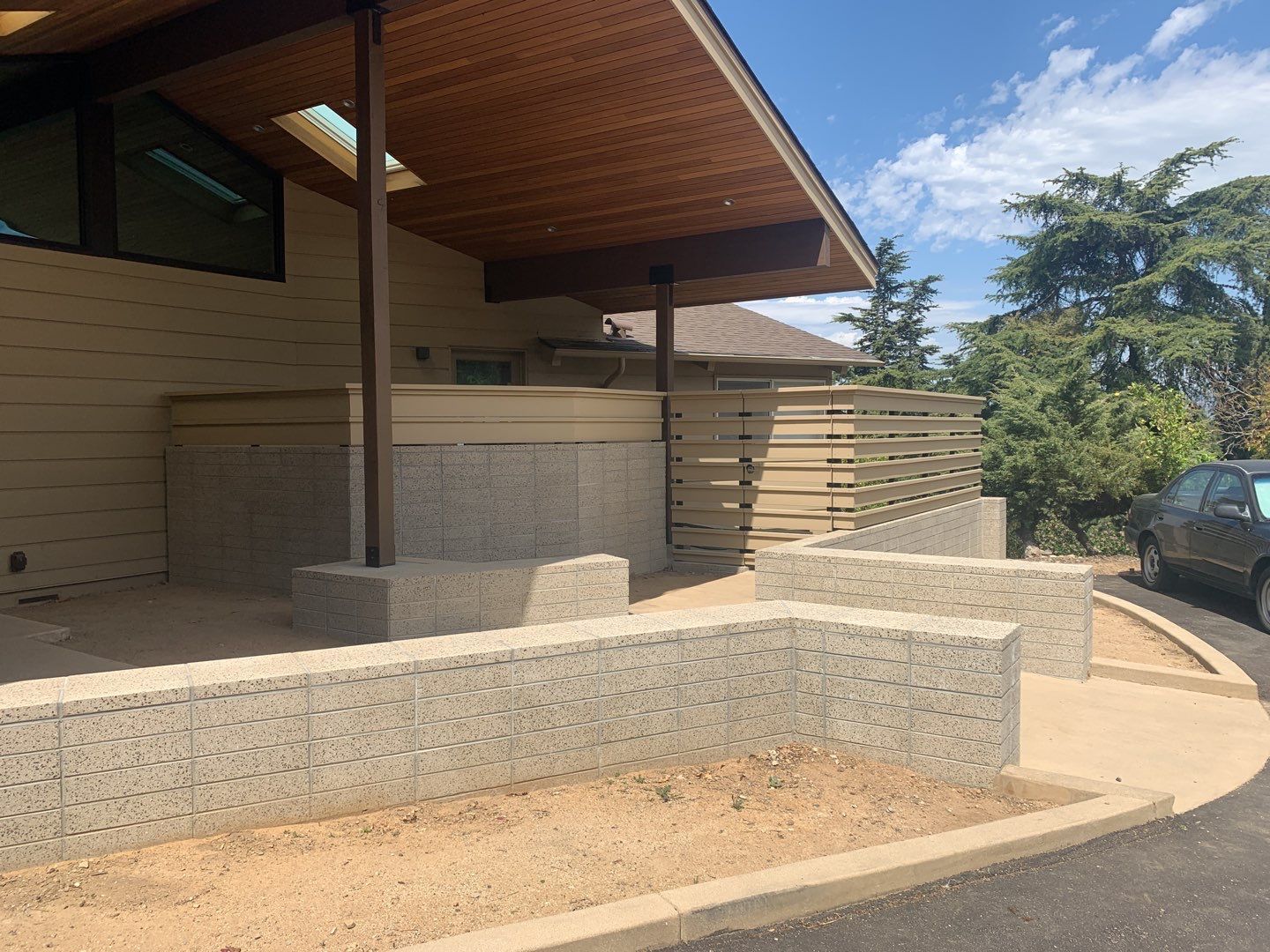
Start With the Full Backyard Plan
Before scheduling exterior painting, homeowners should list every backyard project they are considering, even if some work may happen later. Painting decisions are easier when everyone understands what may be attached, removed, repaired, replaced, or installed near the house.
This includes patio covers, pergolas, fences, gates, retaining walls, outdoor kitchens, decks, railings, stucco repairs, trim repairs, fascia work, landscaping changes, irrigation adjustments, concrete, pavers, and other hardscape updates. Even small changes can affect access, prep, protection, and touch-up planning.
A full project list helps the painter understand which areas may need extra prep, which surfaces should be protected, and which finish work may need to wait. It also helps homeowners avoid paying to paint an area that will soon be modified by another project.
Complete Patio Cover and Pergola Work Before Final Paint
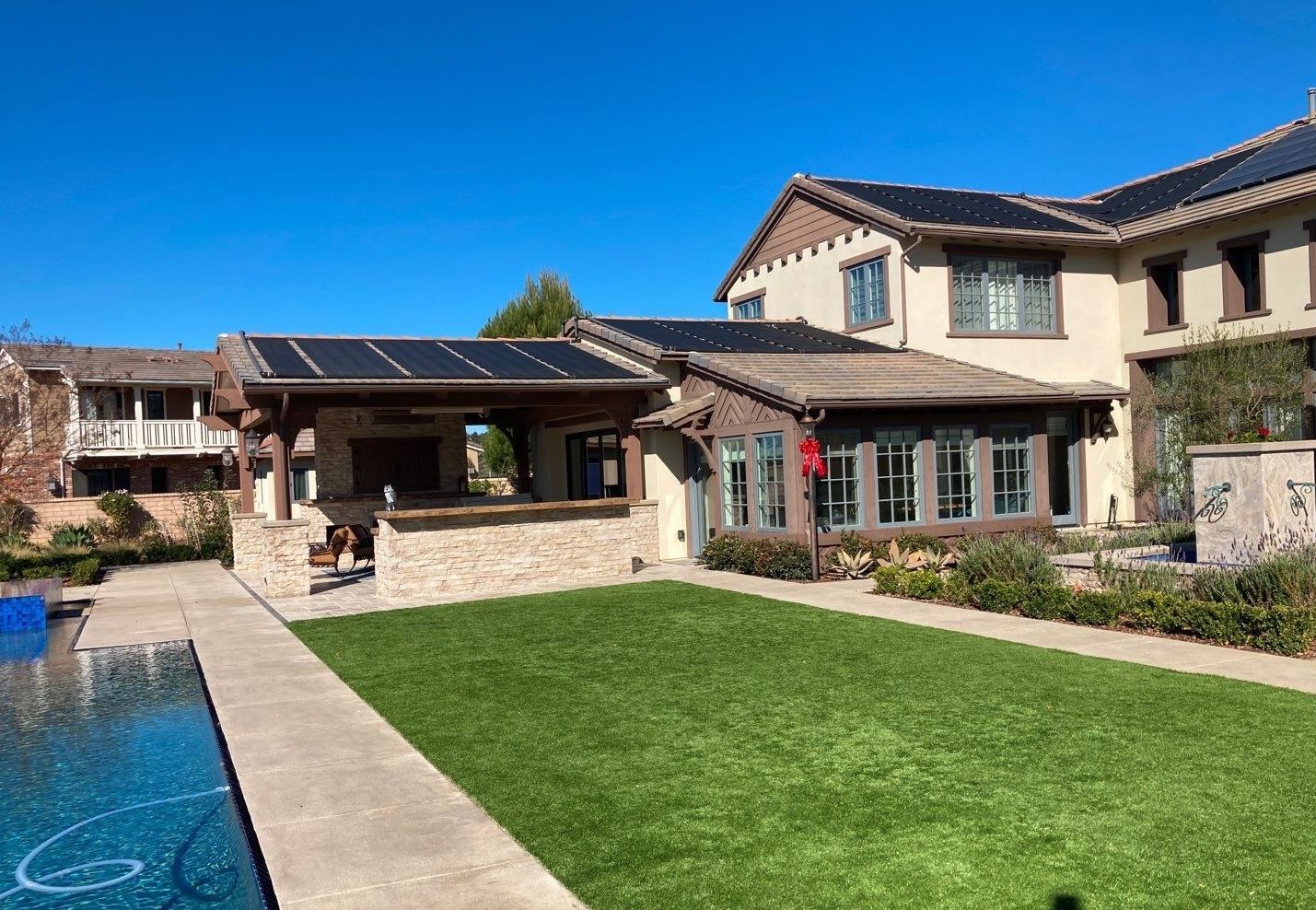
Patio covers and pergolas can affect exterior paint because they may attach to the house, sit close to fascia or stucco, or require hardware near painted surfaces. If these structures are installed after painting, they may create scratches, holes, new caulk lines, patching, or touch-up needs.
If a patio cover is being repaired or replaced, that work should usually happen before the final exterior paint. Any attachment points, wood repair, stucco patching, flashing details, caulking, or surrounding trim work should be complete before finish coats are applied.
The same thinking applies to pergolas and shade structures near the house. If the structure will be painted, stained, repaired, or refinished, it should be coordinated with the broader exterior plan. Chism Brothers’ specialty services may be relevant when a backyard project involves wood repair, light carpentry, pressure washing, deck and railing repair, or surface preparation before painting or staining.
Repair Fences, Gates, and Railings Before Painting Nearby Areas
Fences, gates, and railings often sit close to exterior walls, side yards, patios, and walkways. If they are sagging, damaged, weathered, or being replaced, that work can affect painted surfaces nearby.
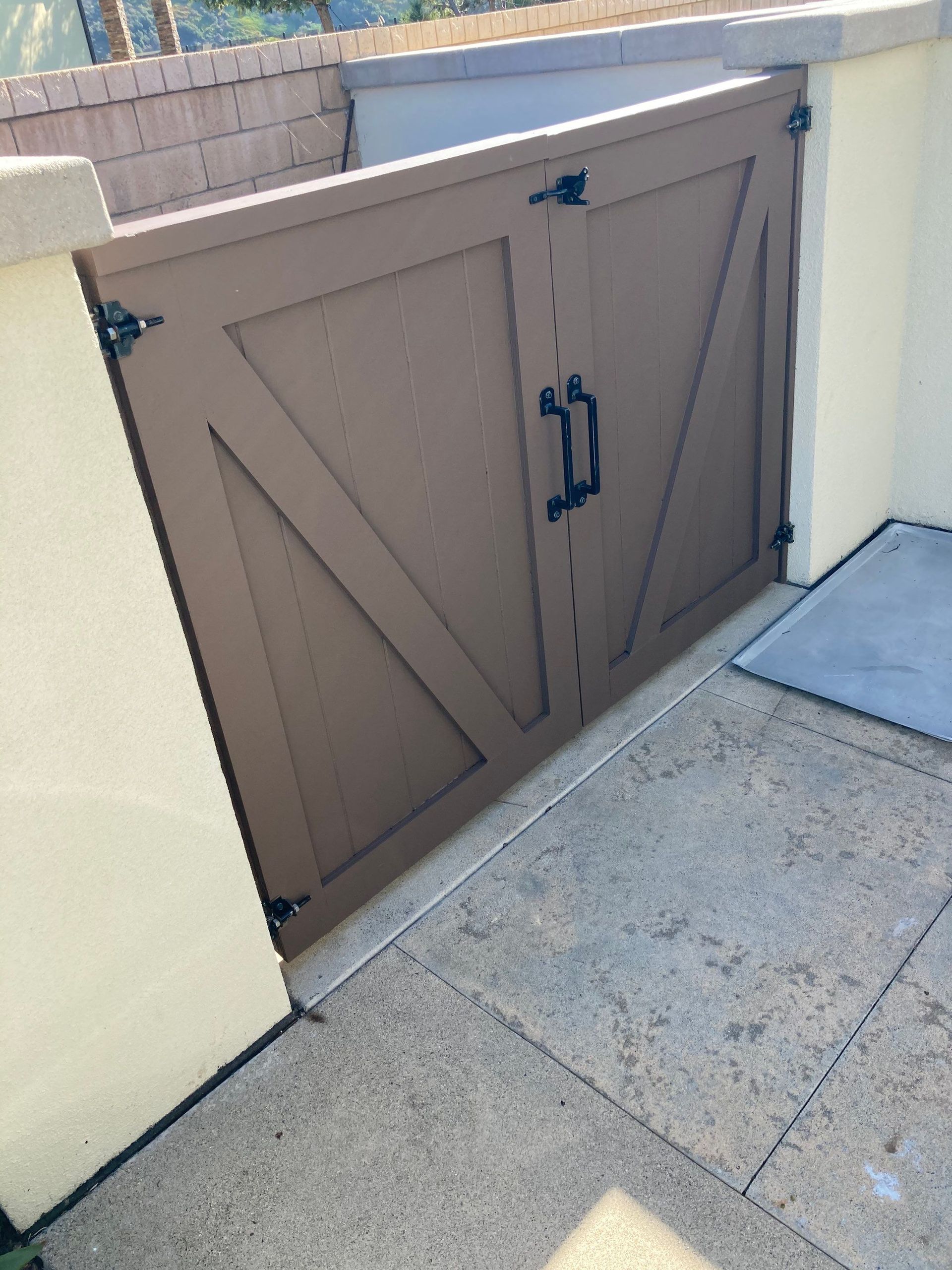
Gate and fence work can also affect access. A narrow, damaged, or poorly functioning gate may make it harder to move ladders, equipment, materials, and masking supplies into the backyard. If a gate is being replaced after painting, the surrounding trim, wall, or stucco may need additional touch-ups.
This does not mean every fence or gate has to be perfect before painting. It means homeowners should decide what is staying, what is changing, and what could interfere with the painting crew before the schedule is finalized. If fencing, gates, pergolas, railings, or patio covers need coating or staining, those details can often be discussed as part of the overall exterior project.
Handle Stucco and Wood Repairs Before Exterior Painting
Stucco repairs should happen before final paint, especially around patio areas, hose bibs, exterior outlets, old attachments, cracks, or areas affected by previous backyard work. If stucco is patched after painting, the repair may stand out or require repainting a larger section to blend properly.
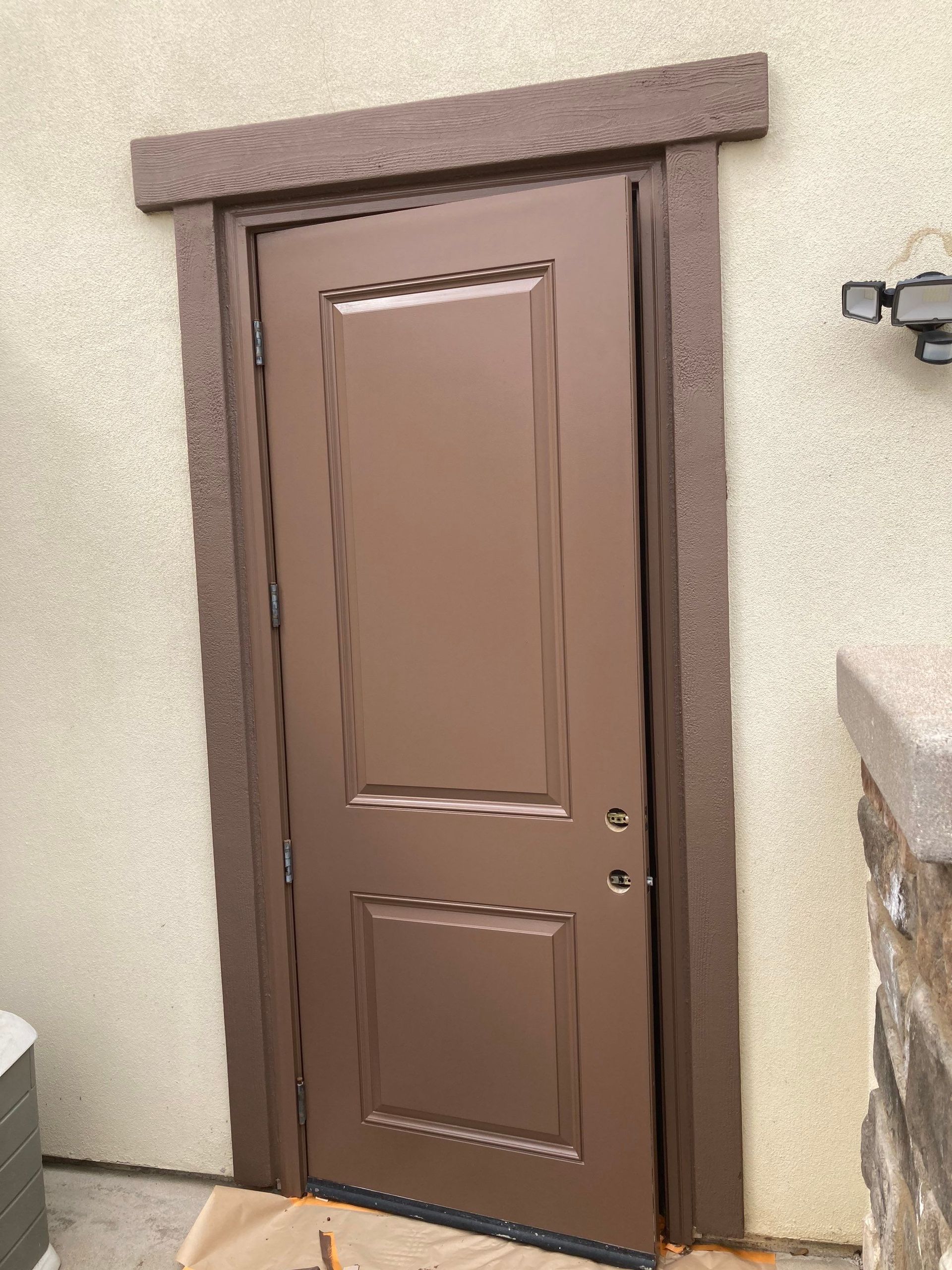
Wood details should also be inspected before the final coating goes on. Backyard areas often include fascia, eaves, trim, doors, patio posts, railings, and other wood features that may be weathered, peeling, cracked, soft, or damaged. Solid wood may be repaired and painted, but rotted, swollen, or unstable wood should be fixed or replaced first.
Paint can make a sound surface look clean and finished. It should not be used to cover damage that will continue to move, absorb moisture, or fail after the project is complete.
Coordinate Landscaping and Irrigation Changes
Landscaping can affect exterior paint before and after the project. Plants, vines, shrubs, irrigation, and planter beds can block access, trap moisture, stain walls, or repeatedly wet painted surfaces.
For Santee homes near open-space or hillside areas, vegetation, slope access, and brush-adjacent areas may also need to be considered before work begins. Homeowners should trim plants away from exterior surfaces, clear work areas, and make sure sprinklers are not spraying walls, trim, doors, fences, gates, or patio cover posts that will be painted or stained.
This is especially important if paint has failed in the same area before. If irrigation or plant contact caused the damage, fresh paint may not last as expected unless the source of the problem is corrected.
Finish Hardscape Work Before Painting Nearby Surfaces
Concrete, pavers, retaining walls, steps, pathways, and patio work can create dust, debris, splatter, equipment movement, and surface scuffs. If this work happens after painting, homeowners may need touch-ups around lower walls, trim, gates, doors, or patio-facing elevations.
Hardscape work may also change the grade or access around the home. A new patio, wall, step, or walkway can affect where ladders or equipment can be placed. Painters need to know whether those surfaces will be finished before they plan setup and protection.
In most cases, messy ground-level work should be completed first. Once the dust and debris are gone, the exterior can be cleaned, prepped, protected, and painted more effectively.
Think About Access on Sloped or Open-Space Lots
Some Santee homes have sloped yards, retaining walls, terraced landscaping, or open-space edges that make backyard access more complicated. These conditions can affect ladder placement, equipment staging, masking, and how painters reach rear elevations.
Homeowners should point out narrow side yards, steep slopes, uneven ground, drop-offs, retaining walls, or limited access paths during the estimate. These details may influence the project timeline and setup, especially if the rear of the home is taller or harder to reach than it looks from the front.
This is not about turning the painting project into a safety manual. It is simply about making sure the estimate reflects the real conditions around the property.
Plan for Cleaning After Backyard Construction
Backyard upgrades can leave dust, dirt, sawdust, stucco debris, hardscape residue, or construction material on walls, trim, windows, doors, and patios. Exterior painting should usually wait until the messiest work is complete and surfaces can be cleaned properly.
Paint needs a clean, dry, stable surface. If the home is painted before construction dust settles or before surfaces are washed, the final finish may not bond or look as clean as it should.
Final cleaning and surface prep should happen after most backyard construction activity is complete. That allows the painter to see the actual condition of the surfaces and prepare them correctly before the finish coats are applied.
A Smart Project Order for Backyard Upgrades and Painting
The exact order may vary depending on the property, but homeowners can usually think about the project in this sequence:
- List planned backyard upgrades and exterior repairs.
- Complete patio cover, pergola, fence, gate, or railing work.
- Finish major hardscape, retaining wall, concrete, or paver work.
- Complete stucco, trim, fascia, wood, and caulking repairs.
- Adjust landscaping and irrigation away from painted surfaces.
- Clear access around the home for painters.
- Clean exterior surfaces after dust and debris are gone.
- Paint the home, trim, doors, gates, or other planned surfaces.
- Complete final touch-ups after the walkthrough.
Final painting should generally happen after the work most likely to damage or dirty the surface. This gives the paint a better foundation and helps the finished backyard area feel more complete.
When Painting in Phases May Make Sense
Some homeowners may not complete the entire backyard project at once. In that case, a phased painting plan may be more practical.
For example, a painter may recommend waiting to finish certain walls, gates, trim sections, railings, or patio-facing surfaces until nearby construction is complete. Other areas of the home that will not be affected may be painted sooner.
Phasing can work, but it should be planned intentionally. Homeowners should understand where each phase will stop, whether colors will blend, and whether repeated setup or later touch-ups will affect the overall cost.
Questions to Ask Before Scheduling Exterior Painting
Before scheduling exterior painting, homeowners should ask questions that connect the backyard project and the paint plan.
Helpful questions include:
- Will any backyard work attach to the house?
- Are patio covers, fences, gates, or railings being repaired or replaced?
- Is stucco patching or texture work needed before painting?
- Are there wood repairs around trim, fascia, doors, or patio areas?
- Will hardscape work create dust or affect access?
- Do sprinklers hit the house or nearby painted surfaces?
- Should landscaping be trimmed before painters arrive?
- Are slopes, retaining walls, or open-space areas affecting access?
- Who handles touch-ups if another trade damages fresh paint?
These questions help make the painting estimate more accurate. They also reduce confusion about what should happen before paint, what can happen after, and what may require touch-ups.
Talk With a Santee Painting Company Before Finalizing the Timeline
Homeowners should bring in a painter before finalizing the schedule if the backyard project involves attachments to the house, stucco repairs, wood repairs, hardscape work, difficult access, or multiple trades.
Speaking with an experienced Santee painting company can help you understand where exterior painting should fit into the overall backyard upgrade. A painter can review access, prep needs, repairs, protection, and surfaces that may be affected by other work.
Chism Brothers Painting can help Santee homeowners plan the painting portion so newly finished surfaces are not damaged or unnecessarily redone.
Plan Your Santee Backyard Upgrade and Exterior Repaint With Chism Brothers Painting
If you are planning a backyard upgrade in Santee, Chism Brothers Painting can help determine what should happen before exterior painting begins. They can review patio covers, fences, gates, stucco, trim, fascia, landscaping, hardscape areas, access, and prep needs so newly painted surfaces are not damaged or unnecessarily redone.
Reach out today for a
free, no-obligation estimate before finalizing the backyard project timeline. Chism Brothers can give you honest guidance on when to paint, what to repair first, and how to coordinate your exterior updates in the right order.


Tell us about your project
Tell Us About Your Project
Contact us today to schedule a visit from one of our estimators! We’ll come to your home and provide a detailed estimate.
(858) 454-3850