Do You Need to Use Primer for Your San Diego Home Painting Project?
Last Updated: September 20, 2016
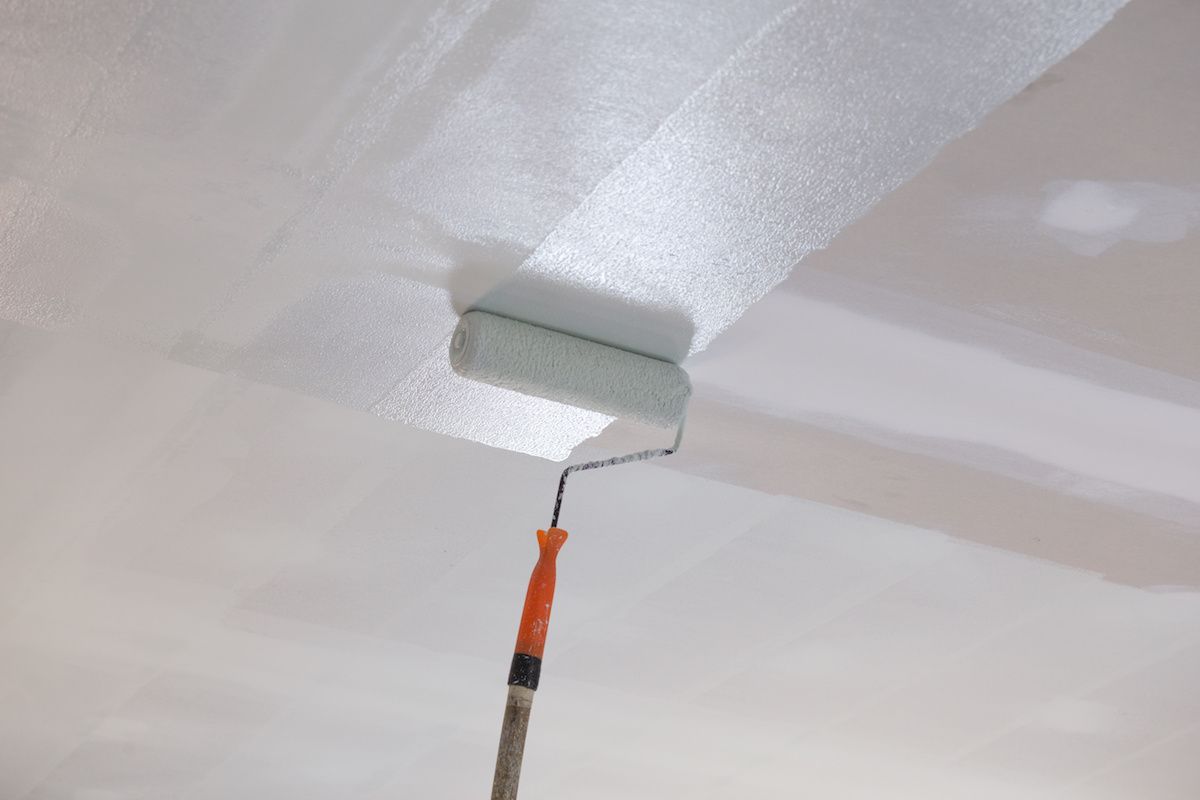
When it comes to home improvement, you likely look for the easiest, quickest route from Point A to Point B. If you could snap your fingers and have the work be magically finished, you would.
And who could blame you?
As professional house painters, we believe in working efficiently and quickly too. At the same time, we know firsthand what can happen when essential steps are skipped for the sake of speed. Getting something done fast does not always equal getting something done well.
This leads to a common and valuable painting question: do you need to use primer? And, what exactly does primer do? Is it just a pesky, recommended step that doesn’t actually matter, or can it make or break your process?
What Exactly Is Primer?
In the painting world, you tend to hear the word “adhesion” a lot. We use it in reference to how well paint will grip to a surface, allowing it to have that long and attractive life we all want it to have.
Primer offers the tough, receptive foundation that your topcat needs.
Primer also provides essential coverage, easily covering knots, repairs, and blemishes in the wood that topcoats have a lot of trouble hiding. Even if a fresh coat of paint covers a knot in wood, for example, the coverage rarely lasts.
When Is Primer Essential Before Painting a Surface?
Here are a few common examples of when you simply can’t skip primer:
- The color is being drastically changed - Especially if you’re switching from dark to light colors, you need that coverage that primer offers.
- Are you painting over bare wood? If so, primer needs to be your first step in order to lay the foundation we discussed above.
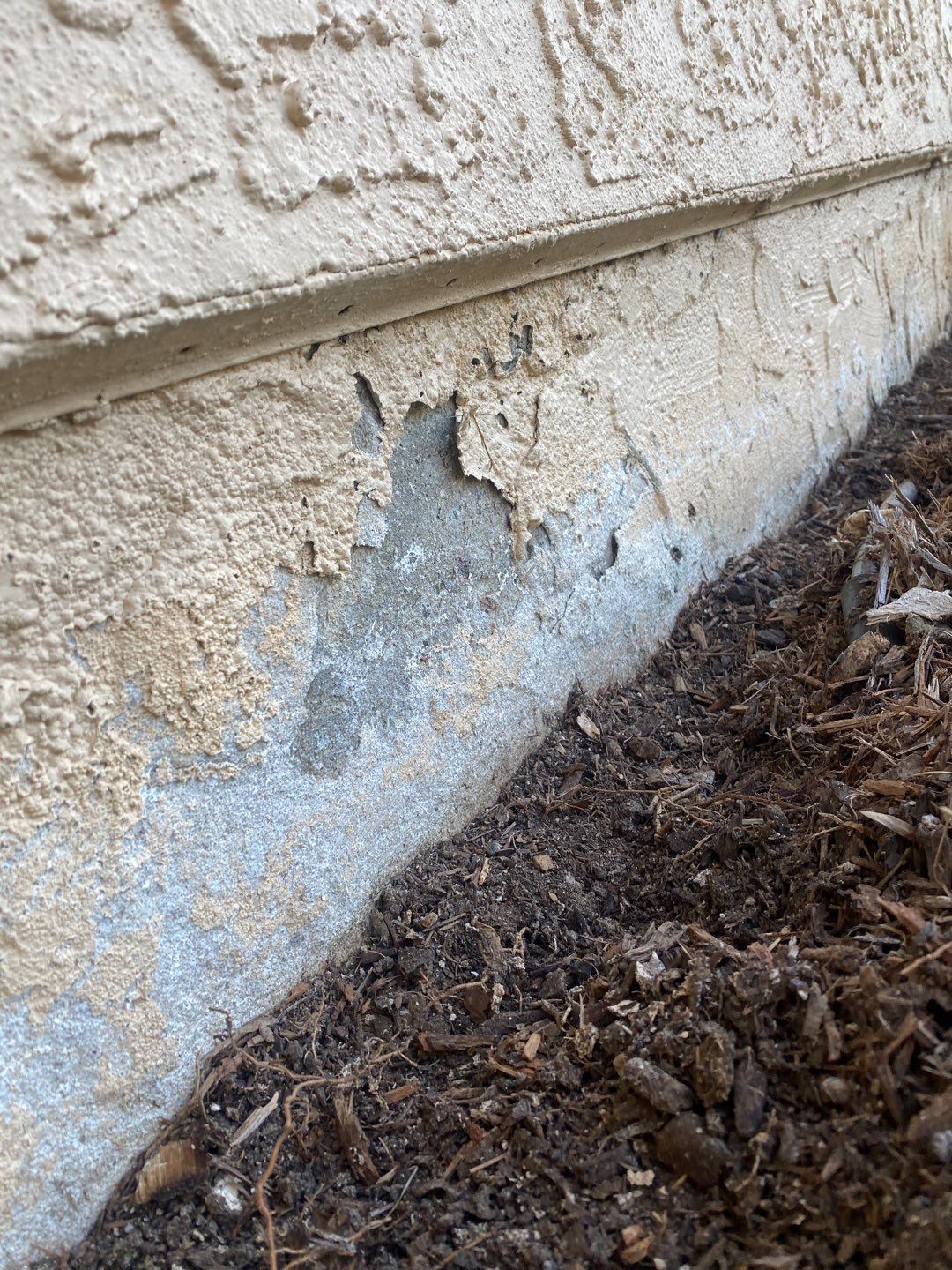
- Are you painting masonry? Masonry primer will make your life infinitely easier and your project infinitely more successful.
- Covering slick surfaces - Remember that word “adhesion”? If you are painting a glossy, smooth surface, a bonding primer is essential.
- Covering stains and/or repairs - As we touched on above, primer is absolutely necessary if you are covering over blemishes of any sort.
Painting is certainly a project worth doing well! You will never regret taking the extra time to properly and effectively transform your surface.
Tell us about your project
Tell Us About Your Project
Contact us today to schedule a visit from one of our estimators! We’ll come to your home and provide a detailed estimate.
(858) 454-3850