What to Know Before Repainting a Historic or Character Home in La Mesa
Last Updated: September 9, 2026
Before repainting a historic or character home in La Mesa, homeowners should evaluate original details, older coatings, woodwork, previous repairs, color choices, and any preservation or community requirements before changing exterior features.
Older homes often have details that newer homes do not. Wood trim, original windows, doors, porch elements, fascia, eaves, railings, masonry accents, stucco texture, and decorative features can all shape the character of the property. A repaint should refresh and protect the home, but it should not accidentally erase the details that make the home feel special.
For La Mesa homeowners, this can be especially important in mature neighborhoods where older homes may have original materials, unique exterior details, or visible features that deserve a thoughtful plan. A professional exterior painting project should consider preparation, repairs, color placement, and preservation-sensitive decisions before paint goes on.
Start by Identifying What Gives the Home Its Character
Before choosing paint colors or planning repairs, homeowners should look at the features that make the home feel distinct. These details may be architectural, decorative, or material-related.
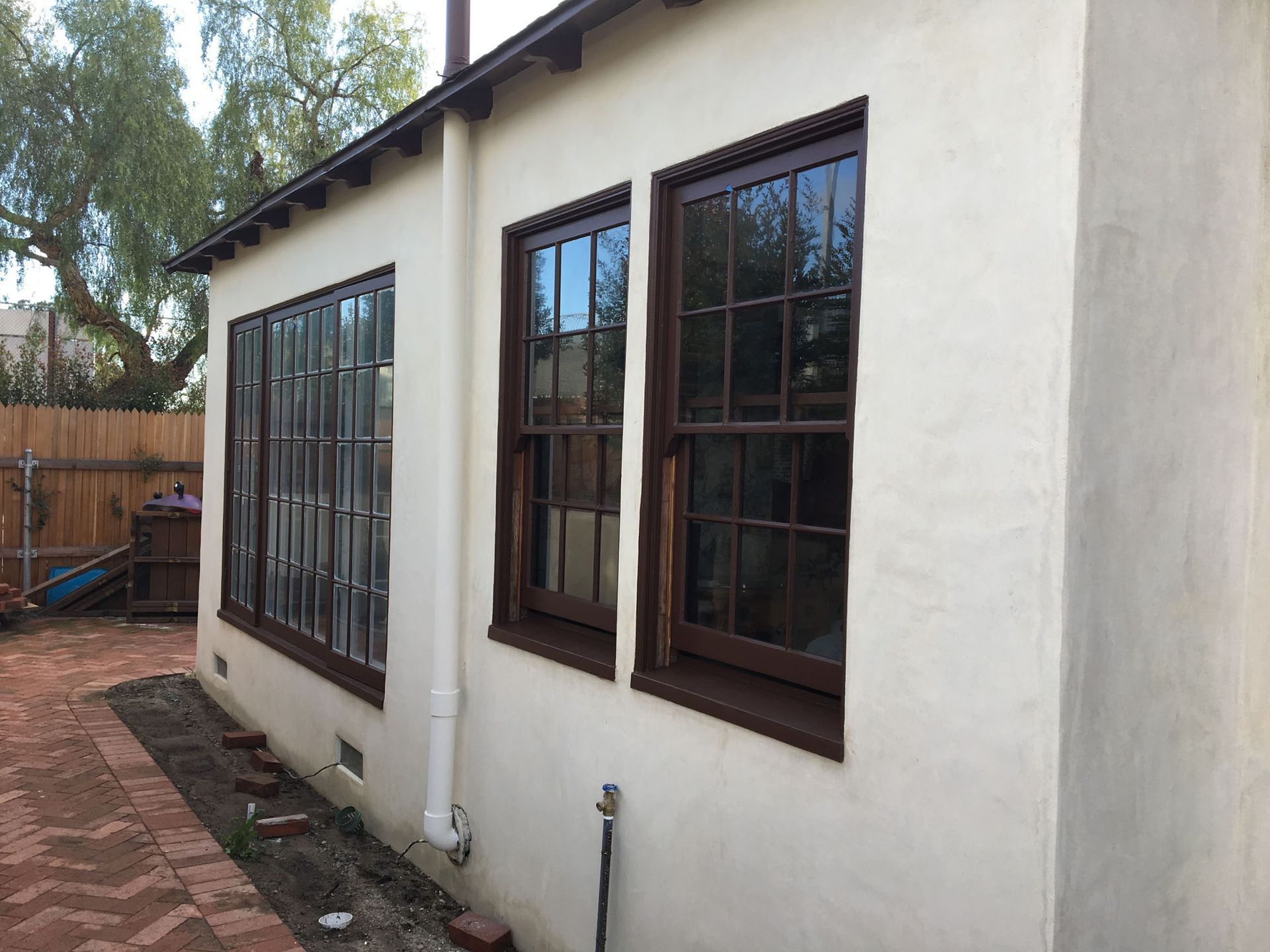
Original wood trim, window casings, doors, porch columns, railings, eaves, exposed rafter tails, stucco texture, masonry accents, shutters, built-ins, and other exterior details can all contribute to the home’s style. Some may look ordinary at first glance, but once they are removed, covered, or painted without contrast, the home can lose part of what made it appealing.
The goal is not to freeze the home in time. It is to refresh the exterior in a way that respects the details already there. A good repaint should make those features look cared for, not hidden.
Check Whether Any Historic or Community Requirements Apply
Some La Mesa homes may be subject to preservation guidelines, historic review, HOA rules, or neighborhood expectations, depending on the property. This article is not legal or permitting advice, but homeowners should confirm whether any requirements apply before changing colors, materials, or visible exterior features.
This is especially important if the project involves changing the color scheme, painting previously unpainted materials, replacing original woodwork, altering porch details, or making visible exterior repairs. A change that seems small during the project can stand out once the full exterior is finished.
It is better to verify expectations before work begins, not after paint or repairs have already changed the home’s appearance.
Older Coatings May Need Special Evaluation
Historic and older homes may have many layers of paint or coatings from past projects. Some layers may be well bonded, while others may be brittle, chalky, peeling, glossy, or failing underneath.
Older coatings can affect adhesion, texture, and the amount of prep required before repainting. A painter may need to clean, scrape, sand, stabilize, prime, or carefully prepare certain areas before new paint is applied. Skipping that evaluation can cause the new finish to inherit the problems of the old coating system.
Repainting an older home is not just about applying a new color over the existing surface. The existing paint has to be reviewed first so the new coating has a stable surface to bond to.
Original Woodwork Should Not Be Replaced Too Quickly
Older homes may have woodwork that is difficult to replicate today. Trim profiles, doors, window casings, porch details, railings, fascia, and decorative elements may be part of the home’s value and character.
Weathered wood is not always failed wood. If it is still solid, it may be repaired, sanded, primed, painted, or refinished. Replacement may be needed when the wood is soft, rotted, severely split, warped, missing, or no longer able to hold paint.
This is where a careful evaluation matters. Chism Brothers’ historic restorations service may be relevant when a project involves original woodwork, older coatings, stucco repair, wood siding, trim repair, or other details that need a more preservation-minded approach.
Repairs Should Match the Home’s Existing Details
Repairs on character homes should be planned with the original materials, profiles, and proportions in mind. A repair that technically fixes the issue can still look wrong if it uses mismatched trim, an incompatible stucco texture, or a finish that does not match the surrounding detail.
For example, replacing a damaged trim section with the wrong profile can make one area look newer in the wrong way. Patching stucco without blending texture can leave a visible repair line. Painting over details that were meant to stand out can flatten the home’s architecture.
Repair quality affects both durability and character. The best repair is one that solves the problem while still looking like it belongs on the home.
Be Careful Before Painting Masonry or Previously Unpainted Features
Some older homes include brick, stone, concrete, tile, or other masonry details that may be part of the original design. Painting these materials can be a major visual change, and it may not always be easy to reverse.
That does not mean homeowners should never paint masonry. It means the decision should be made carefully. In many cases, cleaning the material, repairing nearby surfaces, or choosing colors that complement the masonry may be a better first step than coating it.
Previously unpainted materials can add texture and contrast to an older home. Once they are painted, the home may look cleaner, but it may also lose some of its original depth and detail.
Windows and Doors Deserve Special Attention
Windows and doors often carry a lot of a home’s character. Older wood windows, front doors, trim, casings, sills, and thresholds may need careful evaluation before painting or replacement.
Peeling paint, cracked caulk, sticking doors, soft sills, and damaged trim should be addressed before finish coats are applied. If the door or window is original and still functional, repair and painting may preserve more character than replacement.
This applies inside the home as well. If the project includes interior trim, built-ins, or older woodwork, interior painting should be coordinated with the same level of care so the home feels consistent rather than pieced together.
Stucco, Siding, and Trim May Need Different Prep
Older La Mesa homes may include a mix of stucco, wood siding, trim, masonry, metal railings, porch features, and decorative details. These surfaces should not all be prepared the same way.
Stucco may need crack repair, cleaning, texture blending, and primer in patched areas. Wood may need scraping, sanding, caulking, repair, or replacement. Metal may need rust or corrosion prep. Masonry may need cleaning or careful evaluation before any coating decision.
The best repainting plan responds to each material instead of treating the exterior as one simple color change. That helps the finished project look cleaner and perform better over time.
Previous Repairs May Become More Visible After Painting
Older homes often carry years of repairs from previous owners, contractors, window changes, roofline work, stucco patches, plumbing updates, or past paint jobs. Fresh paint can make the home look cleaner, but it can also make uneven repairs more noticeable.
Mismatched stucco texture, rough trim patches, thick paint buildup, old caulk lines, filled holes, inconsistent trim profiles, and repairs that do not match the original detail can all stand out after repainting. These issues are easier to address before the finish coats go on.
Prep should include identifying which older repairs should be cleaned up, blended, repaired, or left alone. Not every imperfection needs major work, but the noticeable ones should be discussed before painting begins.
Color Choices Should Support the Home’s Architecture
Color can either highlight a home’s original character or make it feel less cohesive. Homeowners should think about how the body color, trim color, accent color, doors, porch details, roof color, masonry, and landscaping work together.
Character homes often benefit from a thoughtful color plan rather than a trendy color applied everywhere. Trim, doors, railings, and architectural details may deserve careful contrast, but too many accent colors can make the home feel busy.
A paint color consultation can be helpful when homeowners want the repaint to feel updated while still respecting the home’s age, architecture, and surrounding materials. The goal is for the color to support the style of the home, not fight it.
Preparation May Take Longer Than Expected
Historic and older homes often require more prep than newer homes because of older coatings, layered paint, wood repairs, caulking, surface damage, and detail work. This can affect both timeline and cost.
More prep is not a bad sign. It often means the painter is taking the time to protect original materials and create a better surface for the new coating. Scraping loose paint, sanding rough edges, repairing wood, blending patches, and priming problem areas can all help the finished project look more intentional.
Homeowners should expect the estimate to account for prep, not just paint application. On an older home, the quality of the preparation often has the biggest impact on the final result.
When Painting Is Enough and When Restoration May Be Needed
Some older homes only need a careful repaint. Others may need more involved restoration or repair before painting makes sense.
Painting may be enough when the surfaces are stable, the wood is solid, coatings are mostly bonded, repairs are minor, and the homeowner is keeping the same overall character. Restoration or more detailed repair may be needed when original details are damaged, paint is failing in multiple layers, wood is deteriorated, stucco patches are poor, or previous updates have changed the home’s appearance in a way the homeowner wants to correct.
Repainting and restoration can overlap, but they are not always the same scope. The estimate should make clear whether the project is primarily a repaint, a repair-heavy repaint, or a more detailed restoration effort.
What to Clarify Before Work Begins
Before repainting a historic or character home, homeowners should clarify whether any historic, HOA, or community requirements apply. They should also identify which original features should be preserved, which surfaces need repair, and whether any previously unpainted features should remain unpainted.
It is also important to ask how older coatings will be prepared, how repairs will be handled, and how the painter will approach details that contribute to the home’s character. The estimate should help homeowners understand what is being painted, what is being repaired, what should be preserved, and what decisions should be made before the project starts.
A clear plan helps prevent rushed decisions once prep work has already begun.
Talk With a La Mesa Painting Company Before Repainting
Historic and character homes benefit from a professional evaluation before repainting. A painter can help identify original details, older coatings, failing caulk, wood damage, stucco repairs, previous patchwork, and surfaces that need special preparation.
Speaking with an experienced La Mesa painting company can help homeowners understand how to refresh an older home without covering, replacing, or overlooking the features that give it character.
Chism Brothers Painting can evaluate original woodwork, trim, doors, stucco, masonry accents, older coatings, repairs, and preservation-sensitive details before recommending the right repainting plan.
Repaint Your La Mesa Character Home With Care
If you are planning to repaint a historic, older, or character-rich La Mesa home, Chism Brothers Painting can inspect the exterior and recommend a thoughtful painting plan. They can review original details, woodwork, coatings, stucco, trim, masonry, repairs, color placement, and preparation needs so the home is refreshed without losing the character that makes it special.
Reach out today for a
free, no-obligation estimate. Chism Brothers can help you decide what should be preserved, what should be repaired, and how to repaint your La Mesa home with care.


Tell us about your project
Tell Us About Your Project
Contact us today to schedule a visit from one of our estimators! We’ll come to your home and provide a detailed estimate.
(858) 454-3850