Updating a La Mesa Kitchen? When Should Cabinet Painting Happen?
Last Updated: September 9, 2026
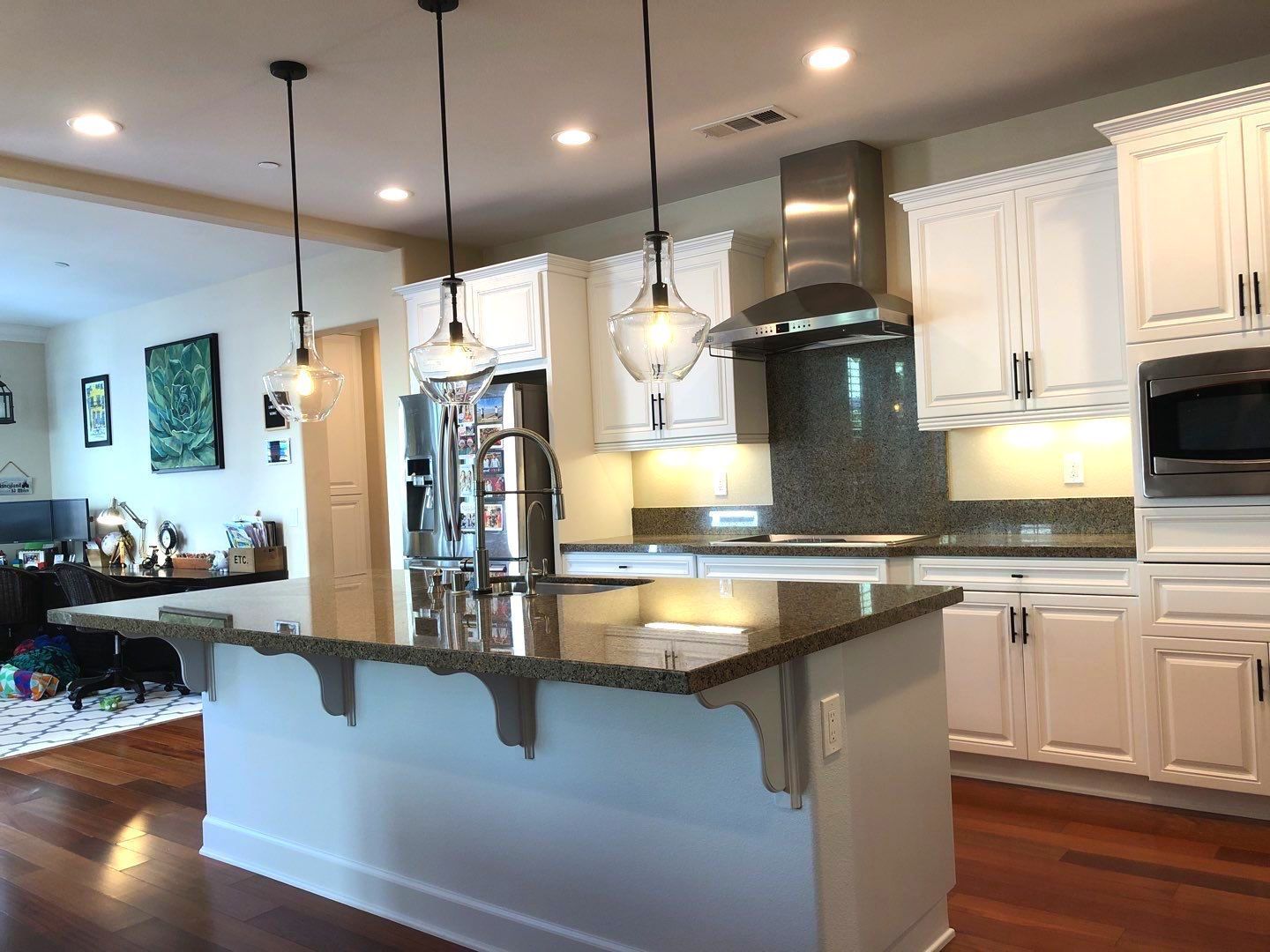
Cabinet painting should usually happen after major kitchen construction, carpentry, countertop, backsplash, and flooring work are planned or completed, but before final hardware installation and final touch-ups so the finish is protected and the project looks complete.
For many homeowners, cabinet painting and refinishing can make a kitchen feel dramatically updated without replacing the cabinets. However, timing matters. Kitchen updates often involve surfaces, tools, trades, and materials that work close to cabinet doors, drawer fronts, boxes, toe kicks, and trim.
In La Mesa, many homeowners are updating existing kitchens rather than starting from scratch. When the cabinets are still functional but the room feels dated, painting can be a smart part of the refresh. The key is making sure the cabinet finish is not damaged by countertop work, backsplash installation, flooring changes, hardware updates, or other improvements that should have happened first.
Why Cabinet Painting Should Be Scheduled Carefully
Cabinet painting is a finish step, not just a quick color change. Once cabinets are cleaned, sanded, primed, painted, and given time to cure, the surface should be protected from construction dust, tools, adhesive, tile work, countertop installation, flooring work, and hardware changes.
Painting too early can lead to scratches, chips, dust contamination, caulk lines, or extra touch-ups after other work is complete. Painting too late can also be inconvenient if the kitchen has already been reassembled and appliances, hardware, counters, or adjacent finishes need to be protected.
The best timing comes from looking at the full kitchen update. Cabinet painting should fit into the project schedule instead of being treated as a separate task that can happen at any point.
Start With the Full Kitchen Scope
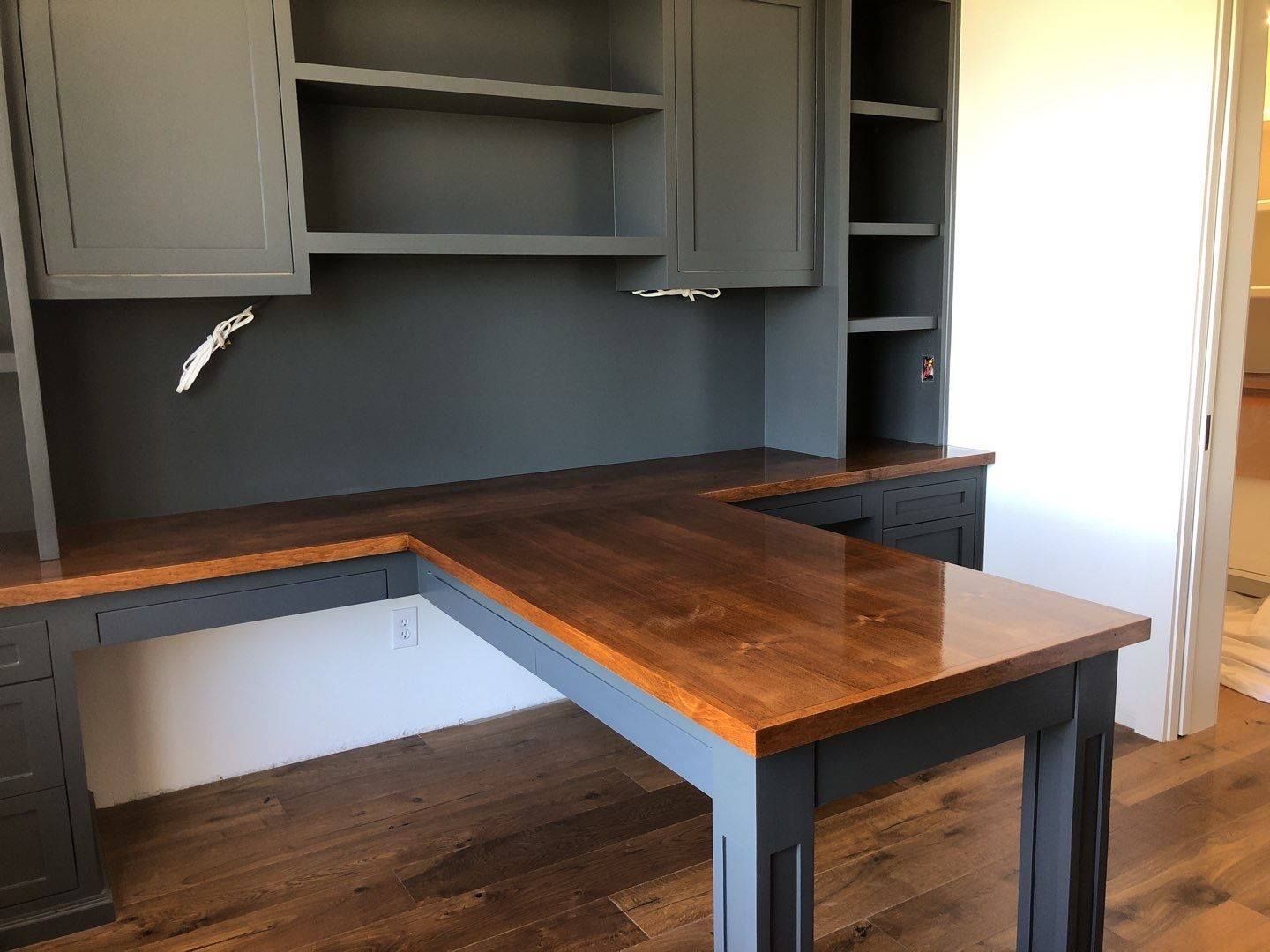
Before scheduling cabinet painting, homeowners should list everything they plan to update. Cabinet painting may be affected by countertop replacement, backsplash installation, flooring, lighting, plumbing fixtures, appliance changes, cabinet repairs, trim, hardware, and wall painting.
If the only planned update is cabinet painting, the schedule may be fairly straightforward. If several improvements are happening, the order matters more because each trade may touch nearby surfaces or create dust and debris. For example, tile work near freshly painted cabinet edges can create unnecessary risk, while hardware changes after painting may require drilling into a finished surface.
Homeowners do not need to have every design detail finalized before talking with a painter, but they should know which projects are definitely happening and which are still being considered.
Handle Cabinet Repairs and Carpentry First
Any cabinet repairs, carpentry changes, or modifications should usually happen before painting. This includes fixing damaged doors, replacing drawer fronts, adjusting hinges, repairing boxes, filling old hardware holes, adding trim, modifying panels, or changing cabinet layout details.
Paint can make cabinets look newer, but it should not be used to hide loose doors, damaged boxes, failing shelves, or poor function. If old hardware holes need filling or new pulls require different spacing, that should be addressed before the finish coats are applied.
The cabinets should be structurally ready before they are refinished. Otherwise, the finished paint may need to be cut, patched, sanded, or touched up shortly after the work is complete.
Countertops Usually Come Before Final Cabinet Painting
Countertop work can affect nearby cabinet surfaces. Removing old counters, installing new slabs, adjusting edges, adding support, or working around sinks and appliances can create dust, adhesive, tools, and movement close to the cabinets.
In many cases, it makes sense to finalize or complete countertop work before cabinet painting, especially if the existing counters are being removed. This reduces the chance of damaging a fresh cabinet finish during installation.
Every kitchen is different. If countertops are staying, cabinet painting may be scheduled sooner. If countertops are being replaced, the painter and contractor should coordinate the best order so the cabinets are not refinished too early.
Backsplash Work Can Damage or Dirty Finished Cabinets
Backsplash installation often happens close to upper and lower cabinets. Tile cutting, grout, adhesive, dust, scraping, and cleanup can affect cabinet faces, end panels, and nearby painted surfaces.
If cabinets are painted before the backsplash, they need to be carefully protected. Even then, minor touch-ups may be needed afterward. This is especially true when tile edges, caulk lines, or wall repairs meet the cabinet sides or lower edges.
Whenever possible, avoid putting a freshly finished cabinet surface directly in the path of tile work. If backsplash work must happen after cabinet painting, the schedule should include careful masking, protection, and a plan for final touch-ups.
Flooring Can Affect Base Cabinets and Toe Kicks
Flooring work can affect the bottom of the cabinets, toe kicks, baseboards, quarter round, transitions, and nearby painted surfaces. If flooring is being removed or replaced, it can create dust, scuffs, and tool contact near the lower cabinets.
Homeowners should confirm whether flooring will run under or up to the cabinets, whether toe kicks will be removed or replaced, and whether trim will need painting after flooring is complete. These decisions can change what needs to be painted and when.
Cabinet painting should be coordinated with flooring so the lower cabinet areas do not need unnecessary touch-ups later. This is especially important when the cabinet color is changing and every edge or toe-kick detail will be more noticeable.
Wall Painting Should Be Coordinated With Cabinet Painting
Kitchen wall painting and cabinet painting often overlap, but they are different scopes. Walls may need patching, priming, and repainting after backsplash, electrical, lighting, or countertop work.
Depending on the project, interior painting may happen before or after cabinet painting. The right order depends on which surfaces are changing, what needs masking, and whether wall repairs are still being made. If both the wall color and cabinet color are changing, they should be considered together so the room feels cohesive.
This is also a good time to think through the overall color palette. Cabinets, walls, trim, backsplash, countertops, flooring, lighting, and hardware all influence how the finished kitchen feels. A professional paint color consultation may be helpful if the homeowner is unsure how the cabinet color will work with the rest of the room.
Hardware Should Be Chosen Before Painting
Cabinet hardware should be selected before painting whenever possible. If the homeowner is switching from knobs to pulls, changing hole spacing, or updating hinges, those decisions can affect prep.
Old holes may need to be filled, sanded, and primed before painting. New holes should be planned carefully so finished doors and drawers are not damaged after painting. If hinges are being replaced or adjusted, that should also be discussed before the finish work begins.
Choosing hardware early helps the cabinet painter prep the doors and drawers for the final design instead of making changes after the new coating is already in place.
Appliances and Fixtures Can Affect the Schedule
New appliances, sinks, faucets, and lighting may affect cabinet access, spacing, and nearby surfaces. Appliance delivery and installation can scratch or bump freshly painted cabinets if the timing is not planned.
If new appliances are being installed, homeowners should consider whether cabinet modifications, panels, fillers, or touch-ups will be needed. A refrigerator panel, range opening, dishwasher fit, or sink cabinet change can all affect the surrounding finish.
It may be better to complete appliance-related adjustments before cabinet painting or to plan final touch-ups afterward. The main goal is to avoid finishing the cabinets before all major fit and access issues are resolved.
Cabinet Painting Should Usually Happen Near the End
Cabinet painting is often best scheduled after the messier work is complete and before the kitchen is fully reassembled. This protects the finish while still allowing final hardware installation, detail work, and cleanup to happen in the right order.
A practical sequence may look like this:
- Finalize the kitchen update scope.
- Complete cabinet repairs or modifications.
- Replace countertops if they are changing.
- Complete backsplash or messy wall work.
- Complete flooring or toe-kick changes that affect cabinets.
- Paint walls or coordinate wall painting with cabinet work.
- Paint or refinish the cabinets.
- Install final hardware carefully.
- Complete final touch-ups and cleanup.
The exact order can vary, but cabinet painting should generally happen after the work most likely to damage the finish. That keeps the project cleaner and reduces unnecessary rework.
When Cabinet Painting Can Happen Earlier
Cabinet painting can happen earlier if the rest of the kitchen work is limited. For example, if the countertops, backsplash, flooring, and appliances are staying in place, cabinet painting may be the main update.
It may also happen earlier when the cabinet finish needs to be completed before a later design decision, but homeowners should understand that future trades may require protection and possible touch-ups.
Painting earlier is possible, but it should be a conscious decision based on the remaining work. The more activity still planned around the cabinets, the more carefully the finish needs to be protected.
Think About Cure Time and Daily Use
Cabinet finishes need time to cure and should be treated carefully after painting. Even when cabinets are dry to the touch, homeowners should avoid heavy use, aggressive cleaning, or rough hardware installation too soon.
Kitchen schedules should account for this. If other contractors need to handle tools, tile, counters, appliances, or hardware near the cabinets immediately after painting, the finish may be more vulnerable.
The cabinet finish needs time and protection after the painting work is complete. Planning for that window helps homeowners avoid chips, marks, and frustration right at the end of the project.
What to Clarify Before Scheduling Cabinet Painting
Before scheduling cabinet painting, homeowners should clarify which kitchen projects are happening, which trades still need access to the cabinets, and whether repairs, hardware changes, countertop work, backsplash work, flooring changes, or wall painting will affect the finish.
The estimate should help the homeowner understand where cabinet painting fits into the overall kitchen timeline. It should also clarify what preparation is included, how surrounding surfaces will be protected, and when final touch-ups should happen.
A clear plan makes the finished kitchen feel more intentional. It also helps prevent the cabinets from being painted too early, damaged by nearby work, or touched up repeatedly after the main project is done.
Talk With a La Mesa Cabinet Painter Before Finalizing the Timeline
Homeowners should consider a professional cabinet painter when cabinets need careful prep, repairs, old hardware holes filled, color changes, smooth finish work, or coordination with other kitchen upgrades.
Speaking with a La Mesa painting company can help you understand whether your existing cabinets are good candidates for painting and when the work should happen around countertops, backsplash, flooring, hardware, carpentry, and other kitchen improvements.
Chism Brothers Painting can review cabinet condition, prep needs, repairs, surrounding surfaces, and project sequencing before recommending the best timing for the work.
Plan Your La Mesa Cabinet Painting Project With Chism Brothers Painting
If you are updating a La Mesa kitchen, Chism Brothers Painting can help determine the right timing for cabinet painting and identify what should happen before the finish is applied. They can review cabinet condition, repairs, hardware plans, surrounding surfaces, prep needs, and project sequencing so the painted cabinets are protected and the finished kitchen feels cohesive.
Reach out today for a
free, no-obligation estimate. Chism Brothers can give you honest guidance on when to paint your cabinets, what should be completed first, and how to plan the project with fewer avoidable touch-ups.


Tell us about your project
Tell Us About Your Project
Contact us today to schedule a visit from one of our estimators! We’ll come to your home and provide a detailed estimate.
(858) 454-3850