Should You Repaint Your Poway Property All at Once or Tackle It in Phases?
Last Updated: September 9, 2026
Poway homeowners may benefit from repainting the full property at once when surfaces are ready and the budget allows, but phasing can be smarter when the house, fences, gates, patio structures, or detached features have different repair needs, access issues, or maintenance priorities.
Larger Poway properties often have more exterior surfaces to think about than the main house. Fences, gates, patio covers, pergolas, detached garages, sheds, railings, and other structures may all need attention at different times. Treating every surface as one identical project can lead to unnecessary cost, rushed decisions, or painting areas that are not ready yet.
Because many Poway properties have larger lots, open-space edges, rural-style features, slopes, or more exterior wood and fencing, exterior painting should be planned as a property-wide maintenance decision rather than a simple house repaint.
Start With What Actually Needs Protection First
The first priority should be surfaces that are actively deteriorating, not necessarily the surfaces that are easiest or most visible. Paint and coatings help protect exterior materials, so peeling paint, exposed wood, cracked stucco, rusting metal, and failed caulk should move higher on the list.
Cosmetic updates can often wait, but surfaces that are no longer protected may become more expensive to repair if ignored. A fading fence may be less urgent than fascia with exposed wood. A detached shed with minor discoloration may not need attention as quickly as a patio cover with soft boards or peeling paint over bare wood.
Before deciding whether to paint everything together or in stages, homeowners should separate urgent maintenance from appearance-only updates. That makes the project easier to prioritize and helps prevent money from going toward the wrong surfaces first.
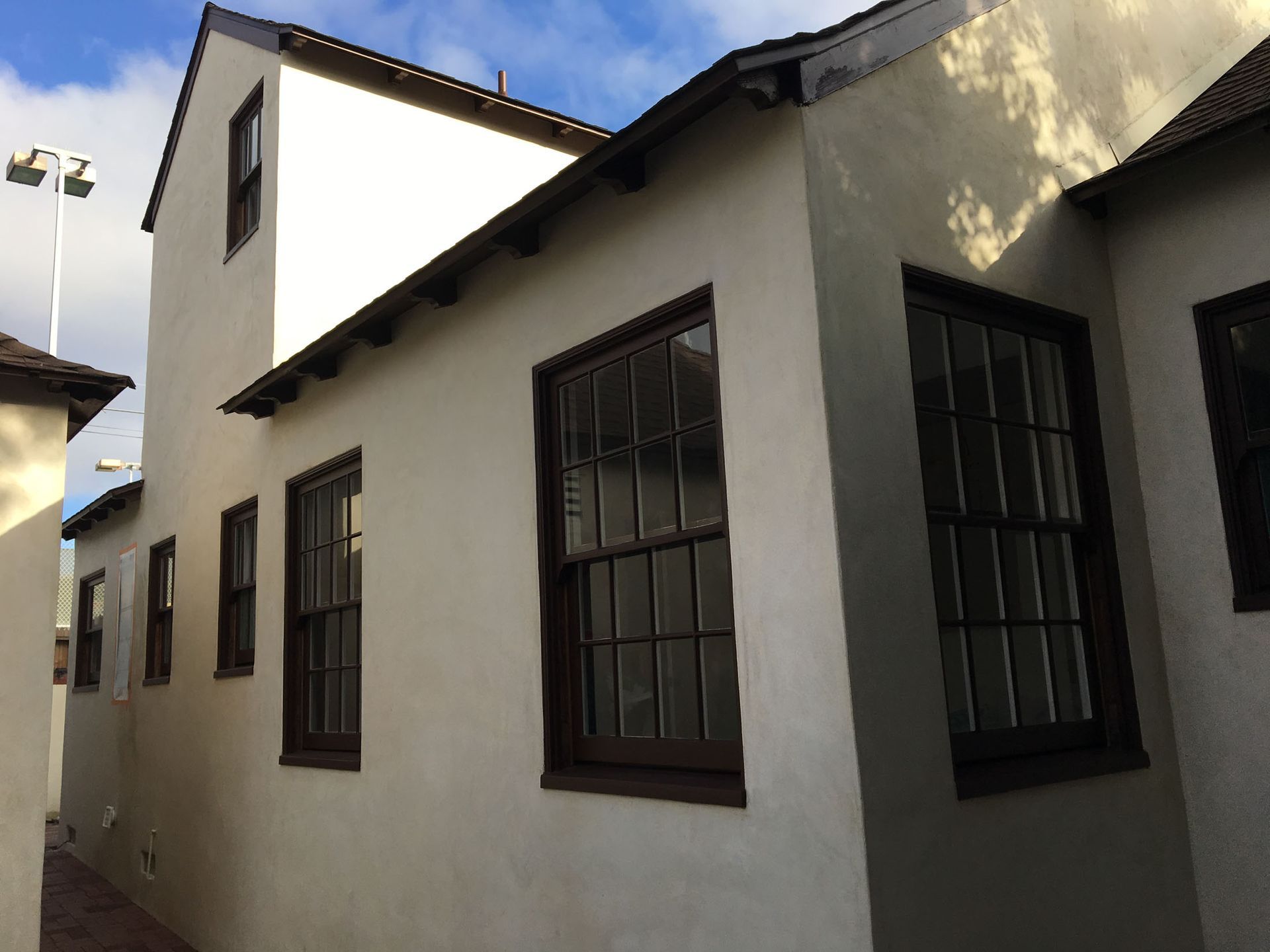
When Repainting Everything at Once Makes Sense
One larger project can make sense when the main house and surrounding features are all ready for painting or staining. This can be especially helpful when the homeowner wants a more consistent look across the property.
A full-property repaint may be practical when the house, fences, gates, and patio structures are in stable condition, access is clear, colors need to coordinate, and the homeowner wants to reduce repeated setup. It can also make sense if the property is being prepared for sale, updated for long-term maintenance, or refreshed after vegetation clearing or landscaping work.
Painting everything together can reduce repeated scheduling, masking, cleanup, and disruption. It can also prevent one worn surface from standing out after another has been refreshed. If the home looks new but the front gate, patio cover, or fence line still looks weathered, the property may not feel fully finished.
When Phasing the Work May Be Smarter
Phasing can be the better choice when different surfaces are in very different condition. The house may need paint now, while the fence may need replacement later. Or the gates may need hardware repair before they can be coated properly.
Phasing may also make sense when the budget needs to be spread out, exterior repairs are still pending, vegetation clearing is not finished, or some areas are difficult to access. Larger properties may have fence lines, sheds, patio covers, or detached structures that are less urgent than the main home.
A phased approach is not a downgrade when it is planned intentionally. It can help homeowners put money toward the right surfaces at the right time. The problem is not phasing. The problem is painting a surface right before it is repaired, replaced, damaged, or blocked by another project.
Evaluate the Main House Separately
The home itself should usually be evaluated first because it protects the living space and often has the highest visual priority. A painter should check the stucco, trim, fascia, eaves, doors, windows, garage areas, caulking, and previous repairs before deciding where the house fits in the project order.
If the main house has peeling paint, exposed wood, cracked stucco, failed caulk, or chalky coatings, it may need to come before fences or decorative exterior features. Those issues can affect protection, not just appearance.
If the house is still in strong condition, the homeowner may decide to focus first on fences, gates, patio structures, or detached buildings that are showing more wear. The main house does not always have to be painted first, but its condition should be clearly understood before other surfaces are prioritized.
Fences May Not All Need the Same Timing
Long fence lines can age unevenly. A front-facing fence may need attention for curb appeal, while a back fence near open space may show more weathering, vegetation contact, or irrigation-related wear.
Some fence sections may only need cleaning and recoating. Others may be loose, rotted, leaning, or too damaged to justify painting. If parts of the fence may be replaced soon, painting those sections too early can waste money.
Solid fences can often be included in a larger painting or staining project. Failing sections should be repaired or replaced before coating. If the property includes fences, gates, railings, deck areas, or patio structures that need more than basic paint prep, Chism Brothers’ specialty services may also be worth discussing during the estimate.
Gates and Hardware Should Be Planned Carefully
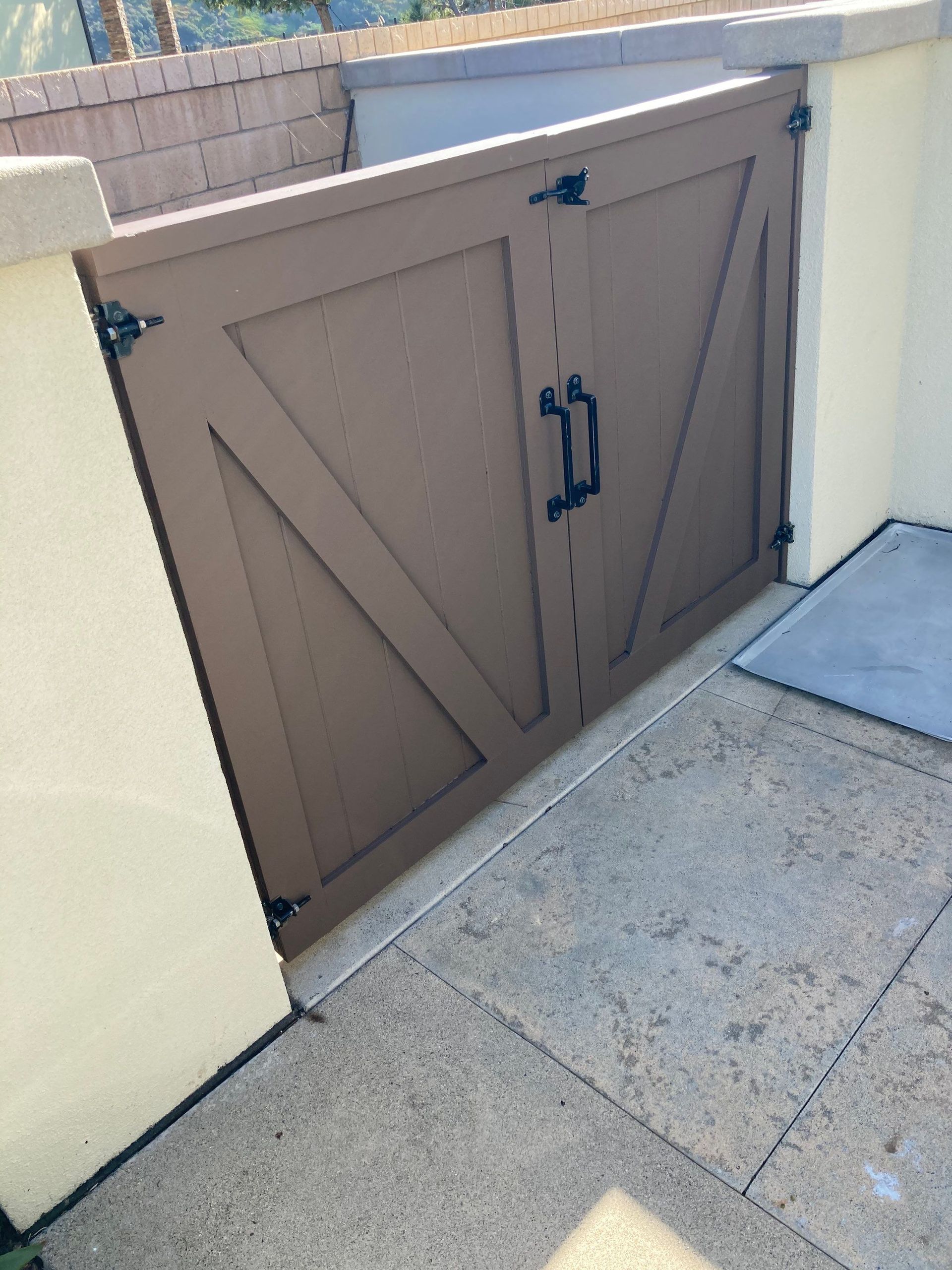
Gates wear differently because they move, latch, scrape, and get handled regularly. A gate may need hinge adjustment, latch repair, rust treatment, sanding, wood repair, or hardware replacement before painting or staining.
If a gate is sagging or rubbing against the ground, fresh paint may be scratched almost immediately. If metal hardware is rusting, that should be addressed before the finish coating goes on. If a wood gate is soft near the bottom or split near the frame, coating it may not solve the real problem.
Gates should not be treated as just another fence panel. Their function and hardware affect both timing and prep.
Patio Covers, Pergolas, and Detached Structures May Need Their Own Scope
Patio covers, pergolas, detached garages, sheds, workshops, pool houses, and similar structures should be inspected separately. These areas may have different materials, coatings, sun exposure, moisture issues, or repair needs than the main house.
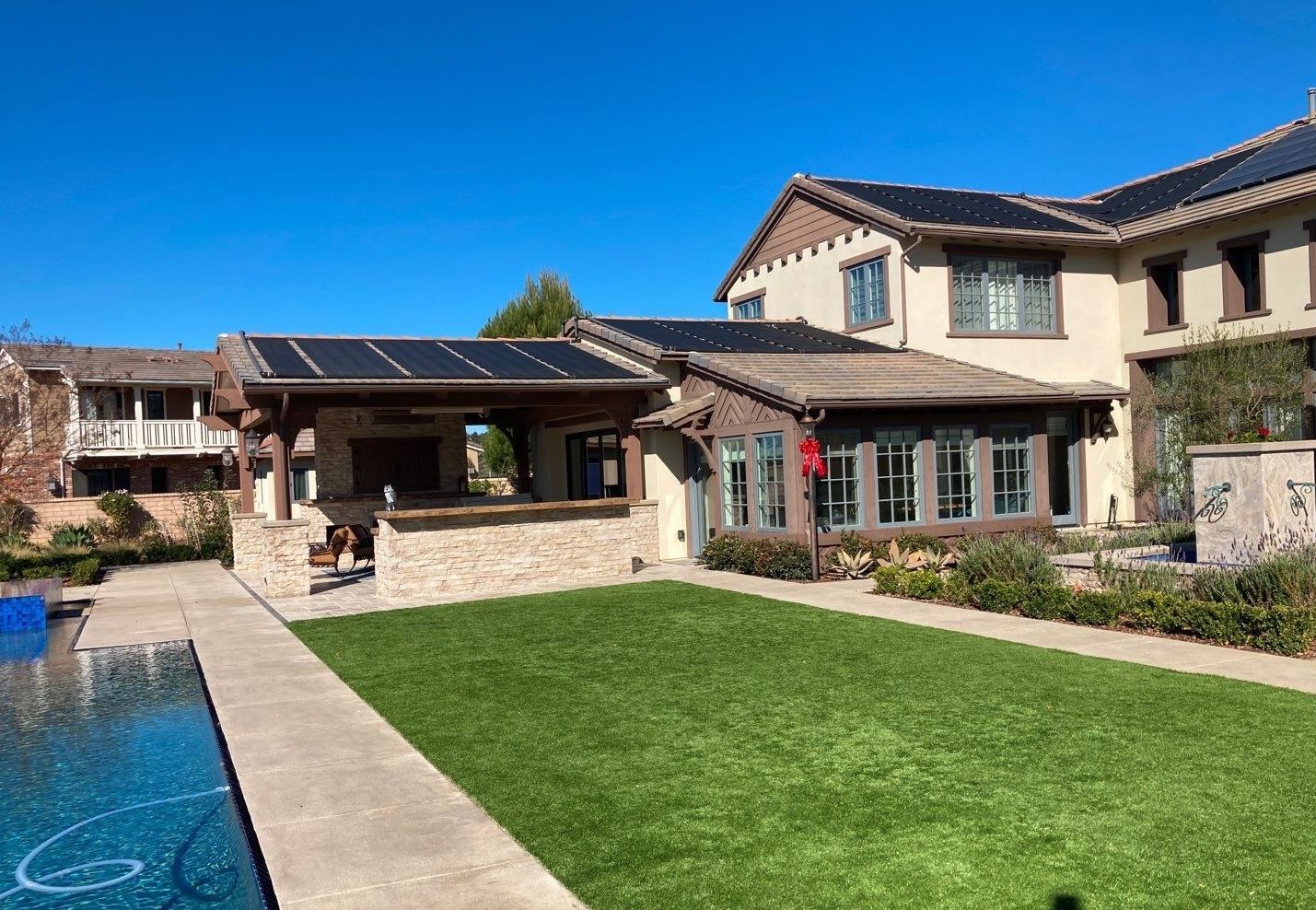
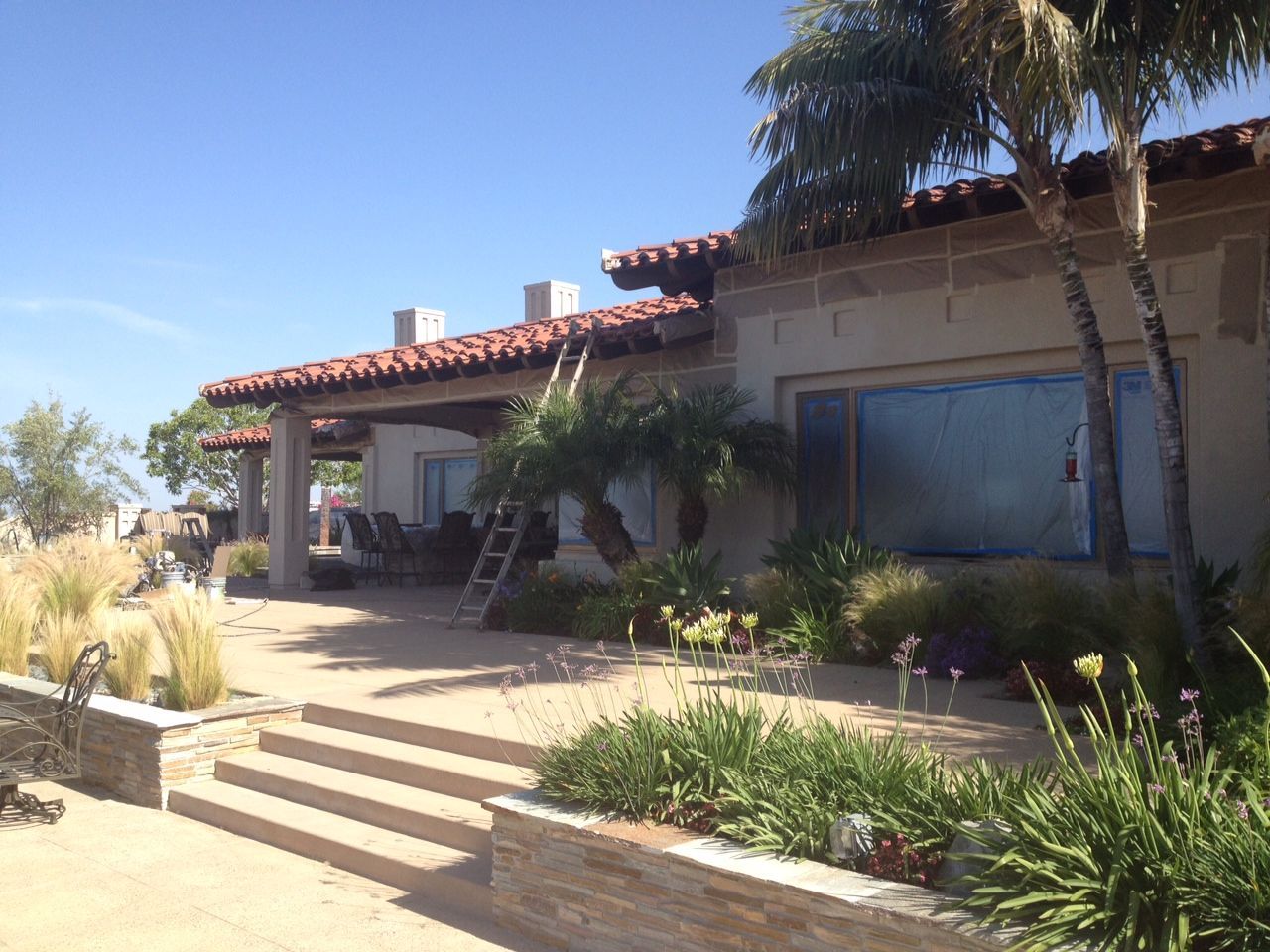
Patio structures attached to the home may need to be coordinated with the house painting plan so connection points, trim, fascia, and nearby stucco are handled in the right order. Detached structures may be less urgent if they are sound, but they should not be ignored if peeling paint, exposed wood, failed caulk, or weathered trim is present.
Each structure should have its own condition review before being added to a full-property repaint. That keeps the scope organized and helps homeowners decide what belongs in the current phase.
Access Can Affect Whether One Project or Phases Make Sense
Access matters more on larger or rural-style Poway properties. Long driveways, gates, slopes, uneven ground, open-space edges, vegetation, retaining walls, and narrow side yards can all affect how painters reach surfaces.
If access is clear, combining work may be efficient. If vegetation clearing, defensible-space work, hardscape changes, or fence repairs still need to happen, phasing may be more practical. A surface should be painted when it can be reached, prepared, protected, and finished properly.
This is especially important when detached structures or fence lines are far from the main house. The estimate should account for how crews will move equipment, stage materials, protect surfaces, and complete prep in each area.
Coordinate Repairs Before Final Paint
Repairs should happen before final painting whenever possible. This includes stucco patching, fascia repair, trim replacement, fence repair, gate adjustment, patio-cover repair, rust treatment, caulking, and wood replacement.
If repairs happen after painting, the homeowner may end up with mismatched touch-ups, scuffed surfaces, or duplicated labor. This is especially important when the house, fences, and outdoor structures are close together or share access paths.
Paint should finish and protect repaired surfaces, not cover problems that still need work. When the repair sequence is planned first, the final coating has a better chance of looking clean and lasting as expected.
Budget Should Be Balanced With Condition
Budget is one of the main reasons homeowners phase exterior painting. This is reasonable, especially on larger properties with many surfaces. However, the project should not be phased in a way that delays urgent maintenance.
A helpful way to think about the property is to separate surfaces into three groups: areas that need attention now, areas that can wait, and areas that may need repair or replacement before coating. This keeps the plan realistic without ignoring problems that could become more expensive later.
Phasing can help manage cost, but condition should guide the order. It may not make sense to delay failing fascia so a fence can be painted at the same time. It also may not make sense to paint a fence this year if replacement is already likely next year.
Color Consistency Matters More on Larger Properties
Repainting everything at once can help create a coordinated look, especially when the home, fences, gates, and structures are visible together. However, everything does not need to be the same color.
The main house, trim, gates, fencing, patio cover, detached structures, roof, masonry, hardscape, and landscape should all be considered together. A fence may look better when it blends into the property. A gate may work as a subtle accent. A detached structure may look best when it connects visually to the main house without competing with it.
A phased plan can still look intentional if colors and finishes are planned from the beginning. Even if the work happens over time, the color plan should be property-wide.
A Practical Phasing Order for Poway Properties
The exact order may change depending on the property, but the principle stays the same: repair first, protect urgent surfaces, and avoid painting areas that are about to be disturbed.
A practical order may look like this:
- Address surfaces with active damage, peeling paint, exposed wood, cracked stucco, or rust.
- Prioritize the main house if its protective coating is failing.
- Repair or replace damaged fence sections, gates, trim, or patio-cover wood.
- Complete vegetation clearing, irrigation adjustments, or access improvements.
- Paint the house and most visible or urgent structures first.
- Recoat fences, gates, and patio structures once they are stable and accessible.
- Save lower-priority cosmetic areas for a later phase if the budget requires it.
This helps homeowners avoid painting surfaces that are not ready or likely to be damaged by later work.
What to Clarify Before Scheduling the Work
Before scheduling, homeowners should clarify which surfaces are urgent, which are optional, and which may need repair or replacement before painting. They should also discuss whether access, vegetation, gates, pets, vehicles, irrigation, or detached structures could affect the schedule.
The estimate should help the homeowner understand whether one larger project or a phased plan makes more sense based on the actual condition of the property. It should also make clear what is included now, what can wait, and what should be revisited in a later phase.
A clear plan reduces confusion and helps the homeowner avoid paying for the same setup, prep, or touch-up work more than necessary.
Talk With a Poway Painting Company Before Choosing the Scope
A professional walkthrough can help homeowners prioritize a larger property without guessing. A painter can evaluate the house, fences, gates, patio structures, detached buildings, stucco, wood, metal, caulking, access, and coating condition.
Speaking with an experienced Poway painting company can help you decide whether a full-property repaint or phased exterior painting plan makes more sense based on condition, repairs, budget, and long-term maintenance needs.
Chism Brothers Painting can help organize the project so the most important surfaces are addressed first and the rest of the property still feels cohesive.
Plan Your Poway Property Repaint With Chism Brothers Painting
If you are deciding whether to repaint a Poway property all at once or in phases, Chism Brothers Painting can inspect each surface and help prioritize the work. They can review the house, fences, gates, patio structures, detached features, access, repairs, prep needs, and future maintenance so the project is planned in the right order.
Reach out today for a
free, no-obligation estimate. Chism Brothers can give you honest guidance on what should be painted now, what can wait, and what should be repaired before any finish coating is applied.

Tell us about your project
Tell Us About Your Project
Contact us today to schedule a visit from one of our estimators! We’ll come to your home and provide a detailed estimate.
(858) 454-3850