Should You Paint the House, Fence, and Patio Cover at the Same Time?
Last Updated: September 9, 2026
Painting the house, fence, and patio cover at the same time can make sense if the surfaces are ready and access is clear, but phasing may be better when repairs, replacement, budget, or different material needs make one area less ready than the others.
Exterior painting often expands once homeowners start looking around the property. A house repaint may lead to questions about the fence, gate, patio cover, pergola, railing, deck, or other outdoor features that suddenly look worn next to the updated home.
For Santee homeowners, this can be especially relevant because backyards and outdoor living areas are often used heavily. Fences, patio covers, gates, stucco, trim, and exterior wood details all affect how finished the property feels after a professional exterior painting project.
Why Homeowners Consider Painting Everything Together
Combining multiple exterior surfaces can be efficient when the timing is right. If the house, fence, and patio cover are all ready for paint or stain, handling them together can reduce repeated scheduling, setup, masking, protection, and cleanup.
A coordinated project can also make the home and backyard feel more cohesive. The house color, trim color, fence finish, patio cover color, gates, railings, and outdoor living areas can be planned together instead of being updated one at a time with no clear connection.
However, painting everything together only works well when each surface is actually ready. If the fence is failing, the patio cover needs wood repair, or the house has stucco issues that need attention first, the project may need to be phased or reordered.
Start With the Condition of Each Surface
The decision should begin with condition, not convenience. The house, fence, and patio cover may all be outside, but they may not be aging the same way.
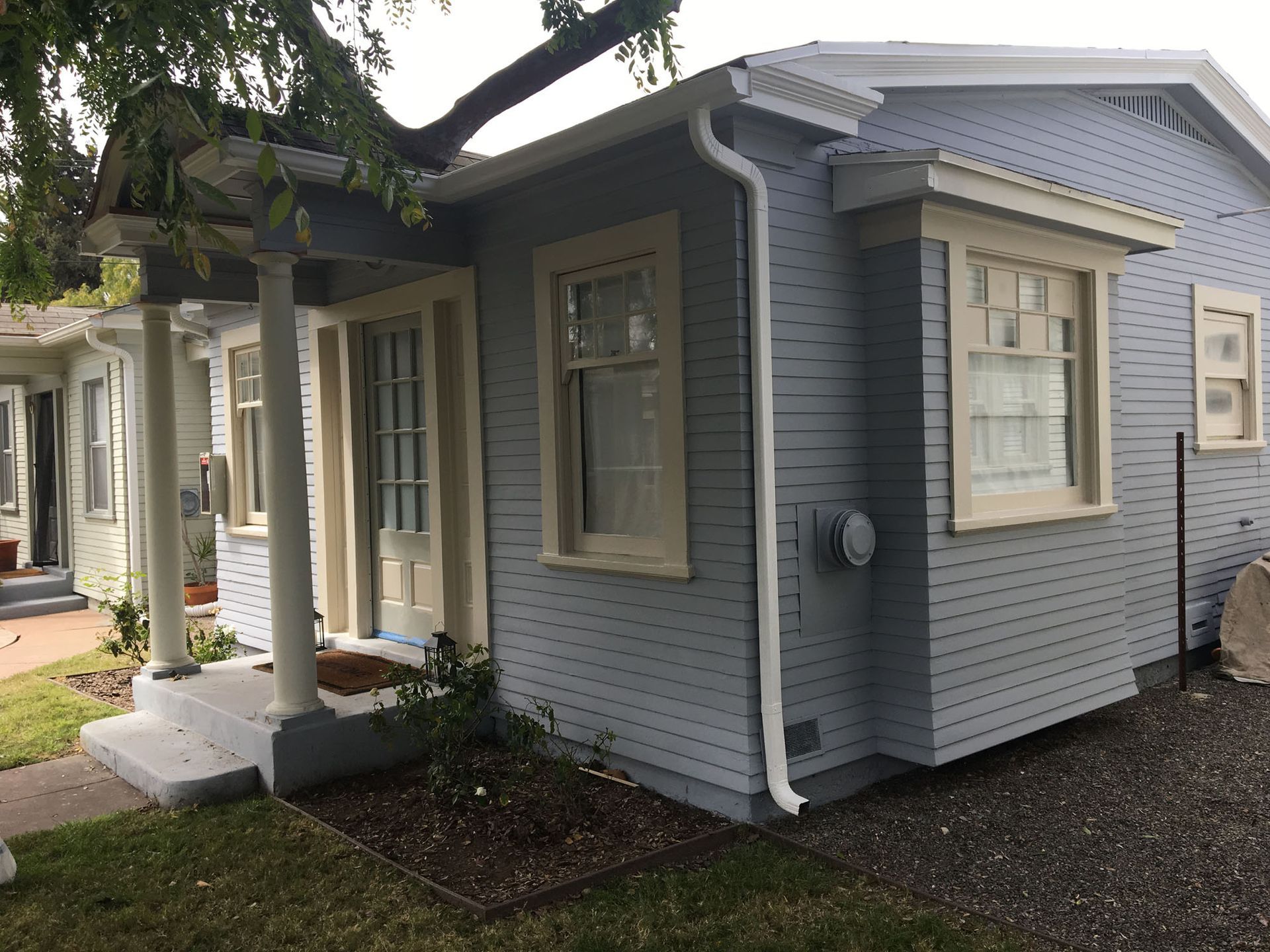
The home’s exterior may have cracked stucco, chalky paint, failed caulk, worn fascia, or trim that needs repair. The fence may have loose boards, leaning sections, rot, peeling coatings, or rusted hardware. The patio cover may have exposed wood, cracked members, water stains, sun damage, failing fasteners, or areas that are difficult to reach.
Surfaces in good condition may only need cleaning, prep, and a new coating. Damaged surfaces may need repair or replacement before painting makes sense. That is why each area should be inspected separately, even if the work is being planned as one exterior project.
When Painting Everything Together Makes Sense
One combined project can be a good option when the house, fence, and patio cover are all structurally sound and the homeowner wants a complete exterior refresh.
This often makes sense when the house exterior is due for repainting, the fence is still solid, the patio cover is in good repair, and access around the property is clear. It may also be helpful when the backyard is being prepared for entertaining, long-term maintenance, or a future home sale.
Painting these areas together can make the property feel more intentionally finished. This is especially useful when the backyard is a major living space and the homeowner wants the house, fence, gate, patio cover, and nearby exterior details to feel connected rather than pieced together over time.
When It May Be Better to Paint in Phases
Phasing can be smarter when one part of the project is not ready. For example, the house may need paint now, but the fence may be close to replacement. Or the patio cover may need wood repairs before it can be painted or stained properly.
Phasing may also be better when the budget needs to be spread out, landscaping or hardscape work is not finished, sprinklers are still hitting exterior surfaces, or a future project may damage newly painted areas.
A phased plan is not a problem when it is intentional. It becomes a problem when homeowners paint surfaces that are about to be repaired, removed, or disturbed by other work. The goal is to avoid spending money on finish work that will need to be redone.
The House Exterior Should Usually Set the Main Plan
The home itself is usually the largest and most important surface. If the exterior paint is peeling, chalking, cracking, or exposing wood or stucco, it may need attention before fences or patio features.
The house should be evaluated for stucco cracks, trim and fascia wear, failed caulk, sun exposure, stains, and areas where paint is no longer bonded. If the home needs protection, that should usually come before more cosmetic updates to outdoor features.
That does not mean fences and patio covers are unimportant. It simply means the surfaces that protect the home should be prioritized first, then surrounding features can be coordinated for appearance, access, and maintenance.
Fences May Need Repair Before Paint or Stain
Fences are exposed to sprinklers, soil contact, sun, pets, gates, wind, and daily use. Because of that, they may need repairs before they are painted or stained.
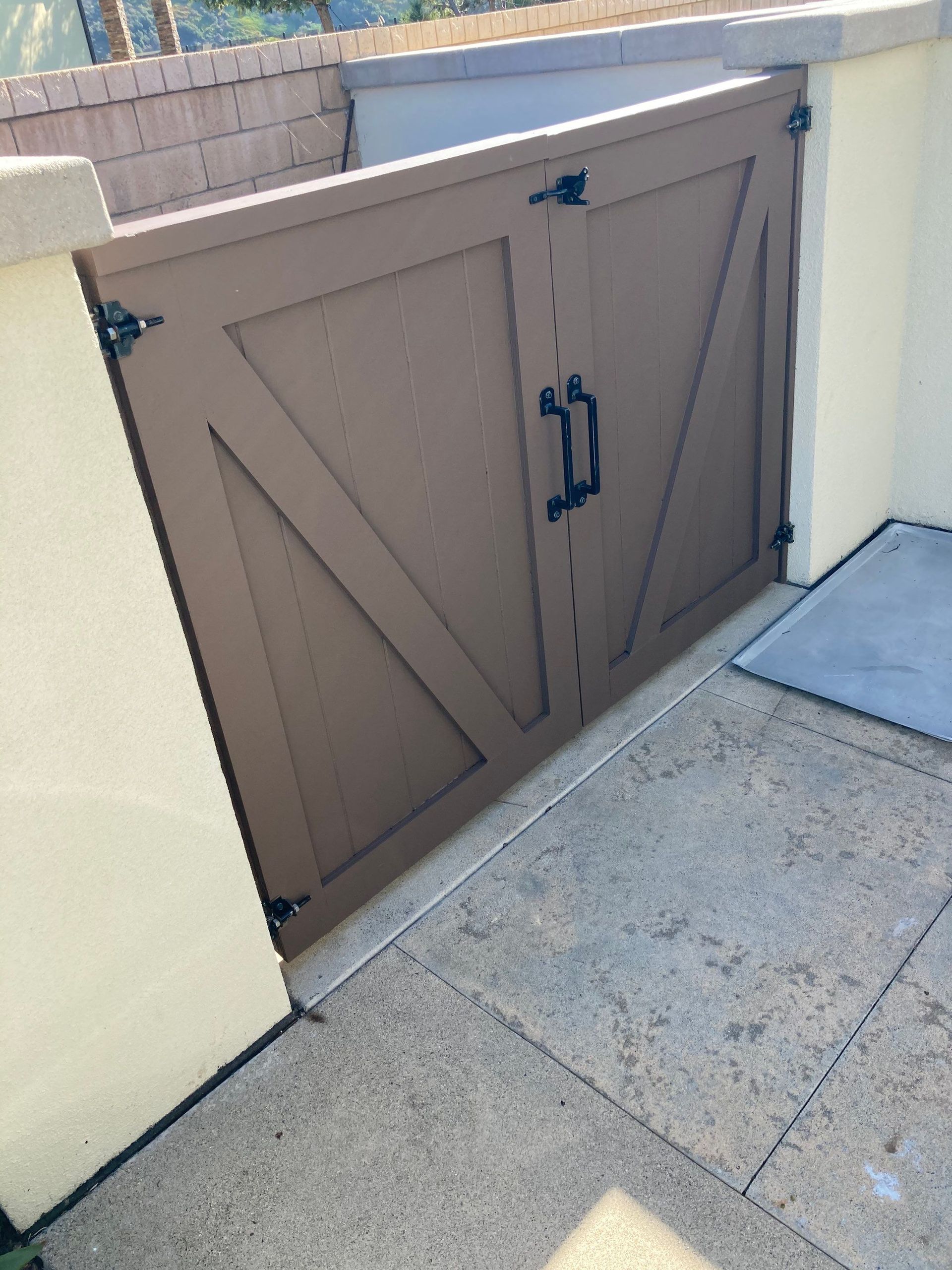
Homeowners should check whether fence boards are loose, posts are leaning, gates still close properly, coatings are peeling, hardware is rusted, or wood is soft near the ground. If the fence is near the end of its life, painting it may not be worth the cost.
If the fence is solid, painting or staining it as part of the house project can create a cleaner, more finished property. Chism Brothers’ specialty services may be relevant when the project includes staining, wood repair, pressure washing, deck or railing work, or related prep before coating outdoor surfaces.
Patio Covers and Pergolas Need Close Inspection
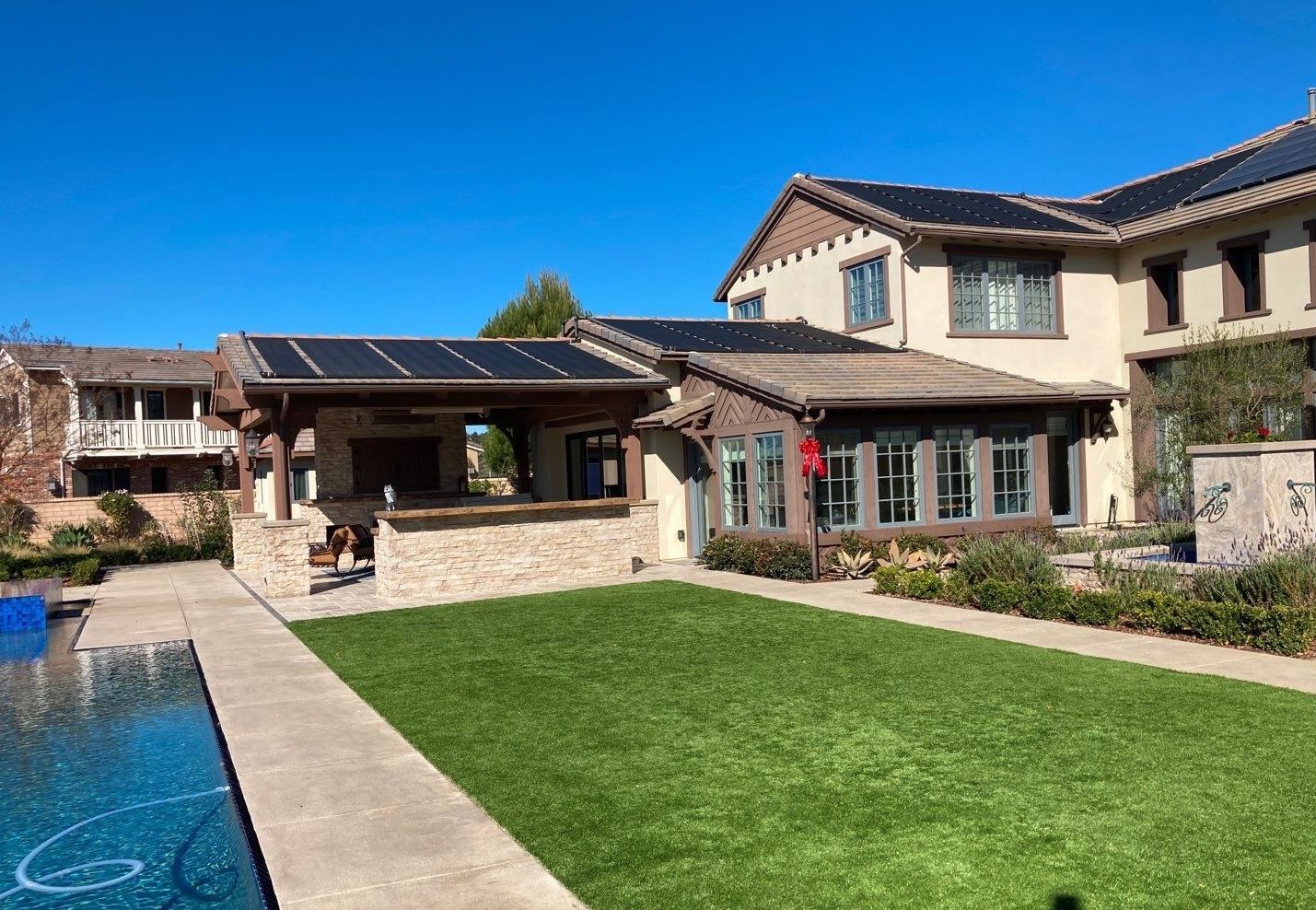
Patio covers, pergolas, and shade structures often have posts, beams, fasteners, brackets, attachment points, and overhead surfaces that need to be checked before painting. These features may look fine from a distance but still have peeling paint, exposed wood, soft spots, cracked boards, rusting hardware, failed caulk, water stains, or sun damage.
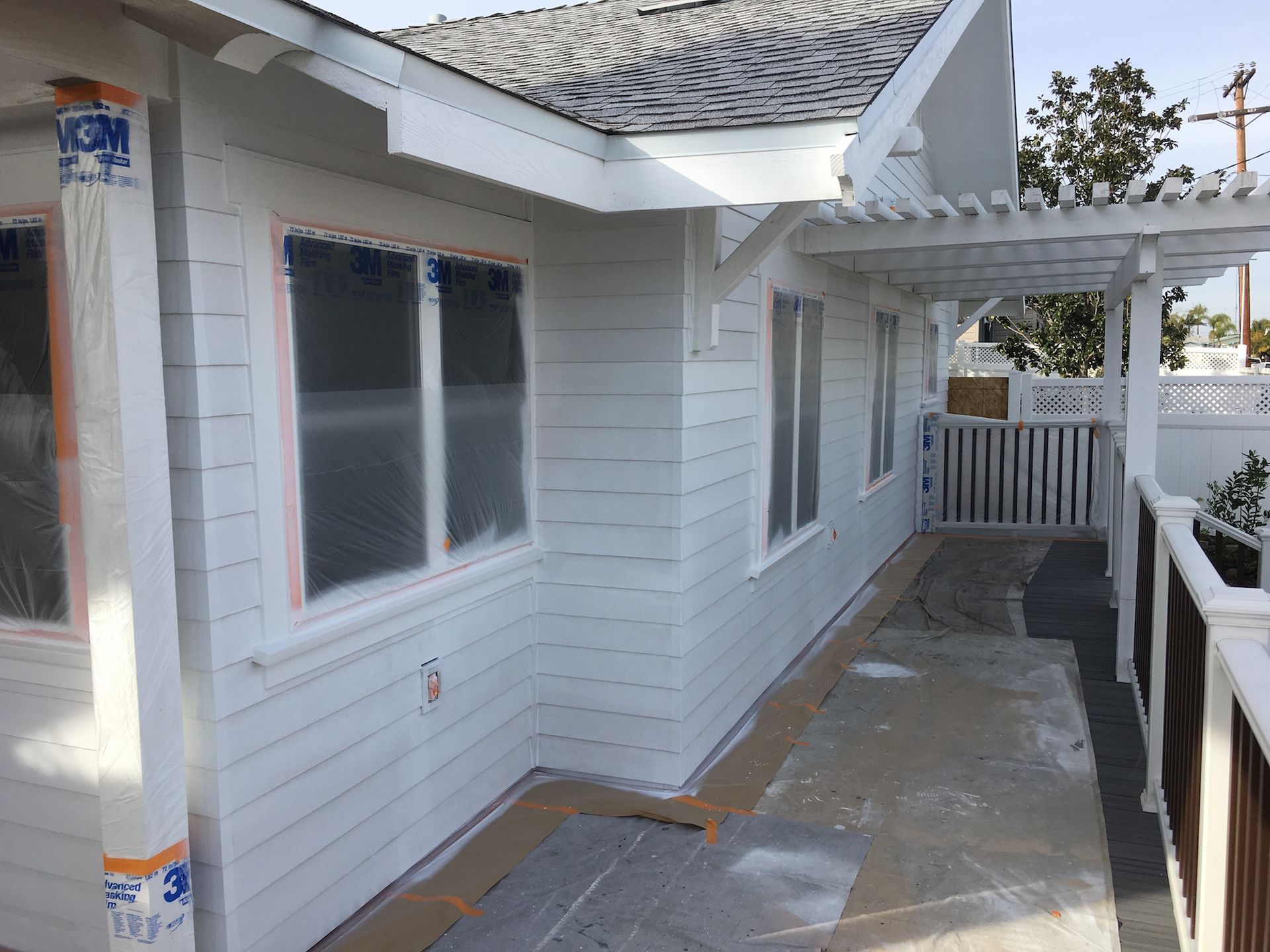
Patio covers may also need more detailed prep than homeowners expect because they include many edges, joints, undersides, and connection points. If the structure is attached to the home, any repair or attachment work should be handled before nearby house painting is completed.
When the patio cover is solid, coating it with the house can help the backyard feel complete. When it is damaged, repair should come first so fresh paint or stain is not being applied over material that will continue to deteriorate.
Different Materials May Need Different Prep
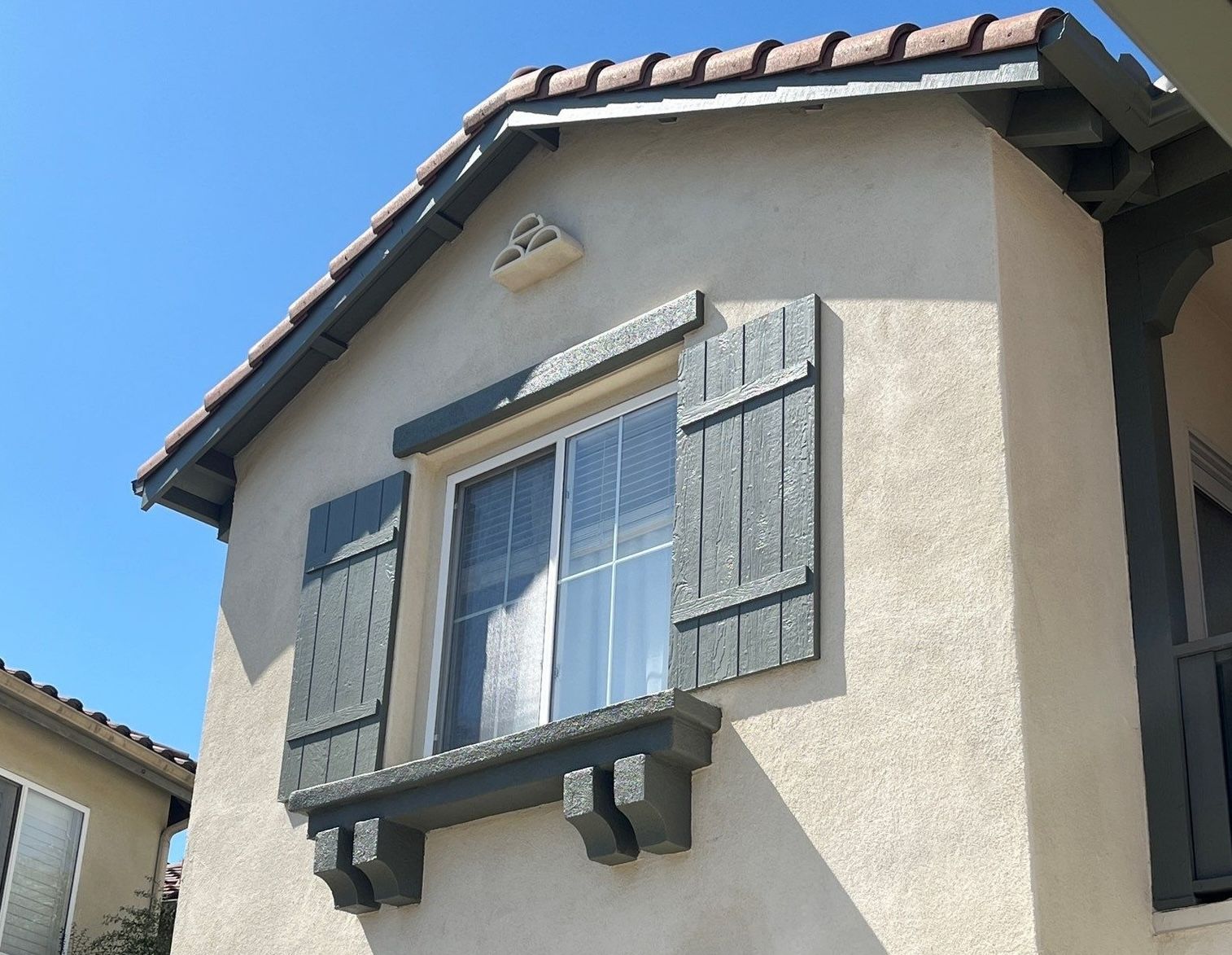
The house, fence, and patio cover may not need the same process. Stucco, wood fencing, painted trim, metal railings, masonry, and patio-cover materials can each require different cleaning, repair, sanding, priming, painting, or staining.
For example, stucco may need crack repair and cleaning. Wood trim may need caulking, sanding, primer, or replacement. A fence may need stain rather than paint. A patio cover may need scraping, sanding, priming, and careful work around fasteners or joints.
Painting multiple surfaces together does not mean treating every surface the same. A good project plan should identify what each material needs before the finish is applied.
Access and Setup Can Affect the Decision
Access matters when deciding whether to combine or phase the work. If fences, gates, patio furniture, landscaping, slopes, retaining walls, or backyard features block access, painters may need more setup time.
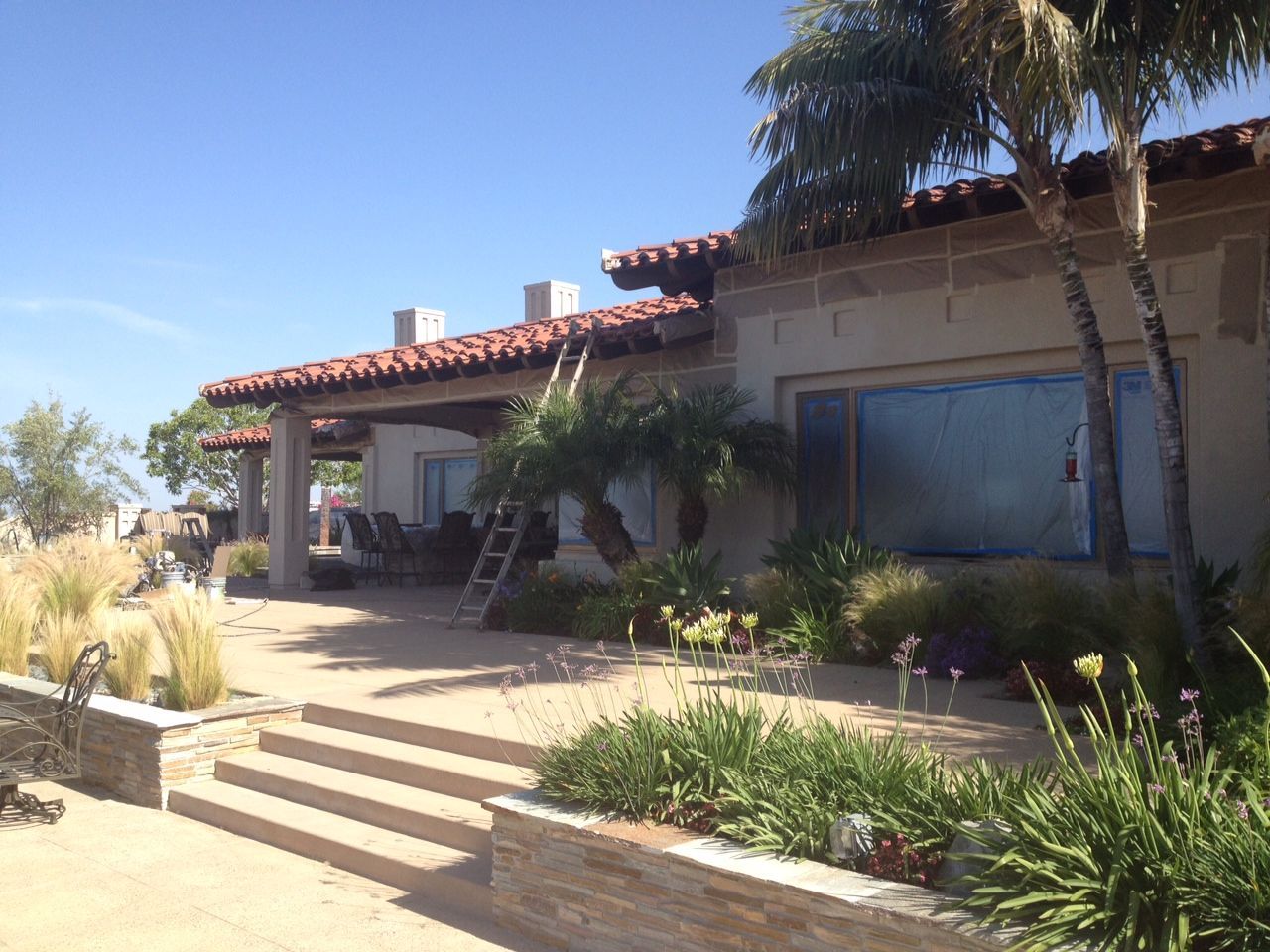
Some Santee homes have sloped yards, open-space edges, or larger outdoor living areas that require extra planning for ladders, equipment placement, masking, and material staging. If a gate needs repair or a fence blocks access, that should be discussed before painting begins.
In some cases, painting is easier before a new backyard feature is installed. In other cases, it is better to wait until construction, hardscape, or fence work is complete. Access should be part of the schedule, not something discovered after the crew arrives.
Coordinate With Landscaping, Irrigation, and Hardscape Work
Painting should be coordinated with landscaping or hardscape updates. Sprinklers may stain or wet fences and walls. New concrete, pavers, retaining walls, or patio work can create dust and scuffs. Landscaping crews may need access close to freshly painted surfaces.
Before painting, homeowners should adjust sprinklers, trim plants away from the home and fence, finish major hardscape work, and clear access around the surfaces being coated. If irrigation has caused past paint failure, that issue should be corrected before the same area is repainted.
Exterior painting is often a finishing step after messy or surface-affecting work is complete. Handling the work in the right order helps protect the final result.
Think About Color and Finish Coordination
Painting the house, fence, and patio cover at the same time can help the property feel more cohesive, but everything does not have to match exactly.
The main house color, trim color, fence color or stain, patio cover finish, gates, railings, roof color, masonry, hardscape, and backyard views from inside the home can all influence the final plan. Some homeowners want fences and patio covers to blend quietly into the background. Others want gates, railings, or shade structures to act as subtle accent features.
The best choice depends on the home’s style, the yard layout, and the homeowner’s maintenance goals. A coordinated plan helps avoid a backyard where every painted surface looks like it was chosen at a different time.
Budget May Point Toward a Phased Plan
Painting multiple exterior surfaces together can be efficient, but it may also increase the immediate project cost. Phasing can help homeowners address the most urgent areas first while planning the rest later.
The most urgent surfaces are usually the ones with peeling paint, exposed wood, failing caulk, damaged stucco, or moisture issues. Cosmetic updates to fences or patio features can often wait if the surfaces are still protected and stable.
Budget should be balanced with condition. It may not make sense to delay a failing house exterior just to paint everything together later. It also may not make sense to paint a fence now if replacement is likely soon.
A Practical Order for House, Fence, and Patio Cover Painting
A clear order can help homeowners avoid unnecessary rework:
- Inspect the house, fence, and patio cover separately.
- Identify surfaces that need repair, replacement, or prep.
- Handle stucco, trim, fascia, fence, and patio-cover repairs first.
- Finish landscaping, irrigation, or hardscape work that may affect paint.
- Decide whether colors and finishes should coordinate across the property.
- Paint the house first if it has the most urgent protection needs.
- Paint or stain the fence and patio cover if they are sound and ready.
- Phase remaining surfaces if budget, access, or condition makes that smarter.
The best plan is the one that avoids painting surfaces that are about to be repaired or replaced. It should also reduce repeated setup, mismatched finishes, and preventable touch-ups.
What to Clarify Before Scheduling the Work
Homeowners do not need to know every technical detail before getting an estimate, but they should have a clear sense of which surfaces they want included. They should also think about whether repairs, landscaping, irrigation, hardscape, or future backyard projects could affect timing.
It helps to clarify whether the house, fence, and patio cover are all in paintable condition, whether any wood or stucco repairs are needed first, and whether combining the work would be more efficient than phasing it. The estimate should help the homeowner understand the right order of work, not just the price for painting each surface.
A good conversation before scheduling can prevent confusion about what is included, what should wait, and what may need to be repaired before coating.
Talk With a Santee Painting Company Before Deciding
Homeowners should consider professional guidance when several exterior surfaces are involved, especially if the project includes stucco, weathered wood, fences, patio covers, sloped yards, repairs, or different coatings.
Speaking with an experienced Santee painting company can help you evaluate the house exterior, fence, patio cover, gates, trim, stucco, wood condition, access, and prep needs before deciding whether one combined project or a phased approach makes more sense.
Chism Brothers Painting can help Santee homeowners prioritize the work so the most important surfaces are protected and the overall property still feels cohesive.
Plan Your Santee Exterior Painting Project With Chism Brothers Painting
If you are deciding whether to paint the house, fence, and patio cover together, Chism Brothers Painting can inspect each surface and help prioritize the work. They can review condition, repairs, prep needs, access, budget considerations, and future maintenance so the project is handled in the right order.
Reach out today for a
free, no-obligation estimate. Chism Brothers can give you honest guidance on what should be painted together, what should be phased, and what should be repaired before any finish coating is applied.


Tell us about your project
Tell Us About Your Project
Contact us today to schedule a visit from one of our estimators! We’ll come to your home and provide a detailed estimate.
(858) 454-3850