Hairline Stucco Cracks on a Santee Home: Repair Them or Paint Over Them?
Last Updated: September 9, 2026
Hairline stucco cracks may be handled during normal painting prep if they are small, stable, and only cosmetic, but recurring, widening, stained, or deteriorated cracks should be evaluated and repaired before a new exterior coating is applied.
Small stucco cracks are common on many Southern California homes, but not every crack should be treated the same way. Some may be normal surface wear from age, weathering, or minor movement. Others may point to moisture, repeated stress, poor previous repair work, or surface deterioration that needs more attention before repainting.
For Santee homeowners, this can be especially important because many homes have stucco exteriors, hillside or open-space conditions, strong sun exposure, and landscaping or irrigation patterns that affect how exterior surfaces age. Before starting an exterior painting project, it helps to understand whether the stucco simply needs careful prep or whether repairs should happen first.
Why Stucco Cracks Should Be Checked Before Painting
Paint can refresh stucco and help protect the surface, but it should not be used as a shortcut over damage. If cracks are active, widening, stained, or connected to other surface problems, painting over them may only hide the issue temporarily.
A painter should look at more than the visible line. The size of the crack, the surrounding paint condition, the location, and whether the crack has returned after past repairs can all affect the recommendation. A fine crack in a stable wall may be handled differently than a crack near a window, door, corner, hose bib, patio area, or lower wall with staining.
The goal is to create a clean, dry, stable surface before the final coating is applied. If the stucco underneath is loose, wet, deteriorated, or still moving, the new paint may not perform the way homeowners expect.
When Hairline Cracks May Be Routine Maintenance
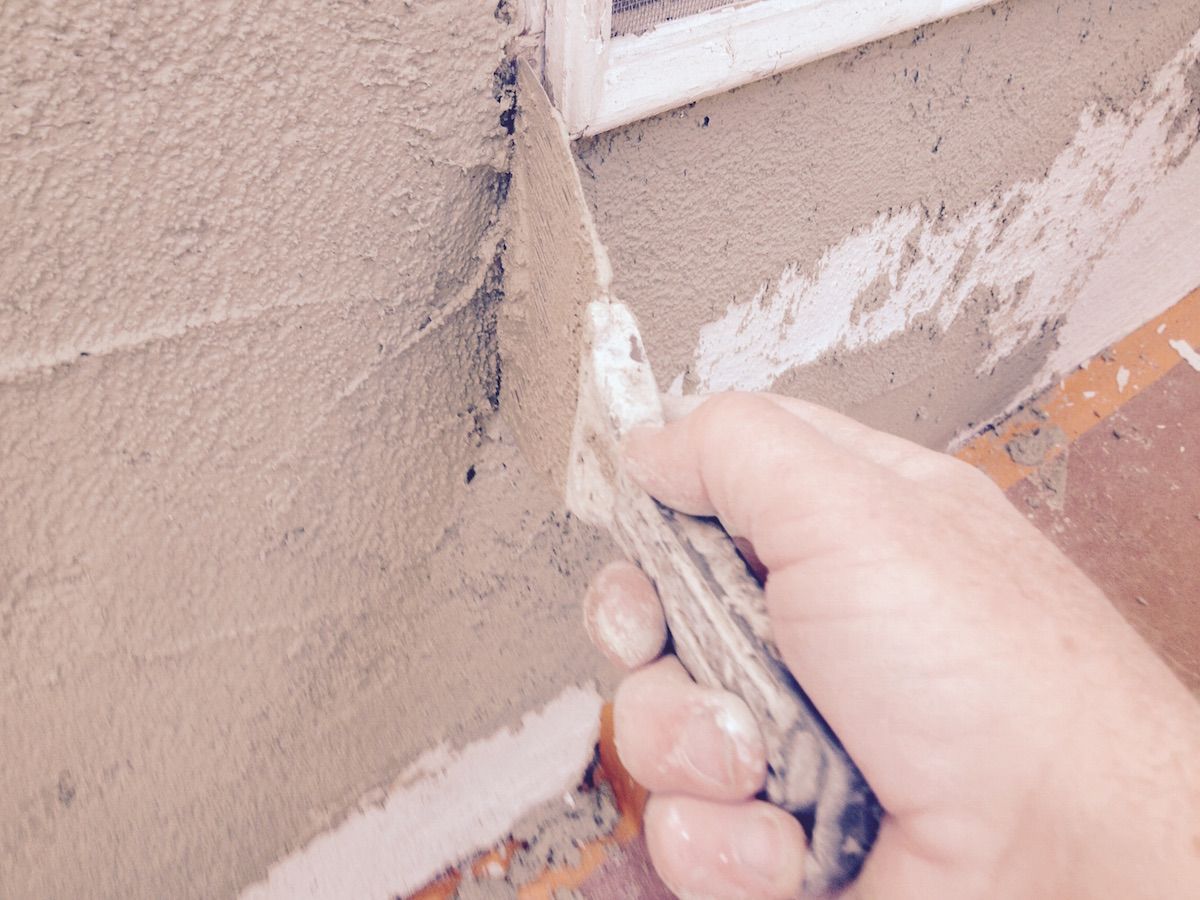
Fine, narrow stucco cracks are often part of normal aging, settling, weathering, or surface movement. If they are small, stable, dry, and not connected to staining or deterioration, they may be handled as part of standard exterior prep.
These cracks may still need attention before painting. A painter may clean the surface, prep the crack, seal or patch it where appropriate, blend the repair, spot prime if needed, and then apply the finish coating. The exact approach depends on the condition of the wall and the coating plan.
The important distinction is that “minor” does not mean “ignore it.” It means the crack may not require a major repair if the surrounding stucco is sound and there are no signs of moisture, movement, or repeated failure.
When Stucco Cracks Should Be Repaired Before Painting
Some cracks should not simply be painted over. If the crack is wider, recurring, stained, crumbling, or connected to other damage, the area should be evaluated before exterior paint is applied.
A crack deserves closer attention when it appears to be widening, keeps coming back after patching, has dark stains or moisture marks, or is surrounded by bubbling, peeling, or blistering paint. Cracks near windows, doors, corners, roofline transitions, retaining walls, patios, or old patch areas may also need more careful review.
These signs do not automatically mean there is a major structural issue. They do mean the crack may be more than a surface blemish. Repainting should wait until the area is stable and properly repaired.
Look at the Crack Pattern
The shape and location of a stucco crack can help homeowners understand whether it appears minor or worth closer evaluation. A single fine line in an otherwise solid wall may be different from a cluster of cracks around an opening or a recurring crack in the same location.
Cracks around windows and doors may be related to movement, old caulk failure, previous repairs, or water exposure. Cracks near hose bibs, lights, attachments, patios, or hardscape may be tied to past installations or surface stress. Cracks in old patch areas may suggest that a previous repair did not fully resolve the issue.
Homeowners do not need to diagnose the cause themselves. They should simply point out the pattern during the estimate so the painter can evaluate the surface and explain what prep or repair may be needed.
Staining Around Cracks Can Be a Moisture Clue
Staining, dark marks, mildew-like growth, or discoloration around a stucco crack can suggest that moisture is involved. This does not always mean there is a serious problem, but it does mean the area should be inspected before paint goes on.
Moisture may come from sprinklers, drainage, failed caulk, roofline issues, landscaping, or water entering the crack itself. If the moisture source is still active, repainting over the area may lead to bubbling, peeling, recurring stains, or another visible crack line after the project is complete.
Paint should go over a clean, dry, stable surface. If a crack is connected to moisture-related damage, the source should be addressed before the exterior is repainted.
Previous Stucco Repairs May Need Extra Attention
Older homes may have stucco patches from previous cracks, window work, utility work, repairs, or past paint jobs. These areas may reopen, show texture differences, or fail if they were not repaired correctly.
Previous repairs can also become more visible after a fresh repaint if the texture, patching, or surface prep is uneven. A new color can make the wall look cleaner, but it will not automatically hide a rough patch, mismatched texture, or old repair line.
A painter may need to evaluate whether the old repair can be cleaned up, blended, primed, or repaired more thoroughly before painting. This is especially important if the same crack keeps returning.
Do Not Rely on Paint Alone to Hide Stucco Cracks
Paint can improve the appearance of stucco, but it is not a structural repair. If a crack needs filling, patching, texture blending, or further evaluation, paint alone will not solve it.
Some exterior coatings may help bridge very minor surface imperfections better than others, but the surface still needs proper prep. Loose stucco, open cracks, chalking, stains, and failed patches should be addressed before finish coats are applied.
This is where service coordination matters. If the cracked area also involves wood trim, failed caulk, damaged fascia, pressure washing needs, or related prep work, Chism Brothers’ specialty services may be relevant as part of the broader repainting plan.
Santee Homes Near Hills or Open Space May Have Added Considerations
Homes near slopes, open-space areas, or retaining walls may experience different exterior wear patterns. Sun exposure, drainage paths, vegetation, irrigation, and access conditions can all affect stucco surfaces.
Cracks near lower walls, patios, retaining walls, or landscaped areas should be reviewed with moisture and access in mind. Vegetation touching the wall or sprinklers hitting stucco can contribute to staining and paint failure around small cracks.
This does not mean every crack on a hillside or open-space property is more serious. It simply means the surrounding conditions should be considered before painting. A crack on a dry, stable wall may call for normal prep, while a crack in a damp, stained, or repeatedly damaged area may need repair first.
What Should Happen Before Repainting Cracked Stucco?
The exact repair method depends on the crack and surface condition, but the order matters. Repairs and prep should come before final paint.
A practical sequence usually looks like this:
- Clean the stucco surface so cracks and stains are easier to see.
- Identify whether cracks are isolated, recurring, or widening.
- Check for staining, bubbling paint, loose stucco, or failed patches.
- Correct obvious moisture sources, such as sprinklers hitting the wall.
- Repair cracks that need more than routine prep.
- Blend or texture repairs where needed.
- Prime repaired or bare areas when appropriate.
- Apply the exterior coating after the surface is clean, dry, and stable.
This process helps homeowners avoid painting over problems that are likely to return. It also gives the new coating a better surface to bond to.
When Painting May Be Enough
Painting may be enough when the crack is truly minor and the surrounding stucco is stable. In that case, the crack may be addressed during prep before the finish paint is applied.
This may be reasonable when the cracks are narrow, there are no moisture stains, the stucco is not loose or crumbling, the nearby paint is not bubbling, and old repairs are not failing. The wall may simply show normal age or cosmetic wear.
Even then, the crack should not be ignored. It should be cleaned, reviewed, and prepared properly so the finished wall looks better and the coating has a stable surface underneath it.
When to Get the Crack Evaluated Before Painting
Homeowners should get a crack evaluated before repainting if it looks active, damaged, or connected to a larger surface issue. This is especially important when the crack is widening, returning after previous repairs, stained, near an opening, or surrounded by peeling paint.
Loose or deteriorated stucco should also be checked before painting. So should cracks near areas with drainage or irrigation problems, dense landscaping, or repeated moisture exposure.
These clues do not automatically mean the home has a serious issue, but they do mean paint alone may not be the right next step. A professional evaluation can help determine whether routine prep is enough or whether stucco repair should happen first.
Questions to Ask During an Exterior Painting Estimate
Before repainting cracked stucco, homeowners should ask questions that clarify whether the estimate includes proper prep or only a cosmetic repaint.
Helpful questions include:
- Are these cracks minor enough to handle during prep?
- Do any cracks need repair before painting?
- Is there staining or moisture around the crack?
- Is the surrounding stucco still solid?
- Are old stucco repairs failing?
- Will repaired areas be blended before painting?
- Will patched or repaired areas need primer?
- Are sprinklers, landscaping, or drainage contributing to the issue?
- Could these cracks show through the new finish if they are not repaired?
These questions help homeowners understand what is actually included in the painting plan. They also make it easier to compare estimates based on prep, repair, and long-term value rather than price alone.
Talk With a Santee Painting Company Before Repainting
Homeowners should consider a professional evaluation when cracks are recurring, stained, widening, near openings, or connected to peeling paint, failed caulk, old patches, or moisture clues.
Speaking with an experienced Santee painting company can help you understand whether your hairline stucco cracks are routine surface wear or a sign that repair should happen before painting.
Chism Brothers Painting can evaluate stucco cracks, surface condition, staining, caulking, previous repairs, moisture clues, and prep needs before recommending whether repair or repainting should come first.
Repair Stucco Issues Before Fresh Paint Goes On
If you are seeing hairline cracks, stained stucco, recurring patch areas, peeling paint, or widening gaps, Chism Brothers Painting can inspect the exterior and explain what should be addressed before painting. They can review stucco condition, repair needs, surface prep, primer, and moisture concerns so the new exterior coating has a stable surface to bond to.
Reach out today for a
free, no-obligation estimate. Chism Brothers can give you honest guidance on what can be handled during normal prep, what should be repaired first, and how to repaint your Santee home with fewer surprises.





Tell us about your project
Tell Us About Your Project
Contact us today to schedule a visit from one of our estimators! We’ll come to your home and provide a detailed estimate.
(858) 454-3850