Painting a Poway Property With Fences, Gates, and Detached Structures? What Should You Plan For?
Last Updated: September 9, 2026
Before painting a Poway property with fences, gates, and detached structures, homeowners should evaluate each surface separately, check for repairs, plan access, confirm prep needs, and decide whether the work should happen together or in phases.
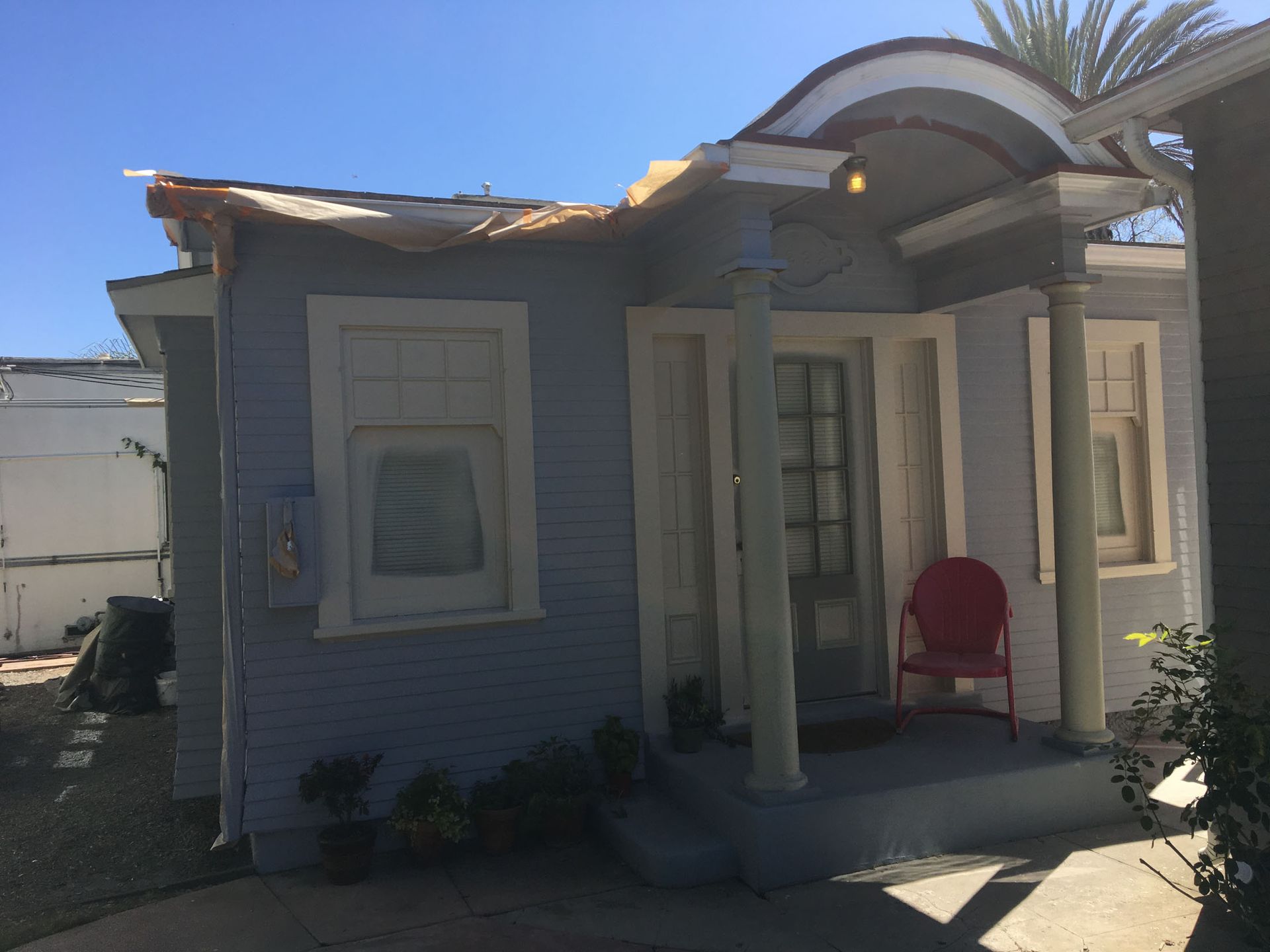
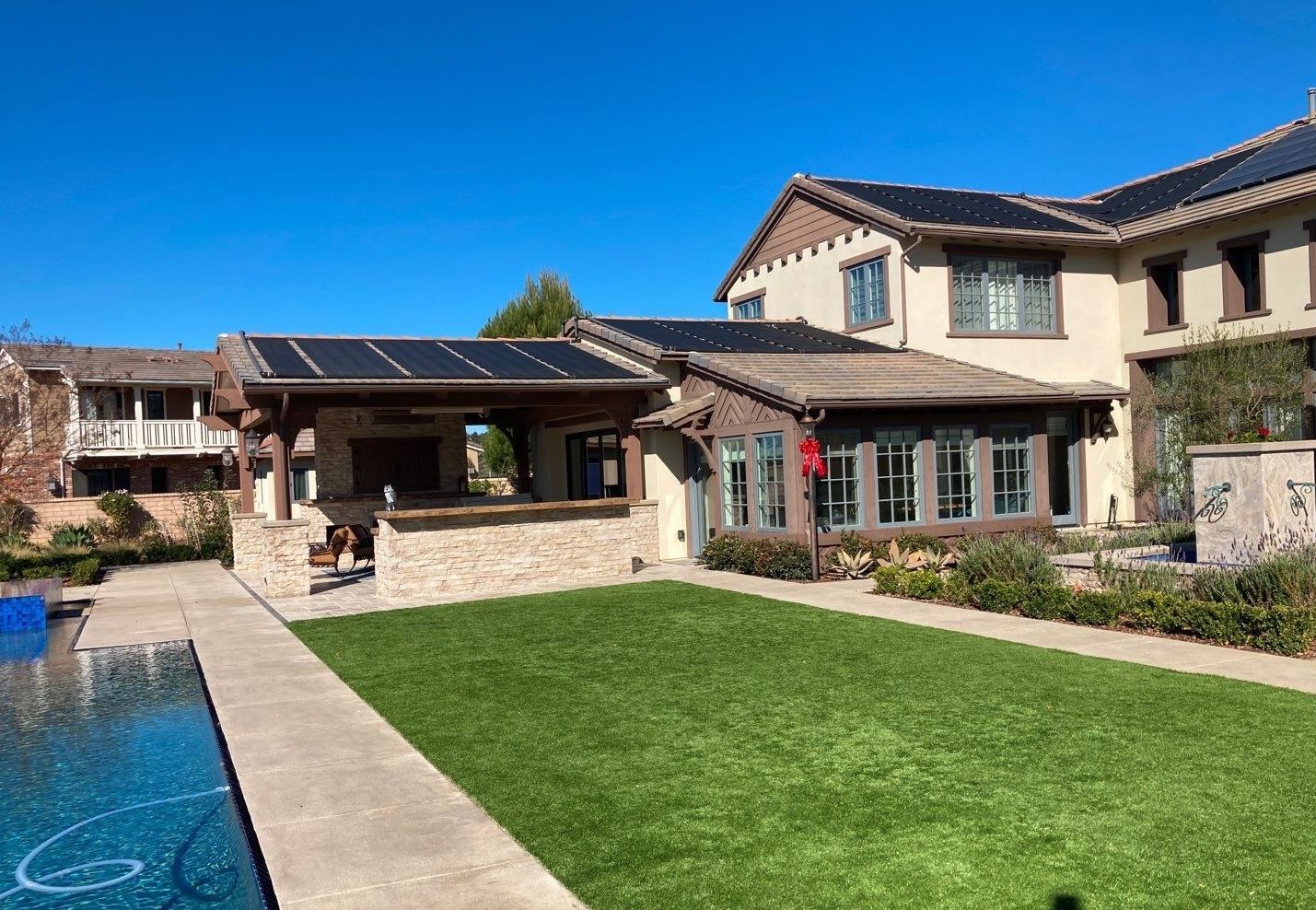
Some Poway properties have more to paint than the main house. Larger lots may include long fence lines, gates, detached garages, sheds, workshops, patio covers, pergolas, railings, barns, or other exterior structures that all affect the scope of the project. Each of those surfaces may have its own material, age, coating history, and repair needs.
Because many Poway properties have a more rural, hillside, or open-space feel, homeowners may need to think about exterior painting as a property-wide maintenance plan instead of a single house repaint. The goal is to decide what should be painted together, what should be repaired first, and what should be phased for a cleaner, more practical result.
Start by Separating the House From the Surrounding Features
The house, fence, gate, and detached structures should not automatically be treated as one identical painting project. They may all sit on the same property, but they often age very differently.
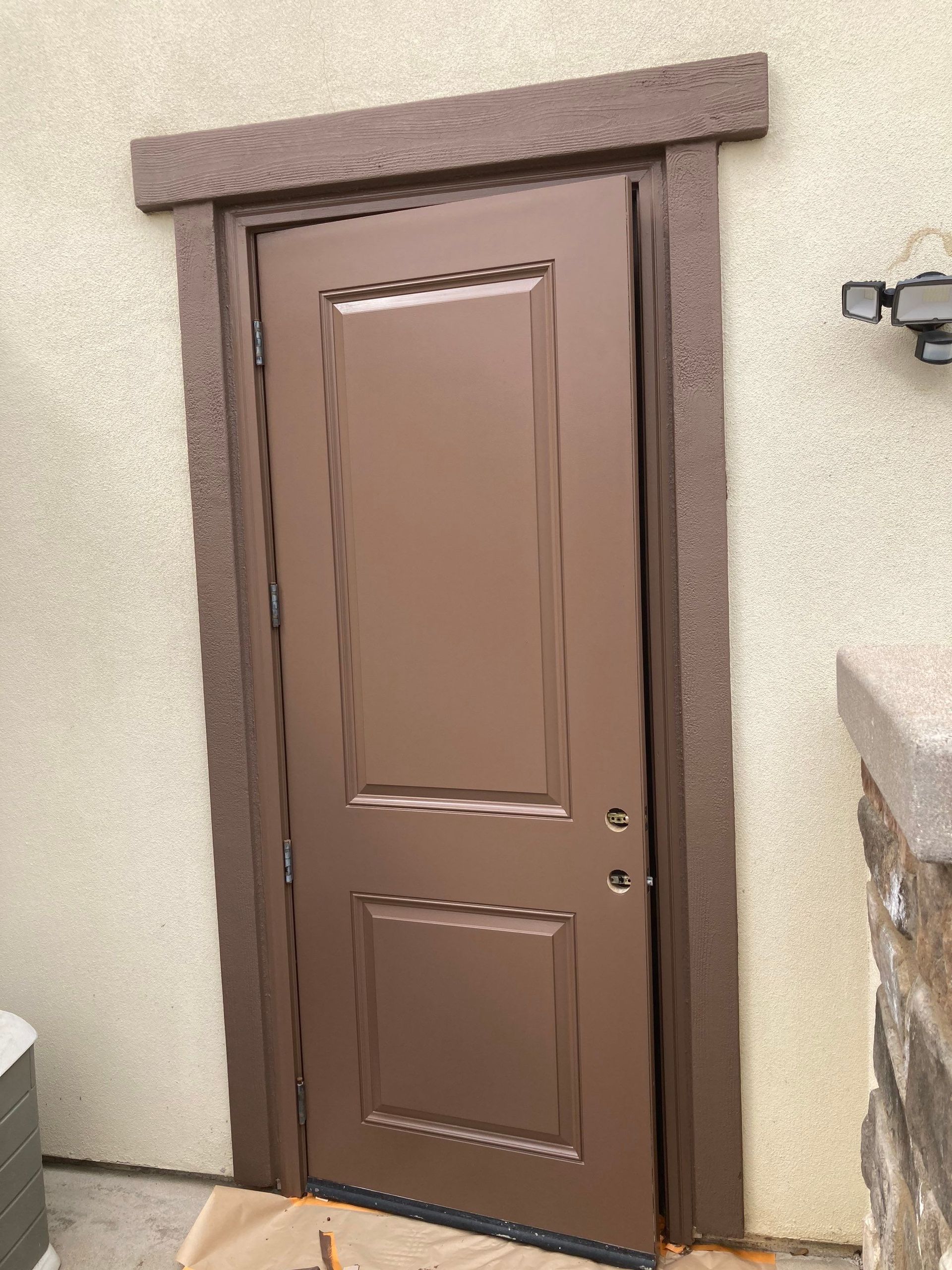
The main house may involve stucco, trim, fascia, doors, windows, caulking, garage areas, and previous repairs. Fences and gates may involve wood, metal, hardware, posts, rails, stain, paint, or soil contact. Detached structures may have their own siding, roofing, trim, doors, windows, and access concerns.
Before deciding whether to paint everything together, each exterior feature should be evaluated on its own. This helps homeowners avoid spending money coating a surface that is not ready, near the end of its life, or likely to be repaired soon.
Why Larger Poway Properties May Need More Planning
A larger property can involve more distance, more surfaces, more access needs, and more variation in exterior conditions. A fence line near open space may weather differently than the front of the house. A detached garage may have peeling trim while the main home still looks sound. A gate may be heavily worn even if the nearby fence is in decent condition.
Planning also matters because crews may need to move equipment, ladders, masking materials, sprayers, drop cloths, and supplies across more of the property. Gates, uneven ground, long driveways, slopes, vegetation, pets, vehicles, and storage areas can all affect how the project is staged.
A property-wide painting estimate should look at more than the main house. It should account for how each area will be accessed, prepared, protected, painted or stained, and cleaned up.
Check the Condition of the Main House First
The main house should usually set the highest priority because it protects the living space and often has the largest visual impact. If the home has peeling paint, cracked stucco, failed caulk, damaged trim, or exposed wood, those items should usually be addressed before purely cosmetic updates to surrounding features.
A painter should evaluate stucco, fascia, eaves, trim, doors, windows, garage areas, and previous repairs before recommending a paint plan. If the existing coating is chalky, loose, or failing, the home may need cleaning, scraping, repairs, caulking, primer, or replacement of damaged pieces before finish coats are applied.
Fences and detached structures are still important, especially on a highly visible property. But the home’s protective exterior should not be delayed if it is actively deteriorating.
Fences May Need Repair Before Paint or Stain
Fences can be exposed to heavy wear from sun, wind, soil contact, irrigation, pets, gates, and vegetation. Long fence lines may also age unevenly, with one section looking solid while another is leaning, split, stained, or soft near the ground.
Before painting or staining, homeowners should look for loose boards, leaning posts, peeling coatings, exposed wood, rot, rusted hardware, broken rails, sprinkler stains, and sections that may be close to replacement. If a fence is already failing, coating it may not be the best use of the budget.
When the fence is solid, painting or staining it as part of the larger project can help the property look more finished. Fence work can often be discussed alongside other exterior surfaces, especially when the goal is to coordinate the house, gates, railings, and outdoor living areas.
Gates and Hardware Need Separate Attention
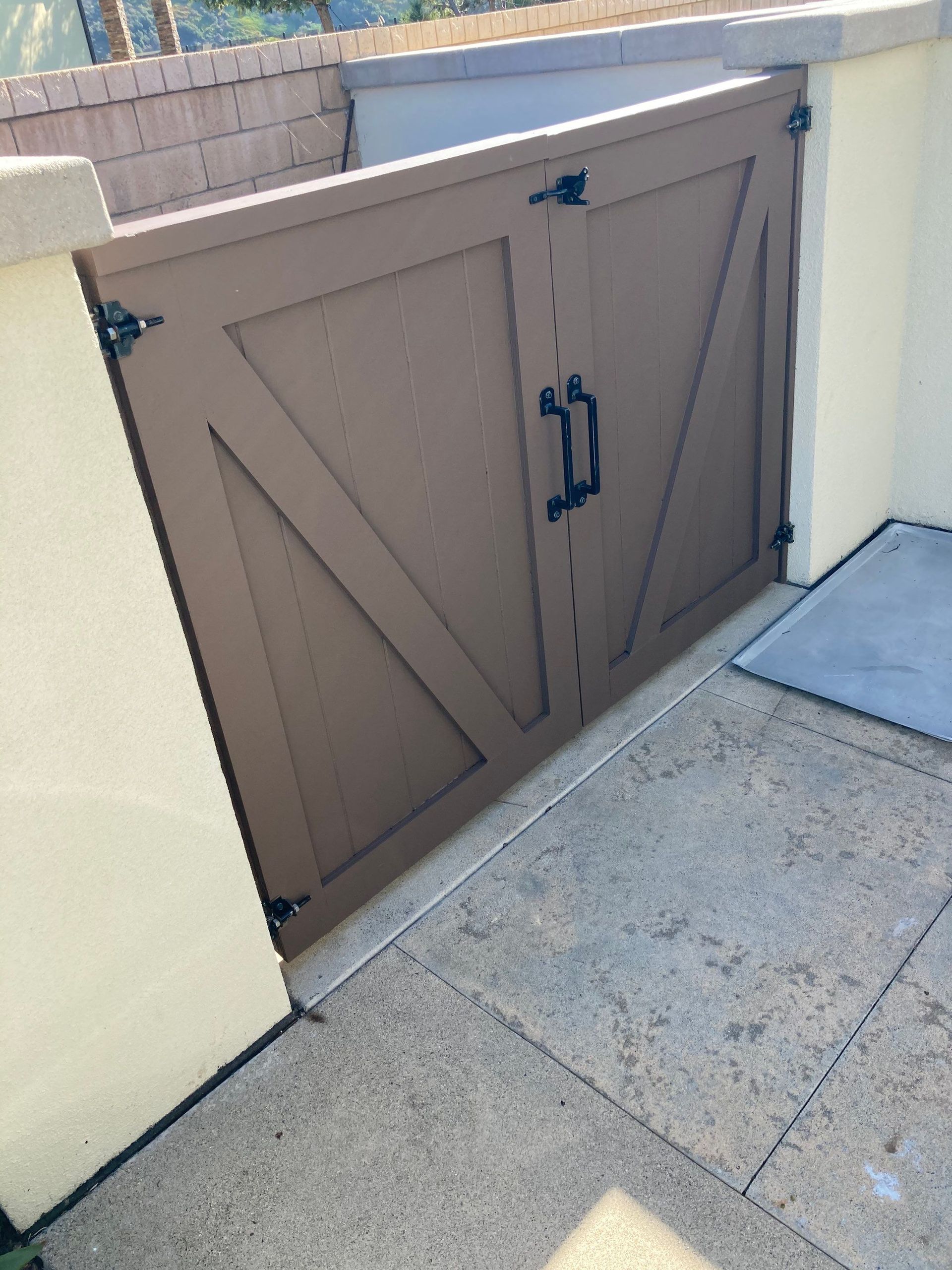
Gates are high-use features and often wear faster than surrounding fence sections. They swing, sag, scrape, chip, rust, and collect damage from daily use. A gate that looks like a small detail can become very noticeable when the rest of the property is freshly painted.
Homeowners should check gate frames, hinges, latches, posts, hardware, and areas where paint or stain has rubbed away. If a gate does not operate properly, that should be corrected before painting so the new finish is not immediately scratched or damaged.
Gates are not just another flat surface. Their movement and hardware can affect prep, coating choice, and durability. A good plan should account for how the gate functions, not only how it looks.
Detached Structures May Have Their Own Painting Needs
Detached garages, sheds, workshops, pool houses, barns, guest spaces, and other structures should be inspected separately from the main home. These buildings may have different siding, trim, roofing, age, exposure, or previous coatings.
A detached structure may need repairs to trim, siding, doors, windows, fascia, caulking, or weathered wood before painting. If the structure is used less often, exterior problems may go unnoticed longer. Peeling paint, soft trim, failing caulk, or roofline wear may not be obvious until someone walks the full property.
Detached structures should be included in the walkaround, but they should have their own scope. Treating them as automatic add-ons can lead to surprises if they need more prep or repair than expected.
Different Materials May Need Different Prep
A Poway property may include stucco, wood fencing, metal gates, masonry columns, painted trim, railings, doors, and detached structure siding. These surfaces may require different cleaning, sanding, repairs, primer, caulking, paint, or stain.
Painting multiple features at the same time does not mean using the same prep process everywhere. Stucco may need crack repair and cleaning. Wood fencing may need sanding, repair, or stain. Metal gates may need attention around rust or hardware. Patio covers, railings, and detached trim may need detailed prep before coating.
The coating will only perform well if each material is prepared correctly. This is one reason Chism Brothers’ specialty services may be worth discussing when a project involves wood repair, staining, pressure washing, deck or railing refinishing, or other surface-specific preparation.
Vegetation, Brush, and Open-Space Edges Can Affect Access
On larger Poway properties, vegetation may grow along fence lines, behind detached structures, near gates, or against exterior walls. This can block access, trap moisture, hide damage, and make painting more difficult.
Homeowners may need to trim shrubs, clear brush, move stored items, and improve access before work begins. If a fence line is covered by plants, the painter may not be able to inspect the boards, posts, rails, or coating condition. If vegetation is pressed against a detached structure, it may hide peeling paint, soft wood, pests, or moisture damage.
For properties near open space, homeowners should also be mindful of any local, HOA, insurance, or property-specific vegetation requirements. This article is not a compliance guide, but those requirements can affect what gets cleared, repaired, or painted and when that work should happen.
Plan Equipment Access and Material Staging
Painters may need space for ladders, sprayers, masking materials, drop cloths, vehicles, and supplies. Larger properties may have gates, long driveways, slopes, narrow side yards, or detached structures set far from the main house.
Homeowners should think about where crews can park, how they will reach detached structures or fence lines, whether gates need to stay open, and whether animals, vehicles, or stored items need to be moved. If a structure sits behind a locked gate or a fence line is difficult to reach, that should be discussed before the work is scheduled.
Good access planning helps the project move more smoothly. It also helps painters protect surrounding surfaces, landscaping, hardscape, and outdoor features during prep and painting.
Decide Whether to Paint Everything Together or in Phases
Painting everything together can be efficient if the surfaces are ready, access is clear, and the homeowner wants a cohesive property-wide refresh. It can reduce repeated setup and help colors or finishes feel coordinated across the house, fences, gates, and detached structures.
Phasing may be better if some fences need replacement, a detached structure needs repair, the budget needs to be spread out, or certain areas are not accessible yet because of landscaping, clearing, or other exterior work. A surface that is about to be repaired or replaced should usually wait.
The best answer depends on condition and readiness, not simply whether every surface is on the property. A combined project is useful when it prevents duplication. A phased project is better when it avoids painting surfaces too early.
Coordinate Colors Across the Property
The house, fences, gates, and detached structures do not have to match exactly, but they should feel intentional together. A detached structure may match the house, a fence may blend into the landscape, and a gate may work as a subtle accent.
Color choices should consider the main house, roof, trim, masonry, hardscape, landscape, and visibility from the street or outdoor living areas. A fence along an open-space edge may call for a quieter finish, while a front gate or detached garage may need to coordinate more closely with the home.
A larger property can look more polished when the color plan considers all exterior features together. Without that coordination, the house may look updated while the surrounding structures still feel disconnected.
Handle Repairs and Messy Work Before Final Painting
Repairs, vegetation clearing, gate adjustments, fence replacement, stucco work, trim repair, hardscape work, and major cleanup should happen before final painting whenever possible.
If those items happen after painting, fresh surfaces may be scratched, patched, stained, or need touch-ups. This is especially important when fences, gates, and detached structures sit close to the house or share access paths.
Final paint should come after the work most likely to disturb the surface. That order gives the painter a cleaner, more stable foundation and helps the finished project feel complete.
A Practical Planning Order for Larger Poway Properties
A clear order can help homeowners avoid painting surfaces that are not ready or that may be damaged by later work.
- Walk the full property and list every surface being considered.
- Separate the main house, fences, gates, and detached structures into their own scopes.
- Identify repairs, replacement needs, or surfaces that are not ready for paint.
- Clear vegetation and improve access where needed.
- Coordinate gate, fence, stucco, trim, or wood repairs before painting.
- Decide whether one combined project or phased work makes more sense.
- Choose colors and finishes with the whole property in mind.
- Paint once surfaces are clean, accessible, repaired, and properly prepared.
This order keeps the focus on readiness. It also helps homeowners prioritize the most important work first instead of treating every exterior surface as equal.
What to Clarify Before Scheduling the Work
Homeowners should clarify which surfaces they want included, which ones are optional, and which ones need repair before painting. The estimate should help identify whether the main house, fences, gates, detached structures, patio covers, railings, or other exterior features are actually ready for coating.
Access should also be discussed early. Vegetation, gates, pets, vehicles, storage items, slopes, and equipment placement can all affect how the work is planned. If a detached building or long fence line may need a separate phase, it is better to know that before the project begins.
A strong estimate should help homeowners understand the condition and readiness of each exterior feature, not just provide one combined price for everything.
Talk With a Poway Painting Company Before Planning the Scope
Larger properties with multiple exterior features benefit from a professional walkthrough. A painter can help identify which surfaces need paint, which need repair first, which may be better stained or left alone, and which should be handled in phases.
Speaking with an experienced Poway painting company can help homeowners evaluate the house, fences, gates, detached structures, wood features, stucco, trim, access, and prep needs before deciding on the project order.
Chism Brothers Painting can help organize the scope so each surface is handled appropriately instead of being lumped into one oversized repaint.
Plan Your Poway Property Painting Project With Chism Brothers Painting
If you are planning to paint a Poway property with fences, gates, detached structures, or other exterior features, Chism Brothers Painting can help organize the scope and identify what should happen before painting begins. They can review repairs, access, preparation, color coordination, and project sequencing so each surface is handled appropriately.
Reach out today for a free, no-obligation estimate. Chism Brothers can give you honest guidance on what should be painted together, what should be phased, and what should be repaired or cleared before final coating begins.


Tell us about your project
Tell Us About Your Project
Contact us today to schedule a visit from one of our estimators! We’ll come to your home and provide a detailed estimate.
(858) 454-3850