Peeling Paint on Fences and Gates: What Poway Homeowners Should Check Before Recoating
Last Updated: September 9, 2026
Peeling paint on fences and gates may simply mean the finish is aging, but homeowners should check for soft wood, rust, corrosion, failed previous coatings, moisture exposure, loose boards, and surface damage before recoating.
Fences and gates can wear faster than the main house because they are exposed from multiple sides. They often deal with sun, soil contact, irrigation, hardware movement, pets, plants, and daily use. A coating that is peeling in one area may only need normal prep, while peeling in another section may reveal a deeper material problem.
For Poway homeowners, this can be especially important on larger lots, rural-style properties, hillside areas, open-space edges, and homes with long fence lines or mixed wood and metal features. Before starting an exterior painting project, it helps to understand whether the fence or gate is truly ready for paint or stain.
Why Peeling on Fences and Gates Should Be Checked Carefully
Peeling paint or coating failure is not always just a cosmetic issue. On fences and gates, peeling can expose wood or metal to more wear. Over time, that can lead to rot, rust, swelling, cracking, or repeat coating failure.
A new coating needs a stable surface underneath. If the old coating is loose, the wood is soft, or the metal is corroded, fresh paint may not bond well. The fence or gate may look better for a short time, but the same problem can return if the surface was not cleaned, repaired, sanded, or primed correctly.
That is why the surface should be evaluated before anyone assumes recoating is enough. The goal is not just to cover the peeling areas. It is to understand why they are peeling and what needs to happen before a new finish is applied.
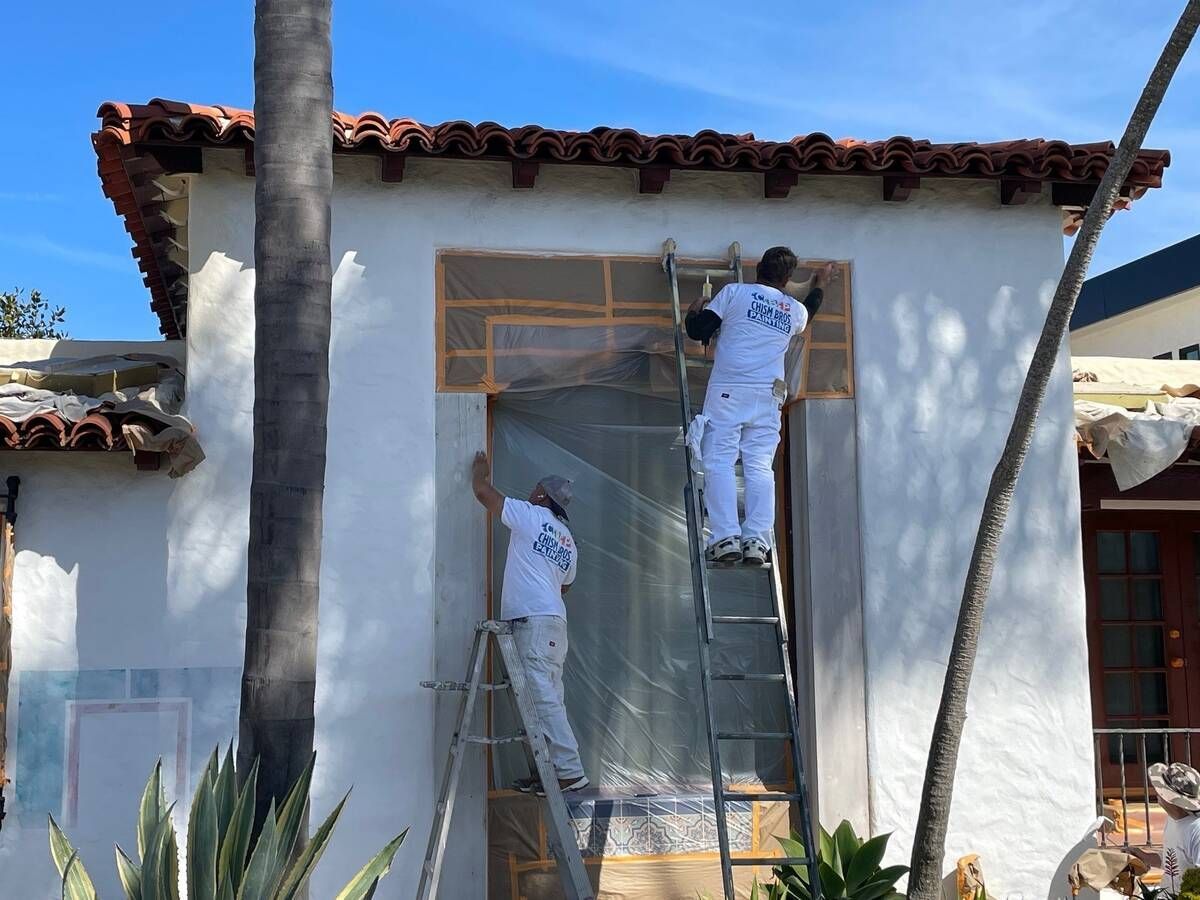
When Peeling May Just Be an Aging Finish
Some peeling is normal as exterior coatings age. Sun exposure, weathering, moisture, and time can cause paint or stain to fade, crack, flake, or lose adhesion.
Peeling may be mostly age-related if the fence or gate is still solid, the damage is surface-level, the wood is firm, the metal is not heavily rusted, and the issue is not tied to a repeated moisture source. In that case, the surface may be a good candidate for cleaning, scraping, sanding, priming where needed, and recoating.
An aging finish still should not be painted as-is. Loose coating needs to be removed or stabilized, rough areas should be prepared, and bare material may need primer or the right stain approach before the final finish goes on.
Wood Fences Need More Than a Quick Look
Wood fencing can look like it only needs paint when the real issue is damaged material. Peeling paint may be hiding softness, rot, splitting, loose boards, failed fasteners, or moisture damage.
Homeowners should pay close attention to boards that feel soft, cracked, swollen, warped, splintered, loose, or darkly stained. Posts that lean, rails that separate, and areas where paint keeps failing near soil, sprinklers, or dense plants should also be reviewed before recoating.
Solid wood can often be prepped and recoated. Failing wood should be repaired or replaced before paint or stain is applied. Recoating a fence that is near the end of its life may improve appearance briefly, but it may not be the best use of the budget.
Metal Gates Need Rust and Corrosion Evaluation
Metal gates have different concerns than wood fences. Peeling paint on metal may expose the surface to rust or corrosion, especially around joints, hinges, welds, latches, scratches, and low areas where water collects.
Rust should not simply be painted over. Loose paint and corrosion usually need to be cleaned, sanded, treated, primed, or otherwise prepared before the finish coating goes on. If the metal gate is still structurally sound, proper prep can help the new coating bond more cleanly.
The important point is that metal gates need a different approach than wood fencing. A gate may need attention around hardware, movement, and rust-prone areas even when the nearby fence only needs normal surface prep.
Failed Previous Coatings Can Cause Repeat Peeling
Peeling may happen because the previous paint or stain did not bond well. This can occur when a surface was dirty, chalky, damp, glossy, rusty, sun-damaged, or not properly primed before the last coating was applied.
If a new coating is applied over an old failing layer, the fresh coating may peel off with the weak layer underneath. This is one reason fences and gates often need scraping, sanding, cleaning, and primer decisions before recoating.
The new finish is only as reliable as the surface it is sticking to. If the existing coating is failing in many areas, the prep plan should address that failure before paint or stain is applied again.
Irrigation, Landscaping, and Soil Contact Can Shorten Coating Life
Fences and gates near sprinklers, drip lines, planter beds, vines, shrubs, or dense landscaping may fail faster. Repeated water exposure can cause staining, peeling, mildew-like growth, wood swelling, rust, or soft areas.
Poway properties with long fence lines or open-space edges may also have sections that are easy to overlook. A fence section behind shrubs or near irrigation may be in much worse condition than the more visible sections near the driveway or entry.
Low areas deserve extra attention. Fence boards, posts, and gate frames close to soil, mulch, or damp ground can deteriorate faster because those areas stay wetter and collect more debris. Recoating can improve appearance, but it will not solve decay or corrosion caused by ongoing moisture exposure. When sprinklers, plant contact, or soil conditions are contributing to the problem, those issues should be corrected before recoating whenever possible.
Gates Wear Differently Because They Move
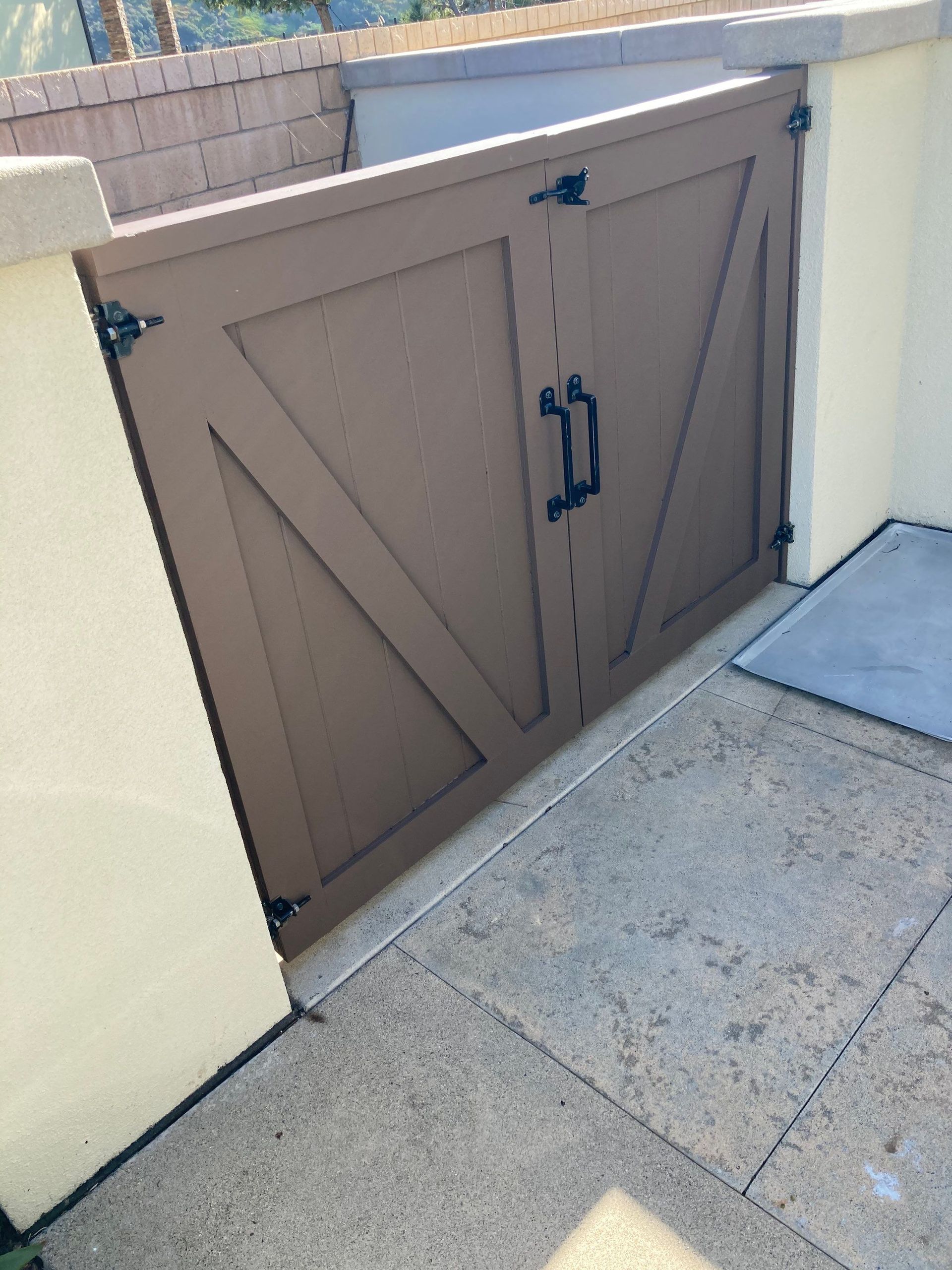
Gates are high-use exterior features. Unlike a fixed fence panel, a gate swings, latches, scrapes, flexes, and gets handled regularly.
Peeling around hinges, latches, handles, corners, and frame joints may be caused by movement, rubbing, impact, or hardware issues. If the gate sags or scrapes, painting it without fixing the function may lead to immediate scratches and coating damage.
Before recoating, the gate should open, close, latch, and align properly. Hardware issues should be addressed first so the new finish is not damaged as soon as the gate is used.
Decide Whether the Surface Needs Paint, Stain, Repair, or Replacement
Homeowners should not assume every peeling fence or gate needs the same solution. Some surfaces may be best repainted. Others may need stain, primer, rust treatment, wood repair, board replacement, hardware adjustment, or full replacement.
If the fence or gate is solid and the old coating can be properly removed or stabilized, recoating may make sense. If the material is weak, rotted, corroded, unstable, or near the end of its life, replacement may be more practical than coating it again.
This is also where related services can come into the conversation naturally. If the project involves wood repair, pressure washing, deck or railing work, staining, or prep beyond standard painting, Chism Brothers’ specialty services may be relevant during the estimate.
Consider Whether to Recoat the Fence, Gate, and House Together
Fence and gate recoating often comes up during a larger exterior painting project. If the house is being painted, homeowners may want fences, gates, railings, patio covers, and detached structures refreshed at the same time.
This can create a more cohesive look and reduce repeated setup, but it only makes sense if the fence and gate are ready. If repairs, vegetation clearing, rust treatment, board replacement, or gate adjustments are needed first, those should happen before coating.
On larger Poway properties, it can be helpful to separate the main house, fences, gates, and detached structures into their own scopes. That way, the most urgent surfaces can be handled first, and optional or repair-heavy areas can be phased if needed.
Prep Steps That May Be Needed Before Recoating
Not every project needs every step, but the surface should be prepared according to its condition and material.
A practical preparation sequence may include:
- Inspect wood and metal surfaces separately.
- Identify rot, softness, rust, corrosion, loose boards, or hardware issues.
- Trim vegetation and correct irrigation overspray where needed.
- Scrape or remove loose peeling paint.
- Sand rough, glossy, rusted, or uneven areas as appropriate.
- Repair or replace damaged boards, posts, hinges, latches, or trim.
- Prime bare, repaired, or metal areas when needed.
- Apply the right paint or stain after the surface is clean, dry, and stable.
This process helps avoid coating over problems that are likely to return. It also helps homeowners understand why a fence or gate estimate may include prep, repairs, or primer instead of only paint.
What to Clarify Before Recoating Fences and Gates
Before scheduling the work, homeowners should clarify whether the peeling is limited to the old finish or whether the wood, metal, hardware, or surrounding conditions are causing the failure.
It is helpful to discuss the age of the fence or gate, whether it has been coated before, whether sprinklers or landscaping are affecting it, and whether any repairs should happen before painting or staining. If the fence line is long or the gate is used daily, the estimate should separate cosmetic recoating from repair needs.
The goal is to recoat a stable surface, not temporarily cover a fence or gate that is still deteriorating.
Talk With a Poway Painting Company Before Recoating
Homeowners should consider professional help when peeling is widespread, when the fence has mixed wood and metal elements, when a gate has rust or hardware issues, or when the surface may need repairs before recoating.
Speaking with an experienced Poway painting company can help you understand whether peeling fence or gate paint is mostly an aging finish or a sign that repair, primer, sanding, rust treatment, staining, or replacement should come first.
Chism Brothers Painting can evaluate peeling paint on fences, gates, railings, detached structures, and nearby exterior surfaces before recommending the right recoating plan.
Recoat Your Poway Fences and Gates With the Right Prep
If you are seeing peeling paint, exposed wood, rust, soft boards, failing hardware, or repeat coating problems on fences and gates, Chism Brothers Painting can inspect the surfaces and explain what should be corrected before recoating. They can review prep needs, repairs, coating condition, access, and surrounding property factors so the finished work has a better surface to bond to.
Reach out today for a
free, no-obligation estimate. Chism Brothers can give you honest guidance on whether your Poway fence or gate should be cleaned, repaired, primed, painted, stained, or replaced before more coating work is done.


Tell us about your project
Tell Us About Your Project
Contact us today to schedule a visit from one of our estimators! We’ll come to your home and provide a detailed estimate.
(858) 454-3850