What to Know Before Repainting a Home Near Santee’s Hills and Open Space
Last Updated: September 9, 2026
Before repainting a home near Santee’s hills or open-space areas, homeowners should plan for slope access, vegetation near the house, equipment placement, landscaping, exterior repairs, drainage patterns, and any surfaces that may be difficult to inspect or paint.
Homes near hillsides and open-space areas can have different exterior painting needs than homes on flatter, more open lots. The paint work itself may be similar, but access, vegetation, slope, sunlight, wind, and repair needs can make planning more important. A home may look straightforward from the street while the rear elevation, side yard, or hillside-facing wall is much harder to reach and prepare.
Some Santee homes are closer to hillside residential zones, trails, canyon edges, or open-space areas, so homeowners should think through the full property before painters arrive. The goal is to make sure the crew can access the home, inspect the surfaces clearly, protect surrounding features, and complete repairs or prep before the final paint is applied.
Why Hillside and Open-Space Homes Need More Planning
Homes near slopes or open areas may have access and preparation challenges that are not obvious from the front of the property. A driveway, entry, or street-facing wall may be easy to reach, while the side or rear elevations may involve grade changes, retaining walls, tall walls, dense plants, or limited working space.
These conditions can affect how the project is estimated and scheduled. Painters may need to plan around sloped ground, tall rear walls, narrow side yards, dense vegetation, terraced areas, irrigation, or surfaces hidden behind plants. The more difficult the access, the more important it is to review the property before work begins.
This does not mean every hillside or open-space home is difficult to paint. It means the painting plan should reflect the actual conditions around the home, not just the square footage or paint color.
Start With Access Around the Home
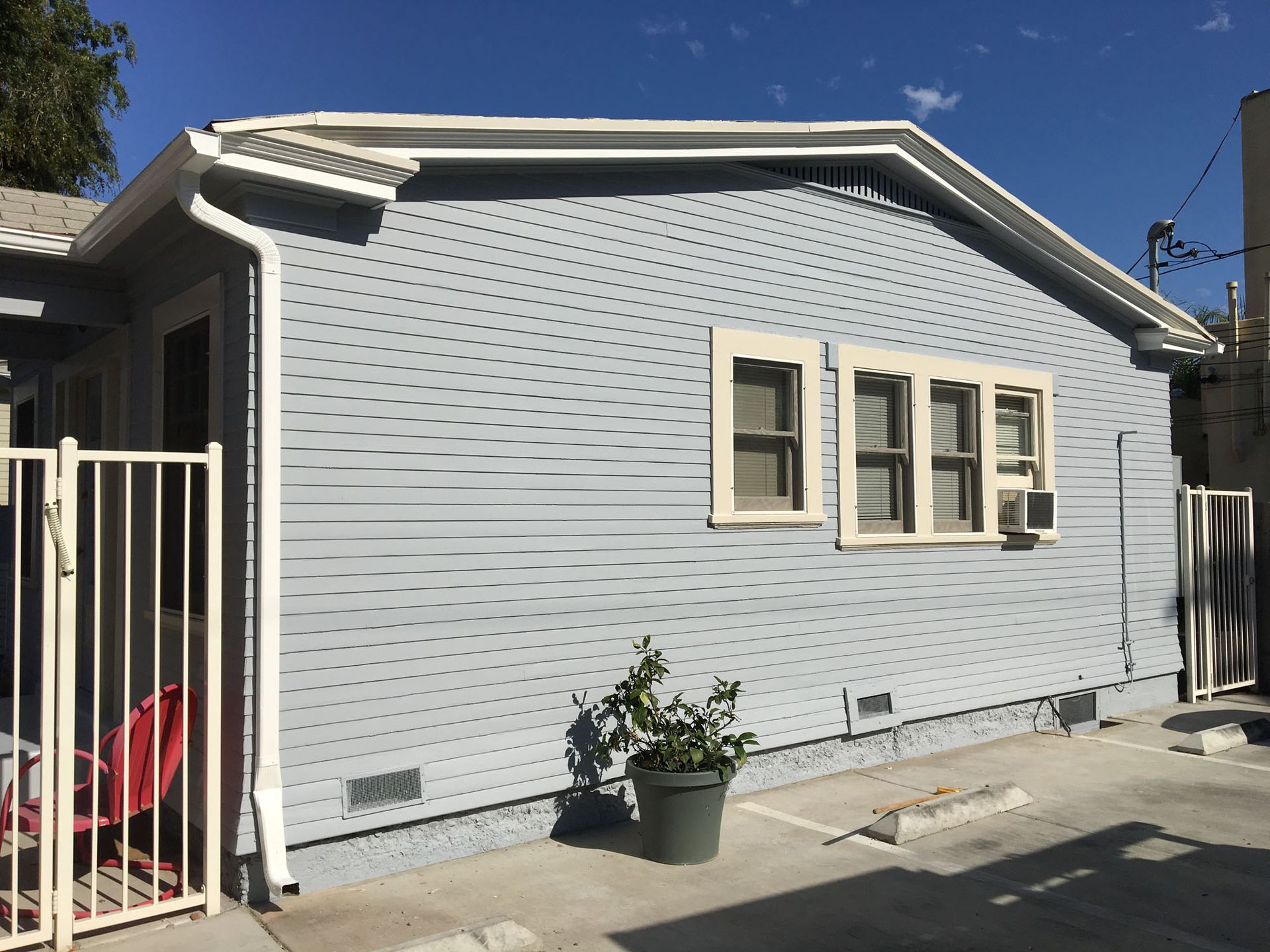
Painters need safe, clear access to every surface that will be washed, scraped, repaired, caulked, primed, or painted. On homes near hills or open space, access may be more complicated around side yards, rear elevations, slopes, fences, gates, patios, or terraced areas.
Before the estimate, homeowners can walk around the entire home and note where access is blocked by plants, stored items, uneven ground, outdoor furniture, retaining walls, or narrow gates. If an area is difficult for the homeowner to reach or inspect, it should be pointed out during the estimate.
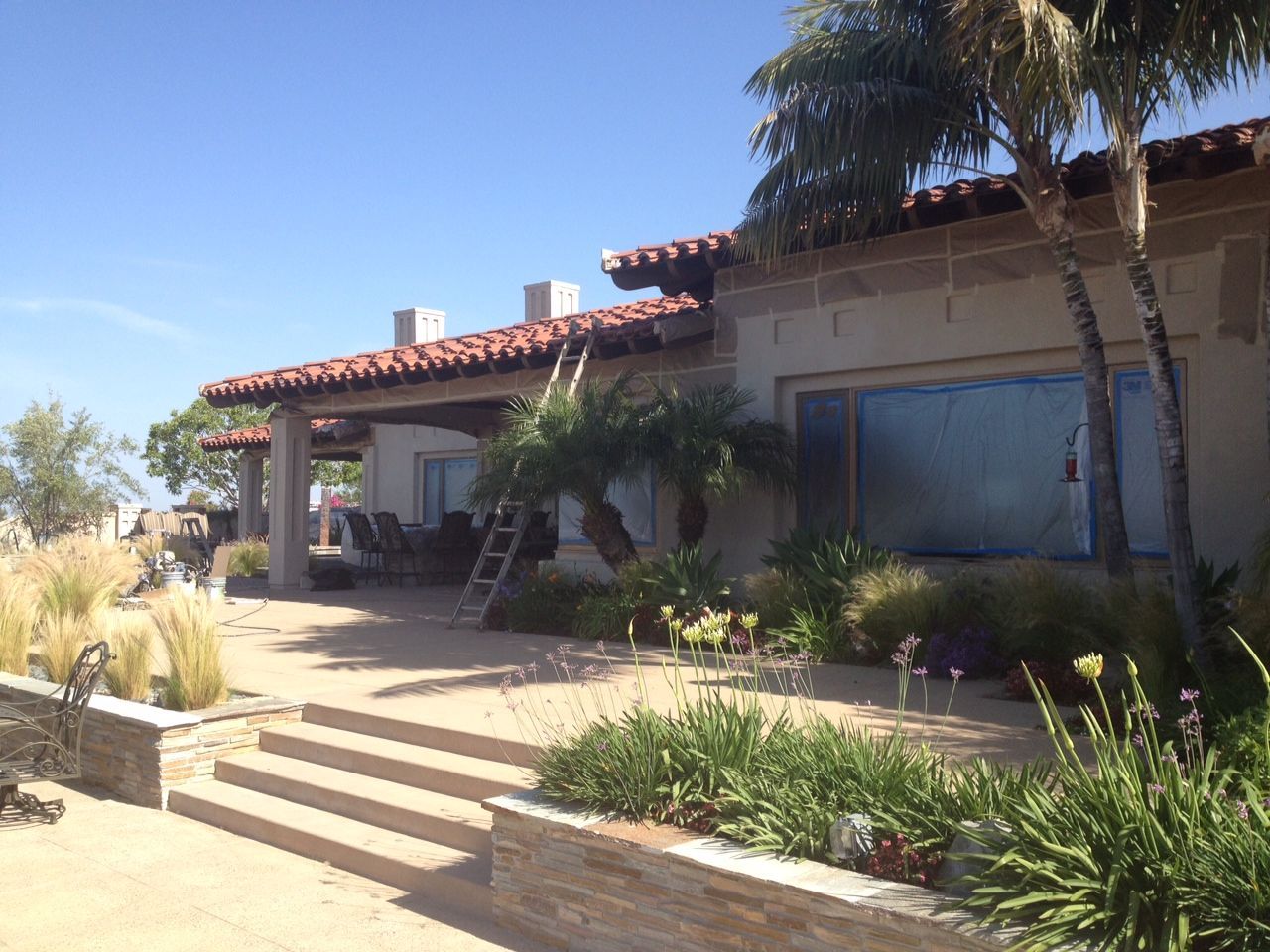
Clear access helps the painter evaluate the surface properly. It also helps the crew protect landscaping, place equipment, mask nearby features, and complete the prep work without working around unnecessary obstacles.
Slopes Can Affect Ladder and Equipment Placement
Sloped ground can affect how painters reach upper walls, fascia, eaves, trim, and second-story areas. Ladders, scaffolding, and other equipment need stable placement, which may be harder on uneven ground or tight hillside areas.
Homeowners do not need to know the exact equipment required. They simply need to understand that grade changes, drop-offs, steps, retaining walls, and terraced areas can affect how the work is planned. A rear wall may be much taller than it looks from the front of the home, especially when the lot drops away behind the house.
The issue is not only safety. Access affects how well surfaces can be cleaned, repaired, masked, primed, and painted. If a wall is difficult to reach, it should be evaluated early so the painter can recommend the most practical approach.
Vegetation Near the Home Should Be Reviewed Early
Homes near open space may have more shrubs, trees, native plants, hillside vegetation, or dense landscaping near exterior walls. Plants can block access, trap moisture, rub against painted surfaces, and hide damage that should be repaired before painting.
Vegetation near the home may conceal peeling paint, stucco cracks, failed caulk, weathered fascia, damaged trim, wood deterioration, irrigation stains, or previous repairs that are starting to fail. These issues may not be visible until plants are trimmed back or the surface is washed.
Homeowners may need to trim plants away from stucco, trim, fascia, doors, gates, and other exterior surfaces before painting. This gives painters room to inspect the home, complete prep properly, and avoid missing areas that were hidden behind overgrowth.
Landscaping and Irrigation Can Affect Paint Life
Landscaping is not only an access issue. Sprinklers, drip irrigation, planter beds, vines, and dense shrubs can affect how exterior surfaces age. Repeated moisture can lead to staining, mildew-like growth, peeling, bubbling, failed caulk, and wood deterioration.
This matters on shaded or protected sides of the home, where surfaces may stay damp longer because of limited airflow. It also matters along lower walls, side yards, and patio areas where sprinklers may repeatedly hit stucco, trim, doors, gates, or fences.
Before repainting, homeowners should look for irrigation patterns that may be contributing to the damage. If sprinklers or plant contact caused paint failure, the new paint may not last as expected unless the source of the problem is corrected first.
Exterior Repairs Should Be Identified Before Painting
Homes near hills and open space may show wear from sun exposure, wind, moisture, vegetation, drainage, and normal aging. These repair needs should be identified before the final paint is applied.
Stucco cracks, peeling paint, chalky residue, failed caulk, weathered fascia, soft wood, stained lower walls, worn doors, damaged gates, railings, patio covers, and previous patchwork can all affect the finished result. Some issues may be routine prep. Others may need more involved repair before painting can begin.
Paint can protect and refresh sound surfaces, but it should not be used to hide damage that will keep moving, absorbing moisture, or failing. If wood, stucco, caulking, or trim is unstable, it should be corrected before the finish coats go on.
Stucco, Trim, and Fascia May Not Age the Same Way
Many Santee homes include stucco walls, wood trim, fascia, eaves, garage areas, gates, railings, or patio structures. These materials do not always wear at the same rate.
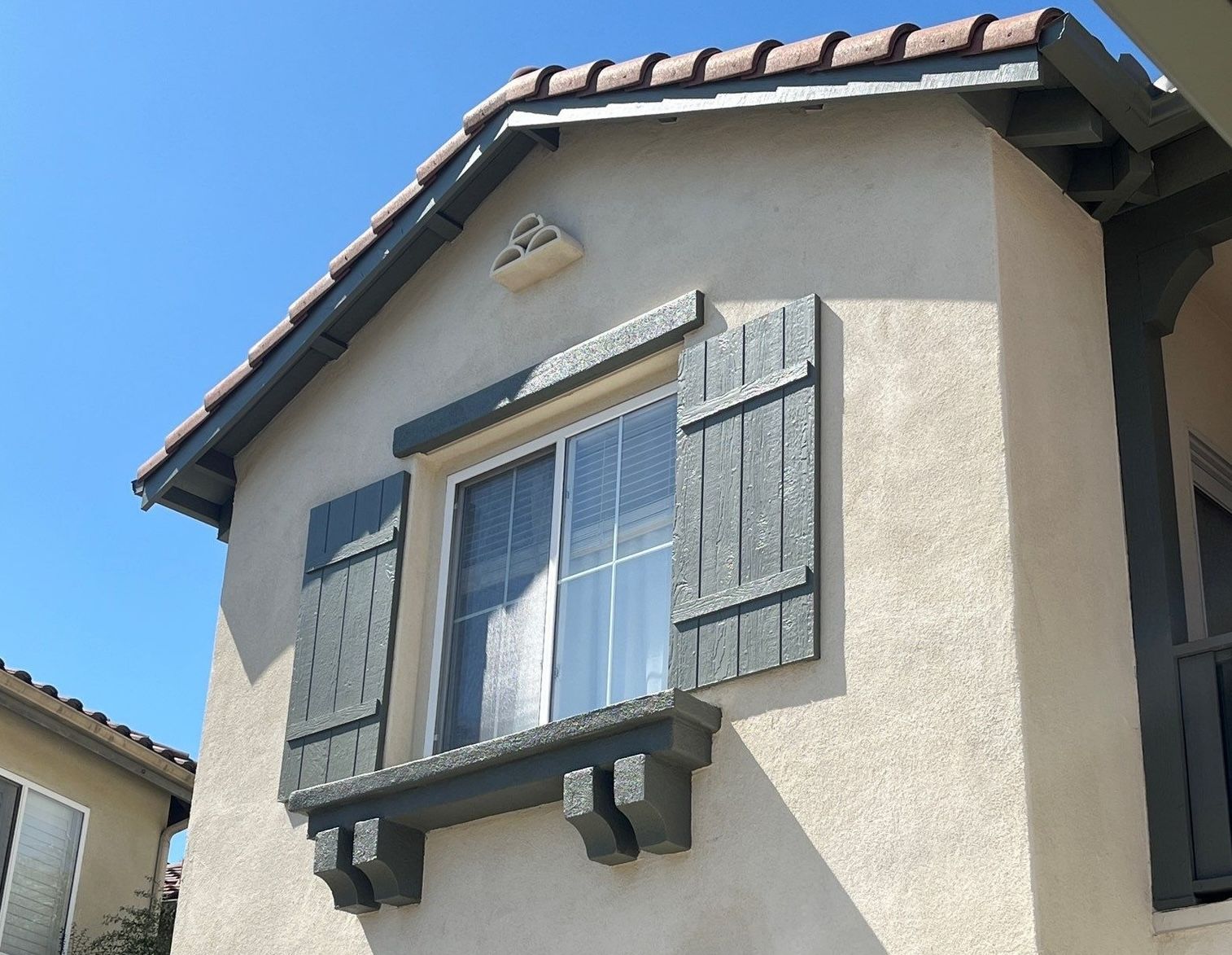
Stucco may show cracks, chalking, stains, or previous patching. Wood trim may peel, split, soften, or absorb moisture if the paint has failed. Fascia and eaves may show more sun exposure, roofline wear, or hidden damage. Gates, fences, and patio structures may have their own coating or repair needs.
The painting plan should respond to each surface’s condition rather than treating the whole exterior as one simple repaint. Chism Brothers’ specialty services may be relevant when the project involves wood repair, light carpentry, pressure washing, deck and railing repair, or other preparation needs connected to the repaint.
Drainage and Runoff Patterns Should Be Checked
Hillside and open-space properties can have unique water movement. Rain, irrigation, drainage paths, and slope runoff may affect lower stucco walls, retaining wall areas, patios, steps, and exterior wood details.
Homeowners should look for recurring stains, bubbling paint, peeling near lower walls, damp areas, or damage where water repeatedly travels. These issues should be corrected before repainting whenever possible.
This does not need to become a drainage-engineering project. The point is to notice moisture patterns that affect paint performance. If water keeps reaching the same painted surface, fresh paint may not solve the problem for long.
Retaining Walls, Fences, Gates, and Outdoor Features Can Affect the Scope
Homes near hills and open space often have exterior features that sit close to painted surfaces. Retaining walls, fences, gates, decks, patio covers, stairs, railings, and outdoor living areas may need repair or protection before painting.
If any of these features are being repaired, replaced, stained, or painted, that work should be coordinated before the main exterior paint begins. Otherwise, homeowners may end up with fresh paint being scratched, patched, or touched up after nearby work is complete.
Exterior painting should fit into the full property-maintenance plan, not happen in isolation. If the home, fence, gate, railing, or patio-facing surfaces all need attention, it is better to discuss the order before the project begins.
Consider Open-Space and Property Requirements
Some Santee homes near hillside or open-space areas may have additional exterior property considerations. These could involve vegetation, access, exterior materials, HOA expectations, or community guidelines that affect what homeowners can repair, replace, or modify.
This is not a substitute for checking local requirements, HOA rules, or property-specific guidance. Before making larger exterior changes, homeowners should confirm whether any rules apply to fences, patio covers, vents, trim, gates, exterior colors, or other visible features.
Painting may only be one part of the larger exterior picture. Checking requirements early can help avoid choosing colors, materials, or repairs that need to be changed later.
Plan for Cleaning Before Paint Goes On
Homes near hills and open space may collect dust, pollen, plant debris, cobwebs, mildew-like residue, dirt, and surface buildup. Cleaning is a key part of painting prep because paint needs a clean, dry, stable surface.
Washing may reveal additional issues, such as chalking, peeling paint, cracked stucco, loose caulk, or damaged trim. These problems should be addressed before primer or finish coats are applied.
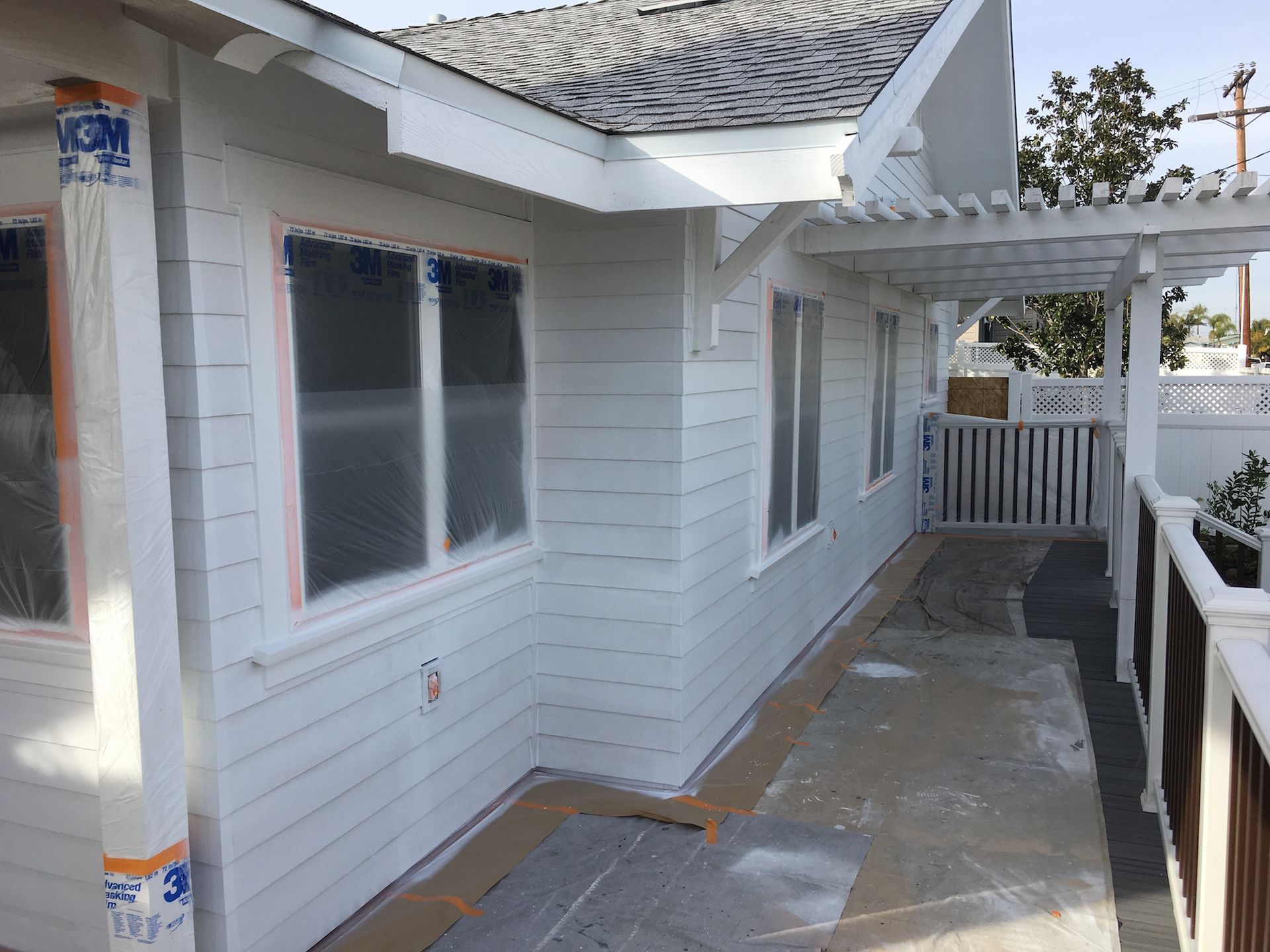
Cleaning is not just cosmetic. It prepares the surface and exposes conditions that could affect the repaint. Once debris, residue, and loose material are removed, the painter can better evaluate what needs repair, primer, caulking, or additional prep.
A Practical Pre-Painting Checklist for Santee Homeowners
Before scheduling a repaint, homeowners can walk the property and look for conditions that may affect access, prep, and repairs.
- Walk around every side of the home, including slopes and rear elevations.
- Identify steep areas, retaining walls, terraces, and narrow access points.
- Trim vegetation away from stucco, trim, fascia, and doors.
- Check sprinklers, irrigation, and drainage near painted surfaces.
- Look for peeling paint, chalking, stains, or bubbling.
- Inspect stucco cracks, failed caulk, and previous repairs.
- Check wood trim, fascia, eaves, gates, and patio structures.
- Move furniture, pots, storage items, and decor away from the home.
- Confirm whether exterior repairs or other projects should happen first.
- Ask how access and equipment placement will be handled.
This checklist helps the estimate reflect the actual property conditions and reduces surprises once the project begins. Homeowners do not need to diagnose every problem themselves, but they should know which areas may need closer review.
Questions to Ask During the Estimate
A good estimate should account for more than color and square footage. It should also address access, surfaces, repairs, and property conditions that could affect the work.
Helpful questions include:
- Can all exterior surfaces be accessed safely?
- Will slopes or uneven ground affect equipment placement?
- What vegetation should be trimmed before painting?
- Are there stucco, caulk, trim, or fascia repairs needed first?
- Are irrigation or drainage issues affecting the paint?
- Should any exterior wood be repaired or replaced before painting?
- Will retaining walls, gates, fences, or patio structures affect the scope?
- Are there any HOA, community, or property-specific requirements to check?
- Will difficult access affect the timeline or project cost?
These questions help homeowners understand whether the project is a straightforward repaint or one that needs additional access and repair planning.
Talk With a Santee Painting Company Before Repainting
Homeowners should consider a professional evaluation when the home has slopes, difficult access, dense vegetation, tall rear elevations, stucco issues, wood damage, or exterior repairs that need to happen before painting.
Speaking with an experienced Santee painting company can help you understand how hillside and open-space property conditions may affect the repainting plan. A painter can review access, vegetation, stucco, trim, fascia, caulking, repairs, prep needs, and nearby outdoor features before recommending the right approach.
Chism Brothers Painting can help Santee homeowners plan the project around the actual conditions of the home and property.
Plan Your Santee Hillside or Open-Space Repaint With Chism Brothers Painting
If you are planning to repaint a Santee home near hillsides or open space, Chism Brothers Painting can inspect the exterior and help identify what should be addressed before painting begins. They can review access, slopes, vegetation, landscaping, stucco, trim, fascia, drainage clues, and repair needs so the repaint is planned safely and correctly.
Reach out today for a
free, no-obligation estimate. Chism Brothers can give you honest guidance on what should be cleared, repaired, cleaned, protected, or coordinated before your exterior painting project begins.


Tell us about your project
Tell Us About Your Project
Contact us today to schedule a visit from one of our estimators! We’ll come to your home and provide a detailed estimate.
(858) 454-3850